Comprehensive Guide to Migrating from S3 to Greenfield
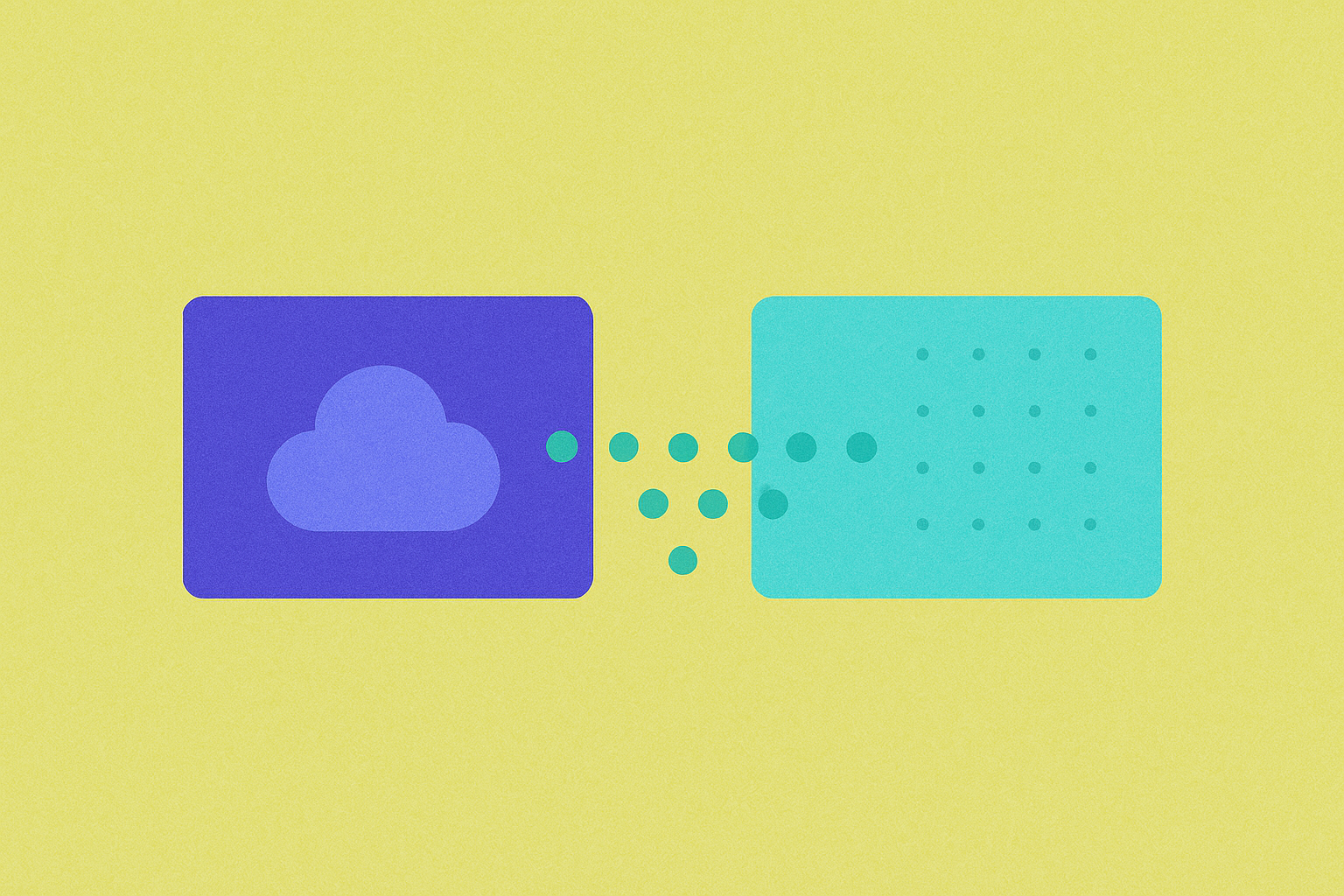
How to Transition from Centralized Cloud Storage to Decentralized Storage Solutions
Decentralized storage networks represent a paradigm shift in data storage architecture within blockchain ecosystems. As a decentralized data storage system, they fundamentally empower users with complete control over their own data, contrasting sharply with traditional centralized cloud storage solutions. This comprehensive guide provides businesses with a structured roadmap for seamlessly transitioning from established cloud storage platforms like Amazon Web Services' Simple Storage Service (AWS S3) to innovative decentralized infrastructure solutions.
Traditional Cloud Storage vs Decentralized Networks: Understanding the Core Differences
The transition from S3 to decentralized storage solutions requires understanding the fundamental architectural differences between these two storage approaches. Amazon S3 operates within AWS's centralized infrastructure, utilizing a traditional Keys and Secrets permission control model where AWS maintains central authority over data governance and access management.
In contrast, decentralized storage networks adopt a distributed architecture leveraging blockchain technology and private keys for authentication. This approach significantly enhances both security and decentralization by removing single points of failure. Distributed storage structures provide enhanced data durability and recoverability, ensuring that your data remains accessible and protected even if individual nodes experience downtime. The blockchain-based verification system creates an immutable record of all transactions and access patterns, providing unprecedented transparency and security compared to traditional centralized approaches.
Getting Familiar with Decentralized Storage Ecosystems
Before initiating migration, it is essential to develop a comprehensive understanding of decentralized storage ecosystems and their operational models. These networks distinguish themselves through their user-centric approach, offering a Web2-like API experience while simultaneously integrating sophisticated on-chain data permission management capabilities. This hybrid approach ensures that developers familiar with traditional cloud storage like S3 networks can quickly adapt to the decentralized environment.
A critical component of this ecosystem understanding involves recognizing the role of Storage Providers (SPs). These entities are responsible for providing authentication services and managing physical storage infrastructure. The selection and management of Storage Providers directly impacts system performance, reliability, and security. Decentralized storage utilizes a sophisticated system of primary and secondary SPs, where understanding their functions and selection criteria is essential for optimizing performance and ensuring redundancy. Primary SPs handle the initial data storage and user interactions, while secondary SPs provide backup and recovery capabilities, creating a resilient distributed storage network.
SDK Integration
One of the significant advantages for AWS S3 users transitioning to decentralized storage is the thoughtful SDK design that facilitates smooth adoption. Modern decentralized storage solutions ensure a streamlined transition process by maintaining similar SDK coding practices and metadata management approaches to those employed in AWS S3 ecosystems.
Developers can leverage their existing expertise and codebase built around S3 networks and SDKs to adopt decentralized storage solutions with minimal friction. This strategic similarity significantly reduces the learning curve and development overhead typically associated with platform migrations. The integration process involves systematically incorporating new SDKs into your existing applications while making necessary architectural adjustments to accommodate the decentralized storage model. This might include modifications to authentication flows to utilize blockchain-based identity verification, adjustments to error handling for distributed system considerations, and updates to permission management logic to reflect on-chain governance.
Data Migration
The actual data migration process represents the most critical phase of the transition and requires careful planning and execution. A structured approach to data migration ensures minimal downtime and data integrity throughout the process.
The migration process can be systematically broken down into distinct phases: First, categorize your entire data repository and identify critical datasets that require prioritized migration. Understanding data dependencies and access patterns helps determine optimal migration sequencing. Second, employ decentralized storage's object lifecycle management features to automate data handling during the transition period. These features allow you to define retention policies, access patterns, and archival strategies that align with your organizational requirements. Third, develop and utilize migration tools and services that facilitate smooth data transfer from S3 to decentralized storage solutions. This might involve custom tooling, third-party migration services, or open-source solutions optimized for transitions between storage networks. Throughout this phase, maintain comprehensive monitoring and logging to track migration progress and identify any data transfer issues immediately.
Testing and Optimization
Following data migration completion, rigorous testing and optimization become paramount to ensure operational excellence within decentralized storage environments. This comprehensive testing phase addresses multiple critical dimensions of your new infrastructure.
Begin by verifying the integrity of all migrated data through checksum validation and sample verification procedures. This ensures that data has transferred without corruption or loss. Next, conduct performance testing to ensure that Storage Providers are delivering expected throughput and latency characteristics. Benchmark performance against your S3 baseline to identify any performance regressions that require optimization. Fine-tune your applications to harness the full potential of decentralized storage architecture, potentially restructuring data access patterns to align with distributed system principles. Pay special attention to the decentralized permission management and authentication mechanisms, conducting thorough security audits to ensure they align with your application's security posture and access control requirements. Test failure scenarios and recovery procedures to validate that the distributed architecture provides the expected reliability and redundancy benefits.
Conclusion
By methodically following the four-step transition process detailed above—familiarizing yourself with decentralized storage ecosystems, integrating new SDKs, executing careful data migration, and conducting comprehensive testing and optimization—organizations can execute their transition from traditional S3 networks without complications. This migration represents more than a simple platform change; it embodies a fundamental shift toward the principles of Web3 and decentralized infrastructure. By embracing decentralized storage architecture, businesses reclaim complete control over their data, benefiting from enhanced security, improved durability, and reduced dependence on centralized service providers. This transition positions organizations at the forefront of the decentralized storage era, aligning their infrastructure with the emerging paradigm of user-controlled, blockchain-verified data management.
FAQ
What is an S3 network?
S3 network is a decentralized storage infrastructure platform that leverages blockchain technology to provide secure, scalable, and efficient data storage solutions. It enables users to store and retrieve data across distributed nodes while maintaining privacy and reducing reliance on centralized servers.

How Does Filecoin Compare to Its Competitors in Performance and Market Share?

Top Picks for Secure Crypto Phones: A Comprehensive Guide
Understanding EIP4337: The Future of Account Abstraction

Top Smartphones for Secure Crypto Management

What is the Difference Between FIL and Its Competitors in 2025?

Understanding DePIN: Decentralized Physical Infrastructure Networks Explained
Pi Coin Price in India in 2030: Analysis & Forecast
Michael Saylor's Strategy Outlines 'Last Resort' Conditions for Bitcoin Sale

Is Crypto Mining Legal in India?
How Much Is Hamster Kombat Coin Worth
What Is Blum?