Cryptocurrency Fear and Greed Index

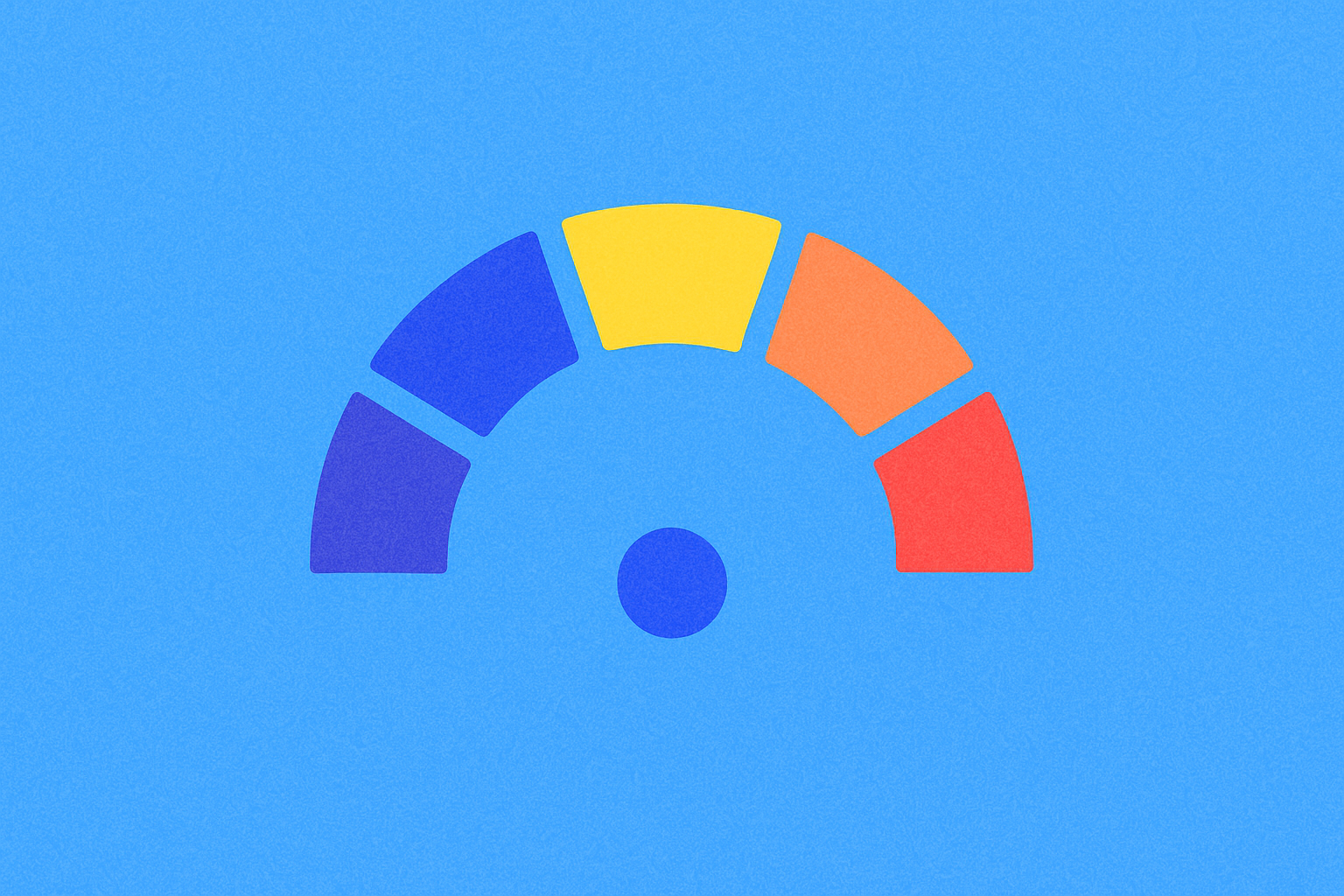
The Crypto Fear and Greed Index is a specialized analytical tool designed to provide a comprehensive assessment of investor sentiment in the digital asset market. This index quantifies market participants’ emotions and psychological states using multiple data sources, consolidating them into a single score from 0 to 100—where 0 signifies extreme fear and 100 represents extreme greed.
This index enables investors to objectively gauge the current emotional state of the crypto market. Index values between 0 and 25 indicate a period of extreme fear among investors, which often signals caution or pessimism. Such sentiment typically arises following sharp cryptocurrency price drops, negative regulatory developments, or large-scale hacking incidents impacting the entire digital asset ecosystem.
Context or History
The Crypto Fear and Greed Index was developed as an adaptation of the traditional Fear and Greed Index used in stock markets to measure investor sentiment. The need for a dedicated crypto market index emerged due to the sector’s unique characteristics—exceptional volatility, nonstop trading, and the outsized influence of social media on price action.
The creators set out to deliver both a visual and quantitative measure of emotional swings in the notoriously fast-moving and unpredictable crypto markets. Unlike traditional financial markets, the crypto sector features higher levels of speculative activity and reacts more sharply to news and social media trends.
This index aggregates data from a range of sources to provide a holistic snapshot of market sentiment. Inputs include market volatility (price swings), changes in trading volume (market activity), sentiment analysis from social platforms (Twitter, Reddit, Telegram), investor survey results, and search trend analytics. All these data points are processed by sophisticated algorithms to generate a daily score reflecting real-time crypto market sentiment.
Usage or Functions
The primary function of the Crypto Fear and Greed Index is to help investors objectively assess market sentiment and make more informed investment decisions, factoring in both technical and psychological drivers.
As a psychological indicator, the index offers crucial insight into whether fear or greed dominates the market at any given time. This is especially useful for identifying potential entry and exit points based on extreme market emotions.
Key use cases include:
Contrarian Strategy: Savvy investors use the index to execute contrarian tactics. When the index signals extreme fear (below 25), it may indicate a buying opportunity at lower prices. Conversely, extreme greed (above 75) may signal an overheated market and a good time to lock in profits.
Risk Management: The index helps investors gauge overall market risk. High greed readings often precede corrections, so investors can take timely steps to rebalance portfolios or set protective stop-losses.
Trade Signal Confirmation: Traders use the index as an additional filter to validate technical analysis signals. For example, a technical buy signal is more convincing when the index reflects high fear.
Impact on the Market, Technology, or Investment Landscape
The Crypto Fear and Greed Index exerts substantial influence on the digital asset market, shaping the behavior and decisions of a wide spectrum of participants—from retail traders to institutional investors.
Elevated greed levels (index values 75-100) suggest an overbought market, where prices outpace fundamentals. This often triggers corrections as seasoned investors take profits, while latecomers entering during peak euphoria risk losses. Historically, many major crypto market corrections have followed periods of extreme greed.
Conversely, high fear levels (index values 0-25) may signal the market is bottoming, offering attractive opportunities for long-term investors. During these times, fundamentally strong projects often trade at significant discounts due to panic selling and widespread pessimism.
By delivering a real-time snapshot of investor sentiment, the index also plays a critical role in shaping the technological and investment environment within the crypto industry. It affects the timing and scale of investments in blockchain and crypto projects. Institutional investors and venture funds often consult index readings when making funding decisions for crypto startups.
Additionally, the index encourages a more disciplined and rational investment approach, helping market participants avoid emotional decisions that can lead to losses. This is particularly important for newcomers, who may be prone to panic selling in downturns or impulsive buying during surges.
Recent Trends or Innovations
Recent advancements in the Crypto Fear and Greed Index methodology include integrating advanced AI and machine learning algorithms to improve sentiment measurement accuracy and forecast future market movements.
Modern analytics platforms deploy deep learning neural networks to process massive amounts of unstructured data from social networks, news sites, and forums, enabling more precise public sentiment assessment. These technologies detect subtle language cues, sarcasm, context, and emotional tone, greatly enhancing the index’s precision and reliability.
New algorithmic developments also factor in a broader array of metrics, such as:
On-Chain Metrics Analysis: Incorporating blockchain data like large fund transfers (whale movements), wallet address activity, and accumulation/distribution patterns among major holders.
Derivatives Market Data: Analyzing derivatives market indicators, including long/short ratios, liquidation volumes, and funding rate dynamics for futures contracts.
Cross-Market Correlation: Accounting for correlations between the crypto market and traditional financial markets, such as stock indices, precious metals, and currency pairs.
Regulatory Events: Automatically tracking and evaluating the impact of regulatory news and legislative initiatives across different jurisdictions on investor sentiment.
These innovations enable the index to react rapidly to changing market conditions and provide more actionable signals for investors, enhancing its value as a decision-making tool.
How It’s Used on Leading Trading Platforms
On top crypto trading platforms, the Fear and Greed Index is widely used to deliver comprehensive sentiment data alongside other essential analytics and trading information.
Major exchanges embed the index into their analytics dashboards, empowering users to make strategic decisions about when to buy or sell crypto assets based on prevailing market emotions reflected in real-time index values.
Key platform use cases include:
- Market Sentiment Analysis: Traders can quickly gauge overall market emotion without manually analyzing diverse data sources.
- Identifying Overbought/Oversold Conditions: The index highlights extreme conditions that often precede trend reversals.
- Pinpointing Entry and Exit Points: Seasoned traders use the index to refine the timing of position entries and exits.
- Position Sizing: Risk exposure can be adjusted based on index levels—reducing positions during extreme greed and increasing them during extreme fear.
- Automated Trading: Some platforms offer automated bots that trade in response to index value shifts.
| Date | Index Value | Market Sentiment |
|---|---|---|
| January 1, 2023 | 70 | Greed |
| February 1, 2023 | 30 | Fear |
| March 1, 2023 | 55 | Neutral |
In summary, the Crypto Fear and Greed Index is an essential analytical resource for digital asset investors and traders. It delivers an objective, quantitative snapshot of market emotion and psychology, making it a powerful tool for strategic investment decisions and risk management.
By mastering the index’s mechanics and learning to interpret its signals, crypto market participants can significantly improve trading outcomes and better navigate the complexity and volatility of digital assets. Used alongside other methods—technical, fundamental, and on-chain analysis—the index forms a robust foundation for decision-making in today’s dynamic crypto markets.
FAQ
What is the Crypto Fear and Greed Index?
The Crypto Fear and Greed Index measures sentiment in the cryptocurrency market. It reflects how optimistic or pessimistic traders are, providing real-time insights into market participants’ perceptions and emotions.
How should you interpret Fear and Greed Index values?
The index quantifies sentiment on a 0–100 scale. Readings near 0 indicate heightened fear and conservative investor outlooks, while high values signal greed and bullish expectations. This helps identify market cycles.
Where can you view the current Fear and Greed Index?
The latest Fear and Greed Index can be found at alternative.me/crypto/fear-and-greed-index/ and coinstats.app/fear-and-greed/. These sites update the index in real time to track crypto market sentiment.
How do you use the Fear and Greed Index for crypto trading?
The index quantifies market sentiment. During extreme fear, consider buying (prices are low); during periods of greed, consider selling (prices are high). Monitor the index for optimal trade timing and risk management.
What factors affect the Fear and Greed Index?
The index is shaped by price volatility, overall market psychology, asset price swings, and investor trading patterns. These metrics reveal the prevailing fear or greed among crypto market participants.
Can you profit by using the Fear and Greed Index?
Yes. When the index shows fear, assets often trade at a discount, offering purchase opportunities. This can set up profits as the market rebounds.
What is the difference between fear and greed in crypto?
Fear is the anxiety of losing investment during price drops; greed is the drive to maximize gains during rallies. These emotions drive the cyclical nature of the market and trading volumes.
How does historical index data help forecast market moves?
Historical data reveals sentiment and price patterns. By analyzing these trends, traders identify support and resistance levels, which help anticipate future moves. Repeating patterns often signal potential market shifts.

How Does Crypto Holdings and Fund Flow Analysis Reveal Market Trends?

Analysis of the current fear and greed levels in the cryptocurrency market

How Do Technical Indicators Signal Crypto Market Trends in 2025?

How Do MACD, RSI, and Bollinger Bands Predict Crypto Market Trends?

Understanding Crypto Market Manipulation: The Pump and Dump Tactics

AI-Driven Crypto Trading Bot Solutions
What Time of Day is Crypto Lowest

How to Transfer Money from DeFi Wallet to Bank Account

How to Transfer Crypto to Bank Account

1 Pi Coin Value in Indian Rupees: Market Analysis and Future Outlook

Where are Bitcoin Servers?