Exploring Ethereum’s Domain Naming System: ENS Explained

What Is ENS, and How Does It Work?
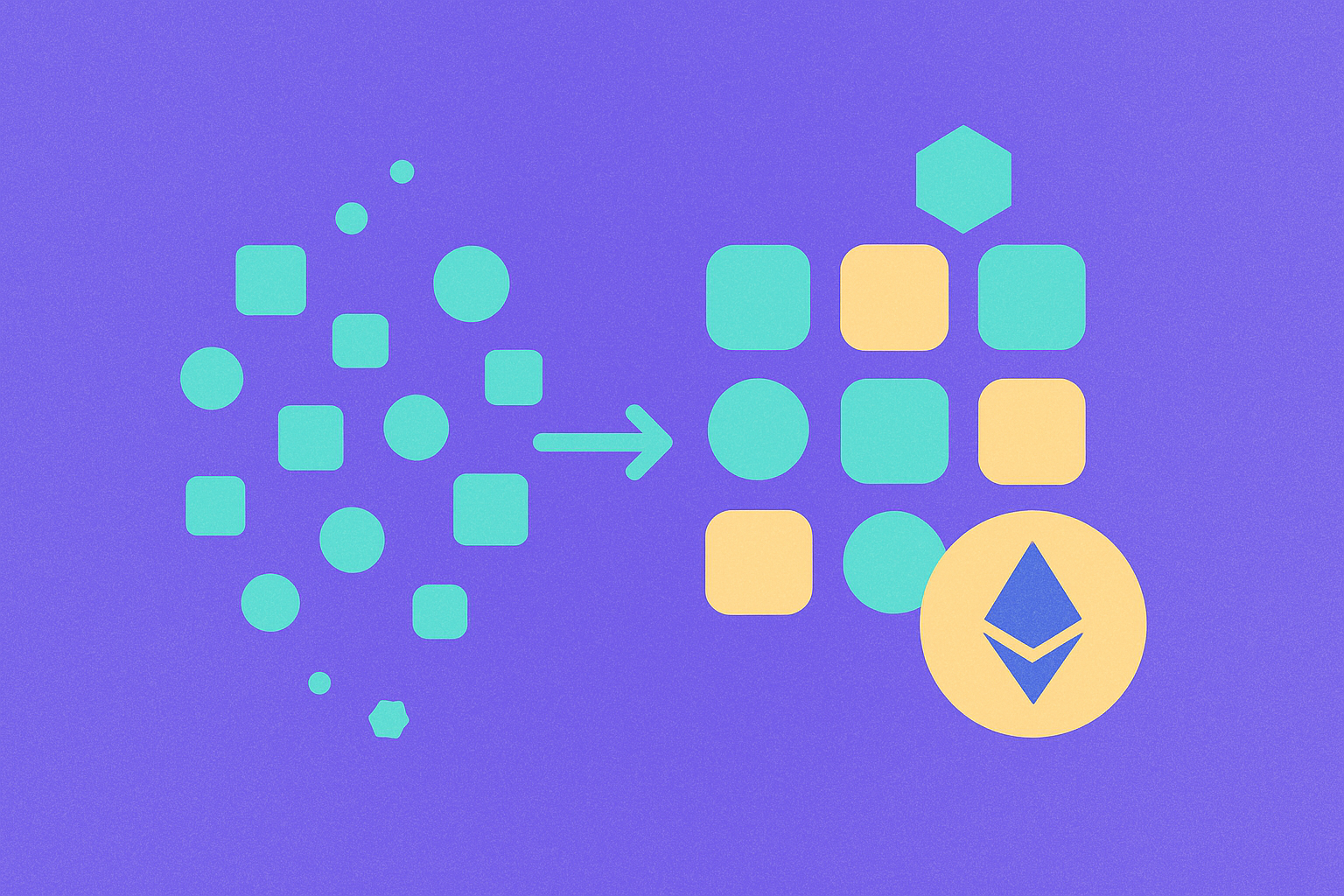
Cryptocurrency wallet addresses present a significant usability challenge in the blockchain ecosystem. These lengthy alphanumeric strings, while essential for secure peer-to-peer transfers, are nearly impossible to memorize and prone to input errors that can result in permanent loss of funds. The Ethereum Name Service (ENS) has emerged as a leading solution to this problem, with millions of registered addresses and growing adoption, making blockchain technology more accessible and user-friendly for mainstream adoption.
What is the Ethereum Name Service (ENS)?
The Ethereum Name Service represents a paradigm shift in how users interact with blockchain addresses. Understanding what is an ENS begins with recognizing it as a decentralized protocol built on the Ethereum blockchain that converts complex wallet addresses into simple, memorable domain names. Similar to how the traditional Domain Name System (DNS) translates website names like Facebook.com into IP addresses, ENS transforms human-readable identifiers such as "dYdX.eth" into 42-character Ethereum wallet addresses.
The service operates entirely through smart contracts, ensuring decentralization and security without relying on centralized authorities. When exploring what is an ENS domain, users who register an ENS domain gain significant flexibility in managing their blockchain presence. They can link a single ENS name to multiple cryptocurrency addresses across different blockchains, create subdomains for organizational purposes, and freely trade their domains as they would any other digital asset. While the native suffix for ENS domains is ".eth", the service demonstrates remarkable interoperability by supporting traditional DNS extensions like ".com" and ".org" for users who wish to import existing domain names into the ENS registry.
How do ENS domains work?
The technical architecture of ENS combines two critical smart contract components: the registry and resolvers. Understanding what is an ENS and how it functions requires examining these components. The registry serves as the foundational data repository that processes and permanently records all ownership information for ENS domains on the Ethereum blockchain. When users wish to acquire an ENS domain, they must either purchase it outright or participate in an auction process if the domain is contested. All transfer and ownership data remains transparent and verifiable on the blockchain, providing indisputable proof of current ownership rights.
Resolvers function as the translation layer in the ENS ecosystem, analogous to servers in the traditional DNS model. These smart contracts perform the crucial task of converting human-readable domain names into machine-executable blockchain addresses. This dual-component system enables ENS to operate with complete decentralization while maintaining the security guarantees of the Ethereum blockchain.
A distinctive feature of ENS domains is their implementation as non-fungible tokens (NFTs). Each domain contains unique metadata and possesses a distinct address on the Ethereum blockchain, making them easily tradeable on NFT marketplaces and straightforward to track. This NFT structure differentiates ENS domains from fungible cryptocurrencies like Bitcoin, where each unit is interchangeable with another.
DNS versus ENS: What's the difference?
While ENS draws conceptual inspiration from the established Domain Name System, the two services operate on fundamentally different principles. When considering what is an ENS compared to DNS, the DNS relies on a centralized registration system where domain purchasers essentially rent their naming rights from centralized registrars who maintain ultimate control. In contrast, ENS operates on Ethereum's decentralized blockchain, where domain holders directly control their assets through smart contracts for the duration of their ownership term.
The ownership model differs significantly between the two systems. DNS domain holders rent their rights from centralized entities and must comply with their terms of service, while ENS domain holders maintain direct control over their NFT metadata until expiration or voluntary renewal. This decentralized approach eliminates single points of failure and censorship risks inherent in centralized systems.
Furthermore, ENS provides access to the full spectrum of Web3 innovations unavailable through traditional DNS. These include direct cryptocurrency transfers to domain names, seamless integration with decentralized applications, and participation in decentralized finance protocols. The DNS, designed for Web2 infrastructure, focuses primarily on translating IP addresses to readable domains for conventional internet browsing. ENS extends this functionality into the blockchain ecosystem, enabling a new generation of decentralized services and interactions.
What are ENS crypto tokens?
In November 2021, the ENS development team introduced the ENS governance token, marking a significant milestone in the protocol's decentralization journey. The initial distribution rewarded early adopters who held ENS domains before October 2021 with free token airdrops, while allocating remaining tokens to core developers and a community treasury to ensure sustainable development.
The ENS token serves as the cornerstone of decentralized governance within the ENS ecosystem. Token holders gain the ability to participate in the ENS Decentralized Autonomous Organization (DAO), where they can submit proposals for protocol improvements and vote on existing proposals. This governance model ensures that the future direction of ENS remains in the hands of its community rather than a centralized development team.
Although the initial airdrop claim period has concluded, ENS tokens remain accessible through numerous cryptocurrency trading platforms, both centralized and decentralized. Interested parties can locate current trading venues by searching for ENS on cryptocurrency price aggregator platforms like CoinMarketCap and reviewing the Markets section, which displays all platforms offering ENS trading pairs and their respective liquidity levels.
ENS registration 101: How to get an ENS domain
Acquiring an ENS domain requires basic familiarity with cryptocurrency wallets and blockchain transactions, but the official ENS application streamlines the process significantly. To fully understand what is an ENS domain in practice, the platform provides an intuitive interface for searching available domains, placing bids, and managing existing NFTs. The registration process follows five essential steps:
First, users must establish an Ethereum-compatible cryptocurrency wallet since ENS operates exclusively on the Ethereum blockchain. MetaMask serves as the most popular choice, offering a free browser extension with widespread compatibility. However, the ENS ecosystem supports dozens of alternatives including various wallet options from leading providers. Prospective buyers should consult the official ENS website for the complete list of supported wallets before making a selection.
Second, users need to fund their chosen wallet with Ether (ETH), Ethereum's native cryptocurrency. This can be accomplished through integrated fiat-to-crypto services like MoonPay, which many wallets offer, or by transferring ETH from established trading platforms to the wallet's public address. All ENS transactions execute on the Ethereum network, requiring ETH for both domain purchases and associated gas fees. Users should research current network gas fees and include these additional costs in their budget calculations.
Third, connecting to the official ENS application at app.ens.domains initiates the domain search process. Users click the Connect button located in the upper right corner and select their specific wallet type. For MetaMask users, this involves clicking the MetaMask icon and entering the wallet password to establish the connection.
Fourth, the domain search and selection phase begins. Users enter desired names into the central search field to check availability. If a domain is already registered, the platform displays its expiration date, allowing users to monitor it for future availability. For available domains, the system presents comprehensive pricing information including the base cost, current gas fees, and ownership duration options. Users configure their preferred terms and confirm the purchase through their connected wallet, then sign the transaction and await blockchain confirmation.
Fifth, after successful domain acquisition, users gain access to extensive customization options through the ENS application's management interface. Beyond cryptocurrency addresses, ENS domains can link to email addresses, websites, and social media profiles. The Settings tab provides comprehensive options for personalizing the domain's functionality and associated information.
Conclusion
The Ethereum Name Service represents a crucial advancement in blockchain usability, transforming complex cryptocurrency addresses into memorable, user-friendly domain names. Understanding what is an ENS is essential for anyone navigating the Web3 ecosystem. By leveraging Ethereum's smart contract capabilities, ENS creates a decentralized naming system that surpasses traditional DNS in flexibility and Web3 integration. The protocol's implementation of domains as NFTs, combined with its governance token and DAO structure, establishes a truly community-driven ecosystem. With its straightforward registration process and extensive customization options, ENS significantly lowers the barrier to entry for mainstream blockchain adoption. As the service continues to grow with millions of registered domains, it demonstrates the viability of decentralized solutions for everyday internet challenges and paves the way for a more accessible Web3 future. Whether for individual users seeking simplified crypto transactions or businesses building decentralized applications, ENS provides essential infrastructure for the evolving digital landscape. What is an ENS? It is the bridge that connects traditional internet usability with blockchain innovation, making decentralized technology accessible to everyone.
FAQ
What is an ENS used for?
ENS simplifies Ethereum blockchain identification by providing human-readable domain names with .eth extensions. It enhances user experience, security, and ease of use in the Web3 ecosystem.
What is an ENS in crypto?
ENS (Ethereum Name Service) is a decentralized system that simplifies crypto transactions by linking human-readable names to Ethereum addresses, similar to how DNS works for websites.
What does the ENS stand for?
ENS stands for Ethereum Name Service. It's a decentralized naming system built on the Ethereum blockchain, allowing users to replace complex addresses with human-readable names.

Exploring the Future with Soulbound Blockchain Tokens

Understanding Ethereum Name Service: What ENS Means in Crypto

Exploring Soulbound Tokens in the Web3 Ecosystem

Guide to Acquiring ENS Domains

Understanding Ethereum Name Service: A Guide to Crypto Domain Names

Fundamentals and Potential of Soulbound Token NFTs
How to Evaluate Crypto Community and Ecosystem Activity: Twitter Followers, Developer Contributions, and DApp Growth in 2026

What is cryptocurrency regulatory compliance and why does it matter for investors in 2026

What is the fundamental analysis of cryptocurrency projects: whitepaper logic, use cases, technical innovation, and team background explained
XEN Crypto and Major Wallet Platform Collaboration: Pioneering Gas Subsidy Initiative

What impact do cryptocurrency regulatory compliance and KYC/AML policies have on crypto market adoption in 2026