How Long Do Cryptocurrency Exchange Withdrawals Take: A Comprehensive Guide

Understanding the Mechanics of Cryptocurrency Withdrawals
In the fast-paced world of cryptocurrency trading, the speed at which you can withdraw your funds from an exchange is an essential factor that directly impacts trading efficiency and investment flexibility. Understanding the withdrawal process is crucial for both novice and experienced traders who need to move assets quickly between platforms or convert digital currencies to fiat money.
Cryptocurrency withdrawals involve multiple steps: the exchange processes your request, broadcasts the transaction to the blockchain network, and miners or validators confirm the transaction. Each step introduces variables that can affect the overall processing time. While different exchanges have varying processing times, established and regulated platforms are known for implementing robust security measures that, while potentially adding processing time, significantly enhance fund safety.
Many users frequently ask: how long do cryptocurrency exchange withdrawals take? This question is not just about mere curiosity—it can be crucial for those who depend on swift transactions for investment decisions, arbitrage opportunities, or time-sensitive trading strategies. The answer, however, is not straightforward, as multiple factors influence withdrawal speeds.
Factors Influencing Withdrawal Times
Several critical factors can significantly affect how long a withdrawal might take on cryptocurrency exchanges. Understanding these variables helps users plan their transactions more effectively:
-
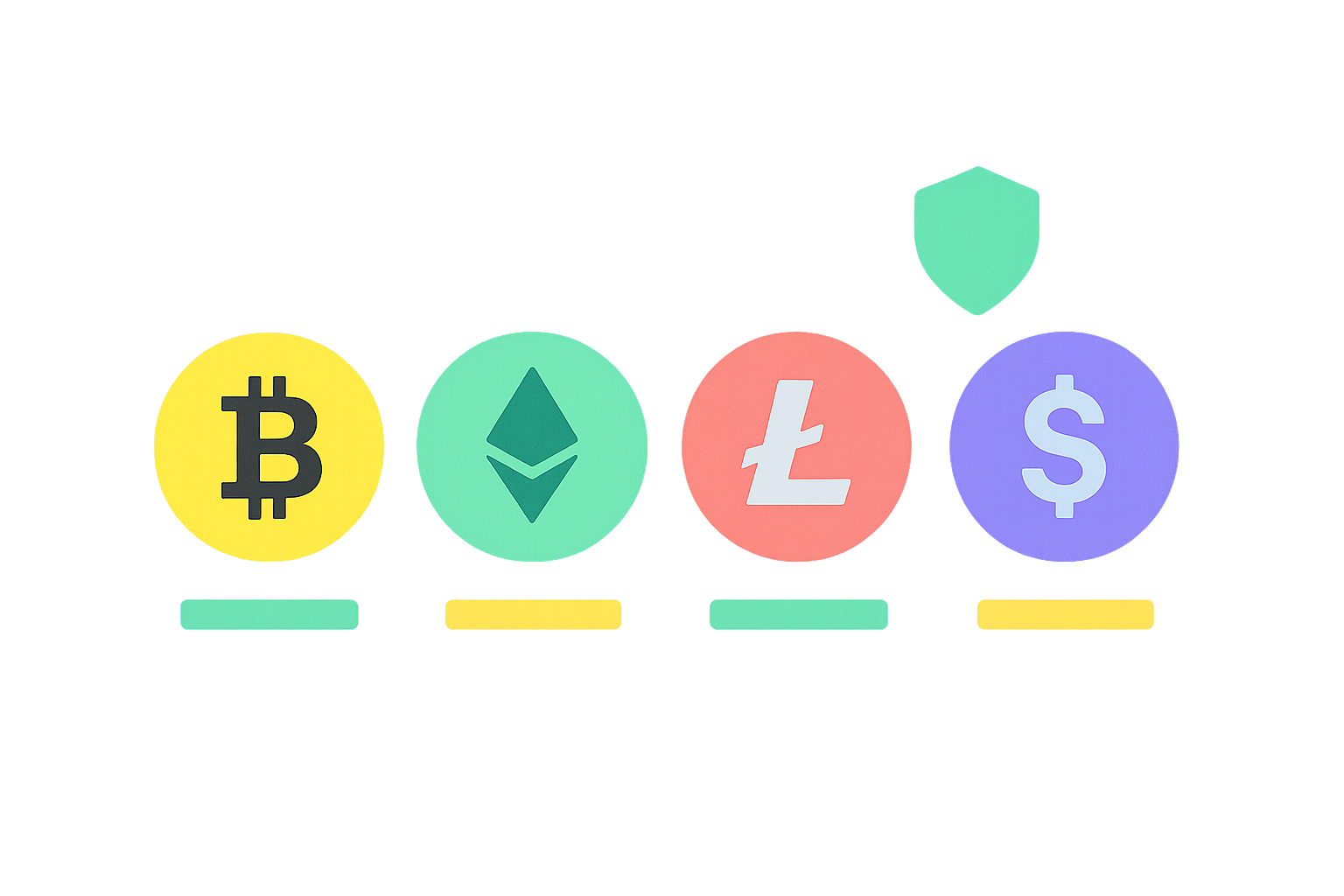
Type of Cryptocurrency or Fiat: The nature of the currency being withdrawn greatly influences the time it takes. Generally, fiat withdrawals such as USD or EUR might involve traditional bank processing times, which typically range from one to several business days due to intermediary financial institutions and regulatory compliance checks. In contrast, cryptocurrencies like Bitcoin, Ethereum, or Litecoin move through different blockchain networks, each with its own characteristics. For example, Bitcoin's block time is approximately 10 minutes, while Ethereum processes blocks roughly every 12-15 seconds. However, the number of confirmations required by the exchange can extend the actual withdrawal time significantly.
-
Verification Level: Major cryptocurrency exchanges prioritize account security and operate on a tiered verification system based on Know Your Customer (KYC) and Anti-Money Laundering (AML) regulations. Higher verified accounts—those that have completed comprehensive identity verification including government-issued ID, proof of address, and sometimes additional documentation—may experience faster withdrawal times. These accounts are given priority due to their identification assurance and lower risk profile. Lower-tier accounts might face withdrawal limits or additional manual review processes that can delay transactions.
-
Network Congestion: This applies particularly to cryptocurrencies and represents one of the most variable factors. During peak times on a blockchain—such as during market volatility, popular NFT drops, or DeFi protocol launches—the level of congestion can significantly delay processing times. When many users compete to have their transactions included in the next block, transaction fees increase and processing times extend. Each blockchain varies in its capacity and speed: Bitcoin can handle approximately 7 transactions per second, Ethereum processes around 15-30 transactions per second, while newer blockchains like Solana can handle thousands of transactions per second.
-
Exchange Conditions: Occasionally, the platform's own regulatory checks, scheduled or emergency system maintenance, security audits, or unprecedented demand can impact withdrawal speeds. Exchanges may temporarily pause withdrawals during system upgrades or when implementing new security features. Additionally, during extreme market volatility, some platforms implement risk management protocols that may slightly delay large withdrawals for additional verification.
-
Withdrawal Method: The specific withdrawal method chosen also affects processing time. Direct blockchain withdrawals are typically faster than withdrawals through intermediary payment processors. For fiat withdrawals, wire transfers usually process faster than ACH transfers, though they may involve higher fees.
Estimated Withdrawal Times
Understanding typical withdrawal timeframes helps users plan their transactions and set realistic expectations. However, these are general estimates and actual times may vary based on the factors discussed above.
Cryptocurrency Withdrawals
Cryptocurrency withdrawals on major exchanges generally take between 30 minutes to a few hours under normal network conditions. This timeframe can extend significantly with network congestion or during periods of high trading volume. Here's a detailed rundown of typical withdrawal times for popular cryptocurrencies:
-
Bitcoin (BTC): Usually processes within an hour under normal conditions, but may occasionally take several hours during network congestion. Bitcoin's withdrawal time depends on the number of confirmations required (typically 3-6 confirmations) and the transaction fee paid. Higher fees incentivize miners to prioritize your transaction. During periods of extreme network activity, withdrawals with standard fees might take several hours or even longer.
-
Ethereum (ETH): Processing might complete within a few minutes to an hour, as Ethereum's faster block time allows for quicker confirmations. However, during periods of high demand—such as during popular NFT mints or DeFi protocol activities—gas fees spike dramatically and processing times can extend. The network's transition to Proof of Stake has generally improved consistency in block times.
-
Litecoin (LTC): Known for its speed and lower transaction fees, LTC withdrawals are often rapid, usually finalizing within 15-30 minutes. Litecoin's 2.5-minute block time and lower network congestion make it a popular choice for users prioritizing speed.
-
Stablecoins (USDT, USDC): Withdrawal times vary depending on the blockchain network used. ERC-20 tokens on Ethereum may take longer during congestion, while TRC-20 tokens on Tron typically process faster with lower fees. Many exchanges now support multiple networks for stablecoin withdrawals, allowing users to choose based on their speed and cost preferences.
-
Other Altcoins: Newer blockchain networks like Solana, Avalanche, or Polygon often offer near-instant withdrawals (within minutes) due to their high throughput and low congestion levels.
Fiat Currency Withdrawals
Fiat withdrawals typically take longer than cryptocurrency withdrawals due to the involvement of traditional banking systems, intermediary checks, and longer settlement periods. The banking infrastructure operates on business days and is subject to regulatory oversight that requires additional processing time:
-
USD Withdrawals: Can range from 1 to 5 business days, depending on the withdrawal method and the receiving bank's processes. Wire transfers typically process within 1-2 business days, while ACH transfers may take 3-5 business days. International wire transfers might take longer and involve additional correspondent banks.
-
EUR Withdrawals: Normally take about 1 to 3 business days within SEPA (Single Euro Payments Area) zones, which covers most European countries. SEPA transfers are generally faster and less expensive than traditional international wire transfers. Withdrawals to non-SEPA countries may take longer and incur higher fees.
-
GBP Withdrawals: Typically process within 1-3 business days using the Faster Payments Service (FPS) in the United Kingdom, which enables near-instant transfers between UK bank accounts.
-
Other Currencies: May experience varying times based on the banking systems involved, international correspondent banking relationships, and local regulatory requirements. Some currencies may require additional compliance checks or involve multiple intermediary banks, extending processing times to a week or more.
It's important to note that "business days" exclude weekends and public holidays, so withdrawals initiated on Fridays may not begin processing until the following Monday.
Expediting Your Withdrawals
While cryptocurrency exchanges implement various security measures and processes that affect withdrawal times, there are several proactive steps you can take to potentially speed up the process and ensure smoother transactions:
-
Upgrade Your Verification Level: Complete the highest level of identity verification available on the platform. Higher verification tiers not only unlock faster processing times but also increase withdrawal limits and access to additional features. This typically involves submitting government-issued identification, proof of residence, and sometimes a selfie for facial recognition verification. While the initial verification process may take time, it significantly streamlines future withdrawals.
-
Plan Withdrawals During Off-Peak Hours: Avoid common times of high traffic, such as Monday mornings when markets open, Friday afternoons when traders close positions, or periods surrounding major market-moving events. Weekends often see lower trading volumes and less network congestion, potentially resulting in faster processing. Additionally, avoid initiating withdrawals during or immediately after major cryptocurrency price movements, as these periods typically see surges in transaction volume.
-
Monitor Network Conditions: Keep an eye on blockchain network congestion before initiating withdrawals. Various tools and websites provide real-time information about network congestion and recommended transaction fees. For Bitcoin, you can check mempool status; for Ethereum, gas fee trackers show current network conditions. Timing your withdrawals during periods of lower congestion can significantly reduce processing times and transaction costs.
-
Choose Optimal Networks: When withdrawing tokens available on multiple blockchain networks (such as USDT or USDC), select networks with lower congestion and faster confirmation times. While Ethereum offers the highest security and liquidity, networks like Tron, Binance Smart Chain, or Polygon often provide faster and cheaper withdrawals. Ensure the receiving platform supports your chosen network to avoid loss of funds.
-
Pay Appropriate Transaction Fees: For cryptocurrency withdrawals, some exchanges allow you to adjust transaction fees. Paying slightly higher fees can incentivize miners or validators to prioritize your transaction, significantly reducing processing time. However, balance speed needs against cost considerations.
-
Maintain Accurate Account Information: Ensure all account information, including email addresses, phone numbers, and security settings, is current and accurate. Outdated information can trigger additional verification steps that delay withdrawals. Regularly review and update your account details.
-
Use Whitelisted Addresses: Some exchanges offer address whitelisting features, where you pre-approve specific withdrawal addresses. Transactions to whitelisted addresses often process faster as they bypass certain security checks. While this requires advance planning, it can significantly expedite urgent withdrawals.
-
Avoid Suspicious Patterns: Large or unusual withdrawal patterns may trigger additional security reviews. If you need to make a large withdrawal, consider contacting customer support in advance to notify them, potentially avoiding automated security holds.
A Few Words on Security and Reliability
Security measures implemented by established cryptocurrency exchanges are robust and comprehensive, representing one of the primary reasons many traders trust these platforms for conducting significant transactions. While processing speeds may occasionally lag behind some decentralized exchanges or newer platforms with less stringent security protocols, the reliability, in-depth security features, and regulatory compliance of major exchanges compensate largely for any minor delays.
These platforms employ multiple layers of security including:
-
Cold Storage: The majority of user funds (typically 90-95%) are kept in offline cold storage wallets, protected from online threats and hacking attempts.
-
Multi-Signature Wallets: Withdrawal transactions require multiple authorized signatures, preventing unauthorized access even if one security key is compromised.
-
Two-Factor Authentication (2FA): Users should always enable 2FA using authenticator apps rather than SMS, as app-based authentication provides stronger security against SIM-swapping attacks.
-
Withdrawal Whitelists and Time Locks: These features allow users to specify approved withdrawal addresses and implement mandatory waiting periods for new addresses, providing additional time to detect and prevent unauthorized transactions.
-
Real-Time Monitoring: Advanced systems continuously monitor for suspicious activities, unusual transaction patterns, and potential security threats.
Whenever moving funds, ensure to double-check recipient addresses character by character, as cryptocurrency transactions are irreversible. Consider sending a small test transaction first when withdrawing to a new address. Leverage all available security features such as two-factor authentication, email confirmations, and withdrawal address whitelisting to protect your assets.
The temporary inconvenience of additional security checks is a worthwhile trade-off for the peace of mind that comes with knowing your funds are protected by industry-leading security measures. In the cryptocurrency space, where irreversible transactions and sophisticated hacking attempts are common, prioritizing security over speed is often the wisest approach.
Your Funds, Your Timeline
Now, having a deeper understanding of how long cryptocurrency exchange withdrawals take empowers you to time your transactions strategically in line with your needs and circumstances. The withdrawal process involves a complex interplay of factors including blockchain network conditions, exchange security protocols, verification levels, and traditional banking systems for fiat currencies.
Staying informed about current market conditions, monitoring network congestion and transaction fees, and utilizing platform features for maximum efficiency ensures a smoother and more predictable withdrawal experience. By understanding the variables that affect processing times, you can make informed decisions about when to initiate withdrawals, which networks to use, and how to balance speed against security and cost considerations.
The landscape of cryptocurrency is ever-evolving, with continuous improvements in blockchain technology, exchange infrastructure, and regulatory frameworks. New layer-2 solutions and cross-chain bridges are constantly emerging to address speed and cost challenges. Staying updated on these developments can result in smarter, safer decisions—especially where your assets are concerned.
Remember that while speed is important, security should never be compromised. The most successful cryptocurrency users are those who plan ahead, understand the systems they're using, and prioritize the safety of their assets while optimizing for efficiency. By applying the knowledge and strategies outlined in this guide, you can navigate the withdrawal process with confidence and minimize unnecessary delays or complications.
FAQ
How long do cryptocurrency exchange withdrawals typically take?
Cryptocurrency exchange withdrawals typically take up to 12 hours. Processing times vary depending on the exchange and network conditions. Withdrawal times are not guaranteed to be instant.
What are the main factors affecting cryptocurrency withdrawal speed?
Blockchain network congestion and transaction volume are primary factors. During peak periods, high transaction volume slows confirmation speed. Large withdrawals should avoid peak times for faster processing.
Why do cryptocurrency withdrawals sometimes take a long time to arrive?
Cryptocurrency withdrawals may take longer due to network congestion, high transaction volume, blockchain confirmation requirements, and third-party wallet processing delays. These factors collectively extend settlement times.
Do different cryptocurrency exchanges have different withdrawal speeds?
Yes, withdrawal speeds vary significantly across exchanges due to different policies, blockchain networks, and processing systems. Factors include verification levels, asset type, network congestion, and withdrawal method. Some exchanges process faster through optimization, while others may take longer. Choose based on your needs.
How to speed up cryptocurrency exchange withdrawals?
To accelerate withdrawals, complete identity verification first, use standard networks like Ethereum or Bitcoin, ensure sufficient balance for fees, withdraw during low-traffic periods, and select priority processing options if available. Faster networks and proper account setup reduce processing time significantly.
Does selecting network fees when withdrawing cryptocurrency affect arrival time?
Yes. Higher network fees typically accelerate transaction confirmation and reduce arrival time, while lower fees may prolong the process. Arrival time depends on both fee selection and current network conditions.
Is there a difference in withdrawal speed between cold wallets and hot wallets?
Yes, there is a difference. Withdrawals to hot wallets are typically faster because they are connected to the internet. Withdrawals to cold wallets are slower due to additional security verification processes, but they offer better security for long-term storage.
How is the security of cryptocurrency withdrawals guaranteed?
Cryptocurrency withdrawal security relies on strong personal passwords, two-factor authentication, and secure wallet addresses. Always verify withdrawal addresses carefully, use reputable platforms, and enable all available security features to protect your assets during transfers.

Understanding Cryptocurrency Fees on Coins.ph

How to Sell Pi Coin: A Comprehensive Guide for 2025

Guide to Selling Pi Coin in Nigeria Securely
How to Cash Out Crypto on Robinhood

Can You Send Crypto to Robinhood? Understanding the Platform's Limitations and Future

How to Withdraw from Cryptocurrency Exchanges Efficiently

Why is Dogecoin Rising?
Telegram Crypto Wallet: Your Ultimate Guide

How to Look Up Airdrop History: A Comprehensive Guide
Dogecoin (DOGE) Price Prediction: Market Forecast and Analysis

How to Sell XRP on CoinSpot: Step-by-Step Guide