

How Much Is One 24k Gold Bar Worth: Latest Value & Crypto Insights
Understanding the Value of a 24k Gold Bar
When searching for how much is one 24k gold bar worth, investors are typically seeking comprehensive information about current pricing, value determinants, and how gold fits into the modern digital asset landscape. In the world of precious metals, a 24k gold bar represents the highest level of purity—containing 99.99% pure gold content—making it the ultimate benchmark for both serious investors and collectors worldwide.
The pricing of a 24k gold bar varies based on weight, with the standard 1-kilogram bar being the most commonly traded size in institutional markets. Historically, the price of a 1-kilogram 24k gold bar has ranged between $73,000 and $75,000 USD, though this fluctuates continuously based on real-time spot prices and market demand dynamics. Smaller bars, such as 100-gram or 10-gram options, offer more accessible entry points for retail investors while maintaining the same purity standards.
The 24k designation is crucial because it indicates maximum purity without any alloy additions. This pure gold content makes 24k bars softer and more malleable than lower-karat alternatives, but also more valuable per unit weight. Understanding this purity-price relationship is essential for anyone evaluating gold investment opportunities.
Market Trends and Price Drivers for 24k Gold Bars
Gold's value is influenced by a complex interplay of several key factors that investors must monitor closely. Global economic conditions serve as the primary driver, with economic uncertainty typically pushing gold prices higher as investors seek safe-haven assets. Inflation rates directly impact gold's appeal, as the precious metal has historically maintained purchasing power during periods of currency devaluation.
Geopolitical stability—or lack thereof—creates immediate price movements in gold markets. For example, during periods of international tension or conflict, gold prices often surge as investors move capital away from riskier assets. Central bank policies, particularly interest rate decisions and quantitative easing programs, significantly affect gold valuations since higher interest rates typically strengthen currencies and reduce gold's relative appeal.
According to research from the World Gold Council, gold demand has shown consistent growth patterns, with institutional buying and retail investment driving much of this increase. In recent periods, demand surged by approximately 7% quarter-over-quarter, reflecting renewed interest in tangible assets amid economic uncertainty.
The spot price of gold updates every few seconds during active trading hours across major exchanges in London, New York, and Asia. Historical data shows the spot price hovering around $75 per gram during peak periods, which translates to approximately $75,000 for a standard 1-kilogram 24k gold bar. However, buyers should note that retail prices typically include premiums above spot price, covering minting costs, distribution, and dealer margins.
Additionally, gold's exceptional liquidity and universal acceptance across cultures and borders make it a preferred safe-haven asset during turbulent times. Unlike many investments, physical gold requires no counterparty to maintain its value. However, practical considerations such as transaction costs, secure storage fees, authentication expenses, and verification processes can affect the net value received by sellers or realized by buyers.
Comparing Gold Bars and Digital Assets
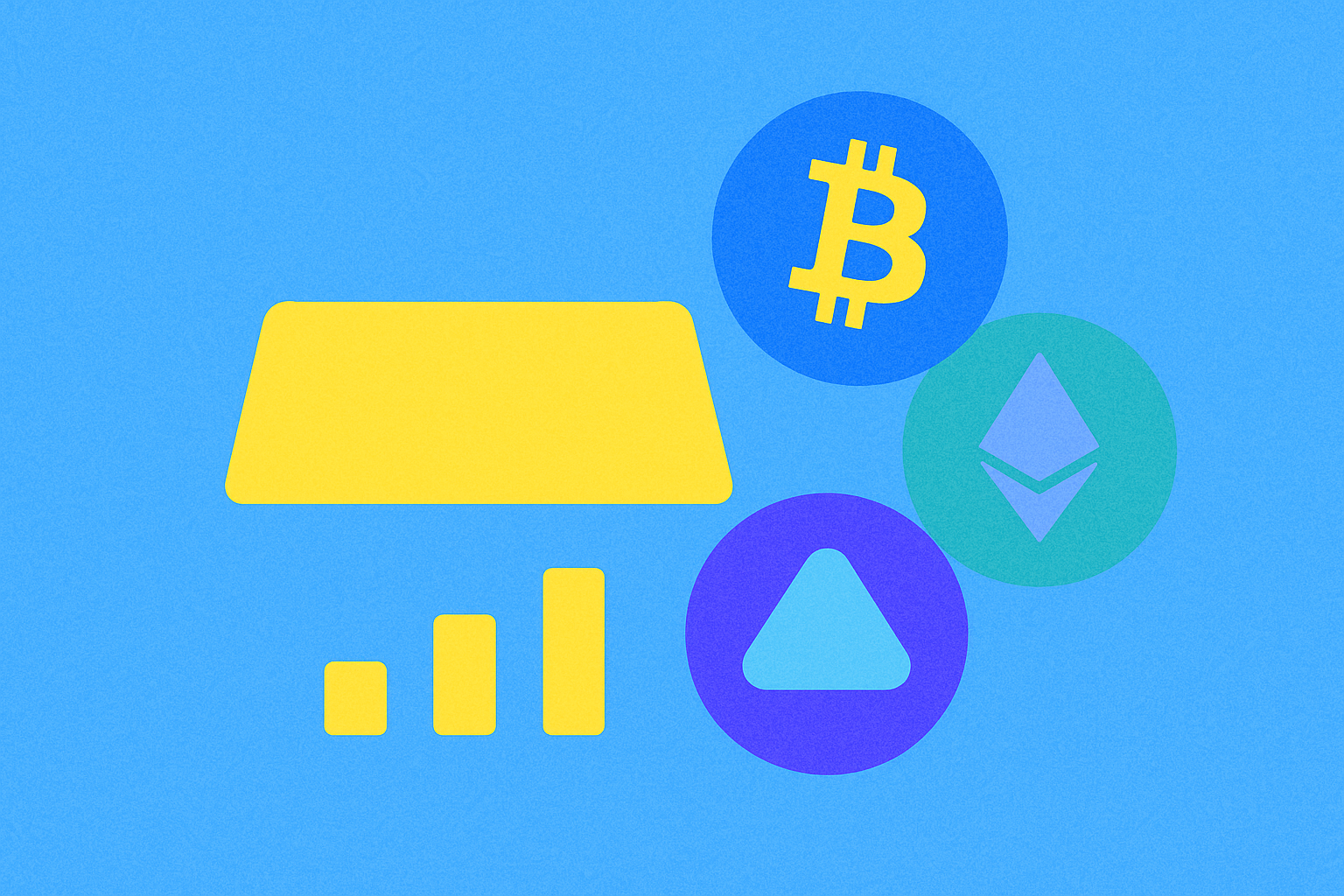
With the rapid advancement of blockchain technology, a growing number of investors are conducting comparative analyses between physical 24k gold bars and digital assets such as Bitcoin, Ethereum, and other cryptocurrencies. This comparison reveals distinct advantages and limitations for each asset class.
A 24k gold bar offers tangible, physical security backed by thousands of years of historical trust and acceptance. Gold's value is universally recognized, making it easily tradable across international borders without technological dependencies. The physical nature of gold provides psychological comfort to many investors who value holding a tangible asset. Furthermore, gold has demonstrated remarkable stability over centuries, maintaining purchasing power through countless economic cycles and political upheavals.
Conversely, cryptocurrencies provide revolutionary advantages in terms of borderless transferability and programmability. Digital assets can be transferred globally within minutes, without physical transportation costs or customs complications. The programmable nature of blockchain technology enables sophisticated financial applications impossible with physical gold. Historical data shows Bitcoin's market capitalization has exceeded $1.2 trillion during peak periods, with daily trading volumes surpassing $30 billion, highlighting the explosive growth and liquidity in digital asset markets.
However, digital assets face challenges including regulatory uncertainty, technological risks, and extreme price volatility. While a 24k gold bar might fluctuate 1-2% in value over a month, cryptocurrencies can experience 10-20% swings in a single day. The choice between physical gold and digital assets ultimately depends on individual risk tolerance, investment timeline, technological comfort level, and portfolio diversification strategy.
Many sophisticated investors now adopt a hybrid approach, allocating portions of their portfolio to both physical gold and digital assets to capture the benefits of each while mitigating their respective limitations.
Common Misconceptions and Security Tips
Many newcomers to precious metals investment harbor misconceptions that can lead to suboptimal decisions. A prevalent belief is that the value of a 24k gold bar remains fixed or immune to market fluctuations. In reality, gold prices fluctuate continuously throughout each trading day based on global supply and demand dynamics, currency movements, and shifting investor sentiment. Understanding this volatility is crucial for timing purchases and sales effectively.
Another common misconception involves liquidity assumptions. Not all gold bars trade equally easily in the market. Bars from reputable mints such as PAMP Suisse, Credit Suisse, or government mints come with proper certification and assay documentation, making them significantly easier to trade and often commanding premium prices. Conversely, bars from unknown sources may face skepticism and require expensive independent verification before sale.
Security considerations differ dramatically between physical and digital assets. Physical gold requires robust security measures including safe deposit boxes, home safes meeting specific security ratings, and comprehensive insurance coverage. Storage costs can range from $100 to $500 annually depending on the amount and storage method chosen. Additionally, physical gold faces risks of theft, loss, or damage that must be actively managed.
For investors holding both physical gold and digital assets, implementing a multi-layered security approach is essential. This includes geographical diversification of physical holdings, using multiple storage facilities, maintaining detailed documentation and photographs, and regularly verifying holdings. For digital assets, security demands include hardware wallet storage, multi-signature authentication, secure backup procedures, and careful protection of private keys and recovery phrases.
Investors should also be aware of authentication risks. Counterfeit gold bars do exist in the market, making it critical to purchase only from established dealers and to verify authenticity through professional testing when acquiring bars from secondary markets.
Latest Developments and On-Chain Insights
The intersection of traditional gold investment and blockchain technology represents one of the most exciting developments in modern finance. In recent periods, institutional adoption of gold-backed tokens has accelerated significantly, with numerous investment funds launching regulated products that precisely track the price of physical 24k gold bars while offering the convenience of digital trading.
These tokenized gold products typically represent ownership of physical gold stored in secure vaults, with each token backed by a specific quantity of 24k gold. This innovation allows investors to gain gold exposure without handling physical bars, while maintaining the ability to redeem tokens for physical gold if desired. The transparency of blockchain technology enables real-time verification of gold reserves backing each token, addressing trust concerns that have historically plagued paper gold products.
On-chain data analytics reveal compelling trends in this emerging sector. Analysis shows a steady increase in unique wallet addresses holding tokenized gold, reflecting growing trust in blockchain-based representations of physical assets. Transaction volumes for gold-backed tokens have grown substantially, indicating increasing liquidity and market acceptance.
Furthermore, decentralized finance (DeFi) protocols are beginning to integrate gold-backed tokens, enabling novel use cases such as using tokenized gold as collateral for loans or participating in yield-generating strategies while maintaining gold exposure. These developments bridge the traditional stability of 24k gold bars with the innovative capabilities of blockchain technology.
Regulatory frameworks are also evolving to accommodate these hybrid products, with several jurisdictions establishing clear guidelines for gold-backed digital assets. This regulatory clarity is attracting institutional capital and traditional finance participants to explore blockchain-based gold investment products.
The convergence of physical gold and digital technology suggests a future where investors can seamlessly move between holding physical 24k gold bars and digital representations, choosing the format that best suits their immediate needs while maintaining consistent value exposure to gold as an asset class.
FAQ
What is the current market price of a 24k gold bar?
A 24k gold bar currently trades around $60-65 per gram, varying by weight and purity certification. Prices fluctuate based on global spot gold rates and market conditions.
What factors affect the price of 24k gold bars?
24k gold bar prices are influenced by global economic conditions, investor sentiment, currency fluctuations, and geopolitical events. During economic uncertainty, gold demand increases, driving prices higher. Supply-demand dynamics and central bank policies also play crucial roles in price movements.
What are the advantages and disadvantages of gold bars compared to cryptocurrencies as investment assets?
Gold bars offer stability and tangible asset backing with lower volatility, ideal for long-term preservation. Cryptocurrencies provide higher growth potential and liquidity but with greater volatility. Gold suits conservative investors; crypto appeals to those seeking exponential returns and digital-native portfolios.
How to buy and store 24k gold bars?
Purchase 24k gold bars from reputable financial institutions or professional gold dealers. Store securely in bank safe deposit boxes or professional vault facilities with surveillance and insurance coverage for maximum protection.
What is the difference between gold-backed crypto tokens (such as PAXG) and physical gold bars?
Gold-backed crypto tokens like PAXG represent physical gold on blockchain, enabling 24/7 trading and instant transfers. Unlike physical bars, they offer digital liquidity, lower storage costs, and fractional ownership, though prices fluctuate with market conditions.
Why is the purity of gold bars important? What is the difference between 24K and other purities?
Gold purity directly affects intrinsic value. 24K gold is 99.99% pure, compared to 18K (75%) and 14K (58.5%), making 24K significantly more valuable and desirable for investment and storage.
Investing in gold bars involves risks like price volatility and liquidity issues, plus tax implications on profits from sales. High transaction costs and depreciation over time are also concerns.
Gold bar investments face price volatility risks, liquidity constraints, and significant tax obligations on profits. High bid-ask spreads, storage costs, and limited redemption channels from banks further reduce returns. Capital gains taxes apply to sales proceeds.

How Will Chainlink's Fundamentals Impact LINK's Price in 2030?

How Does Hedera's Community and Ecosystem Activity Compare to Other Cryptocurrencies in 2025?

Discover the TOKEN2049 Conference happening in Dubai!

Understanding Scala and Tokenizing Real World Assets

What is Canton Network (CC) Coin? Complete Fundamental Analysis of Whitepaper, Technology, and Team Background

Transforming Asset Management Through Tokenization

Marina Protocol Daily Quiz Answer Guide
How to Verify BTC on Cash App

How Many ETH Coins Are There: Understanding Ethereum's Supply Dynamics

Login Raspberry Pi From Outside Network Securely
How to Withdraw from Revolut: A Complete Guide
