How to Obtain Free Cryptocurrencies: Simple and Reliable Methods
Introduction to Accessible Cryptocurrencies
The cryptocurrency ecosystem has undergone a remarkable transformation in recent years, shifting from an exclusive domain for high-capital investors to an inclusive community open to all. Bitcoin, Ethereum, and thousands of other cryptocurrencies are not just digital assets—they represent a blockchain-driven technological revolution that is reshaping global finance.
Many prospective users are unaware of the legitimate, secure avenues for acquiring cryptocurrencies without any initial investment. These opportunities let newcomers explore essential concepts such as digital wallets, blockchain transactions, and crypto asset management while accumulating small amounts of tokens that may appreciate in the future.
From educational programs that reward learning to community-driven initiatives promoting technological adoption, the crypto space offers a wide range of entry points. These alternatives not only democratize access to cryptocurrencies but also create practical learning experiences that allow users to engage without significant financial risk.
Key Ways to Acquire Free Cryptocurrencies
Airdrops: Free Token Distribution
Airdrops are among the most widely used marketing strategies in blockchain. In an airdrop, a crypto project distributes free tokens to users as part of its launch or promotional campaign. Both the project—gaining visibility and a user base—and the participants—receiving digital assets at no cost—benefit from this approach.
Typical airdrop participation involves simple actions such as:
- Registering on the project’s official platform
- Following official social media accounts (Twitter, Telegram, Discord)
- Sharing project-related posts or content
- Completing basic information forms
- Joining communities and engaging in discussions
Many airdrops feature referral programs that boost rewards. By inviting others to join using your unique link, you can earn additional cryptocurrency bonuses. Some well-known projects have distributed tokens that later became highly valuable, turning these free opportunities into real windfalls.
Always verify the legitimacy of each airdrop before participating—research the project team, review the whitepaper, and check the community’s credibility.
Faucets: Small, Steady Rewards
Crypto faucets act as digital “taps,” paying out small amounts of tokens for simple tasks. While the individual payouts are modest, these services provide a practical, low-risk way for beginners to experience real crypto transactions.
Common faucet activities include:
- Solving security captchas
- Visiting specific web pages for a set duration
- Watching advertisements
- Completing brief surveys
- Playing integrated mini-games
Faucets are especially helpful for new users learning to:
- Set up and manage a digital wallet
- Send and receive blockchain transactions
- Understand public addresses and network confirmations
- Experiment with different cryptocurrencies
While progress can be slow, many see faucets as a “hands-on classroom” where the true value is the experience—not the small sums earned. Some long-standing faucets have built loyal user communities, launching many crypto journeys.
Play-to-Earn: Reward-Based Gaming
The Play-to-Earn (P2E) revolution has changed gaming by introducing digital economies in which players own and monetize their in-game achievements. Blockchain games incorporate NFTs and proprietary cryptocurrencies, earned through missions, battles, or in-game economic activity.
Leading P2E games include:
- Axie Infinity: Collect and battle NFT creatures
- The Sandbox: Metaverse for creating, sharing, and monetizing gaming experiences
- Decentraland: Virtual world where land and assets are tradeable NFTs
- Gods Unchained: NFT-based collectible card game
Note that many P2E games require upfront investment—such as buying NFT characters or access passes. However, some offer scholarships or limited free modes so new players can try before committing funds.
P2E’s benefits extend beyond financial gain:
- True ownership of digital assets
- Community-driven, decentralized economies
- Opportunities for global social interaction
- Development of strategic and resource management skills
The long-term sustainability of these ecosystems hinges on balancing fun gameplay with economic viability—so always research projects before investing substantial time.
Staking: Earn Rewards by Securing the Network
Staking offers passive income by supporting blockchain network security and operations. Available on networks using Proof of Stake (PoS) and similar consensus mechanisms, staking selects validators based on the amount of tokens locked (“staked”) in the network.
How Staking Works:
When you stake your crypto, you lock it in a smart contract or special wallet for a set period. In return, you receive regular rewards—usually additional tokens of the same type. Annual yields vary by network, typically ranging from 4% to 20%.
Staking Advantages:
- Predictable passive income without trading
- Directly support network decentralization and security
- Lower energy use compared to traditional mining
- Flexible withdrawal options (subject to unlocking periods) on many platforms
Key Considerations:
- Lock-up period: Some networks require tokens to remain staked for weeks or months
- Slashing risk: Malicious activity can result in token loss on certain blockchains
- Market volatility: The fiat value of rewards may fluctuate
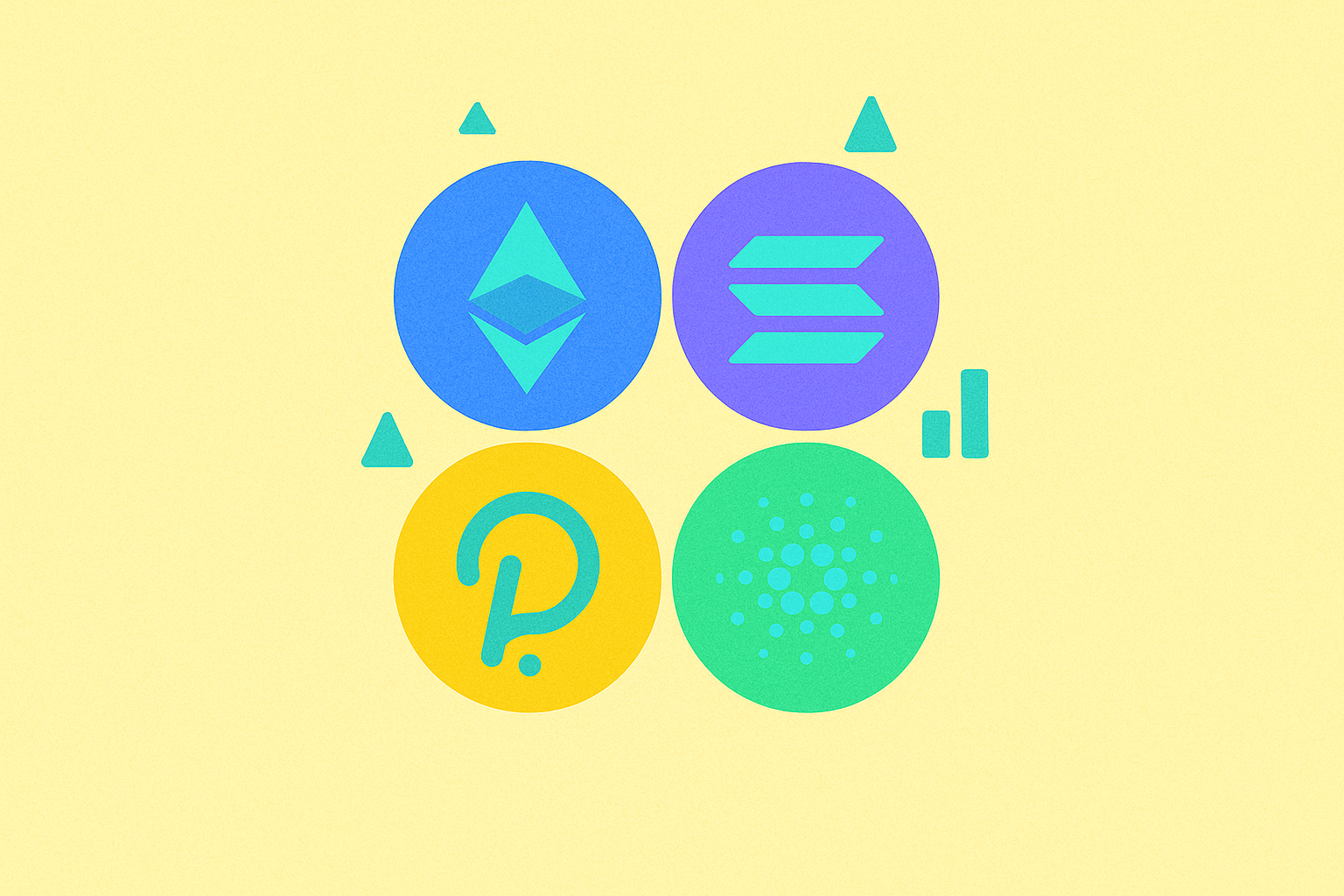
Popular staking networks include Ethereum (post-PoS), Cardano, Polkadot, Solana, and others, each with unique features and returns.
Yield Farming: Maximizing DeFi Returns
Yield Farming, also called “performance farming,” is an advanced DeFi strategy. Users maximize returns by providing liquidity to decentralized protocols, automated market makers (AMMs), and lending platforms.
How Yield Farming Works:
Users deposit crypto pairs into liquidity pools—smart contracts that facilitate token swaps. For example, you might deposit ETH and USDC. In exchange, you receive:
- Transaction fees: A share of fees paid on swaps
- Governance tokens: Many protocols reward liquidity providers with native tokens
- LP Tokens: Represent your pool share and can be used in other protocols
Common Yield Farming Strategies:
- Simple liquidity provision: Deposit tokens into a single protocol
- Yield stacking: Use LP tokens in multiple protocols to boost returns
- Yield switching: Move funds between pools to chase higher yields
Yield Farming Risks:
- Impermanent loss: When token prices shift significantly after deposit
- Smart contract risk: Code vulnerabilities may cause loss of funds
- Rug pulls: Fraudulent projects that disappear with user funds
- Extreme volatility: APYs can swing rapidly
Yield Farming demands technical expertise and a strong grasp of risk. Start with established, audited protocols and small amounts until you understand the mechanics.
Learn-and-Earn Programs: Incentivized Education
Learn-and-Earn programs are an especially valuable way to earn free crypto, combining high-quality education with tangible rewards. Many platforms have launched these initiatives to promote blockchain and crypto adoption and literacy.
Learn-and-Earn Program Features:
They typically include:
- Structured courses: Video or text lessons on blockchain basics, DeFi, NFTs, and more
- Interactive quizzes: Assess comprehension
- Instant rewards: Tokens credited to your wallet upon completing modules
- Digital certificates: Some programs offer verifiable blockchain credentials
Multiple Benefits:
- Quality education: Created by industry experts
- Practical experience: Real interaction with blockchains and protocols
- Diversification: Opportunity to earn various token types
- No financial risk: Learn without upfront investment
Referral and Bonus Programs:
Many platforms supplement these programs with:
- Sign-up bonuses for new users
- Rewards for referring friends and family
- Seasonal promotions with extra tokens
- Community competitions with crypto prizes
These programs are ideal for beginners aiming to build foundational knowledge while earning their first crypto. The blend of theory and practice offers a complete learning experience, preparing users for deeper ecosystem participation.
Additional Ways to Earn Cryptocurrencies
Cloud Mining:
Cloud mining gives an alternative to traditional mining—which requires costly hardware and high energy use. In this model, users rent computing power from specialized data centers that mine on their behalf.
Advantages:
- No need to purchase expensive equipment
- No electricity or maintenance costs
- Instant access to mining with no advanced technical expertise required
Considerations:
- Always verify provider legitimacy—fraud is common
- Calculate true profitability, factoring in service fees
- Understand contracts and terms fully
Reward Browsers:
Browsers such as Brave have upended digital advertising by rewarding users for their attention. By using these browsers:
- Receive tokens (e.g., BAT – Basic Attention Token) for viewing optional ads
- Maintain control over privacy and data
- Support content creators using earned tokens
- Integration is passive—simply browse as usual
Surveys and Microtasks:
Specialized platforms offer crypto rewards for market surveys, content viewing, or completing small tasks:
- Product/service reviews
- App usability testing
- Audio transcription or image sorting
- Data verification
These activities typically pay in Bitcoin, stablecoins, or platform-specific tokens. While individual payouts are small, they can accumulate and offer flexible earning options.
Key Considerations Before Seeking Free Crypto
Wallet and Private Key Security
Before accumulating cryptocurrencies, build a secure infrastructure. With crypto, you are solely responsible for your assets’ safety.
Types of Wallets:
-
Hot Wallets:
- Always online
- Ideal for frequent transactions
- Examples: mobile apps, browser extensions
- Higher hack risk but easier access
-
Cold Wallets:
- Offline physical devices
- Maximum protection for long-term storage
- Examples: hardware wallets like Ledger or Trezor
- Require upfront investment but enhance peace of mind
Core Security Rules:
- NEVER share your private key or seed phrase—this grants full access to your funds
- Write your recovery phrase on paper—store securely, ideally in multiple places
- Enable two-factor authentication (2FA)—adds a vital security layer
- Always verify receiving addresses—blockchain transactions are irreversible
- Keep software updated—updates often patch critical vulnerabilities
Research and Due Diligence
The crypto sector, while full of real opportunities, attracts scammers. Before joining any program promising free crypto, conduct thorough research:
Project Verification:
- Official website: Is there a professional domain with clear details?
- Development team: Are founders public and verifiable?
- Whitepaper: Does it offer detailed technical information?
- Open source: Is code available for public audit on GitHub?
- Security audits: Are smart contracts audited by reputable firms?
Red Flags:
- Guaranteed returns or “make thousands in days” promises
- Urgency or “limited time” pressure
- No information about team or project
- Requests to send crypto to "unlock" rewards
- Poor grammar or low-quality websites
- No active community or verified reviews
Research Resources:
- Reddit communities: Crypto-focused subreddits for shared experiences
- Official Telegram/Discord groups: Engage with project communities directly
- CoinGecko/CoinMarketCap: Token info, trading volumes, historical data
- Crypto Twitter: Follow established analysts for informed insights
The Real Cost of “Free” Crypto
While these methods don't require direct financial investment, nothing is truly free—each involves some exchange:
Time Commitment: Faucets, surveys, and P2E games demand significant time. Estimate your hourly earnings—are they below minimum wage? If so, consider whether your time is better spent on education or building higher-value skills.
Personal Data: Many platforms require personal information for KYC (Know Your Customer):
- Full name and birthdate
- Residential address
- ID documents
- Contact details
Carefully consider your comfort sharing this information and always review privacy policies.
Attention and Privacy: Reward browsers and ad platforms monetize your attention. While you get paid, you’re exposed to ads and possible tracking.
Transaction Costs: Network fees (“gas”) may exceed small rewards’ value. Consider:
- Accumulating larger amounts before transferring
- Choosing low-fee blockchains for beginners
- Transacting during periods of low network traffic
Opportunity Cost: Time spent collecting small crypto amounts could go to:
- Formal blockchain and programming education
- Developing crypto-sector professional skills
- Networking in communities to unlock career opportunities
Conclusion: Smart First Steps in Crypto
Free crypto acquisition methods are more than just ways to get no-cost tokens—they’re educational gateways to blockchain, DeFi, and the future’s digital economy.
To maximize these experiences:
Prioritize Learning: Treat every activity as an educational opportunity. The tokens you earn may grow in value, but your understanding of transactions, smart contracts, and blockchain ecosystems delivers far greater long-term benefits.
Strategic Diversification: Don’t stick to just one approach. Explore:
- Educational programs for foundational knowledge
- Airdrops to discover new projects and trends
- Staking for token economics insight
- P2E games for experience with NFTs and metaverses
Risk Management: Start with small amounts and established platforms. As your expertise grows, you’ll better evaluate riskier opportunities. Never invest—time or money—more than you can afford to lose.
Network Building: Engage actively in crypto communities. Connections, shared knowledge, and networking can provide opportunities far greater than individual rewards.
Long-Term Perspective: Tokens acquired for free today could appreciate substantially. Record your holdings and consider long-term holding strategies for projects you trust.
The crypto ecosystem evolves rapidly, opening new doors every day. By starting with accessible, secure methods, you position yourself to participate in this financial and technological revolution—no matter your starting capital. Stay curious, maintain strict security, and keep learning in this dynamic, transformative space.
FAQ
What are the safest ways to get free cryptocurrencies without risk of scams?
Verified faucets, official airdrops from reputable projects, and legitimate reward programs are the safest options. Always verify platform authenticity before engaging to avoid fraud.
What is a cryptocurrency airdrop, and how can I participate to get free tokens?
An airdrop is when projects distribute free tokens to users. To participate, complete required tasks like following social media, verifying your identity, or meeting project-specific criteria. Tokens will be credited automatically to your wallet.
Can I earn free cryptocurrencies by completing online tasks or surveys?
Yes, you can earn free crypto through faucets and online surveys. Faucets pay small amounts for simple tasks. While possible, earnings are limited and require considerable time to accumulate meaningful sums.
What’s the difference between crypto faucets, staking, and referral programs for earning free coins?
Faucets offer small crypto rewards for simple tasks. Staking generates income by holding coins in your wallet. Referral programs reward you for inviting new users.
Are apps that promise free crypto safe? How can I avoid scams and malware?
Apps promising free crypto are not safe. Avoid suspicious offers, verify platform legitimacy, use antivirus protection, enable two-factor authentication, and never share personal info or private keys.
How long does it take to collect significant crypto through free methods?
Collecting meaningful amounts of crypto through free methods can take years. Time depends on the chosen asset, reward rate, and your dedication. There are no guaranteed timelines.
Do I need a crypto wallet to receive free coins, and how do I set one up?
Yes, you need a crypto wallet. Download a trusted app, register with your email, verify your identity, and obtain your unique address to receive free crypto without hassle.

Stay Alert to Frequently Seen Staking Scams in Crypto Space

How to Apply Discount Codes Effortlessly

Unlock Exclusive Benefits with Your Web3 Invitation Code

Discover Web3 Opportunities with Exclusive Invite Codes

Guide: Inputting Referral Codes
Discover Jupiter Solana: Your Guide to Using a DEX on the Solana Network
What Are the Chances of Shiba Inu Hitting 1 Cent?

Understanding the Relationship Between Blockchain and Web3

Can MATIC Reach $100: An In-Depth Analysis
Pi Coin Launch Price: Analysis and Market Predictions
What Crypto Will Explode: An Insightful Perspective into Digital Assets' Future