How to Make Passive Income with Stablecoins

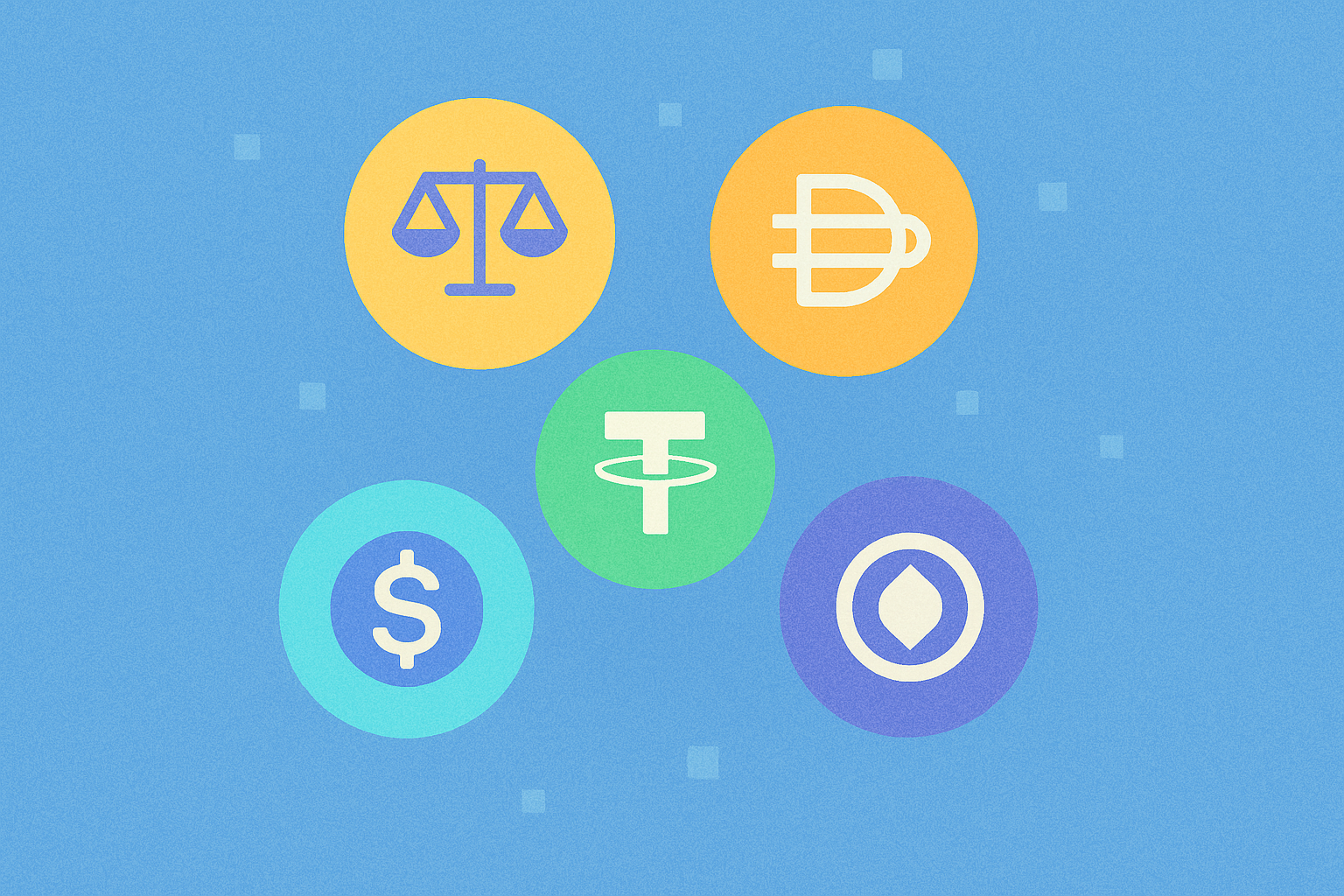
A Brief Introduction to Stablecoins
Stablecoins are a type of cryptocurrency designed to maintain a stable value by pegging it to a reserve asset, often a traditional currency like the US Dollar or a commodity like gold. Unlike volatile cryptocurrencies like Bitcoin, stablecoins are engineered to maintain a steady value through their connection to real-world assets such as fiat currencies, commodities, or other cryptocurrencies. This inherent stability makes stablecoins particularly attractive for various use cases, including earning passive income through different yield-generating strategies.
The mechanism behind stablecoins typically involves maintaining reserves that back the digital tokens at a 1:1 ratio with the pegged asset. For instance, a USD-pegged stablecoin should have one dollar in reserve for every token in circulation. This backing provides confidence to users and helps maintain price stability even during volatile market conditions. The stability characteristic makes stablecoins an ideal bridge between traditional finance and the cryptocurrency ecosystem, enabling users to preserve value while still participating in digital asset markets.
Are Stablecoins a Good Investment?
Stablecoins represent an intriguing investment opportunity for those seeking more stability in their crypto portfolio. They serve as a crucial bridge between the traditional financial world and the decentralized crypto space, offering unique advantages for risk-conscious investors. Their stability makes them a preferred choice for investors who value predictability and lower risk compared to traditional cryptocurrencies.
When evaluating stablecoins as an investment, it's important to understand how they differ from volatile cryptocurrencies like Bitcoin:
| Aspect | Stablecoins | Bitcoin |
|---|---|---|
| Price Stability | Stablecoins are designed to maintain a stable value by pegging them to real-world assets like fiat currencies. They are relatively stable and not subject to extreme price fluctuations. | Bitcoin is highly volatile and known for its price fluctuations. It can experience rapid increases or decreases in value. |
| Use as Currency | Stablecoins are suitable for everyday transactions due to their stability. They are ideal for making payments and remittances. | Bitcoin is often considered digital gold. It is primarily used as a store of value or investment rather than for everyday transactions. |
| Investment Purpose | Stablecoins are not typically seen as investment assets but are used more for preserving value and facilitating transactions. | Bitcoin is considered a long-term investment by many, akin to digital gold. Investors often buy and hold Bitcoin with the expectation of price appreciation. |
| Risk Profile | Stablecoins have a lower risk profile because they aim to maintain a stable value. They are less likely to result in significant losses. | Bitcoin carries a higher risk due to its price volatility. While it offers the potential for substantial gains, it can also lead to significant losses. |
| Regulatory Environment | Stablecoins are often considered less contentious from a regulatory standpoint, as they are backed by real assets and aim for price stability. | Bitcoin's regulatory status varies by country and can be subject to stricter regulations due to its decentralized nature. |
The investment appeal of stablecoins lies not in price appreciation but in their utility for generating passive income through various yield-generating mechanisms. Investors can leverage stablecoins to earn interest while maintaining exposure to the cryptocurrency ecosystem without the volatility risk associated with traditional cryptocurrencies.
How to Make Money with Stablecoins
One of the primary ways to generate passive income with stablecoins is through stablecoin interest rates offered by various platforms. Users can earn interest over time by holding or lending stablecoins on cryptocurrency exchanges or DeFi (Decentralized Finance) platforms. The key to maximizing earnings is to research and compare platforms offering the best stablecoin interest rates while ensuring the security and reliability of the chosen platform.
Different platforms offer varying interest rates based on factors such as lending duration, platform liquidity, and market demand. Some platforms provide flexible terms allowing users to withdraw their funds at any time, while others offer higher rates for locking up stablecoins for fixed periods. It's essential to understand the terms and conditions, including any potential risks such as smart contract vulnerabilities or platform insolvency.
How Do Stablecoins Make Money?
Stablecoins generate interest and profit through various mechanisms, with stablecoin staking being one of the most popular methods. When you stake your stablecoins, you essentially lock them up for a specific period in exchange for rewards or interest payments. The staking mechanism helps provide liquidity to DeFi protocols or lending platforms, which in turn use these funds to offer loans to borrowers at higher interest rates, sharing a portion of the profits with stakers.
Additionally, some stablecoins are backed by yield-generating assets. For example, certain stablecoins backed by commodities like gold allow holders to generate returns based on the performance of those underlying assets. Other mechanisms include liquidity provision in decentralized exchanges, where users provide stablecoin pairs to trading pools and earn fees from transactions that occur in those pools.
The earning potential varies depending on the platform, the specific stablecoin used, and market conditions. Generally, stablecoin yields range from conservative rates comparable to traditional savings accounts to higher yields in DeFi protocols, though higher yields typically come with increased risk.
How to Invest in Stablecoins
Investing in stablecoins requires careful consideration of several factors to ensure both security and profitability. The first step is choosing the right platform or exchange that offers attractive interest rates while maintaining a secure environment for your assets. When selecting a platform, research the safest stablecoins based on their track record, transparency, and backing mechanisms.
Before investing, ensure the platform is reputable and, where applicable, properly regulated to mitigate risks. Look for platforms that have undergone security audits, maintain insurance funds, and have a proven history of reliable operations. It's also important to understand the platform's terms of service, withdrawal policies, and any potential fees that might impact your returns.
Diversification is another key strategy when investing in stablecoins for passive income. Rather than concentrating all funds in a single stablecoin or platform, consider spreading investments across multiple stablecoins and platforms to reduce risk. This approach helps protect against potential issues such as depegging events, platform failures, or regulatory challenges affecting specific stablecoins.
Best Stablecoins for Investment
Tether (USDT)
Tether, commonly known as USDT, is one of the market's most popular and largest stablecoins by market capitalization. It is pegged to the US Dollar, meaning an equivalent amount of USD is held in reserve for every Tether token in circulation. This backing provides a high level of stability and reduces the volatility often associated with other cryptocurrencies.
Investing in Tether can be an effective way to earn passive income, especially when used in conjunction with interest-earning platforms or cryptocurrency lending services. USDT's widespread adoption across numerous exchanges and DeFi platforms provides excellent liquidity and multiple opportunities for yield generation. The token's long-standing presence in the market has established it as a go-to choice for traders and investors seeking stability while maintaining exposure to cryptocurrency markets.
USD Coin (USDC)
USD Coin, or USDC, is another prominent stablecoin backed by US Dollars. It is managed by a consortium called Centre, which includes major financial institutions in the cryptocurrency space. USDC offers exceptional transparency as it is regularly audited by independent accounting firms to ensure that each token is backed by one US dollar held in reserve.
Like Tether, investing in USDC and utilizing it in yield-generating platforms can provide a steady stream of passive income. USDC is particularly favored in DeFi applications due to its transparent reserve structure and regulatory compliance. The stablecoin has gained significant traction in lending protocols, liquidity pools, and savings products, offering investors multiple avenues for generating returns while maintaining the security of dollar-backed stability.
Dai (DAI)
Unlike USDT and USDC, Dai represents a unique approach to stablecoin design as a decentralized stablecoin. Rather than being backed by actual dollars in a bank account, Dai maintains its value through a sophisticated system of smart contracts on the Ethereum blockchain. These automated contracts dynamically balance the value of Dai to keep it as close to one US dollar as possible through collateralization mechanisms.
Investing in Dai can be more complex due to its decentralized nature and the technical understanding required to navigate its ecosystem. However, it also provides compelling passive income opportunities, especially within the realm of Decentralized Finance (DeFi). Dai's decentralized structure means it operates without a central authority, offering users greater autonomy and resistance to censorship. This makes it particularly attractive for those who prioritize decentralization and wish to participate in DeFi lending, borrowing, and liquidity provision activities.
Pax Gold (PAXG)
Pax Gold represents a unique category of stablecoin backed by physical gold instead of a fiat currency. Each PAXG token is backed by one fine troy ounce of a 400 oz London Good Delivery gold bar, stored in secure vaults. This backing provides investors with exposure to gold's historical stability while enjoying the benefits of digital asset portability and divisibility.
If you believe in gold's long-term value preservation properties and want to combine them with the advantages of digital assets, investing in PAXG could be an excellent choice. The token allows for fractional ownership of gold, making it accessible to investors who might not be able to purchase physical gold in significant quantities. Additionally, PAXG opens opportunities to earn passive income through various crypto lending platforms that accept commodity-backed stablecoins, providing yields while maintaining exposure to gold's price movements.
Binance USD (BUSD)
Binance USD, commonly referred to as BUSD, is a stablecoin issued through a partnership between a major exchange and a regulated trust company. It is backed by US dollars held in reserve, providing stability and regulatory compliance. The stablecoin has gained significant adoption due to its backing by established financial entities and its integration across multiple platforms.
Investing in BUSD can provide exposure to the US dollar while taking advantage of various financial products and services offered across the cryptocurrency ecosystem, such as savings accounts and staking opportunities to earn passive income. The stablecoin's regulatory compliance and transparent reserve structure make it a trusted option for investors seeking stability and yield-generating opportunities in the digital asset space.
PayPal USD (PYUSD)
PayPal has introduced its own stablecoin, PayPal USD (PYUSD), representing a digital version of the US dollar designed to provide a secure and stable way for users to transact with cryptocurrencies. PYUSD, issued as an ERC-20 token on the Ethereum blockchain, is 100% backed by dollar deposits, US treasuries, and cash equivalents, ensuring stability and redeemability.
This stablecoin aims to facilitate virtual transactions, remittances, and mainstream crypto adoption by leveraging PayPal's extensive user base and payment infrastructure. Backed by a payments giant with hundreds of millions of users, PYUSD could potentially revolutionize digital payments and accelerate the integration of cryptocurrencies into everyday commerce. The stablecoin's integration with PayPal's ecosystem provides unique opportunities for passive income generation through various yield products while maintaining the stability of dollar backing.
Closing Thoughts
In conclusion, stablecoins offer a practical and increasingly popular way to earn passive income in the cryptocurrency space. By providing stability in an otherwise volatile market, they enable investors to generate yields without exposing themselves to the significant price fluctuations associated with traditional cryptocurrencies.
To make the most of this passive income strategy, it's essential to thoroughly research and choose the best stablecoin yield opportunities available. Understanding how stablecoins generate returns, evaluating the safety and reputation of platforms, and selecting the most appropriate stablecoins for your investment goals are all critical steps in building a successful stablecoin investment strategy.
As with any investment, conducting due diligence is paramount. Consider factors such as platform security, regulatory compliance, historical performance, and the specific mechanisms used to generate yields. Additionally, it's advisable to start with smaller amounts to familiarize yourself with the platforms and processes before committing larger sums. If you're uncertain about any aspect of stablecoin investing, consulting with financial experts who understand both traditional finance and cryptocurrency markets can provide valuable guidance tailored to your specific situation and risk tolerance.
FAQ
What are stablecoins? How do they help generate passive income?
Stablecoins are cryptocurrencies pegged to fiat currencies or assets, maintaining stable value. They generate passive income through lending protocols and yield farming, earning interest on deposits while minimizing volatility risk.
Main ways to earn passive income with stablecoins? (Such as lending, liquidity mining, staking, etc.)
Primary methods include savings accounts, staking, liquidity mining, and lending. These approaches offer competitive returns through DeFi and CeFi platforms, typically generating 2-20% annual yields depending on strategy and risk tolerance.
What is the typical annual yield for passive income with stablecoins? How does it compare to traditional bank deposits?
Stablecoin annual yields typically range from 4% to 8%, significantly higher than traditional bank deposit rates. Exact returns vary by platform and stablecoin type, offering more competitive returns for cryptocurrency investors.
What are the risks to pay attention to when investing in passive income with stablecoins?
Platform security risks, smart contract vulnerabilities, and regulatory changes are primary concerns. Additionally, yield rates fluctuate with market conditions, and stablecoin depegging risks exist. Always conduct due diligence on protocols before investing.
How can beginners start earning passive income with stablecoins? How much initial capital is needed?
Beginners can start with any amount, even $10-$100. Deposit stablecoins into lending platforms or yield farming protocols to earn 8-12% annual returns. Lower amounts generate modest income, but compound growth accelerates over time with consistent deposits.
What are the mainstream stablecoin platforms? How do their yield rates and security compare?
Major stablecoins include USDT, USDC, and DAI. USDC and DAI on decentralized lending platforms like Aave and Compound typically offer 1.5% to 4% annual yields with higher security. USDT yields vary by platform.

Understanding APR and APY in Crypto Yield Strategies

Unveiling the APR Formula for Staking in the Digital Age
Maximize Returns with Stablecoin Yield Farming Strategies
Understanding DeFi Interest: A Comprehensive APR vs APY Guide

Guide to High-Yield Liquidity Mining Strategies and Comparisons

What is the Risk of Staking Crypto?

What is On-Chain Data Analysis and How Does It Predict Crypto Price Movements?

How to Benchmark Cryptocurrency Competitors: Market Share, Performance, and User Growth Analysis
What is ID crypto price volatility: 33-66% swings explained

How do futures open interest, funding rates, and liquidation data predict derivatives market signals in crypto?
How does BONK price volatility compare to Bitcoin and Ethereum in 2026?