Periods When to Make Money in Crypto: Insights from George Tritch

Understanding Market Cycles
One of the foundational principles emphasized by George Tritch is the critical importance of understanding market cycles in cryptocurrency trading. Crypto markets typically progress through distinct phases - accumulation, uptrend, distribution, and downtrend. Recognizing these cyclical patterns enables investors to identify strategic entry and exit points, thereby maximizing profitability and minimizing risk exposure.
-
Accumulation Phase: This period is characterized by market consolidation, where prices stabilize following a significant downtrend. During this phase, trading volumes are typically lower, and market sentiment remains cautious. Savvy investors leverage this opportunity to build their positions at relatively lower prices before the market demonstrates clear signs of recovery. For example, after a major market correction, experienced traders often accumulate assets gradually, anticipating the next bullish cycle.
-
Uptrend Phase: Marked by sustained bullish momentum, this phase represents the period when prices escalate consistently, driven by increased buying pressure and positive market sentiment. This is typically the optimal time to ride the market waves and realize substantial gains. However, it requires vigilant monitoring and disciplined trading strategies, as emotional decision-making during heightened market excitement can lead to premature exits or overexposure. Successful traders often set predetermined profit targets and employ trailing stop-loss orders to protect gains.
-
Distribution Phase: During this phase, prices begin to plateau or exhibit reduced momentum, signaling a potential market reversal. Tritch highlights this stage as crucial for strategically exiting positions or rebalancing portfolios to lock in profits. Institutional investors and large holders often distribute their holdings during this period, which can lead to increased volatility. Recognizing early signs of distribution, such as declining trading volumes despite stable prices, can help investors make timely decisions.
-
Downtrend Phase: When the market enters a downtrend, prices decline consistently due to increased selling pressure and negative sentiment. During this challenging phase, cash-heavy strategies or hedging techniques come into play, allowing investors to minimize losses and preserve capital. Experienced traders may employ short-selling strategies or invest in stablecoins to weather the storm while preparing for the next accumulation phase. Understanding that downtrends are natural components of market cycles helps maintain a long-term perspective.
Seasonal Patterns and Events
George Tritch also explores the significant impact of seasonal trends and specific market events that can create particularly lucrative periods for cryptocurrency trading. Historical data analysis reveals recurring patterns that informed investors can leverage to optimize their trading strategies.
-
Yearly Cycles: Historical analysis demonstrates that certain months have consistently shown stronger performance in cryptocurrency markets. For instance, the fourth quarter (Q4) has historically experienced bullish trends, potentially driven by year-end portfolio adjustments, holiday spending patterns, and increased retail investor participation. Investors who understand these seasonal patterns can strategically position their portfolios to capitalize on these recurring trends. However, it's important to note that past performance doesn't guarantee future results, and these patterns should be considered alongside other analytical factors.
-
Halving Events: Bitcoin's halving events, which occur approximately every four years and reduce the block reward for miners by half, have consistently influenced market dynamics. These programmed supply reductions have historically been followed by significant uptrends, as the reduced supply often leads to increased scarcity and upward price pressure. The most recent halving events have demonstrated this pattern, with substantial price appreciation occurring in the 12-18 months following the event. Being aware of upcoming halving events and their historical impact can help investors make more informed long-term investment decisions.
-
Regulatory News and Technological Advancements: Announcements related to regulatory developments or technological innovations within blockchain platforms can trigger significant spurts in trading volumes and price movements. Positive regulatory clarity, such as the approval of cryptocurrency exchange-traded funds (ETFs) or favorable legislation, often catalyzes market rallies. Similarly, technological breakthroughs like scalability solutions, interoperability improvements, or major protocol upgrades can generate substantial investor interest. Staying informed about these developments through reliable news sources and official channels enables traders to position themselves advantageously and capitalize on these market-moving events.
The Role of Sentiment Analysis
George Tritch strongly encourages the integration of sentiment analysis into cryptocurrency investment strategies. By systematically gauging the market's emotional state through social media platforms, news outlets, and trading forums, traders can anticipate potential shifts in market conditions and position themselves accordingly.
-
Social Channels and Forums: Platforms such as Twitter, Reddit, and Telegram offer real-time insights into market sentiment and emerging trends. These channels serve as valuable barometers of retail investor sentiment, often providing early signals of shifting market dynamics. Advanced tools that aggregate and analyze sentiment data from these networks can provide traders with a competitive edge. For example, tracking the frequency and tone of discussions around specific cryptocurrencies can help identify growing interest or emerging concerns before they're reflected in price movements.
-
News Analytics: Systematically tracking positive or negative news coverage can help predict shifts in investor behavior, which often precede market rallies or corrections. Major news events, such as institutional adoption announcements, security breaches, or regulatory decisions, can significantly impact market sentiment. Sophisticated investors employ news analytics tools that use natural language processing to assess the sentiment of news articles and social media posts, quantifying the overall market mood. This data-driven approach to sentiment analysis helps remove emotional bias from trading decisions and provides objective insights into market psychology.
Strategic Portfolio Management
Effective portfolio management is instrumental in optimizing earning periods and maximizing long-term returns in cryptocurrency markets. George Tritch advises implementing comprehensive portfolio strategies that balance risk and reward while leveraging modern trading tools.
-
Diversification: Spreading investments across various cryptocurrency assets with different use cases, market capitalizations, and risk profiles helps mitigate risk and can enhance overall returns during bullish market periods. A well-diversified portfolio might include established cryptocurrencies like Bitcoin and Ethereum, promising mid-cap projects with strong fundamentals, and carefully selected small-cap assets with high growth potential. This approach reduces exposure to any single asset's volatility while maintaining upside potential across the broader crypto ecosystem.
-
Automated Trading: Leveraging sophisticated tools such as trading bots on reputable exchanges can optimize trading efficiency and accuracy in executing trades within rapidly fluctuating markets. These automated systems can execute predefined strategies without emotional interference, operate continuously across all time zones, and respond instantly to market conditions. However, it's crucial to thoroughly test and monitor automated trading systems, as they require proper configuration and ongoing supervision to ensure they perform as intended under various market conditions.
Risk Management and Patience
Timing the cryptocurrency market presents significant challenges, making disciplined risk management paramount to long-term success. George Tritch emphasizes the critical importance of maintaining systematic risk management techniques to navigate the inherently volatile nature of crypto markets.
-
Stop-Loss Orders: Implementing predefined stop-loss levels helps prevent catastrophic losses and keeps emotional decision-making in check during periods of market turbulence. By automatically exiting positions when prices reach predetermined thresholds, traders protect their capital and preserve their ability to participate in future opportunities. Effective stop-loss placement requires balancing protection against normal market volatility while safeguarding against significant adverse movements.
-
Risk-Reward Ratio: Understanding and calculating the risk-reward balance for each trade is essential for sound decision-making, ensuring that only high-potential trades with favorable risk-reward profiles are executed. Successful traders typically seek opportunities where potential rewards significantly outweigh potential risks, often targeting risk-reward ratios of 1:2 or better. This disciplined approach helps maintain profitability even when not all trades are successful, as winning trades generate sufficient returns to offset losses from unsuccessful positions.
Conclusion
Navigating the dynamic landscape of cryptocurrency trading requires a sophisticated blend of strategic foresight, patience, and comprehensive knowledge of market dynamics. By applying the insights and methodologies shared by George Tritch, investors can more effectively identify and capitalize on the periods when making money in crypto is most viable. The integration of historical data analysis, sentiment evaluation, and disciplined risk management illuminates the path to sustained profitability within one of the most dynamic and rapidly evolving sectors of modern finance. As the cryptocurrency ecosystem continues to mature and evolve, staying informed, adaptable, and committed to continuous learning will remain fundamental drivers of long-term investment success.
FAQ
When are the most profitable periods in the cryptocurrency market?
The most profitable periods typically occur during high volatility windows, particularly between 8 AM to 4 PM when market activity peaks. Bull market cycles following Bitcoin halving events and periods of major institutional adoption also present significant earning opportunities due to increased trading volume and price momentum.
What investment timing advice does George Tritch provide for cryptocurrency?
George Tritch advises analyzing market cycles carefully to identify optimal entry points. He emphasizes understanding both psychological and technical market aspects, combining cycle analysis with emotional discipline to maximize cryptocurrency investment returns and timing decisions.
How to determine the best time to buy and sell in the cryptocurrency market?
Monitor market greed peaks for selling opportunities and use technical indicators like MACD and RSI. Buy during fear periods when fundamentals remain strong. Track on-chain metrics and transaction volume for timing signals. Avoid emotional decisions during volatility if project basics haven't changed.
What is the relationship between cryptocurrency market cycles and profit opportunities?
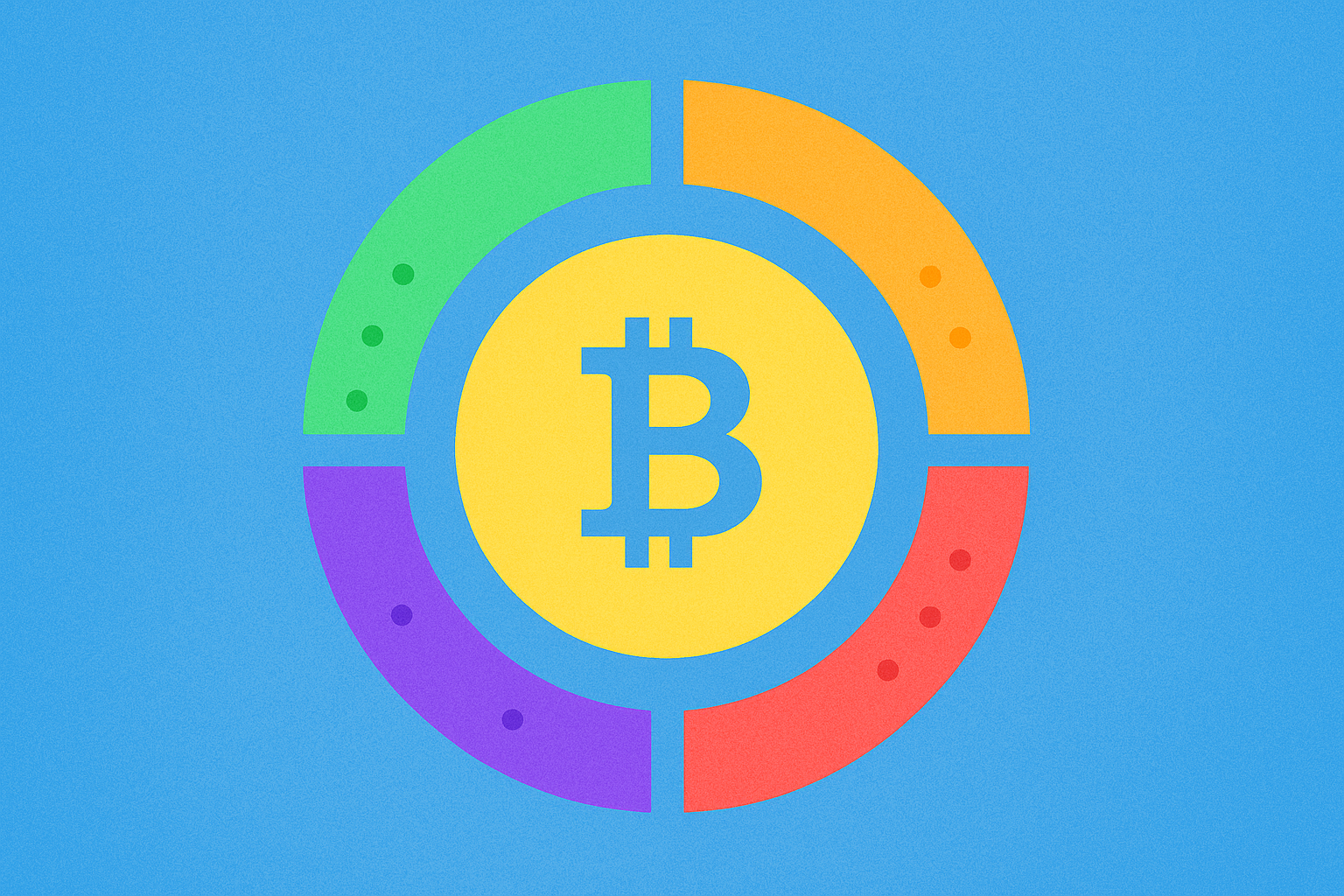
Crypto market cycles consist of four phases: accumulation, markup, distribution, and decline. Each phase offers distinct profit opportunities. Buy during accumulation and markup phases for optimal gains, exercise caution during distribution, and avoid the decline phase to minimize losses.
What are the differences in strategies for making money in bear markets versus bull markets?
In bull markets, strategies focus on long-term holding and value appreciation. In bear markets, strategies emphasize short-term speculation and risk control. Bear market strategies are more challenging and require smaller position sizes for better risk management.
When should new investors enter the cryptocurrency market?
New investors should buy during market lows and use dollar-cost averaging for better entry points. Timing is crucial for maximizing returns in the volatile crypto market.
What risks does poor timing bring in cryptocurrency investment?
Poor timing in crypto investment can result in significant losses and asset depreciation. FOMO often drives investors to buy at market peaks, maximizing loss potential. Hasty decisions without proper analysis frequently lead to severe financial consequences and capital erosion.

How Do Derivative Market Signals Impact Crypto Trading in 2025?

How Do Derivatives Market Signals Predict SPX Price Movements in 2025?
What Are the Key Derivatives Market Signals for Crypto Trading in 2025?

What Do Derivative Market Signals Reveal About Cryptocurrency Trends in 2025?
Understanding the Stages of Cryptocurrency Market Cycles

Golden Cross Explored: Master Crypto Trading with Technical Analysis

What is on-chain data analysis: active addresses, transaction volume, whale distribution, and fee trends explained

What is driving RARE price volatility: Support and resistance levels analysis at $0.0752 resistance?

How do on-chain data metrics like active addresses and whale movements affect RARE token price predictions?

What Is Buyback Protection in Crypto?

How can on-chain data analysis predict crypto market trends with active addresses and whale movements?