

LCP_hide_placeholder
fomox
Search Token/Wallet
/

Simplified Guide on How to Withdraw Core Satoshi Easily

2026-01-07 00:36:18
Airdrop
Crypto Tutorial
Crypto Withdrawal
Mining
Web3 wallet
Article Rating : 4
158 ratings
# Article Introduction **Exploring Core Mining App: A Guide to Earning Satoshi Rewards** This comprehensive guide covers the Core Satoshi blockchain project and its innovative mining model, helping users understand how to claim, withdraw, and trade CORE coins. Learn the step-by-step process for withdrawing CORE to MetaMask, selling on Gate exchange platforms, and maximizing your cryptocurrency holdings. Whether you're an early participant seeking to claim airdropped assets or a trader interested in CORE coin price dynamics, this guide addresses essential questions about wallet linking, withdrawal procedures, fees, and security best practices. Designed for both beginners and experienced crypto users, it provides actionable instructions and real-time market insights for managing your Core Satoshi investments effectively.
Simplified Guide on How to Withdraw Core Satoshi Easily

Satoshi Core Overview

The Core Satoshi blockchain project has emerged as a significant player in the cryptocurrency landscape. Launched with an innovative mining model, it attracted considerable attention from the crypto community. The project introduced CORE coins (formerly recognized as BTCs) through an airdrop mechanism, rewarding early participants who engaged with the platform. image_url Over time, Core Satoshi has established itself as a notable blockchain project, with its success attributed to the foresight of early adopters who recognized its potential.
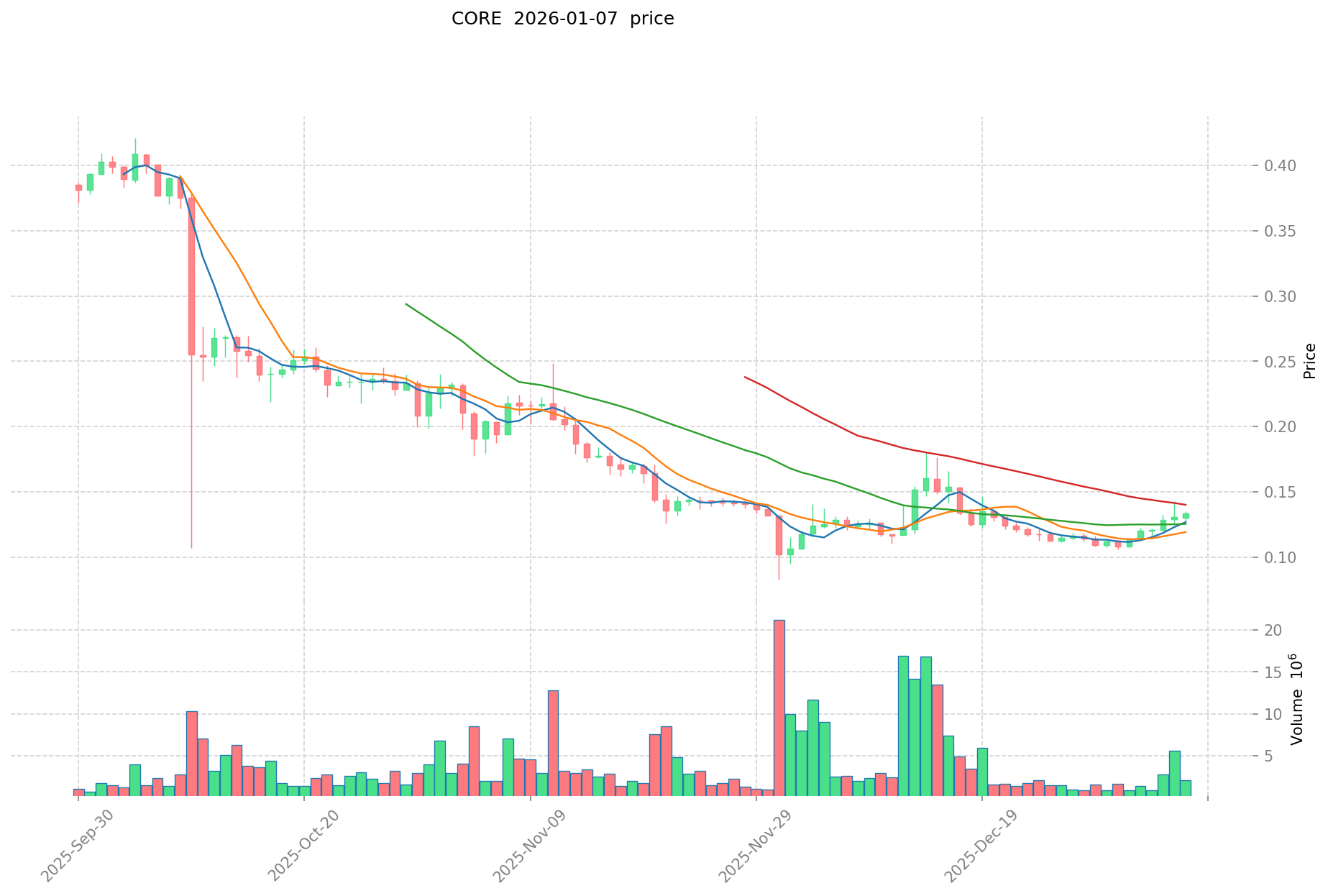
CORE trading is now supported on major cryptocurrency exchange platforms, providing substantial liquidity and trading volume for the coin. This widespread availability has made it easier for users to buy, sell, and manage their CORE holdings.

Satoshi Core Update

Early users who acquired CORE coins through the airdrop were required to link a CORE wallet address to their account to claim their earned assets. Users who linked their wallet addresses during the initial phase were able to claim their coins according to the official guide. Those who missed the initial deadline were able to link their wallets in subsequent batches, though they would need to wait for the next distribution cycle to claim their assets.

The integration of Core Satoshi with major exchange platforms has significantly enhanced accessibility and trading opportunities for CORE coin holders.

Can I Withdraw CORE Coins?

Yes, users who participated in the Core Satoshi mining opportunity can withdraw their accrued CORE coins. However, withdrawal is only possible if you follow the proper procedures outlined in the official withdrawal guide. The process involves linking your wallet address to your Core Satoshi account and then initiating the withdrawal to your preferred cryptocurrency wallet.

How to Withdraw Core Satoshi

If you've participated in Core Satoshi mining and wish to transfer your coins to an external wallet, the following step-by-step guide will help you withdraw your CORE to MetaMask, one of the most popular Ethereum-based cryptocurrency wallets.

Why Choose MetaMask for Withdrawal?

MetaMask is a powerful Ethereum-based cryptocurrency wallet and browser extension that provides users with a secure environment for storing and managing digital assets. Beyond storage, it serves as a gateway to the decentralized applications (DApps) ecosystem and enables seamless interaction with blockchain networks. MetaMask offers several advantages:

  • Security: Users maintain complete control over their private keys and assets
  • Convenience: Easy integration with multiple blockchain networks, including Core mainnet
  • Accessibility: Browser-based interface for quick and straightforward access
  • Versatility: Support for various decentralized services and token swaps

These features make MetaMask an ideal choice for managing CORE coins and engaging with the broader cryptocurrency ecosystem.

How to Withdraw Core From Satoshi to MetaMask

Follow these steps to successfully withdraw your CORE coins to your MetaMask wallet:

Step 1: Set Up Core Mainnet on MetaMask

  • Open your existing MetaMask wallet or create a new one if you don't have one
  • Navigate to the Core scan page and click the "Add Core Network" button in the footer
  • This action will automatically add the Core mainnet network to your MetaMask wallet's network list

Step 2: Copy Your Core Wallet Address

  • From the MetaMask network dropdown list, select "Core Mainnet"
  • Copy your wallet address that appears in your MetaMask interface

Step 3: Access Your Core Satoshi Account

  • Log in to your Core Satoshi account
  • Click on "Me" and then select "Claim For Free"

Step 4: Link Your Wallet Address

  • On the next page, select CORE and click "Link Wallet Address"
  • Paste the Core wallet address you copied from MetaMask into the first field
  • Enter your Core Satoshi account password in the second field

Step 5: Complete Identity Verification

  • You will be prompted to verify your identity through facial recognition
  • Once your identity is approved, your wallet address will be successfully linked

Step 6: Claim Your CORE Coins

  • After successfully linking your wallet, you can claim your CORE coins
  • The coins will be transferred directly to your MetaMask wallet on the Core mainnet

Can I Sell CORE Satoshi?

Yes, once you have successfully withdrawn your CORE coins to your MetaMask wallet, you can transfer them to a major cryptocurrency exchange platform for trading. From there, you can easily exchange your CORE coins for USDT, Bitcoin, Ethereum, or other cryptocurrency assets. This process provides you with the flexibility to convert your holdings into other digital assets or fiat currency as needed.

How Much Is 1 CORE Coin?

The price of CORE coins fluctuates based on market demand and supply dynamics, similar to other cryptocurrencies. For current and accurate pricing information, it is recommended to check real-time data on major cryptocurrency exchange platforms where CORE is traded. Market prices vary across different exchanges and change continuously throughout the day.

Conclusion

Core Satoshi has established itself as a significant blockchain project in the cryptocurrency space. Many early participants benefited from the mining opportunity and airdrop distribution. By following the comprehensive step-by-step guide provided above, you should be able to successfully withdraw and claim your CORE coins to your MetaMask wallet. Once withdrawn, you have full control over your assets and can manage them according to your investment strategy, whether that involves holding, trading, or engaging with decentralized applications on the Core network.

FAQ

What are the step-by-step instructions to withdraw Core Satoshi from my wallet?

Open your wallet app, navigate to the withdraw section, enter your Core blockchain EVM-compatible address, enter the withdrawal amount, and confirm the transaction to complete the process.

Which exchanges or platforms support Core Satoshi withdrawals?

Multiple major cryptocurrency exchanges support Core Satoshi withdrawals. Check your preferred platform's official website to verify withdrawal support and current network status before initiating transactions.

What are the withdrawal fees and minimum withdrawal amounts for Core Satoshi?

Core Satoshi withdrawals are free with a minimum of 10 CORE. For smaller amounts, the fee is $0.0006 for 0.0045 CORE withdrawals.

How long does it typically take to process a Core Satoshi withdrawal?

It typically takes 2 months to process a Core Satoshi withdrawal. Half of the assets are released on February 6th, with the remaining half on February 15th.

What security measures should I take before withdrawing Core Satoshi?

Use a secure, private network and verify withdrawal addresses carefully. Double-check the recipient address before confirming the withdrawal to avoid phishing scams and unauthorized transfers.

Can I withdraw Core Satoshi directly to a bank account, or only to crypto wallets?

You can only withdraw Core Satoshi to crypto wallets, not directly to bank accounts. Direct fiat withdrawals are not supported for this asset.

* The information is not intended to be and does not constitute financial advice or any other recommendation of any sort offered or endorsed by Gate.

Share

Content

Satoshi Core Overview

Satoshi Core Update

Can I Withdraw CORE Coins?

How to Withdraw Core Satoshi

Why Choose MetaMask for Withdrawal?

How to Withdraw Core From Satoshi to MetaMask

Can I Sell CORE Satoshi?

How Much Is 1 CORE Coin?

Conclusion

FAQ

Related Articles
Understanding Bitcoin's Supply Limit: How Many Bitcoins Exist?
Understanding Bitcoin's Supply Limit: How Many Bitcoins Exist?

The article delves into Bitcoin's finite supply of 21 million coins, shedding light on its implications for the cryptocurrency ecosystem. It explores how Bitcoin's halving mechanism controls supply, impacting mining rewards and inflation. The piece also discusses what happens after all coins are mined, the role of transaction fees, and introduces the Lightning Network's innovation for scalability. Addressing the loss and theft of bitcoins, it highlights security challenges and advancements. Ideal for crypto enthusiasts and investors, the article explains Bitcoin's value proposition rooted in scarcity and decentralization.
2025-12-04 15:56:34
Pi Network Launch Status and Timeline Update

Pi Network Launch Status and Timeline Update

# Introduction This comprehensive guide details Pi Network's evolution from mobile mining launch in March 2019 through its transformative February 20, 2025 Open Network release. Readers will discover complete timeline information, understand the February 2025 mainnet launch mechanics, and learn how this milestone impacts existing miners and new users. The article examines launch-day price dynamics, ecosystem achievements including 10.14 million migrated pioneers and 100+ operational dApps, and upcoming development phases. Whether you're an established Pi holder, prospective participant, or cryptocurrency enthusiast, this guide provides essential insights into Pi Network's current status, trading availability on Gate, and long-term ecosystem expansion roadmap through 2025 and beyond.
2025-12-27 10:12:27
Top Performing ASIC Miners for Maximum Profitability

Top Performing ASIC Miners for Maximum Profitability

This article explores the top-performing ASIC miners for cryptocurrency mining in 2025, focusing on maximizing profitability through efficient operations. It provides a comprehensive ranking and evaluation of nine leading ASIC models based on hash rate, power consumption, and market conditions. Designed for mining professionals and enthusiasts, it addresses key factors affecting miner profitability, such as electricity costs and network difficulty. By understanding these rankings and factors, readers can optimize their mining strategies and make informed investment decisions. The article emphasizes regular assessments to maintain competitive mining operations.
2025-12-05 04:39:17
Top-Rated ASIC Mining Hardware for Maximum Profitability

Top-Rated ASIC Mining Hardware for Maximum Profitability

The article provides an in-depth examination of the most profitable ASIC mining hardware available for cryptocurrency operations. It emphasizes the importance of choosing the right ASIC miner to enhance efficiency and profitability. The content addresses challenges like hash rate, power consumption, and operational costs, offering guidance for various mining scales. Structured logically, it reviews top miners and evaluates factors such as energy efficiency and market relevance. This guide is essential for miners seeking to maximize returns, with clear sections on device specifications and strategic purchasing advice. Keywords include ASIC miners, profitability, hash rate, and energy efficiency.
2025-12-03 10:25:42
BlockDAG Presale Guide: Full Insight into the BDAG Cryptocurrency and Its Promise as a Next-Generation Layer-1 Project
BlockDAG Presale Guide: Full Insight into the BDAG Cryptocurrency and Its Promise as a Next-Generation Layer-1 Project

BlockDAG (BDAG) is a next-generation Layer-1 blockchain powered by DAG technology. With high-speed parallel processing, scalability, and energy efficiency, BDAG is well-suited for applications across DeFi, GameFi, DePIN, and more. The project has raised over $340 million in its presale and supports X1 mobile mining. Listings are planned on several exchanges, including Gate. Discover strategic opportunities available to early investors.
2026-01-11 03:49:17
What Is Pi Network's Real Value in 2025: A Fundamental Analysis

What Is Pi Network's Real Value in 2025: A Fundamental Analysis

This article provides an in-depth analysis of Pi Network's value proposition and potential challenges leading up to 2025. It examines the network's mobile-first mining approach, boasting over 60 million users, and its appeal due to low barriers to entry compared to traditional cryptocurrencies. The piece delves into the network's technical and ecosystem limitations, highlighting concerns over a lack of innovation and sustainable application development. It also addresses the business model reliant on user engagement and ad revenue, along with valuation issues rooted in its extensive token supply. Ideal for investors and blockchain enthusiasts, this analysis offers insights into the future viability of Pi Network.
2025-12-06 03:54:34
Recommended for You
What is BULLA coin: analyzing whitepaper logic, use cases, and team fundamentals in 2026

What is BULLA coin: analyzing whitepaper logic, use cases, and team fundamentals in 2026

BULLA coin introduces decentralized accounting and on-chain data management innovation built on BNB Smart Chain, eliminating intermediaries while ensuring real-time transaction verification. The platform addresses critical gaps in cryptocurrency infrastructure by embedding accounting logic directly into smart contracts, enabling transparent audit trails and regulatory compliance. Real-world applications include seamless transaction imports across multiple exchanges, comprehensive crypto portfolio tracking, and secure record-keeping for investors. Trade import tools enhance user experience by automating data categorization and consolidation. Founded in 2021 by blockchain architect Benjamin with support from experienced fintech designers and engineers, BULLA Networks demonstrates active development momentum with continuous smart contract iterations through early 2026. The 2026-2027 strategic roadmap prioritizes network infrastructure expansion and enhanced security protocols, positioning BULLA as a robust decen
2026-02-08 08:20:10
How does MYX token's deflationary tokenomics model work with 100% burn mechanism and 61.57% community allocation?

How does MYX token's deflationary tokenomics model work with 100% burn mechanism and 61.57% community allocation?

This article examines MYX token's innovative deflationary tokenomics, featuring a distinctive 61.57% community allocation and 100% burn mechanism. The community-focused distribution empowers token holders through MYX DAO governance while ensuring value flows back to ecosystem participants. The 100% burn mechanism systematically removes node-generated revenue from circulation, reducing the total supply from one billion tokens and creating genuine scarcity. This supply-driven deflation counters inflation pressures and strengthens long-term holder value without requiring external demand. The combination of broad community distribution and aggressive token elimination creates sustainable deflationary economics. Ideal for investors seeking to understand how MYX Finance aligns community interests with protocol success through structural value preservation and decentralized governance mechanisms on Gate exchange.
2026-02-08 08:12:23
What Are Derivatives Market Signals and How Do Futures Open Interest, Funding Rates, and Liquidation Data Impact Crypto Trading in 2026?

What Are Derivatives Market Signals and How Do Futures Open Interest, Funding Rates, and Liquidation Data Impact Crypto Trading in 2026?

This comprehensive guide decodes cryptocurrency derivatives market signals essential for 2026 trading success. Learn how futures open interest, funding rates, and liquidation data—such as ENA's $17 billion contract volume and $94 million daily position closures—reveal market sentiment and institutional positioning. The article explains how long-short ratios and liquidation heatmaps identify reversal opportunities, while options imbalance signals indicate smart money accumulation strategies. Discover why exchange outflows and funding rate extremes precede major price movements. From analyzing $46.45M ENA outflows to understanding leverage risks, this resource equips traders with actionable intelligence for predicting market turning points. Perfect for beginners and experienced traders leveraging Gate's analytics tools to navigate increasingly complex derivatives markets with informed entry and exit strategies.
2026-02-08 08:08:39
How do futures open interest, funding rates, and liquidation data predict crypto derivatives market signals in 2026?

How do futures open interest, funding rates, and liquidation data predict crypto derivatives market signals in 2026?

This article explores how three critical derivatives metrics—open interest exceeding $20 billion, funding rates shifting positive, and liquidation volume declining 30%—predict crypto derivatives market signals in 2026. The guide reveals institutional participation driving market maturation while positive funding rates signal strengthened bullish momentum. Long-short ratio stabilization at 1.2 with put-call ratio below 0.8 demonstrates sophisticated hedging strategies on Gate and other platforms. Reduced liquidation volumes indicate improved risk management and market resilience. By analyzing how these indicators combine—measuring position sizing, sentiment extremes, and forced selling pressure—traders gain precise tools for identifying trend reversals, leverage exhaustion, and market turning points with 55-65% AI-driven accuracy for 2026.
2026-02-08 08:05:14
What is a token economics model and how does GALA use inflation mechanics and burn mechanisms

What is a token economics model and how does GALA use inflation mechanics and burn mechanisms

This article explores GALA's innovative token economics model, examining how inflation mechanics and burn mechanisms create sustainable ecosystem growth. The guide covers GALA token distribution through 50,000 Founder's Nodes requiring 1 million GALA for 100% daily rewards, establishing long-term community participation. A dual-mechanism approach pairs controlled inflation with strategic annual supply reduction to establish deflationary pressure. The burn mechanism, powered by 100% transaction fee burning on GalaChain combined with NFT royalty enforcement averaging 6.1%, creates continuous supply reduction while incentivizing creator participation. Governance utility empowers node holders to vote on game launches through consensus mechanisms, transforming GALA holders into active stakeholders. Perfect for investors and ecosystem participants seeking to understand how GALA balances token scarcity with ecosystem vitality through integrated economic incentives and community governance on Gate.
2026-02-08 08:03:30
What is on-chain data analysis and how does it reveal whale movements and active addresses in crypto?

What is on-chain data analysis and how does it reveal whale movements and active addresses in crypto?

On-chain data analysis reveals cryptocurrency market dynamics by examining active addresses and transaction metrics that expose whale movements and investor behavior. This comprehensive guide explores how blockchain data serves as a critical market indicator, demonstrating the correlation between large holder activities and price movements—such as FLOKI's 950% surge in whale transactions. The article covers whale movement tracking, holder distribution patterns showing 73.47% concentration among major stakeholders, and on-chain fee trends as cycle indicators. Essential metrics include active addresses reflecting genuine network participation, transaction volumes revealing strategic positioning, and network congestion patterns during market cycles. By tracking these interconnected indicators through platforms like Glassnode and Gate, investors and traders can identify market sentiment shifts, anticipate price movements, and distinguish institutional activity from retail participation, making on-chain analysis i
2026-02-08 08:01:25