Top 7 Insights on Cryptocurrency Mining Stocks and Their Transition to AI and HPC

A Comprehensive Guide to Cryptocurrency Mining Stocks
Cryptocurrency mining stocks are equity investments in companies that focus on mining digital assets, most notably Bitcoin. These companies generate revenue by validating transactions on blockchain networks, earning cryptocurrency rewards in exchange for their computational power.
 Over the past decade, this business model has matured but is now undergoing a major transformation.
As the crypto industry evolves and faces mounting challenges—such as rising mining difficulty and intense price volatility—many sector players are embracing diversification. Shifting into high-growth technology fields, particularly artificial intelligence (AI) and high-performance computing (HPC), is becoming a natural next step. This evolution not only expands revenue streams but also places these companies at the forefront of multiple converging technology revolutions.
This article explores the leading trends, strategic insights, and investment opportunities reshaping the cryptocurrency mining stock market, delivering an in-depth analysis of how these companies are navigating this rapidly changing landscape.
Canaan Q3 Results: Proof of Resilience
Canaan, a global leader in cryptocurrency mining hardware, recently reported quarterly results reflecting impressive operational resilience. Amid significant Bitcoin price volatility, the company posted a remarkable 104% year-over-year revenue surge and generated $16.6 million in gross profit.
This strong performance is especially notable in light of the challenging crypto market environment. Canaan’s ability to not only maintain but also substantially grow profitability in uncertain times highlights the strength of its business strategy and its adaptability to changing market dynamics.
Canaan’s Key Performance Highlights:
-
Diversified Revenue Streams: Canaan’s revenue structure reflects a well-executed diversification strategy. While hardware sales remain the core business, the company has built a significant complementary segment. Revenue from direct Bitcoin mining operations made up 20% of total revenue, marking a dramatic 240% increase year over year. This diversification adds financial stability and reduces exposure to volatility in any single market segment.
-
Resilience During Bitcoin Price Declines: Canaan’s ability to grow revenue even during periods of Bitcoin price corrections underscores the robustness of its business model. This resilience points to operational optimization, an expanding customer base, and likely improved profit margins. Canaan’s performance sets a positive example for the broader sector, proving that well-managed companies can succeed despite short-term crypto market swings.
How AI and Machine Learning Are Shaping Mining Hardware
Rapid advances in AI and machine learning have unexpectedly created a lucrative secondary market for high-performance mining systems. Originally designed solely for cryptocurrency mining, these systems are now being repurposed for resource-intensive computing tasks typical of cutting-edge AI applications.
This convergence isn’t coincidental. Mining hardware—particularly ASICs (Application-Specific Integrated Circuits) and high-end GPUs—shares crucial attributes with the systems used for AI workloads: massive parallel processing, energy efficiency for repetitive tasks, and architectures built for high throughput.
Why It Matters:
-
Growing Demand for Mining Hardware: Organizations ranging from startups to major enterprises are leveraging existing mining infrastructure to power their AI operations. This cross-industry demand is fueling a robust secondary market for mining hardware, stabilizing prices and extending the useful economic life of these devices. Key applications include deep learning, large-scale data processing, predictive analytics, and advanced simulations—tasks once reserved for supercomputers.
-
New Revenue Streams: This shift enables mining companies to access the rapidly expanding and highly profitable AI and HPC sectors, greatly diversifying income. By offering computing capacity as a service for AI workloads, these companies can secure long-term contracts and recurring, predictable revenue—reducing their dependence on crypto market volatility. This diversification enhances financial stability and positions them at the intersection of today’s most transformative tech trends.
Bitcoin Mining Stocks: Breaking Away from Bitcoin Price
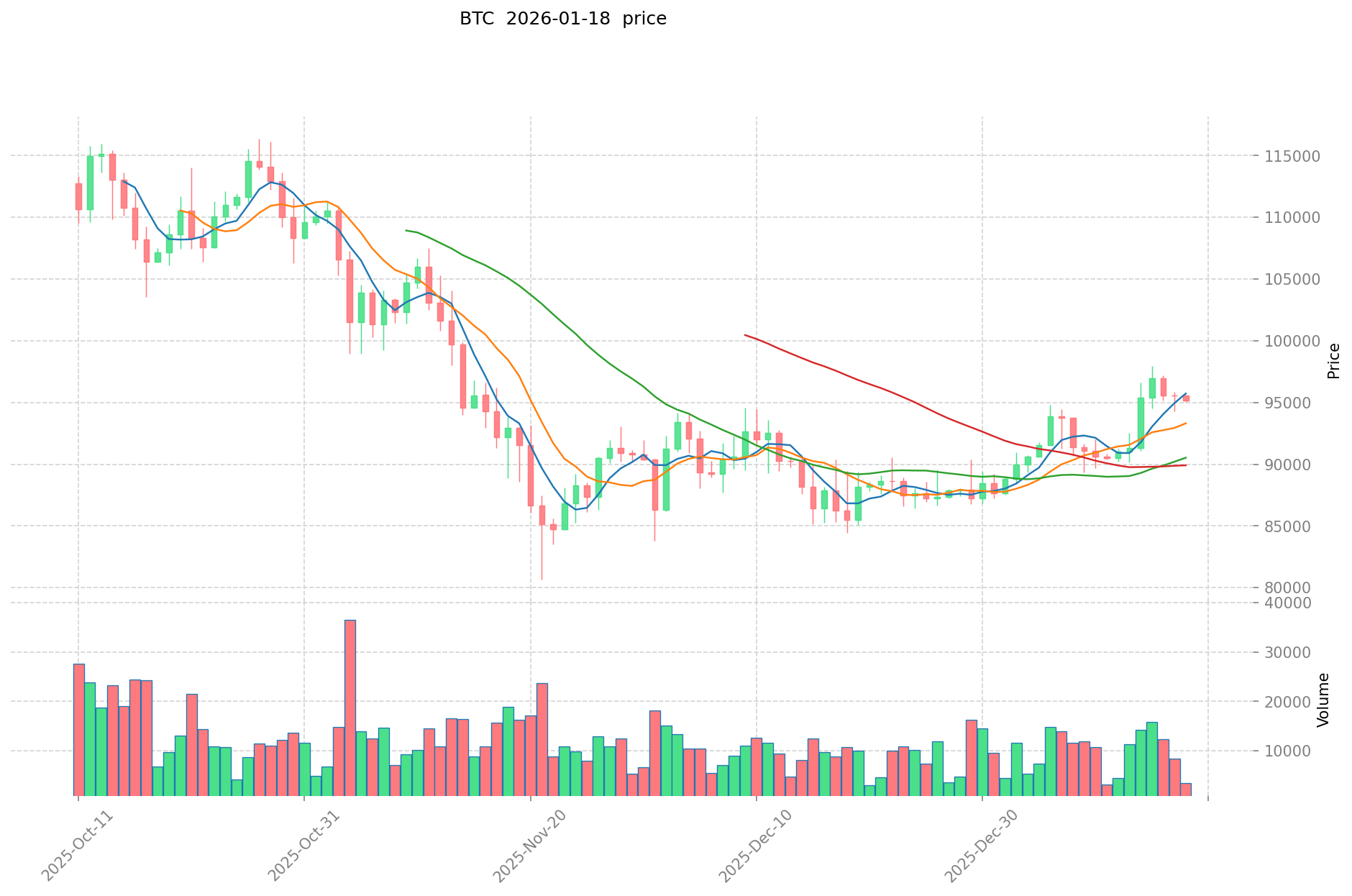
Historically, Bitcoin mining stocks tracked Bitcoin’s price closely. When Bitcoin rallied, miners’ stocks typically climbed; when prices fell, mining stocks dropped in parallel. Recently, however, this tight correlation has weakened as miners adopt more sophisticated, diversified operating strategies.
This decoupling marks a major milestone for the sector and carries important implications for investors and mining firms alike. As Bitcoin price becomes less of a singular value driver, mining companies are evolving from niche operators into diversified technology players.
What’s Driving the Decoupling?
-
Expansion into AI and HPC: By offering AI and high-performance cloud services, miners are fundamentally altering their risk and revenue structures. More revenue now comes from computing contracts not directly tied to Bitcoin’s price. Formerly reliant solely on mining rewards, these companies now manage hybrid business models, shifting computing resources between mining and AI services based on market conditions and profit potential.
-
Wider Market Influences: The growing intersection of cryptocurrency and technology is introducing new dynamics that impact stock performance beyond Bitcoin price movements. Factors like surging AI demand, breakthroughs in quantum computing, changing data center regulations, and even renewable energy trends now play a role in valuations. Institutional investors are increasingly considering technology innovation, energy efficiency, and adjacent market growth—not just mining efficiency—when assessing these firms.
Major AI and Cloud Computing Contracts
Leading Bitcoin miners are landing large-scale deals with tech giants and industry leaders, signaling a fundamental shift in business models. Companies such as Cipher Mining and IREN have announced strategic partnerships to deliver dedicated computing power for AI and cloud services.
These agreements go beyond standard commercial contracts—they’re a significant endorsement of miners’ infrastructure and technical expertise. Tech companies recognize that mining firms’ skill in managing large-scale compute, optimizing energy use, and maintaining high-availability infrastructure is directly transferable to AI and HPC.
Key Takeaways from These Partnerships:
-
Revenue Diversification: Corporate contracts provide stable, recurring revenue—contrasting sharply with the volatility of mining rewards. Typically structured as long-term deals with fixed or predictable usage fees, these agreements give mining companies a solid financial foundation for strategic planning and expansion. Predictable income streams also make them more attractive to institutional investors seeking stability and sustainable growth over short-term speculation.
-
Industry Transformation: Successfully entering the AI and HPC markets marks a turning point for Bitcoin miners, showcasing adaptability and genuine innovation. These companies are no longer just crypto specialists—they’re evolving into critical technology infrastructure providers. Recognition from established tech firms validates their technical and operational competence, opening doors to broader partnerships in emerging fields like edge computing and decentralized data processing.
Bitcoin Mining Stocks: Volatility and Performance
The Bitcoin mining sector has faced marked volatility, which has only intensified in recent periods. Some mining stocks have suffered double-digit declines, driven by steep Bitcoin price drops and broad sell-offs across the technology sector.
This volatility reflects not just sensitivity to crypto price swings, but also shifting investor perceptions around regulatory risk, energy sustainability, and macroeconomic uncertainty. Still, a closer look shows that, despite short-term swings, the industry has achieved meaningful growth and resilience over longer timeframes.
Major Trends:
-
Multi-Year Highs: Multiple mining firms reached all-time highs in market capitalization during the past year, signaling renewed investor confidence in the long-term business model. These record highs occurred even with moderate Bitcoin prices, indicating that the market is rewarding diversification and new revenue streams. The trend suggests that sophisticated investors are looking beyond traditional mining metrics and recognizing these companies as integral players in the broader tech ecosystem.
-
Market Resilience: The mining sector’s ability to rebound from major downturns underscores its long-term growth potential and adaptability. After market corrections, well-managed companies not only recovered but often exceeded previous valuations, propelled by operational improvements, capacity growth, and strategic diversification. This resilience is especially notable considering headwinds like Bitcoin halvings, rising competition, regulatory pressures, and increased scrutiny of mining’s energy footprint.
Institutional Investment in Miners Pivoting to AI and HPC
Major hedge funds and institutional investors are increasingly interested in Bitcoin miners that are successfully diversifying into AI and high-performance computing. This trend marks a pronounced shift in institutional attitudes—cryptocurrency mining was once considered speculative and high risk.
Institutional capital brings more than just large investment volumes; it elevates corporate governance, strategic planning, and operational standards. These investors typically conduct rigorous due diligence and require transparency, raising the bar for the whole industry.
Why Institutional Interest Is Critical:
-
Validating Business Models: Large investments from respected institutions validate these companies’ long-term viability. When pension funds, family offices, and established hedge funds allocate capital to the sector, they’re endorsing not just return potential but also the soundness of the business model. Institutional validation often sparks a virtuous cycle—attracting more investors, improving liquidity, and lowering capital costs, which in turn supports expansion and innovation.
-
Increased Capital Flows: Institutional funding provides sustained resources for innovation, capacity expansion, and operational efficiency. Unlike retail investors, institutions typically take a long-term view, giving companies the financial stability to execute ambitious strategies. This capital supports the purchase of advanced hardware, new data center construction, proprietary technology R&D, and geographic expansion. Institutional involvement also brings strategic guidance and powerful networks, opening new partnership and business opportunities.
Energy Costs and Efficiency in Bitcoin Mining
Energy costs are the single most decisive factor for Bitcoin mining profitability. In many operations, electricity accounts for 60–80% of total expenses, making energy management not just operational but strategically critical. Leading companies employ multifaceted strategies to boost energy efficiency and cut costs, recognizing that sustainable competitive advantage hinges on operating with maximum energy efficiency.
Energy concerns are now central to debates about the sustainability and social acceptance of mining. Critics highlight Bitcoin’s high energy use, while proponents argue that mining can drive renewable energy development and put otherwise wasted energy to productive use. Forward-thinking companies are responding with concrete, measurable solutions—not just rhetoric.
Key Energy Management Strategies:
-
Embracing Renewable Energy: More miners are making strategic moves to renewables—solar, wind, and hydro—to cut operational costs and minimize environmental impact. Some go even further by developing their own power generation facilities for vertical integration and cost control. Innovations include mining powered by surplus solar, wind in high-wind regions, and geothermal in geologically suitable areas. This transition not only boosts sustainability but also positions miners well for future carbon regulations and potential government incentives for clean energy use.
-
Efficiency Gains: Advances in mining hardware design and manufacturing are driving down energy consumption per hash. Each new generation of ASICs typically delivers 20–40% greater energy efficiency than the last. Beyond hardware, firms are deploying advanced thermal management to cut cooling costs, optimizing data center layouts, and using liquid immersion cooling. Some operations are even capturing and reusing waste heat for building or industrial heating, transforming energy waste into value. These cumulative gains boost profitability and keep companies competitive even when Bitcoin prices dip or energy costs rise.
Broader Market Trends Shaping Mining Stocks
Cryptocurrency mining stock performance is shaped by a complex web of market trends far beyond coin price movements. Understanding these broader forces is essential for investors assessing long-term prospects.
These external factors present both challenges and opportunities, and the most successful companies are those that proactively navigate change, anticipating shifts and adapting strategies accordingly.
Major Market Influences:
-
Regulatory Climate: Shifts in government policies and regulations can dramatically and quickly impact mining operations and profitability. Different regions have taken approaches ranging from outright bans to active incentives. Areas to watch include crypto tax policy, environmental rules around energy and emissions, licensing, energy source restrictions, and regulations for digital asset custody and transfer. Miners operating across regions or able to relocate quickly are best positioned to manage regulatory risk. Proactive engagement with regulators and policy development can also help shape industry-friendly rules.
-
Technology Innovation: AI, HPC, and related tech advances are opening up new and previously unforeseen opportunities for miners to diversify and grow revenue. The overlap between mining infrastructure and AI workloads is a natural synergy just beginning to be exploited. Emerging fields like quantum computing could eventually revolutionize both mining and AI processing. Companies investing in R&D, staying abreast of innovation, and building research partnerships are best placed to lead. The ability to repurpose infrastructure for new technologies is a major competitive edge in this fast-changing environment.
-
Macroeconomic Conditions: Inflation, central bank interest rates, GDP growth, and overall market sentiment are major drivers for mining stocks. Low interest rates have historically supported risk assets, while monetary tightening pressures valuations. Inflation is a double-edged sword—increasing costs like energy and hardware, but also boosting interest in Bitcoin as a potential hedge. Global liquidity, capital flows, and investor risk appetite all play a role. Firms with strong balance sheets, low debt, and diversified revenue streams are best positioned to weather downturns and seize opportunities—such as acquiring undervalued assets or expanding when less-capitalized rivals contract.
Outlook: The Future of Cryptocurrency Mining Stocks
Cryptocurrency mining stocks are in the midst of far-reaching transformation, fundamentally redefining the sector’s structure and potential. The move into AI and high-performance computing represents more than tactical diversification—it’s a paradigm shift, creating a hybrid business model with unique advantages.
This shift brings multiple opportunities: new, recurring, and predictable revenue from long-term enterprise contracts; reduced reliance on Bitcoin price swings; a position at the intersection of two of the most disruptive technology trends of our era; and growing validation from sophisticated institutional investors who once shunned the crypto sector.
Significant challenges remain—major energy costs, crypto market volatility, regulatory uncertainty in multiple regions, and intensifying competition from both new and established players. Yet, the sector’s proven ability to adapt, innovate, and evolve strategically bodes well for long-term sustainable growth.
Savvy investors and industry watchers should focus on several critical trends: the pace and scale of institutional investment (signaling sector maturity); the speed and extent of mining stock decoupling from Bitcoin price (demonstrating successful diversification); the announcement of substantial AI and HPC contracts (showing traction in new markets); progress in energy efficiency and renewables (addressing sustainability concerns); and shifts in the global regulatory landscape (offering both risks and opportunities).
Together, these developments will determine the future course of the mining sector and the wider convergence of decentralized finance, AI, and distributed computing. Companies that navigate this transition successfully will emerge not as traditional crypto miners, but as integrated providers of essential computing infrastructure—at the forefront of multiple technological revolutions and ready to seize the extraordinary opportunities this convergence presents.
FAQ
What is cryptocurrency mining and how does it work?
Cryptocurrency mining involves using powerful computers to solve complex mathematical problems that confirm blockchain transactions. Successful miners earn new cryptocurrency as a reward, ensuring the security and integrity of the network.
What’s driving the shift from crypto mining to AI and high-performance computing (HPC)?
The key drivers are lower energy costs and the ability to repurpose existing hardware. Mining supply chains can shift quickly, slashing the expense of building new high-performance data centers.
How do AI and HPC technologies boost the efficiency and profitability of crypto mining?
AI and HPC cut energy use and optimize mining algorithms, driving greater efficiency and profits. Advanced mining rigs process data faster, making operations more cost-effective and sustainable.
What are the main environmental and energy challenges facing the mining industry?
The industry contends with high energy consumption, rising carbon emissions, and environmental pollution—especially in regions reliant on traditional energy sources like coal.
What’s the difference between traditional GPU mining and dedicated ASIC chip mining?
GPUs are flexible and support multiple algorithms but require technical skills. ASICs deliver much higher efficiency but support only a single algorithm. ASICs are best for professionals, while GPUs suit beginners.
Why are crypto mining companies investing in AI and HPC infrastructure?
Growing demand for computational power is driving mining companies to leverage their existing hardware and power generation assets, maximizing returns and diversifying beyond traditional mining.
How will the transition from crypto mining to AI impact the future of data centers?
This shift will dramatically increase demand for high-performance data centers. Facilities will evolve into AI-specialized infrastructure, optimizing energy use and attracting significant technology investment.
What are the key risks when investing in crypto mining or AI/HPC-related firms?
The main risks include Bitcoin price volatility, fierce AI sector competition, regulatory uncertainty, and execution risk for HPC contracts. Investors need to monitor these factors closely before committing capital.

What Security Risks Does the NSA's TAO Unit Pose to Cryptocurrency Networks?

How Can On-Chain Data Analysis Tools Reveal Bitcoin Market Dynamics?
How Does Big Data Impact Macroeconomic Growth and Central Bank Policies?

Understanding Blockchain Node Functions and Their Importance

What Are the Key Compliance and Regulatory Risks for AI in 2025?

Understanding Full Nodes in Blockchain Technology

Nvidia and Ethereum: A Game-Changing Partnership

What Happened to a Major Cryptocurrency Exchange: Understanding the Evolution

What is a Swell Allowance in Crypto?

How to Get Coins in Plato

Bitcoin Do Something Meme: Impact on Crypto Market