

Understanding BTC.b Tokens on the Avalanche Network: A Comprehensive Guide

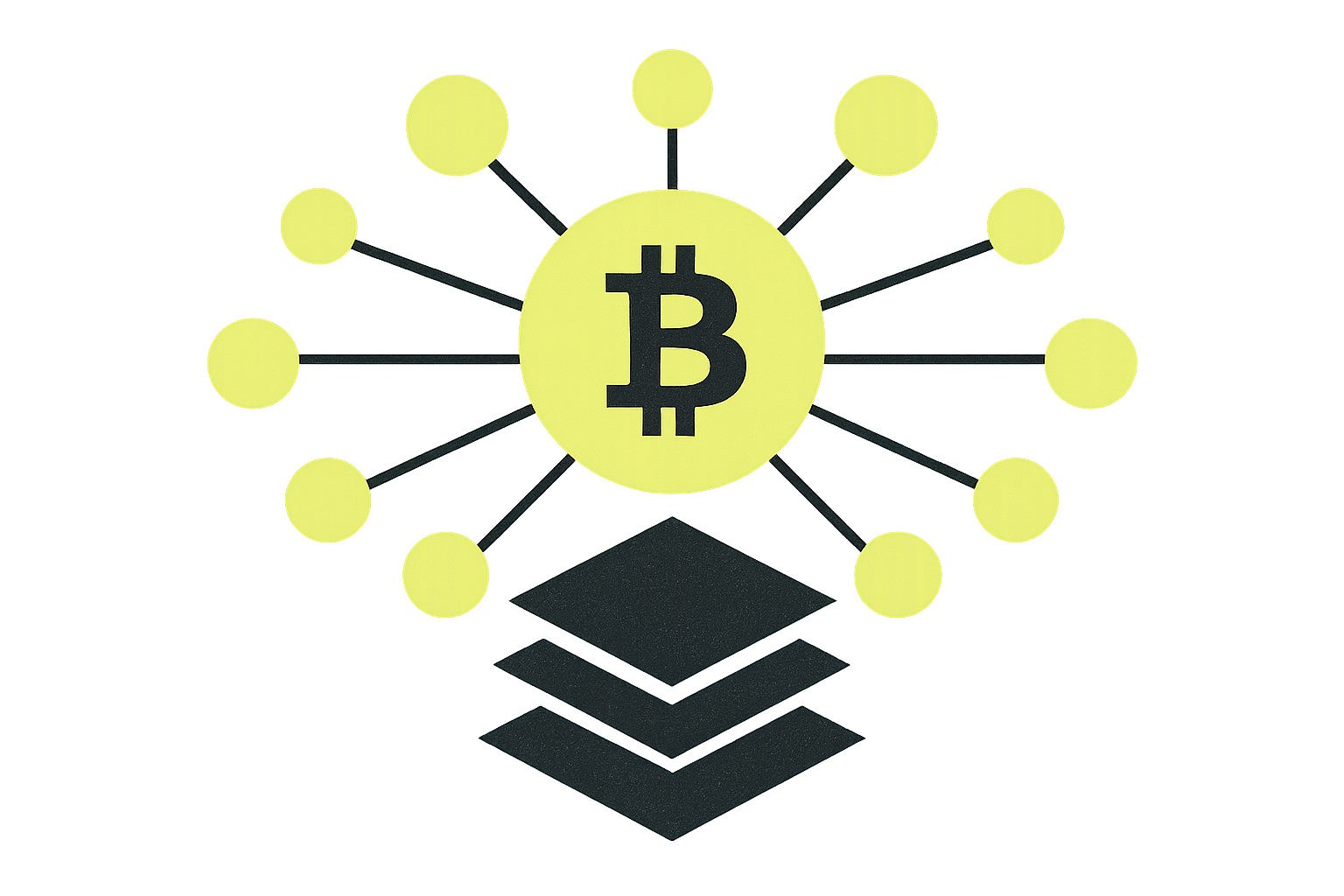
BTC.b Technical Transition to Lombard's Architecture
Overview
BTC.b has established itself as a cornerstone of Avalanche DeFi since 2022, with approximately $550 million in circulation and extensive integrations across major protocols including Aave, GMX, BENQI, and LFJ. Lombard has strategically acquired the infrastructure and related assets of BTC.b, positioning the Lombard Protocol to assume full responsibility for BTC.b's bridge operations and security architecture. This transition maintains complete continuity for existing users and integrations while enabling significant expansion.
What is BTC.b? BTC.b is a next-generation Bitcoin-backed asset that operates on a transparent and verifiable protocol architecture, specifically designed for the decentralized economy. The new BTC.b will be permissionless, non-custodial, and secure—delivering institutional-grade security to onchain Bitcoin without reliance on institutional gatekeepers or intermediaries.
This comprehensive transition accomplishes three primary objectives. First, it augments security through a multi-layered architecture incorporating decentralized validation by a consortium of leading institutions. Second, it enables multi-chain expansion with native deployment to Ethereum, Katana, MegaETH, and Solana in its initial phase. Third, it improves access through permissionless minting directly from native BTC via the Lombard App, making Bitcoin-backed assets accessible alongside LBTC.
What Stays the Same
For users and protocols, the immediate reality remains straightforward: BTC.b continues functioning as the same token with balances, addresses, and integrations remaining unchanged. The fundamental shift concerns BTC.b's growth opportunities, including new chain deployments, enhanced liquidity, expanded DeFi integrations, and a streamlined pathway for developers to integrate native BTC into applications through Lombard's comprehensive SDK.
For Users:
User experience maintains critical continuity across multiple dimensions. The token's contract address, symbol, and name remain identical, ensuring recognition and compatibility with existing systems. The backing mechanism continues providing 1:1 native BTC reserves with no rehypothecation or staking, maintaining the same security guarantees. All holdings, addresses, and wallet integrations remain completely unchanged, requiring no action from users. Existing integrations with major protocols—Aave, GMX, BENQI, LFJ, and all other DeFi platforms—continue operating normally without interruption.
For Protocols:
Protocol-level changes require attention to specific technical updates. Contract addresses remain unchanged, ensuring backward compatibility for most integrations. However, protocols must modify their redemption flows: the previous 'unwrap' function on the BTC.b smart contract is now deprecated. Previously, this function expected BTC withdrawals to specific addresses generated by Core Wallet from the same seed as Avalanche addresses. The new architecture requires protocols to explicitly provide the recipient in the 'redeemForBTC' function when interacting with the newly deployed AssetRouter smart contract.
Standard price feeds continue functioning without modifications, while Proof of Reserve feeds will be updated to Lombard-based feeds once these become available through Chainlink. All existing liquidity pools and lending markets remain unaffected by the transition, allowing DeFi activities to proceed seamlessly.
This transition represents an infrastructure upgrade rather than a token migration. The BTC.b you hold today will remain unchanged following the transition completion.
What's New
Multi-Chain Expansion:
BTC.b transcends its previous Avalanche-exclusive deployment, expanding to Ethereum mainnet, Katana, MegaETH, and Solana during its expansion phase. This multi-chain strategy significantly increases accessibility and liquidity while maintaining security and verifiability across all supported networks.
Direct Minting:
A revolutionary feature enables anyone to mint BTC.b directly from native Bitcoin through the Lombard App without intermediaries, KYC requirements, or geographic restrictions—except in sanctioned jurisdictions. This permissionless approach democratizes access to Bitcoin-backed DeFi assets and eliminates friction in asset creation.
SDK Integration:
BTC.b integration into the Lombard SDK empowers developers to implement powerful features within partner applications. Developers can facilitate native BTC deposits and provide one-click Bitcoin yield access directly within their platforms. Native wallet integrations enable seamless user experiences. The SDK delivers streamlined developer implementation with extensive documentation and support, alongside unified vault products spanning both BTC.b and LBTC assets.
Augmented Security Architecture:
The transition implements a trust-minimized, multi-layered security model replacing previous infrastructure with institutional-grade verification systems. This architecture is specifically designed to scale BTC.b across multiple chains while preserving verifiability and operational discipline at every stage.
Technical Architecture: What's Changing
Architecture Comparison:
The current Avalanche bridge implementation utilizes Intel SGX enclaves with a Warden network to index Bitcoin and coordinate transactions, a single-chain focused solution with centralized operational control. The new Lombard Protocol architecture fundamentally reimagines security through multiple independent layers with decentralized validation, enabling scalable multi-chain deployment while preserving transparency.
The current model relies on SGX enclave-based key isolation, Warden network approval processes, and centralized bridge operations. Conversely, the new model implements Hardware Security Module-backed key management, operates a 15-member Security Consortium with Byzantine Fault Tolerant consensus, employs dual-layer verification through Cubist Bascule and Lombard Consortium processes, and maintains a Byzantine fault-tolerant Lombard Ledger for complete traceability and transparency.
Why This Architecture Matters:
The enhanced security model delivers substantial improvements across multiple dimensions. First, it eliminates single points of failure by requiring majority consensus across 15 independent validators, meaning any attack would require compromising the majority of a geographically distributed, institutionally diverse network. Second, defense-in-depth principles implement four independent security layers that must all validate operations, creating redundancy and preventing cascading failures. Third, transparent verification capabilities enable real-time Proof of Reserve through Chainlink feeds, allowing anyone to verify 1:1 backing at any moment. Fourth, hardware-based security roots key security in Cubist's vHSM, combining FIPS 140 HSMs with Nitro Enclaves. Fifth, cross-chain integrity mechanisms ensure independent collateral verification on every deployment chain. Finally, independent third-party audits by OpenZeppelin, Veridise, and Halborn verify both security architecture and smart contracts, with all audit results publicly available.
Security Model Deep Dive:
Layer 1: Decentralized Validation
The Security Consortium replaces the previous Warden network with 15 independent digital asset institutions including major industry players. This Proof-of-Authority network operates the Lombard Ledger, a Byzantine fault-tolerant consensus layer that records all protocol operations transparently onchain. Every transaction requires majority consensus among validators, establishing a truly decentralized approval mechanism that eliminates centralized operational control.
Layer 2: HSM-Backed Key Management
In the new security model, Security Consortium members utilize Cubist's CubeSigner platform to manage keys and sign transactions. Unlike the previous model where SGX enclaves reconstructed keys and coordinated Warden approvals, Consortium members now sign transactions without ever accessing secret key material. Instead, keys remain permanently within Cubist's secure hardware, combining FIPS 140 HSMs and Nitro Enclaves for enhanced security. Multiple security policies further restrict Consortium members, permitting key use only for specific pre-approved transaction types validated by majority consensus.
Layer 3: Governance Policies
Multiple security policies govern key usage and transaction execution. Timelocks enforce mandatory delays for sensitive operations, preventing rushed or emergency-based mistakes. Multi-party approval requirements mandate that multiple consortium members authorize every transaction and policy change. Transaction restrictions limit key usage to specific pre-approved transaction types, such as mints backed by verified deposits.
Layer 4: Independent Bridge Verification
Two independent systems verify all operations and maintain collateral backing. Cubist's Bascule Drawbridge verifies collateral consistency between Bitcoin and destination chains including Avalanche C-Chain and Ethereum. Chainlink CCIP independently verifies collateral across all chains where BTC.b is bridged, providing secure cross-chain messaging and real-time Proof of Reserve verification. This dual-verification approach ensures 1:1 backing through independent auditing layers that operate without coordination, providing true redundancy.
Deposit Flow:
The deposit process implements multiple validation stages ensuring security and transparency. First, authenticated deposits direct users to deterministic addresses encoding their destination EVM address on the Avalanche C-Chain, enabling address verification and providing phishing protection. Second, the Security Consortium validates and notarizes the deposit transaction through BFT consensus on the Lombard Ledger. Third, both Bascule and CCIP independently confirm collateral backing. Finally, BTC.b tokens are minted to the user's specified address after all validations successfully complete. Withdrawals follow an identical multi-layer validation process in reverse, ensuring consistency and security.
For Builders: Integration Updates:
Avalanche developers should note that while contract addresses remain the same, the BTC redemption flow has evolved. The previous unwrap function is now deprecated, requiring developers to implement the new Lombard adapter for redemptions. Developers consuming Proof of Reserve data may need to update their feeds once Lombard-based feeds become available through Chainlink.
Core Wallet users will benefit from native Lombard SDK embedding on Day 1, enabling seamless BTC.b acquisition directly within the Core Wallet interface.
New integrations through the Lombard SDK provide simple implementation pathways for protocols, wallets, and platforms, featuring a unified API for both BTC.b and LBTC, pre-built UI components for faster development, one-click minting flows for user convenience, and high-quality building experiences with comprehensive support.
Timeline
The technical transition has followed a carefully planned schedule designed to ensure security and minimize user-facing disruption. Migration, testing, and security audits have progressed throughout the year. The transition completion has occurred, providing comprehensive testing and stakeholder preparation.
The transition process followed these critical stages: First, final security audits by external firms reached completion, validating all architectural and implementation changes. Second, mainnet deployment occurred alongside extended verification periods allowing continuous monitoring and issue identification. Third, seamless cutover proceeded with minimal user-facing downtime, maintaining service availability throughout the migration. Fourth, post-launch monitoring and support ensured smooth operation and rapid issue resolution.
Both Lombard and Avalanche teams have provided regular updates through official channels as milestones were completed. Stakeholders are encouraged to subscribe to official channels for detailed progress updates and migration information.
Conclusion
The BTC.b technical transition to Lombard's architecture represents a comprehensive infrastructure upgrade that fundamentally enhances security, scalability, and accessibility while maintaining complete continuity for existing users and integrations. The new architecture replaces centralized operational models with decentralized validation by 15 independent institutions, implements hardware-backed key management and multiple independent security layers, and enables expansion to Ethereum, Solana, and other major chains.
Users require no action—their tokens, balances, and integrations remain unchanged throughout the transition. Developers benefit from streamlined SDK integration, permissionless minting capabilities, and institutional-grade security without sacrificing accessibility or decentralization. Comprehensive third-party audits ensure architectural integrity.
BTC.b continues serving as Avalanche's primary Bitcoin bridge while evolving into a truly multi-chain Bitcoin asset combining institutional-grade security architecture with permissionless access principles. This represents a significant advancement in bridged Bitcoin solutions, prioritizing both security and user empowerment.
FAQ
What is the meaning of BTC B?
BTC.B represents Bitcoin that has been bridged to the Avalanche blockchain. It is an equivalent token of Bitcoin on Avalanche, enabling cross-chain transactions and interactions within the Avalanche ecosystem.
Is BTC.B safe?
BTC.B is generally safe when using reputable wallets and following proper security practices. Always keep your private keys secure, enable two-factor authentication, and stay informed about security updates to protect your assets.
What is BTC B on Avalanche?
BTC.B is a bridged Bitcoin token on Avalanche network, representing Bitcoin locked on the Bitcoin blockchain. It enables users to access Bitcoin value and trade on Avalanche while maintaining a 1:1 peg with Bitcoin.

Understanding Cross-Chain Solutions: A Guide to Blockchain Interoperability

Understanding Bitcoin's Supply Limit: How Many Bitcoins Exist?

Ultimate Guide to Top Crypto Exchange Aggregators for Efficient Trading
How do futures open interest, funding rates, and liquidation data predict crypto derivatives market signals in 2026?
What Is the Current Market Overview for Cryptocurrencies in December 2025?

How Does Solana (SOL) Compare to Ethereum and Bitcoin in 2025?

What is BULLA coin: analyzing whitepaper logic, use cases, and team fundamentals in 2026

How does MYX token's deflationary tokenomics model work with 100% burn mechanism and 61.57% community allocation?

What Are Derivatives Market Signals and How Do Futures Open Interest, Funding Rates, and Liquidation Data Impact Crypto Trading in 2026?

How do futures open interest, funding rates, and liquidation data predict crypto derivatives market signals in 2026?

What is a token economics model and how does GALA use inflation mechanics and burn mechanisms
