LCP_hide_placeholder
fomox
MarketsPerpsSpotSwapMeme Referral
More
Smart Money Recruitment
Search Token/Wallet
/

What Does BTC Stand For? Your Bitcoin Starting Point
2026-01-22 02:03:44
Bitcoin
Blockchain
Crypto Tutorial
How to buy crypto
Mining
文章评价 : 3
71 个评价
This comprehensive guide explains that BTC is Bitcoin's universal ticker symbol, functioning like USD or EUR in global cryptocurrency markets. The article covers three essential areas: First, it clarifies BTC's meaning and its emergence following Bitcoin's 2008 creation, establishing it as the standard abbreviation across exchanges. Second, it demystifies blockchain technology and Bitcoin's decentralized architecture, explaining how mining secures the network through Proof of Work consensus. Third, it details Bitcoin's value proposition—21 million supply cap creating digital scarcity, borderless transactions, and independence from central authorities—making it attractive as both investment and payment method. The guide simplifies getting started through reputable cryptocurrency exchanges like Gate, covering identity verification, funding options, and Bitcoin's divisibility into satoshis for accessible entry-level investing. Perfect for beginners seeking foundational cryptocurrency knowledge and practical inve
What Does BTC Stand For? Your Bitcoin Starting Point

What Does BTC Stand For in Bitcoin?

BTC is the universal ticker symbol for Bitcoin, serving the same function as USD for the United States Dollar or EUR for the Euro. This three-letter abbreviation has become the globally recognized standard across cryptocurrency exchanges, financial news platforms, and trading systems worldwide. image_url
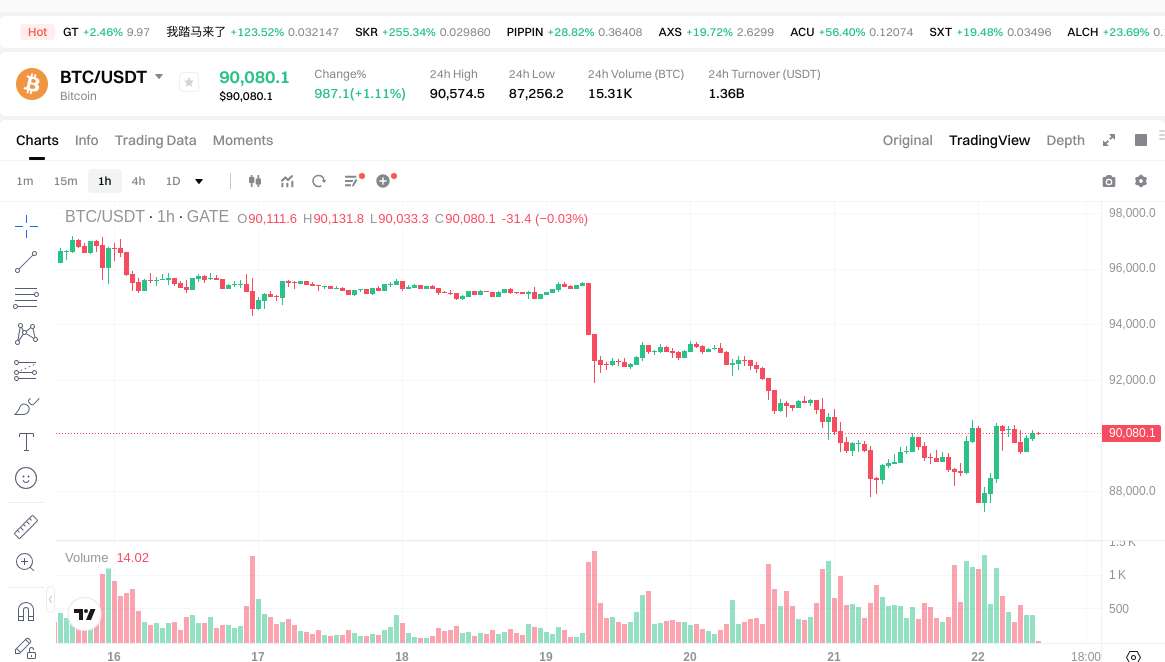
The ticker symbol BTC emerged shortly after Bitcoin's creation in 2008 by an anonymous individual or group operating under the pseudonym Satoshi Nakamoto. On January 3, 2009, Nakamoto launched the Bitcoin network by mining the Genesis Block—the first block in the blockchain. From that pivotal moment, BTC became the shorthand that traders, investors, and everyday users recognize across the globe.

The standardization of BTC as Bitcoin's ticker symbol plays a crucial role in financial markets and trading platforms. Just as stock traders use ticker symbols to quickly identify companies, cryptocurrency traders use BTC to reference Bitcoin in trading pairs, price charts, and market analysis. While you might occasionally encounter "XBT" in certain financial contexts—particularly in traditional forex trading systems—BTC remains overwhelmingly dominant as the standard abbreviation.

Interestingly, in casual text messaging, "BTC" can sometimes mean "Because They Can," but within financial and cryptocurrency discussions, it exclusively refers to Bitcoin. This dual meaning rarely causes confusion, as context makes the intended meaning clear. Understanding this simple abbreviation is your gateway to navigating the cryptocurrency ecosystem with confidence.

How Does BTC Work? Blockchain Basics

Bitcoin operates on revolutionary blockchain technology, which functions as a distributed digital ledger recording every transaction across a vast network of computers worldwide. This technological foundation represents a fundamental departure from traditional financial systems.

Unlike conventional banking systems where a central authority controls and validates transactions, Bitcoin embraces decentralization. No single bank, government, or corporation owns or controls the Bitcoin network. Instead, thousands of independent computers called nodes work collectively to maintain the system's integrity and security.

When someone initiates a BTC transaction, the process unfolds through several sophisticated steps. The transaction gets broadcast to the entire network of nodes, which then verify its legitimacy by checking that the sender has sufficient funds and proper authorization. Once validated, the transaction joins a pool of pending transactions waiting to be added to the blockchain.

Bitcoin mining represents the mechanism that secures the network and processes transactions. Miners operate powerful computers that compete to solve complex mathematical puzzles. The first miner to solve the puzzle earns the right to add the next block of transactions to the blockchain, receiving newly created bitcoins as a reward. This competitive process, known as Proof of Work, ensures network security while creating new bitcoins at a predictable rate.

Every Bitcoin user maintains a digital wallet with a unique address—a string of letters and numbers that functions like a bank account number. These addresses enable users to send and receive BTC securely. The blockchain's transparency means anyone can view transaction history, yet the system maintains privacy by not directly linking addresses to real-world identities.

What distinguishes Bitcoin from traditional currencies is its fixed supply cap. Only 21 million bitcoins will ever exist, creating digital scarcity similar to precious metals like gold. This predetermined limit protects Bitcoin from inflation that typically affects government-issued currencies, earning it the nickname "digital gold." As more bitcoins are mined, the mining reward decreases through events called "halvings," ensuring the supply approaches but never exceeds the 21 million limit.

Why BTC Is Valuable and How to Buy Bitcoin

Bitcoin's value derives from several distinctive characteristics that traditional currencies cannot replicate. The 21 million coin limit creates genuine scarcity, protecting holders from the inflation that erodes purchasing power in conventional fiat currencies. This scarcity, combined with growing demand, forms the foundation of Bitcoin's value proposition.

The decentralized architecture means Bitcoin operates independently of any central bank, government, or political system. This independence makes it resistant to censorship, capital controls, and arbitrary policy changes that affect traditional currencies. Anyone with internet access can participate in the Bitcoin network, regardless of their location or political environment.

Bitcoin enables borderless transactions that settle within minutes, eliminating the delays and restrictions common in international banking. Traditional wire transfers can take days and incur substantial fees, while Bitcoin transactions complete quickly with relatively lower costs. This utility makes Bitcoin particularly valuable for cross-border commerce and remittances.

Many investors view Bitcoin as a store of value, especially during periods of economic uncertainty or currency devaluation. The transparent nature of blockchain technology allows anyone to verify transactions and audit the total supply, building trust without requiring intermediaries. This transparency, combined with cryptographic security, creates a level of accountability impossible in traditional financial systems.

Getting started with Bitcoin is more accessible than most newcomers expect. The first step involves selecting a reputable cryptocurrency exchange—platforms designed specifically for buying, selling, and storing digital assets. Leading exchanges offer user-friendly interfaces that simplify the process for beginners while providing advanced features for experienced traders.

New users must complete identity verification, a standard requirement that involves providing government-issued identification. This Know Your Customer (KYC) process complies with financial regulations and helps prevent fraud. While some users initially find verification inconvenient, it protects both the platform and its users from illegal activities.

After verification approval, you can deposit funds using various methods including bank transfers, debit cards, or credit cards. Each method has different processing times and fee structures, so reviewing the options helps optimize your experience. Once funds appear in your account, you can purchase Bitcoin in any amount that fits your budget.

A common misconception among beginners is that you must buy whole bitcoins. In reality, Bitcoin is divisible into 100 million smaller units called satoshis, named after Bitcoin's creator. This divisibility means you can start investing with just a few dollars, making Bitcoin accessible regardless of your financial situation. Whether you purchase 0.001 BTC or multiple whole coins, you own real Bitcoin with the same properties and potential.

After purchasing BTC, mainstream exchanges provide secure wallet storage for your holdings. However, many experienced users transfer their Bitcoin to private hardware wallets—physical devices that store cryptocurrency offline. This practice, known as "cold storage," provides additional security against online threats, though it requires more technical knowledge and responsibility for safeguarding your assets.

Conclusion

Understanding what BTC stands for opens the door to the entire cryptocurrency ecosystem and represents your first step toward financial literacy in the digital age. BTC—Bitcoin's universal abbreviation—symbolizes more than a digital currency; it represents a revolutionary technology reshaping how society thinks about money, transactions, and financial sovereignty.

Bitcoin's blockchain foundation provides security and transparency that traditional financial systems cannot match. The fixed supply of 21 million coins creates digital scarcity, while decentralization ensures no single entity can manipulate or control the network. These characteristics make Bitcoin unique compared to government-issued currencies and position it as a potential hedge against inflation and economic instability.

Whether you're interested in Bitcoin as an investment opportunity, a payment method, or simply wish to understand modern finance, beginning your journey is easier than ever. Reputable cryptocurrency exchanges provide beginner-friendly platforms for exploring digital assets safely and securely. Remember that Bitcoin's divisibility means you can start with small amounts and expand your holdings as your knowledge and confidence grow.

Your understanding of BTC forms the foundation for navigating the exciting world of digital assets. As cryptocurrency adoption continues expanding across industries and geographies, familiarity with Bitcoin and its underlying technology becomes increasingly valuable. The journey from curiosity to competence begins with simple steps—learning what BTC means, understanding how Bitcoin works, and taking that first small investment. The cryptocurrency revolution is underway, and your knowledge of BTC positions you to participate in this transformative financial evolution.

FAQ

What does BTC stand for? Why is Bitcoin called BTC?

BTC is the ticker symbol for Bitcoin, derived from its full name. The abbreviation follows standard currency coding conventions, where BTC represents Bitcoin in financial markets and trading platforms worldwide.

What is Bitcoin (BTC) and what is it used for?

Bitcoin is a decentralized digital currency that operates on blockchain technology. It serves as a peer-to-peer payment system, store of value, and investment asset. BTC enables borderless transactions with lower fees and provides financial independence from traditional banking systems.

How to buy and store Bitcoin (BTC)?

Purchase BTC through peer-to-peer transfers or mining. Store securely using hardware wallets for offline protection, or hot wallets for convenient access. Always maintain private keys and enable two-factor authentication for security.

What are the differences between Bitcoin (BTC) and other cryptocurrencies?

Bitcoin is the first and most established cryptocurrency with the largest market cap and transaction volume. It uses Proof of Work consensus and focuses on decentralization and security. Other cryptocurrencies often offer faster transactions, lower fees, or additional features like smart contracts, but Bitcoin remains the most recognized and trusted digital asset.

What are the risks of investing in Bitcoin (BTC)?

Bitcoin faces volatility risk from price fluctuations, regulatory uncertainty, security risks from hacking, market manipulation, and technological obsolescence. Additionally, liquidity risks and leverage trading can amplify losses for investors.

How is the price of Bitcoin (BTC) determined?

Bitcoin's price is determined by supply and demand dynamics in the market. Factors include transaction volume, investor sentiment, macroeconomic conditions, regulatory developments, and scarcity. As adoption increases and circulation remains limited, price discovery occurs through continuous market trading.

* 本文章不作为 Gate 提供的投资理财建议或其他任何类型的建议。 投资有风险,入市须谨慎。

分享

目录

What Does BTC Stand For in Bitcoin?

How Does BTC Work? Blockchain Basics

Why BTC Is Valuable and How to Buy Bitcoin

Conclusion

FAQ

相关文章
Understanding Bitcoin Mining Pools: A Comprehensive Guide

Understanding Bitcoin Mining Pools: A Comprehensive Guide

This comprehensive guide explores the evolution of cryptocurrency mining pools, offering insights into their benefits and challenges. It addresses key concerns such as reward models, operational structures, and the balance of solo vs pooled mining. Ideal for miners seeking to optimize performance, the article breaks down mining pool mechanics, highlights top pools like Gate, and provides step-by-step instructions for joining. By enhancing mining efficiency and accessibility, this guide enables readers to understand the complexities of mining pools while spotlighting potential profitability and environmental concerns.
2025-11-25 10:10:05
Understanding Cryptocurrency Mining Pools: A Beginner's Guide
Understanding Cryptocurrency Mining Pools: A Beginner's Guide

The article "Understanding Cryptocurrency Mining Pools: A Beginner's Guide" delves into the essential role of mining pools in the crypto ecosystem. It explains what mining pools are, how they function, and highlights different types such as PPS and PPLNS. The guide offers practical insights for novice miners on choosing the right pool by evaluating factors like fee structures and security. It addresses common queries about joining and benefiting from mining pools, providing a clear path for beginners to optimize their mining efforts effectively.
2025-11-30 04:39:02
Benefits and Key Features of ASIC Mining Hardware
Benefits and Key Features of ASIC Mining Hardware

Explore the benefits of ASIC mining hardware for 2025. Find out how to select the optimal ASIC, compare different models, and calculate both profitability and ROI. This complete Bitcoin mining guide offers expert advice on pool selection, configuration, and ASIC maintenance.
2025-12-27 14:13:17
How to Buy Bitcoin in 2009 Explained

How to Buy Bitcoin in 2009 Explained

This comprehensive guide explores how Bitcoin was acquired during its pioneering 2009 era, when cryptocurrency existed primarily as experimental technology accessible only to tech enthusiasts and cypherpunks. The article traces Bitcoin's journey from Satoshi Nakamoto's genesis block through early acquisition methods, highlighting that mining with standard home computers and peer-to-peer trading were the primary channels before any exchanges existed. You'll discover the technical requirements, storage challenges, and grassroots nature of early adoption, including the ultra-low entry thresholds that democratized Bitcoin distribution. The guide contrasts 2009's decentralized, fee-free ecosystem with today's regulated platforms on Gate and other infrastructure, providing valuable perspective on cryptocurrency's remarkable evolution from niche experiment to global phenomenon.
2026-01-15 17:20:29
How to Mine Bitcoin on iPhone

How to Mine Bitcoin on iPhone

This comprehensive guide walks you through smartphone Bitcoin mining in five practical steps. Learn to download specialized mining applications, set up secure cryptocurrency wallets, and join mining pools to maximize earnings potential. The article covers essential configuration settings, performance monitoring, and device health management to optimize your mining experience. While detailed step-by-step instructions demonstrate how to launch mining operations on your iPhone, the FAQ section provides realistic expectations about profitability and efficiency compared to professional ASIC miners. Whether you're exploring blockchain technology or seeking supplementary cryptocurrency income, this guide equips beginners with actionable strategies for mobile mining on Gate and other platforms, while highlighting important considerations regarding battery life, thermal management, and security protocols.
2026-01-16 06:07:41
Setting Up Your Own Cryptocurrency Mining Pool: A Step-by-Step Guide

Setting Up Your Own Cryptocurrency Mining Pool: A Step-by-Step Guide

This article provides a comprehensive step-by-step guide on setting up your own cryptocurrency mining pool. It covers core concepts such as the function and types of mining pools, their benefits and drawbacks, and crucial considerations for building a successful mining pool. The guide addresses challenges faced by individual miners and provides strategies for optimal resource pooling and reward distribution. Ideal for aspiring mining pool operators, the content offers insights into technical, operational, and economic facets essential for establishing a sustainable mining network. Keywords: mining pools, cryptocurrency, resource pooling, reward distribution, Gate.
2025-12-05 09:56:41
猜你喜欢
Ethereum vs Solana: Comprehensive Comparison

Ethereum vs Solana: Comprehensive Comparison

This comprehensive guide compares Ethereum and Solana, two leading blockchain platforms with distinct strengths. Ethereum, launched in 2015, dominates with proven security, extensive decentralization, and a mature DeFi and NFT ecosystem, featuring over 1 million validators. Solana offers compelling alternatives through superior speed (65,000 TPS), dramatically lower fees ($0.00025), and innovative Proof-of-History technology, attracting users prioritizing performance and cost efficiency. The article explores consensus mechanisms, transaction costs, ecosystem development, network stability, developer communities, and investment dynamics, helping readers understand which platform suits their specific needs. Both platforms continue evolving with ambitious technical roadmaps while serving complementary roles in the blockchain landscape, supporting different use cases from enterprise applications to high-frequency gaming and trading platforms.
2026-01-22 05:29:58
Solana Nears $140 Amid ETF Momentum

Solana Nears $140 Amid ETF Momentum

Solana's recent rally to $140 reflects converging bullish factors reshaping SOL's investment landscape. ETF inflows provide sustained institutional demand, while governance proposals promise accelerated token supply reduction, improving long-term supply-demand dynamics. Network fundamentals demonstrate strength through expanded DeFi activity, growing developer engagement, and increasing cross-chain integrations. This article examines how ETF developments, protocol tokenomics upgrades, and robust on-chain metrics combine to support Solana's price trajectory. We analyze demand drivers, institutional adoption trends, risk considerations, and what these developments mean for different market participants—from long-term investors to active traders exploring Gate trading opportunities. Understanding these interconnected factors helps investors assess Solana's positioning in the evolving digital asset landscape.
2026-01-22 05:27:25
Major Daily Puzzle Durov for October 22, 2024

Major Daily Puzzle Durov for October 22, 2024

This comprehensive guide explores the Durov Puzzle challenge within the Major gaming ecosystem, where players earn 5,000 stars by arranging Pavel Durov's sequential cartoon faces. The article details Major's user-centric tokenomics strategy, allocating 80% of tokens to the community, with 60% immediately available to current players and 20% reserved for future farming incentives. Additionally, it covers MAJOR token Pre-Market trading opportunities on Gate, featuring two settlement methods: coin settlement with security deposits ensuring delivery, and USDT settlement based on average index prices for immediate transactions. The guide includes strategic trading insights and FAQs addressing Pavel Durov's background, Telegram's development history, puzzle-solving tips, and key platform features, making it essential for both casual gamers and crypto traders seeking exposure to the Major ecosystem.
2026-01-22 05:11:53
Who Funds Redacted: Unveiling the Mystery Behind Financial Backing in Cryptocurrency Projects
Who Funds Redacted: Unveiling the Mystery Behind Financial Backing in Cryptocurrency Projects

This article explores the complex funding landscape behind redacted cryptocurrency projects, examining how these enigmatic initiatives raise capital while maintaining operational opacity. It analyzes diverse funding sources including private investors, venture capital firms, government agencies, and decentralized community mechanisms, each presenting distinct advantages and risks. The article highlights how undisclosed financial backing shapes project governance, influences technical priorities, and creates information asymmetries between connected participants and retail investors. By evaluating funding implications through Gate and other analytical frameworks, the piece provides critical insights into assessing project legitimacy and long-term viability in the evolving crypto ecosystem, while addressing regulatory tensions and the ongoing balance between privacy and transparency in blockchain financing.
2026-01-22 05:10:16
What is a Spot ETF Explained

What is a Spot ETF Explained

This comprehensive guide explores spot ETFs, exchange-traded funds that directly hold physical assets like stocks, bonds, and commodities. Unlike synthetic ETFs using derivatives, spot ETFs offer transparency, eliminate counterparty risk, and provide straightforward asset ownership. The article explains how spot ETFs work through authorized participants, their creation-redemption mechanism, and trading on exchanges like stocks. Key benefits include instant diversification, lower expense ratios, intraday trading flexibility, and tax efficiency compared to mutual funds. Investors should consider market volatility, tracking error, liquidity variations across different funds, and tax implications before investing. Whether seeking broad market exposure or commodity investments, spot ETFs serve as cost-effective, transparent tools for building diversified portfolios with regulatory oversight and enhanced investor protection.
2026-01-22 05:05:01
Can Stellar Lumens Reach $100?

Can Stellar Lumens Reach $100?

This comprehensive guide examines whether Stellar Lumens (XLM) can realistically achieve a $100 price target through rigorous analysis of technological infrastructure, market dynamics, and adoption trends. Designed for investors, crypto enthusiasts, and financial professionals, the article explores XLM's unique advantages in cross-border payments, institutional partnerships, and financial inclusion initiatives. It evaluates the mathematical requirements for reaching $100, analyzes historical price performance and market factors, and assesses both opportunities and challenges in Stellar's evolution. The piece provides actionable insights into network adoption metrics, tokenomics, and macroeconomic influences that could drive future appreciation. Readers will gain a realistic understanding of XLM's long-term potential while learning to distinguish between speculative targets and fundamental value drivers in cryptocurrency investment decisions.
2026-01-22 05:02:27