What is altseason, and why is everyone anticipating it

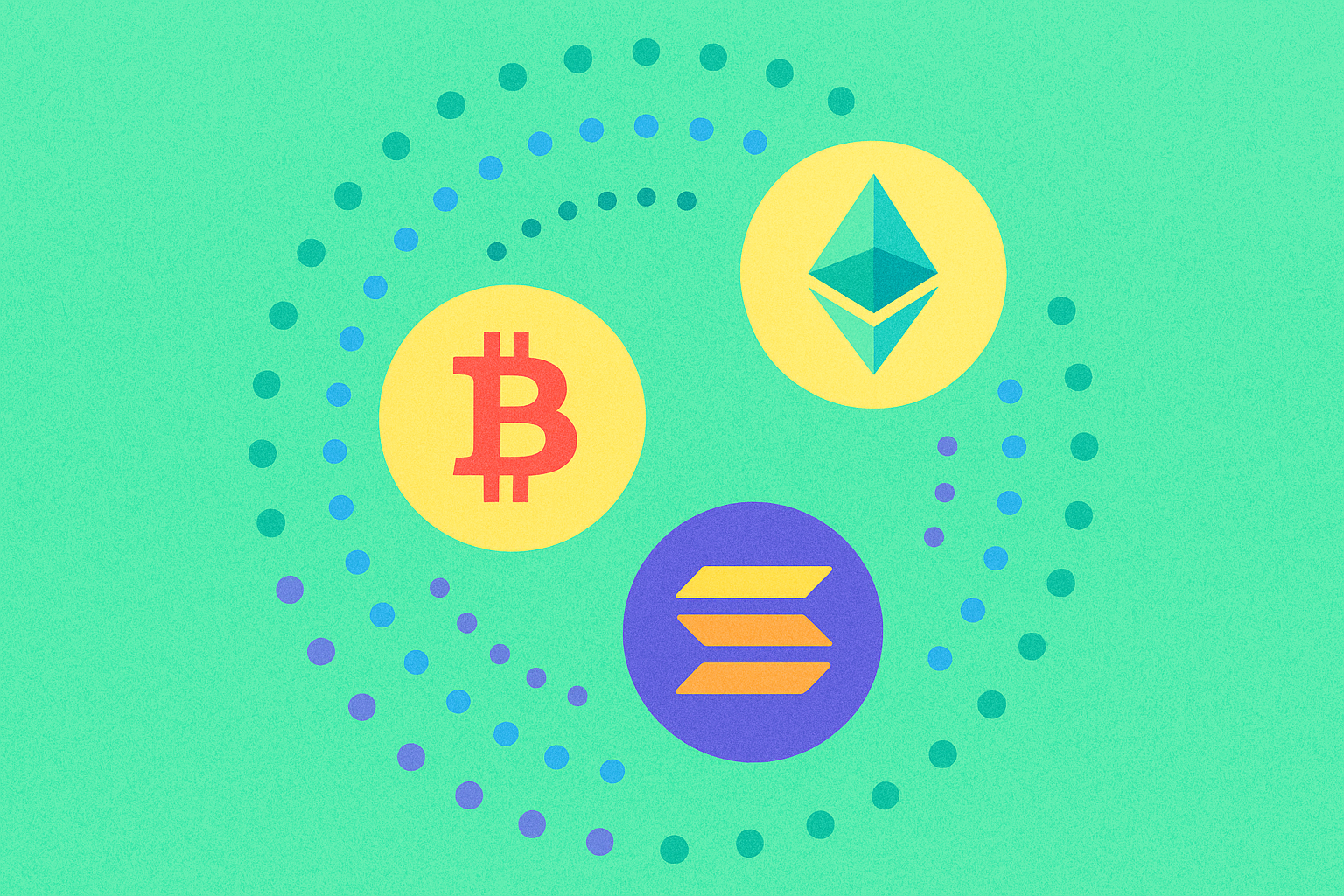
Altseason Defined
Altseason (short for "Altcoin Season") is a period in the cryptocurrency market when altcoins—all cryptocurrencies except Bitcoin—see rapid price increases, often significantly outpacing Bitcoin's performance. During altseason, traders and investors actively shift from BTC into riskier assets seeking higher returns. This phenomenon recurs in cycles throughout the crypto market’s evolution, attracting both experienced traders and newcomers.
Opportunities for Exponential Gains
In altseason, even obscure coins can surge 300%, 500%, or more in just a few weeks. A classic example is the 2017-2018 cycle, when projects like Ripple (XRP), Litecoin (LTC), and Ethereum (ETH) increased in value by dozens of times. Back then, a newcomer could invest a modest sum and see a several-fold return within a couple of months—if the asset selection and timing were right. While these examples showcase altseason’s capital accumulation potential, it’s crucial to remember that such results are never guaranteed and always involve a degree of risk.
Innovation and Emerging Trends
Altcoins frequently drive new technologies and concepts that expand the possibilities within the crypto ecosystem. Each altseason brings fresh trends and development directions:
- DeFi (Decentralized Finance) — protocols for financial operations without intermediaries
- NFTs (Non-Fungible Tokens) — unique digital assets
- GameFi and metaverse projects — gaming ecosystems with economic models
- Layer 2 solutions — technologies for scaling blockchain throughput
- AI tokens and machine learning initiatives — integrating artificial intelligence into the crypto space
Each altseason introduces new industry trends, giving early investors the chance to capitalize on cutting-edge ideas and play a role in market transformation.
Crowd Psychology and the FOMO Effect
When traders and investors see a little-known token jump tenfold, it triggers FOMO—the fear of missing out. This drives a wave of capital into altcoins, especially from new entrants eager not to "miss the next Ethereum." This psychological dynamic is a key driver of altseason, fueling a self-reinforcing cycle of demand and price acceleration. However, such momentum can be volatile and may lead to sharp corrections.
Historical Cycle Patterns
Altseason typically begins after Bitcoin rallies and its price stabilizes or pulls back. Investors lock in BTC profits and rotate funds into altcoins, hoping the bullish momentum will continue in other assets. This cyclical pattern recurs throughout crypto market history and reflects the cyclical nature of investment flows. Understanding this dynamic helps traders navigate market cycles more effectively.
Past Altseason Examples
Altseason 2017-2018
The 2017-2018 period marked the first major altseason in cryptocurrency history:
- Ethereum surged from $8 to over $1,400
- Ripple (XRP) soared from $0.006 to $3.84
- NEM, NEO, IOTA, and other projects delivered x10 to x100 returns
- This cycle saw the first widespread boom in ICOs (Initial Coin Offerings), introducing most investors to terms like smart contracts and tokenomics for the first time
This era marked the birth of decentralized applications and laid the foundation for the future growth of the altcoin ecosystem.
Altseason 2021
The 2021 altseason triggered a new wave of innovation and opportunity:
- The rise of DeFi and NFTs: Uniswap, Aave, Compound, Sushi, PancakeSwap, and other protocols attracted billions in decentralized finance
- Solana (SOL) climbed from $2 to over $200, becoming one of the fastest-growing blockchain platforms
- Axie Infinity (AXS), a leader in GameFi, soared from $0.50 to $160
- The metaverse and "Play-to-Earn" game trends began, bringing in millions of users
This period showcased the expansion of cryptocurrency utility far beyond financial transactions.
How to Recognize the Start of Altseason
The crypto community uses several key metrics to spot the beginning of altseason:
Bitcoin Dominance (Bitcoin Dominance) — A drop in Bitcoin Dominance signals capital rotation into altcoins. When BTC Dominance falls from 60% toward 40% or below, it typically marks active altseason.
Trading Volume — A notable increase in altcoin trading volumes indicates strong market engagement.
Analytics Platform Trends — More new tokens appearing in CoinMarketCap and other analytics platform trends signal new project launches and rising interest.
Social Activity — Growing discussions in crypto communities, along with heightened activity on social media and forums, also indicate altseason’s onset.
Conclusion
Altseason brings both major opportunities and significant risks. It’s rare, but when it arrives, it’s a true highlight for the crypto community. Experienced traders prepare by building portfolios, tracking metrics, and managing risk. Newcomers learn in real time—sometimes losing, sometimes multiplying their capital quickly.
Understanding the mechanics of altseason, its signals, and historical patterns enables market participants to make better-informed decisions. Remember: the higher the potential reward, the more critical it is to remain rational and have a solid strategy. Success during altseason depends not only on luck, but on preparation, expertise, and discipline.
FAQ
What Is Altseason and How Can You Spot It in the Crypto Market?
Altseason is when altcoins outperform Bitcoin. It’s identifiable by strong altcoin price growth, rising trading volume, and declining BTC dominance. Altseason usually follows a rally in the leading asset.
Why Do Investors Anticipate Altseason?
Investors anticipate altseason because, after Bitcoin rallies, capital flows into altcoins, driving sharp increases in their prices and trading activity.
What Are the Signs That Altseason Has Started?
Key signs of altseason include falling Bitcoin dominance, faster growth in altcoins, increased trading activity, and new capital entering the alternative asset market.
How Is Altseason Different from a Bull Market?
Altseason refers to altcoin growth as Bitcoin’s market share declines. In a bull market, Bitcoin leads the entire market’s rally. Altseason is focused on altcoin surges, while a bull market encompasses the whole crypto sector.
What Risks Exist When Investing During Altseason?
Altseason risks include high altcoin price volatility, low liquidity, market manipulation, and project failures. Careful analysis and portfolio diversification are essential to manage losses.
Which altcoins typically grow during altseason and why?
During altseason, Ethereum and Layer 1 blockchains usually lead due to their high liquidity and dominant trading volumes. Capital then flows into higher-risk, lower-cap assets that offer greater return potential.
Altseason Kickoff: How and When to Invest in Alternative Cryptocurrencies

How Do Derivative Market Signals Indicate UNI's Potential Price Recovery in 2025?

How Will SwissCheese (SWCH) Price Evolve in 2025 After 34% Weekly Gain?

How Does ASTER's Whale Activity Impact Token Liquidity and Price in 2025?

How Does PI Network's Token Distribution and Liquidity Affect Its Market Value?

Cryptocurrency Presale Guide: A Step-by-Step Approach for Beginners
How to Sell Bitcoins on Cash App: A Step-By-Step Guide
Hamster Kombat Daily Combo Cards Guide – GameDev Heroes Edition
How Many Stock Trading Days in a Year: Essential Facts
When You Get Paid Biweekly Meme: A Financial Perspective

How Do You Short a Stock on Robinhood: Step-by-Step Guide