What Is Internet Computer (ICP)? A Complete Fundamentals Analysis of Whitepaper Logic, Use Cases, and Roadmap Progress

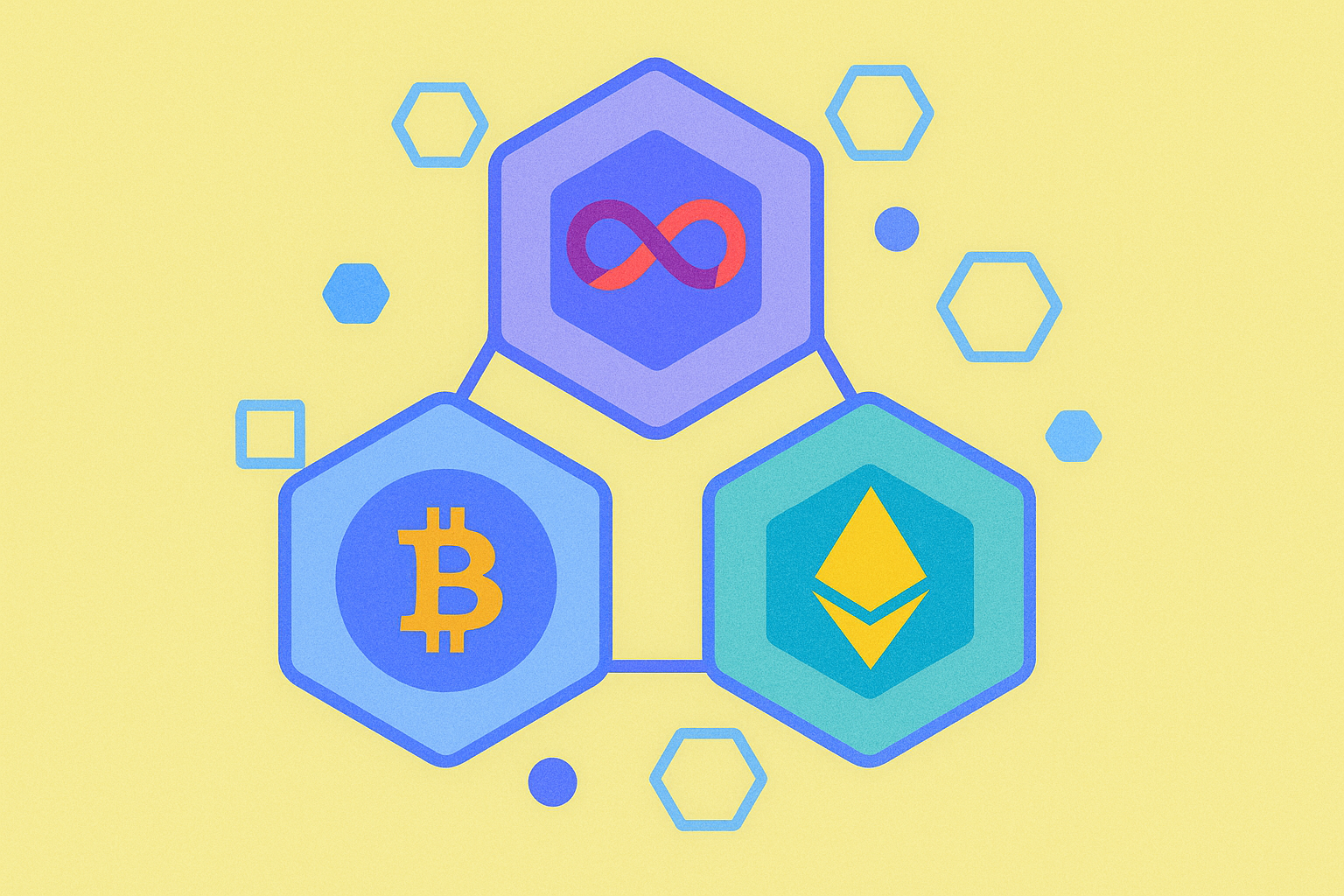
Decentralized Cloud Architecture: Canisters and NNS Governance Model as Core Whitepaper Logic
The Internet Computer protocol implements a sophisticated decentralized cloud architecture centered on two fundamental components: canisters and the Network Nervous System governance model. Canisters serve as smart contract containers that execute computations directly on-chain using WebAssembly, enabling applications to run at web speed without traditional server infrastructure. Each canister is deployed to a subnet, which functions as a replicated state machine maintained by decentralized nodes. This architecture ensures that computations proceed correctly and without interruption, even when some nodes experience failures or security compromises, providing the fault-tolerant foundation necessary for enterprise-grade applications.
The Network Nervous System operates as an advanced algorithmic governance mechanism deployed across a high-replication subnet dedicated to network management. Token holders participate in protocol governance by locking tokens as neurons, creating a decentralized decision-making structure that controls network upgrades and resource allocation. This approach fundamentally differs from traditional cloud providers by distributing authority across the network participants rather than concentrating it in centralized entities.
Integrating canisters with NNS governance creates a self-healing cloud infrastructure. Service Nervous Systems, modeled after the NNS design, allow individual smart contract communities to stake tokens and vote on protocol upgrades autonomously. Combined with chain-key cryptography enabling threshold signing and cross-chain transactions, this architecture empowers developers to build secure, resilient applications while maintaining decentralized governance. The current market capitalization of $1.59 billion reflects growing recognition of this infrastructure innovation.
Multi-Domain Use Cases: From DeFi and SocialFi to Enterprise Applications with Native Bitcoin and Ethereum Integration
Internet Computer's architecture uniquely enables seamless functionality across multiple blockchain domains through its Chain Fusion technology. In the DeFi sector, ICP integrates Bitcoin and Ethereum natively, allowing users to transact ETH and ERC-20 tokens directly on ICP's high-performance network. Through chain-key tokens such as ckETH and ckERC-20, users can send and receive value on ICP DEXs like Sonic or ICPSwap, which operate entirely on-chain with superior throughput compared to traditional blockchain solutions. This native integration eliminates intermediaries while maintaining full custody capabilities.
Beyond DeFi, ICP's SocialFi applications benefit from democratized development tools. Caffeine AI's no-code platform has attracted over 2,000 developers, significantly lowering barriers for non-technical creators to build mass-market applications. This ecosystem expansion reduces reliance on specialized expertise while accelerating innovation cycles.
For enterprise applications, Chain Fusion technology orchestrates interactions between Bitcoin, Ethereum, Solana, and ICP through advanced chain-key cryptography. Organizations can now build multichain custody solutions and enterprise systems that leverage ICP's exceptional compute and storage capacity. The combination of trustless cross-chain interactions with transparent, on-chain AI smart contracts addresses critical enterprise concerns regarding data security and operational transparency.
Institutional adoption has accelerated through ETP rollouts and custodial platforms like Copper, lowering investment barriers for enterprises and institutional stakeholders. This comprehensive multi-domain approach positions ICP as a pivotal infrastructure layer bridging previously siloed blockchain ecosystems.
Technical Innovation and Development Progress: Motoko/Rust CDKs, Chain-Key Cryptography, and Ecosystem Expansion Beyond 2024
Internet Computer's 2025 technical roadmap demonstrates substantial progress across critical infrastructure components. The DFINITY Foundation unveiled 40+ new features focused on enhancing developer experience and blockchain interoperability.
The Motoko and Rust CDK improvements represent significant milestones in simplifying application development. These tools now incorporate enhanced error messaging, improved tooling interfaces, and better integration with ICP's native ledger and certified map types. Developers benefit from streamlined workflows that reduce deployment complexity while maintaining security standards. The 2025 updates emphasize developer accessibility, enabling faster prototyping and production-grade application deployment.
Chain-Key Cryptography serves as the technological foundation enabling ICP's cross-chain capabilities. This innovation permits direct, bridgeless interactions with Bitcoin and Ethereum networks through secure encryption protocols. The implementation leverages Trusted Execution Environments to provide an additional integrity assurance layer, preventing unauthorized access to container states. This architecture eliminates traditional bridge vulnerabilities while maintaining decentralized sovereignty.
Ecosystem expansion metrics validate these technical investments. The network recorded $1.14 billion in Total Value Locked during 2025, supported by 1.2 million active wallets and 500 active developers. Network infrastructure scaled to accommodate these users, with subnet throughput reaching 7 MB/s and the capacity for 1,024 accelerators. These performance parameters enable reliable execution of compute-intensive applications including AI-powered services and DeFi protocols.
These technical advancements collectively position ICP as a comprehensive platform for building sovereign, high-performance decentralized applications with seamless multi-chain integration capabilities.
FAQ
Is ICP coin a good buy?
ICP offers strong potential for growth given its innovative infrastructure and ecosystem development. At current valuations, it presents attractive entry opportunities for investors seeking long-term blockchain exposure and diversification in their crypto portfolio.
Can ICP reach $1000?
While ICP has strong fundamentals as a Layer-1 blockchain, reaching $1000 would require massive adoption and market growth. Current price predictions suggest peaks around $100-109 by 2030. To reach $1000, ICP would need exponential ecosystem expansion, institutional adoption, and significant technological breakthroughs. It's theoretically possible long-term but remains a highly ambitious target.
Does ICP have a future?
Yes, ICP has a promising future. As the backbone of a decentralized internet, ICP continues developing innovative infrastructure with canisters and governance systems. Increasing developer adoption and ecosystem expansion suggest strong long-term potential for sustained growth and value appreciation.
Can ICP hit 100 dollars?
Yes, ICP reaching $100 is possible with strong institutional adoption, ecosystem growth, and increased network utility. While speculative, the project's technological potential and expanding use cases support this possibility in the long term.

How Does the White Paper Logic Shape the Future of Crypto Projects?

Understanding the Internet Computer Protocol: A Comprehensive Guide
Discover SocialFi Payment Token with AIPay: A Comprehensive Guide
How Does ICP's On-Chain Data Reveal Its Market Position in 2025?

How Active is the FET Community and Ecosystem in 2025?

Exploring Decentralized Social Network Protocols in Crypto

Crypto Wallet Security Alert: Fake Application Discovered on Google Play

What are the compliance and regulatory risks in cryptocurrency and how do they impact trading in 2026

Solana Name Service Airdrop Guide: How to Participate and Claim $SNS Rewards?

How to Evaluate Crypto Community and Ecosystem Activity: Twitter Followers, Developer Contributions, and DApp Growth in 2026

What is cryptocurrency regulatory compliance and why does it matter for investors in 2026