LCP_hide_placeholder
fomox
MarketsPerpsSpotSwap
Meme
Referral
More
Become a Smart Money on Tracker
Search Token/Wallet
/

What is SOLV Protocol token: price, market cap, and 24-hour trading volume overview

2026-01-14 05:14:18
Altcoins
Bitcoin
Crypto staking
Cryptocurrency market
DeFi
Article Rating : 4.5
half-star
188 ratings
SOLV Protocol is a Bitcoin staking solution that enables idle Bitcoin to generate passive income within DeFi. This comprehensive guide covers SOLV token's market positioning at #767 on CoinMarketCap with a $21.7 million market cap and $1,188.79 BTC fully diluted valuation. SOLV maintains 1.48 billion circulating tokens from a 9.66 billion total supply, with significant locked tokens released through a structured emission schedule. Trading across 7+ major CEX platforms including Binance, the token demonstrates $4.49 million daily volume, indicating robust liquidity and market accessibility. This overview provides investors with essential SOLV token metrics including price, market cap, trading volume, tokenomics, and risk considerations for informed investment decisions.
What is SOLV Protocol token: price, market cap, and 24-hour trading volume overview

SOLV Protocol market ranking and valuation: $21.7 million market cap with fully diluted value reaching $1,188.79 BTC

SOLV Protocol currently holds a market ranking of #767 on CoinMarketCap, reflecting its position within the broader cryptocurrency ecosystem. The project's market cap of $21.7 million represents the current valuation based on circulating token supply, though this figure reflects dynamic market conditions that shift with trading activity and investor sentiment.

What distinguishes SOLV Protocol's valuation profile is the significant gap between its current market capitalization and its fully diluted valuation (FDV) of $1,188.79 BTC (approximately $128 million in USD equivalent). This substantial difference indicates that SOLV has a considerable portion of tokens that will enter circulation over time. The FDV provides investors with a forward-looking perspective on potential dilution and the token's theoretical value if all supply reaches the market.

With a circulating supply of approximately 1.48 billion tokens, SOLV Protocol's market ranking reflects investor confidence in the Bitcoin staking protocol's potential. The valuation metrics demonstrate how the token market evaluates Solv's role in unlocking liquidity from idle Bitcoin assets and building a Bitcoin-centric financial ecosystem. Understanding these market positioning indicators helps investors contextualize SOLV Protocol's current market standing relative to other cryptocurrency projects.

Token circulation and supply metrics: 9.66 billion SOLV tokens with gradual emission schedule affecting market availability

Solv Protocol maintains a maximum token supply of 9.66 billion SOLV, with only 1.48 billion tokens currently in circulation as of January 2026. This represents just 15.35% of the total supply, indicating significant locked tokens that will enter the market through a structured emission schedule. The gradual release mechanism directly influences market availability and token scarcity dynamics, affecting price pressure over time.

The token allocation spans multiple categories including Private Sale Investors, Community Rewards, Team & Advisors, Ecosystem Development, and other initiatives, each with distinct vesting timelines. This diversified unlock schedule prevents sudden market flooding while gradually distributing tokens across various stakeholder groups. The next major unlock event is scheduled for January 17, 2026, continuing the measured token release strategy.

Supply Metric Amount Percentage
Total Supply 9.66 billion SOLV 100%
Circulating Supply 1.48 billion SOLV 15.35%
Locked Tokens 8.18 billion SOLV 84.65%

Notably, Solv Protocol's maximum token supply may increase through network governance votes related to Bitcoin Reserve Offering initiatives, adding flexibility to tokenomics. This governance-driven approach allows the protocol to adapt supply dynamics based on strategic needs while maintaining transparency through scheduled unlocks. Understanding these supply metrics is crucial for assessing long-term dilution potential and market value implications.

24-hour and 7-day trading volume analysis: $4.49 million daily volume distributed across Binance, BitMart, and KuCoin exchanges

The daily trading volume of SOLV on cryptocurrency markets reflects moderate liquidity levels across major trading platforms. With approximately $4.49 million in combined daily volume, the token demonstrates consistent trading activity that supports reasonable price discovery and order execution. This volume figure encompasses transactions processed through leading exchanges including Binance, BitMart, and KuCoin, which collectively represent the primary liquidity venues for SOLV trading.

Analyzing trading patterns over different timeframes provides insight into market participation. The 24-hour volume metric captures immediate trading interest and short-term momentum, while the 7-day trading volume assessment reveals whether activity represents sustained demand or temporary spikes. SOLV's distribution of trading volume across multiple exchanges indicates a healthy market structure where liquidity isn't concentrated on a single platform, reducing potential slippage for significant orders. This multi-exchange presence strengthens the token's market resilience and accessibility for traders operating on different platforms seeking exposure to Solv Protocol's Bitcoin staking ecosystem.

Exchange coverage and liquidity distribution: SOLV trading across 7+ major CEX platforms with Binance leading at 13.34% of total volume

SOLV token maintains robust exchange coverage across multiple centralized platforms, establishing strong liquidity distribution channels for traders globally. With listings on more than 7 major CEX platforms including MEXC and Bybit, SOLV trading activity demonstrates meaningful market participation and accessibility. Binance emerges as the dominant venue, commanding 13.34% of total trading volume and serving as the primary liquidity hub for SOLV token transactions. The platform hosts a circulating supply of 1,482,600,000 SOLV, representing a significant portion of the token's overall market presence. Beyond Binance's leadership position, SOLV has demonstrated consistent volume increases across other major centralized exchanges, reflecting genuine market interest and trading activity. This multi-exchange presence strengthens the token's liquidity distribution by reducing dependence on any single platform while offering traders diverse execution options and competitive pricing. The distribution of trading volume across 7+ CEX platforms indicates healthy market structure and enhanced accessibility for both retail and institutional participants seeking SOLV token exposure through regulated trading venues.

FAQ

What is SOLV Protocol and what problem does it solve in the DeFi ecosystem?

SOLV Protocol enables idle Bitcoin to generate passive income securely within DeFi. It unlocks Bitcoin's utility by allowing it to participate in yield-generating activities while maintaining safety and security standards.

What is the current price and market capitalization of SOLV token?

As of January 14, 2026, SOLV token has a market capitalization of 18.28 million USD. For real-time price data, check major cryptocurrency tracking platforms.

What is the 24-hour trading volume and liquidity of SOLV token?

SOLV token has a 24-hour trading volume of $6.93 million with deep liquidity and low trading fees. The current price is $0.01372, providing efficient market conditions for traders.

Where can I buy and trade SOLV Protocol tokens?

You can buy and trade SOLV Protocol tokens on major cryptocurrency exchanges with deep liquidity and multiple trading pairs. These platforms offer real-time market prices, advanced order types, and seamless trading experiences for SOLV tokens.

What is the total supply and tokenomics of SOLV token?

SOLV token has a total supply of 8.40 billion. Circulating supply is 1.48 billion with a fully diluted valuation of $260.82 million. The tokenomics structure includes public sale allocation for community participation.

How does SOLV Protocol compare to other similar DeFi protocols?

SOLV Protocol bridges liquidity across DeFi, CeFi, and TradFi by tokenizing previously non-tradable assets into financial NFTs. Unlike BarnBridge and Saffron Finance that primarily tranche yields, SOLV offers custom structured products and unique yield opportunities through Bitcoin staking partnerships, making siloed assets liquid and composable.

What are the main use cases and functions of holding SOLV tokens?

SOLV tokens enable governance participation through voting on protocol proposals. Holders can also stake tokens to earn rewards and support liquidity provision within the Solv Protocol ecosystem.

What are the risks and considerations before investing in SOLV Protocol?

Investing in SOLV carries risks including potential hacking and software vulnerabilities despite security measures. Market volatility and regulatory changes pose additional risks. Conduct thorough research before investing.
* The information is not intended to be and does not constitute financial advice or any other recommendation of any sort offered or endorsed by Gate.

Share

Content

SOLV Protocol market ranking and valuation: $21.7 million market cap with fully diluted value reaching $1,188.79 BTC

Token circulation and supply metrics: 9.66 billion SOLV tokens with gradual emission schedule affecting market availability

24-hour and 7-day trading volume analysis: $4.49 million daily volume distributed across Binance, BitMart, and KuCoin exchanges

Exchange coverage and liquidity distribution: SOLV trading across 7+ major CEX platforms with Binance leading at 13.34% of total volume

FAQ

Related Articles
What is cryptocurrency holdings and capital flow: a complete guide to exchange inflows, staking rates, and on-chain locked value

What is cryptocurrency holdings and capital flow: a complete guide to exchange inflows, staking rates, and on-chain locked value

This article offers a comprehensive guide to cryptocurrency holdings and capital flow, focusing on exchange inflows, staking rates, and on-chain locked value. It examines Bitcoin net flows and market sentiment insights, institutional positioning impacts, and the implications of staking rates in diversified reward structures. Additionally, the dynamics of derivatives markets and capital flow amplification are explored. Ideal for investors and market analysts, this piece provides crucial information on navigating cryptocurrency markets, understanding price movements, and maximizing returns through strategic staking and derivatives. Key topics include exchange flow analysis, institutional control, staking growth, and derivative leverage effects.
2025-12-22 02:30:55
A Journey Through the Evolution of Digital Currency

A Journey Through the Evolution of Digital Currency

This article provides a comprehensive overview of the evolution of digital currency, focusing on its journey from conceptual origins to its current impact on global finance. It addresses the history and milestones of cryptocurrencies, highlighting pivotal moments like the rise of Bitcoin, the introduction of smart contracts by Ethereum, and market dynamics shaped by regulation and innovation. The article's key questions respond to the inquiries about the inception and development of cryptocurrency, appealing to enthusiasts and professionals alike. Its structure ensures readability and easy scanning, emphasizing essential keywords for a clear grasp of cryptocurrency's transformative progress.
2025-11-29 06:02:23
How do exchange inflows and outflows affect crypto holdings and capital flows?

How do exchange inflows and outflows affect crypto holdings and capital flows?

The article explores the influence of exchange inflows and outflows on crypto holdings and capital flows, highlighting key dynamics like sustained capital accumulation, holding concentration risks, and staking mechanisms. It addresses market sentiment, investor confidence, and liquidity challenges while analyzing the impact of institutional positioning on token performance. Readers will gain insights into how trading volume, token distribution, and pledge reward structures affect market stability across digital assets, emphasizing actionable strategies for traders and analysts. Keywords like "exchange net inflows," "holding concentration," and "staking rate" enhance readability for swift comprehension.
2025-12-23 01:29:03
What Is the Current State of the Crypto Market in November 2025?

What Is the Current State of the Crypto Market in November 2025?

The article delves into the cryptocurrency market's status in November 2025, highlighting a total market cap of $5.2 trillion and evolving investment dynamics. It explores Bitcoin’s reduced dominance at 38%, rising altcoin shares, and robust trading activity with $280 billion traded in 24 hours, notably on Gate. Key segments analyze major and emerging cryptocurrencies’ market share, stability, and volume. Coral Finance, an emerging token, serves as a case study of growth potential amidst market volatility. The comprehensive overview offers valuable insights for investors navigating this dynamic landscape, emphasizing trends, risks, and opportunities. Keywords: crypto market, Bitcoin, Coral Finance, trading volume, Gate.
2025-11-16 02:48:52
How do exchange net inflows and staking rates impact ZBCN holdings and capital flows?

How do exchange net inflows and staking rates impact ZBCN holdings and capital flows?

The article delves into how exchange net inflows and staking rates impact ZBCN holdings and capital flows. It examines capital movement patterns across Gate, discusses the risks of holding concentration between institutional and retail investors, and analyzes the effect of staking on liquidity and supply dynamics. This content suits investors and analysts seeking insights into market stability and investment risks. The article is structured to present exchange net flows, holding concentration risks, and staking rate impacts, optimizing keyword density and readability for quick comprehension.
2025-12-21 03:00:06
How Has the Cryptocurrency Market's Volatility Evolved in 2025?
How Has the Cryptocurrency Market's Volatility Evolved in 2025?

This article examines the evolution of cryptocurrency market volatility in 2025, highlighting increased stability compared to previous years. It reviews WLFI token's price trends, pinpointing key support and resistance levels and showcasing decreased volatility. By analyzing market data, the article reveals a weakening correlation between Bitcoin and altcoins, signaling market maturation. Traders and investors will find insights on WLFI's trading behavior, institutional interest, and its role in a more sophisticated and stable digital asset marketplace, particularly noting trading data from Gate.
2025-11-11 01:17:01
Recommended for You
How Long Does USDC Take to Transfer: A Comprehensive Guide
How Long Does USDC Take to Transfer: A Comprehensive Guide

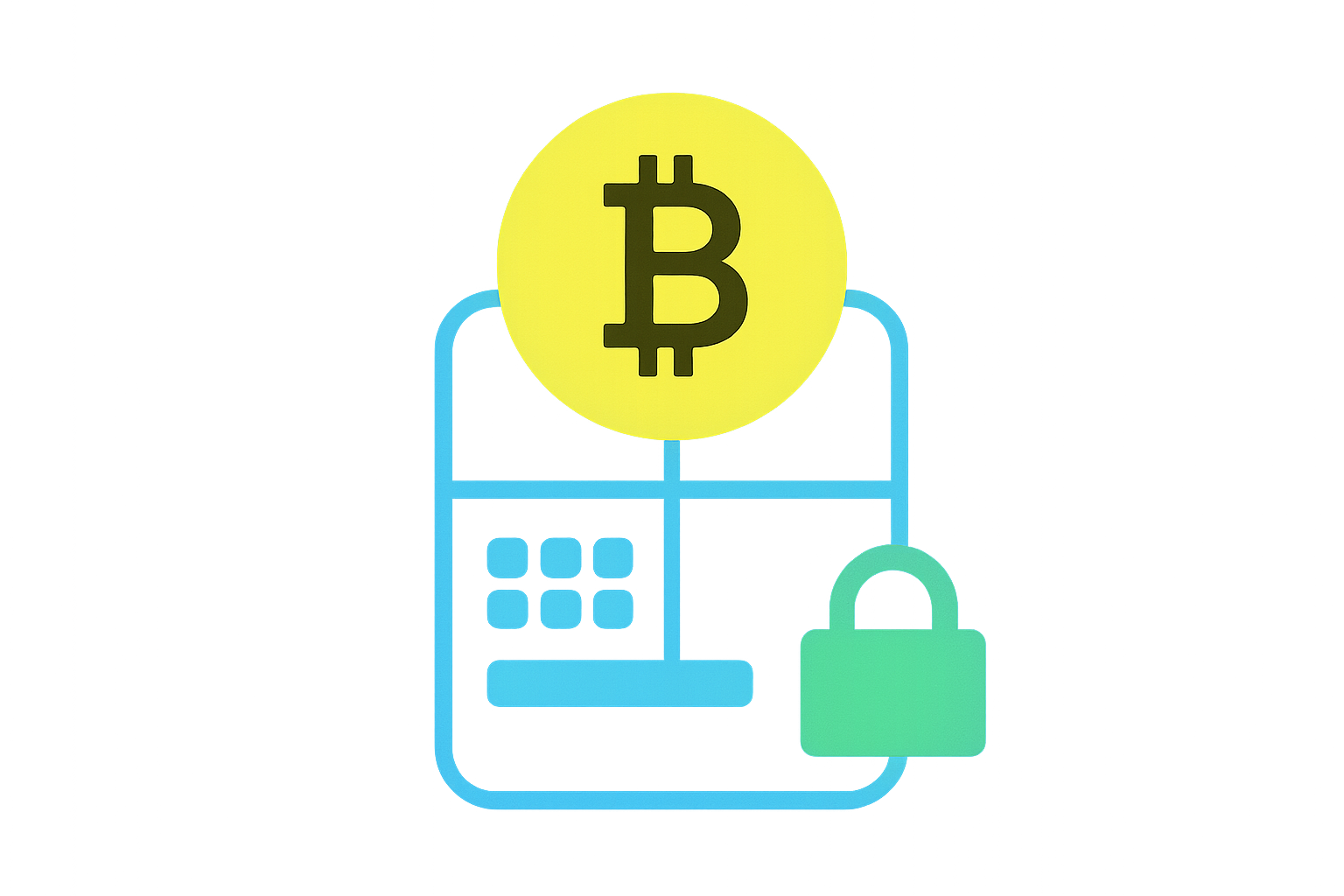
This comprehensive guide explains USDC transfer speeds and durations across major blockchain networks including Ethereum, Solana, Polygon, and Avalanche. USDC, a dollar-backed stablecoin, offers fast and reliable value transfers, but actual speed depends on network selection, gas fees, and congestion levels. Ethereum transfers typically take 1-5 minutes, while Solana completes in under 30 seconds. The article examines key factors influencing transfer duration: blockchain network choice, transaction fees, platform processing times, and security confirmations. It balances speed against cost, providing optimization strategies through network monitoring and appropriate fee selection. Real-world use cases from day trading to merchant payments demonstrate varying speed requirements. Whether prioritizing fast arbitrage execution or economical remittances, users learn to leverage network features effectively, ensuring efficient USDC transfers while maintaining security.
2026-01-14 08:20:53
How to Find Your Bitcoin Address on Cash App
How to Find Your Bitcoin Address on Cash App

This comprehensive guide walks users through locating their Bitcoin address on Cash App, a leading mobile payment platform bridging traditional finance and cryptocurrency. The article explains Bitcoin addresses as unique digital identifiers essential for peer-to-peer transactions, then provides step-by-step instructions for accessing your wallet on Cash App. It covers critical security best practices including address verification, two-factor authentication, and transaction monitoring to prevent irreversible losses. The guide highlights Cash App's user-friendly interface, instant transactions, and integrated financial ecosystem as key advantages. Additionally, it offers essential tips for cryptocurrency users, including enhanced security measures, market awareness, and diversification strategies. Perfect for beginners and experienced users navigating digital assets through Gate or similar platforms.
2026-01-14 08:16:15
When will the final Bitcoin be mined? Full timeline explained

When will the final Bitcoin be mined? Full timeline explained

Discover when the final Bitcoin will be mined—and why this is projected for 2140. Explore a detailed analysis of halving events, emission charts, mining end dates, and the cryptocurrency economy on Gate, tailored for investors and traders.
2026-01-14 08:13:55
What Will Shiba Inu Be Worth in 2030?
What Will Shiba Inu Be Worth in 2030?

This comprehensive article examines Shiba Inu's value potential through 2030 by analyzing five critical drivers: community strength and market demand, adoption rates across payment and DeFi systems, technological advancements including layer-2 solutions like Shibarium, regulatory frameworks across major economies, and overall cryptocurrency sentiment. The article emphasizes that while Shiba Inu's origins as a meme coin remain relevant, its evolution depends on real-world utility development, institutional adoption, and technological improvements. Investors will face both opportunities and risks, with outcomes ranging from substantial gains to significant losses depending on how these factors converge. Success requires sustained community engagement, successful ecosystem development, favorable regulatory conditions, and positive market cycles. The article provides essential context for evaluating Shiba Inu as an investment on Gate or other platforms, stressing the importance of risk assessment, portfolio diver
2026-01-14 08:11:27
How to Sell Crypto on Trust Wallet

How to Sell Crypto on Trust Wallet

This comprehensive guide explains how to securely sell Bitcoin and cryptocurrencies using Trust Wallet, a non-custodial multi-asset wallet supporting thousands of digital tokens. The article walks readers through essential steps including wallet setup, transferring crypto to reputable exchanges like Gate for fiat conversion, and executing sales orders. It covers preparation processes, step-by-step selling procedures, and critical security measures such as enabling two-factor authentication, protecting recovery phrases, and verifying transaction addresses. The guide also addresses common concerns through its FAQ section, helping both beginners and experienced traders confidently manage their digital assets while minimizing risk and maximizing control over their cryptocurrency transactions.
2026-01-14 08:09:07
Is Gold Cheaper in Mexico: Crypto Market Insights

Is Gold Cheaper in Mexico: Crypto Market Insights

This comprehensive article examines gold pricing differences between Mexico and the USA, analyzing how currency fluctuations, taxes, import duties, and local demand patterns influence costs. It explores key factors affecting Mexican gold prices and reveals why production proximity doesn't guarantee lower retail prices due to export-import cycles and distribution markups. The article compares traditional gold markets with blockchain-based alternatives, highlighting transparency advantages and real-time pricing efficiency on crypto exchanges like Gate. It addresses common misconceptions about cheaper Mexican gold while providing practical investment tips for cross-border diversification. The guide helps investors make informed decisions by comparing total costs, considering liquidity needs, and evaluating both physical and tokenized precious metals as complementary portfolio components.
2026-01-14 08:04:38