What Is StakeStone? A Comprehensive Overview of the $STO Token and Its Growth Potential

Introduction to StakeStone (STO)
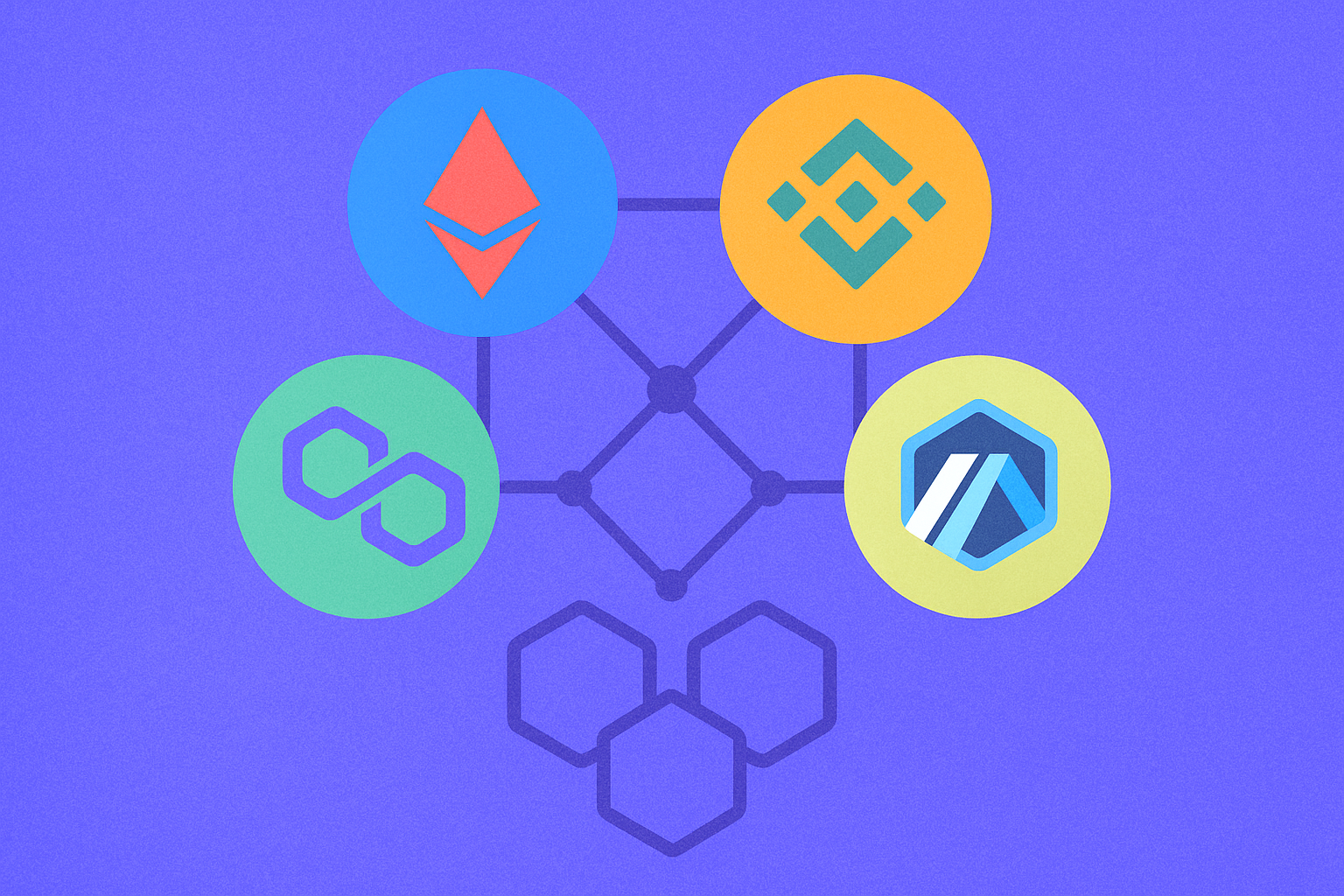
StakeStone (STO) is a decentralized omnichain liquidity infrastructure engineered to optimize yield and seamlessly distribute liquidity across all blockchain networks. The project marks a major leap forward in liquid staking, offering a robust solution to liquidity fragmentation within the multi-chain blockchain ecosystem.
In Q1 2025, the $STO token will be officially listed on leading exchanges with the STO/USDT trading pair. This listing is a significant milestone for the StakeStone community and opens new opportunities for global investors seeking decentralized liquid staking exposure.
StakeStone (STO) Listing Details
StakeStone (STO) will be listed on major exchanges following a clear schedule:
- Trading Pair: STO/USDT
- Deposit Window: Open before trading begins
- Trading Start: Q1 2025
- Withdrawal Window: Immediately after trading opens
Multi-exchange listings boost STO token liquidity and accessibility, helping ensure transparent and fair market pricing.
StakeStone (STO) vs. Peer Tokens: Comparative Analysis
To evaluate StakeStone (STO)’s potential, we analyze the performance of leading liquid staking tokens. Early movers in this sector provide valuable benchmarks for growth trends.
Historical Performance: Liquid Staking Tokens
Reviewing the first 30 days post-listing of major sector tokens:
| Token | Initial Price | 30-Day High | Growth Rate | Drawdown |
|---|---|---|---|---|
| Lido DAO (LDO) | $0.73 | $2.45 | +235% | -40% |
| Rocket Pool (RPL) | $2.20 | $6.80 | +209% | -35% |
| Frax Share (FXS) | $4.30 | $11.70 | +172% | -38% |
| StakeStone (STO) (Est.) | $1.49 | $3.29 | +205% (Avg.) | -37% (Projected) |
Market Trend Insights
Typical Growth: Liquid staking tokens typically see strong price appreciation in the first 30 days post-listing, averaging around +200%. This signals robust market demand for yield optimization solutions.
Correction Cycle: Historical data shows liquid staking tokens often experience a 30-40% price correction within 7-14 days of their peak. This is a natural market adjustment as prices seek equilibrium after initial surges.
Investor Sentiment: Appeal for liquid staking projects centers on passive income generation while maintaining asset liquidity. If StakeStone sustains its development roadmap and builds a strong community, the long-term growth potential remains considerable.
Price Outlook by Timeframe
| Period | Estimated Price Range | Reference Model |
|---|---|---|
| Short Term (1-3 Months) | $1.49-$3.29 | Post-listing growth trends of LDO, RPL |
| Medium Term (3-6 Months) | $2.81-$3.47 | Sustainable sector growth pattern |
| Long Term (1 Year+) | $2.67+ | Adoption and ecosystem expansion rate |
Note: All price projections are sourced from independent analyses at time of writing and are for reference only. Investors should conduct their own due diligence and track real-time market data before making investment decisions.
StakeStone (STO): Protocol Deep Dive
StakeStone (STO) is a next-generation liquid staking protocol engineered to overcome the limitations of legacy staking models. The project is more than a platform—it’s a comprehensive ecosystem for maximizing yields and managing liquidity across multiple blockchains.
StakeStone Key Features
Omnichain Architecture: StakeStone’s omnichain design lets users stake assets on one blockchain and use that liquidity across others. This removes the traditional tradeoff between locking assets for staking and needing liquidity for DeFi participation.
Example: Staking ETH on Ethereum via StakeStone grants users a representative token (STONE) that can be immediately used on DeFi platforms like Arbitrum, Optimism, or BNB Chain—no need to unstake the original ETH.
Smart Yield Optimization: StakeStone employs advanced algorithms to allocate staked assets to the highest performing validators and pools, continually monitoring and rebalancing strategies so users receive optimal returns—typically far exceeding direct staking yields.
This approach maximizes both base staking rewards and additional yield opportunities via DeFi, delivering a compounding effect for users.
Multi-Layered Security and Transparency: StakeStone incorporates multiple layers of protection:
- Frequent smart contract audits by top security firms
- Real-time monitoring to detect anomalies
- Decentralized governance so the community can direct key decisions
- Insurance mechanisms to mitigate technical risks
Milestone: Token Generation Event
StakeStone participated in a Token Generation Event (TGE) hosted by a leading crypto wallet—its eighth TGE supporting promising blockchain projects.
During the event, users registered for STO token distribution via fair mechanisms. This not only ensured broad community participation, but also established a strong initial user base for the StakeStone ecosystem.
Being selected for TGE highlights industry recognition of StakeStone’s quality and potential, and unlocked access to a large pool of early users.
Scaling Market Reach
Following the TGE, StakeStone expanded its presence by listing on multiple top exchanges. This multi-platform strategy delivers key benefits:
- Liquidity Boost: Multi-exchange access increases trading volume and reduces slippage
- User Base Expansion: Reach investors across geographies
- Fair Market Pricing: Multiple venues support efficient price discovery
- Credibility: Listings with reputable exchanges enhance trust
Backed by these foundational events, StakeStone is positioned for rapid growth in DeFi—driven by both advanced technology and a thriving, engaged user community.
StakeStone Mechanism & User Benefits
Technical Architecture
Blockchain Foundation: StakeStone is built primarily on Ethereum, leveraging its security and decentralization. The protocol further integrates with other blockchains via cross-chain bridges, creating a seamless multi-chain ecosystem.
Ethereum was chosen for its extensive DeFi ecosystem, deep liquidity, and active developer community, enabling StakeStone to integrate with hundreds of protocols and broaden user yield opportunities.
Proof-of-Stake & Liquid Staking Model: StakeStone’s advanced liquid staking design combines PoS benefits with DeFi flexibility:
- Users deposit assets (ETH, BTC) into the protocol
- Assets are automatically allocated to top-performing validators
- Users receive representative tokens (STONE, SBTC) usable immediately
- Representative tokens accrue staking rewards over time
- Users deploy representative tokens in other DeFi applications
This model solves the “liquidity lock” problem in traditional staking, enabling users to earn staking rewards while participating in DeFi.
Cross-Chain Interoperability: StakeStone’s cross-chain capability is a major differentiator. The protocol supports:
- Transferring assets between blockchains without unstaking
- Using staked assets on one chain for DeFi on another
- Optimizing yield by capitalizing on the best opportunities across chains
Core Benefits for Users
Maximum Flexibility: Unlike legacy staking, which demands asset lock-up, StakeStone lets users:
- Withdraw assets anytime by swapping representative tokens
- Seamlessly transfer assets between blockchains
- Use staked assets as collateral in lending protocols
- Participate in liquidity pools for additional trading fee income
Example: A user stakes 10 ETH and receives 10 STONE. They can provide 5 STONE as DEX liquidity, collateralize 3 STONE for stablecoin loans, and keep 2 STONE for staking yield—all simultaneously, without unstaking their original ETH.
Automated Yield Optimization: StakeStone continually:
- Analyzes validator and staking pool performance
- Rebalances allocations for maximum yield
- Exploits cross-chain arbitrage opportunities
- Automatically compounds returns
Users benefit from yields 15-30% higher than direct staking, with no need for manual management.
Security & Transparency: StakeStone puts safety first, offering:
- Smart contracts audited by independent security firms
- Multi-signature protection for critical transactions
- Insurance funds to mitigate technical risks
- Transparent dashboards for real-time asset and yield tracking
- Decentralized governance via STO and veSTO tokens
Team & Strategic Partners
Leadership
StakeStone is led by co-founder and visionary Charles K, whose extensive blockchain and DeFi experience drives the mission to build a sustainable, decentralized omnichain liquidity network.
Charles K’s philosophy emphasizes three pillars: cutting-edge technology, superior user experience, and transparent community governance. His vision extends beyond product to a holistic ecosystem for users to maximize crypto asset returns.
While specific team details remain private, StakeStone is backed by a multi-disciplinary group, including:
- Seasoned blockchain engineers with DeFi expertise
- Security professionals with audit credentials
- Tokenomics specialists focused on sustainable models
- Community and marketing teams
Partnerships & Investors
Top Investment Fund Partnerships: In March 2024, a premier blockchain fund invested in StakeStone, supporting omnichain liquidity expansion. This partnership delivers both capital and:
- Connections to leading blockchain projects
- Technical and product development support
- Expanded partner and integration networks
- Enhanced credibility within the crypto space
This investment affirms StakeStone’s potential, providing resources for long-term growth and market resilience.
Plume Network Partnership: In November 2024, StakeStone partnered with Plume Network, a modular blockchain focused on Real World Assets (RWA). This alliance enables:
Real Asset Integration: StakeStone users can invest in tokenized real assets—real estate, bonds, commodities—while still earning crypto staking yields.
Diversified Income: Combining liquid staking with RWA creates multiple income streams, reduces risk, and boosts total returns.
TradFi-DeFi Bridge: The partnership positions StakeStone as a bridge between traditional and decentralized finance, attracting both crypto and institutional investors.
Broader Ecosystem Integration: StakeStone also collaborates with:
- Major DeFi protocols for STONE/SBTC support
- Blockchain infrastructure providers for cross-chain connectivity
- Oracle platforms for accurate pricing
- Security firms for continuous audit and monitoring
StakeStone (STO) Real-World Applications
Primary Use Cases
Next-Gen Liquid Staking: StakeStone reimagines staking, allowing users to:
Stake While Retaining Liquidity: Users deposit ETH or BTC and receive STONE/SBTC tokens, usable immediately. These tokens represent principal assets and accrue staking rewards over time.
Multi-Platform DeFi Participation: STONE/SBTC tokens are deployable for:
- Liquidity pools on DEXs for trading fee yield
- Lending protocols as collateral
- Yield farming on diverse platforms
- Derivatives and advanced financial products
Real-world example: Staking 100 ETH yields 100 STONE. The user supplies 50 STONE to a STONE-ETH liquidity pool for 15% APY, collateralizes 30 STONE to borrow 15,000 USDT at 8%, and retains 20 STONE for 5% APY. Aggregate yield could reach 20-25% APY—far exceeding traditional staking returns.
Cross-Chain Liquidity Distribution: StakeStone solves liquidity fragmentation:
Seamless Asset Transfers: Users transfer staked assets between blockchains in minutes, no unstaking required—for example, STONE staked on Ethereum can be used on Arbitrum, Optimism, or BNB Chain.
Multi-Chain Yield Optimization: The system identifies high-yield opportunities across chains and suggests asset migration. If Arbitrum offers 30% APY and Ethereum 15%, users can switch instantly.
Multi-Chain DApp Integration: DApps can integrate StakeStone for cross-chain liquidity, expanding product capabilities and user experience.
Lending & Borrowing: STO and StakeStone liquid staking assets integrate deeply with lending protocols:
Yield-Bearing Collateral: Users collateralize STONE/SBTC to borrow other assets, while collateral continues to earn staking rewards—reducing effective borrowing costs.
Example: Borrowing 10,000 USDT at 10% APY with STONE collateral earning 5% APY results in a net borrowing cost of just 5% APY.
Safe Leverage: Borrowing against staked assets enables users to stake further and amplify yields, while maintaining liquidity for risk management.
Impact: Liquid Staking & DeFi Transformation
Enhanced Capital Efficiency: StakeStone revolutionizes crypto asset management:
Eliminating Opportunity Cost: Traditional staking requires choosing between yield and liquidity. StakeStone enables both simultaneously, removing the tradeoff.
Maximized Returns: Users generate multiple income streams from the same capital by deploying staked assets across DeFi.
Superior Risk Management: Liquid staked assets allow rapid position adjustments during volatility, minimizing risk exposure.
TradFi-DeFi Bridge: StakeStone enables:
RWA Integration: Partnerships with RWA platforms let crypto users access tokenized assets—real estate, government bonds, and commodities.
Institutional Capital Access: Traditional finance institutions can use StakeStone as a secure, compliant gateway to DeFi.
Transparency & Compliance: Blockchain ensures all transactions are auditable, supporting regulatory compliance.
Driving Decentralization: StakeStone is committed to decentralization:
No Intermediaries: Users interact directly with smart contracts.
Community Governance: STO and veSTO holders shape protocol decisions and treasury allocations.
Self-Sovereign Assets: Users retain full control of assets via private keys; no authority can freeze or confiscate funds.
Roadmap & Long-Term Vision
Milestones Achieved
Foundation (2024):
Whitepaper Release (Feb 2025): Comprehensive whitepaper launched, introducing:
- STONE: Representative token for staked ETH, accruing yield
- SBTC: Representative token for staked BTC, expanding liquid staking to Bitcoin
- Governance via STO and veSTO
- Omnichain architecture
- Tokenomics and long-term development plan
The whitepaper garnered positive reviews from both the community and industry experts, cementing StakeStone’s foundation.
Partnership Ecosystem Buildout (Mar-Nov 2024):
- Strategic funding by a leading blockchain investment fund (March)
- Plume Network partnership for RWA integration (November)
- Integration with major DeFi and blockchain protocols
- Security audits by top firms
Market Launch (Early 2025):
Token Generation Event (Q1 2025): StakeStone’s TGE enabled community-wide fair token distribution, establishing an initial user base and setting market value.
- Broad token distribution
- Strong initial user base
- Initial market price discovery
Multi-Exchange Listing (Q1 2025): STO listed on several major exchanges, delivering:
- Significant liquidity boost
- Global reach expansion
- Fair price discovery
- Enhanced trust and credibility
Future Development Plans
Cross-Chain Expansion (2025-2026):
StakeStone aims to support additional blockchains:
Ethereum Layer 2: Deep integration with Arbitrum, Optimism, Base, and zkSync for lower gas fees and faster transactions.
Main Blockchains: Expansion to Solana, Avalanche, Polygon for broader user reach and unique chain benefits.
Emerging Chains: Integration with promising new blockchains—Sui, Aptos, Sei—to stay ahead of industry trends.
The vision is a truly omnichain network—frictionless asset movement across any blockchain.
Advanced Yield Strategies:
STONE Optimization: Develop automated strategies for ETH staking yield maximization:
- Dynamic validator allocation based on performance
- Ethical MEV (Maximal Extractable Value) utilization
- Integration with restaking protocols such as EigenLayer
SBTC Expansion: Unlocking new frontiers in Bitcoin staking:
- Secure, efficient Bitcoin staking mechanisms
- Yield-bearing Bitcoin products
- Integration with Bitcoin DeFi protocols
Structured Products: Launching advanced financial products:
- Leveraged staking with auto risk management
- Optimized yield farming solutions
- Derivatives backed by staked assets
Decentralized Governance Upgrade:
veSTO Model: Introducing vote-escrowed STO (veSTO) to:
- Incentivize long-term holding
- Boost voting power for committed participants
- Distribute rewards more equitably
On-Chain Governance: Building a fully on-chain system for:
- Community-driven protocol changes
- Transparent voting on key proposals
- Automated execution of approved decisions
Community Fund: Establishing a community-managed treasury for:
- Funding StakeStone-based projects
- Supporting research and development
- Investing in strategic partner initiatives
Real Asset (RWA) Integration:
StakeStone will expand its RWA partnerships—Plume Network and beyond:
Diversified Asset Support: Staking for:
- Tokenized real estate
- Government and corporate bonds
- Commodities (gold, silver)
- Art and collectibles
Stable Yield: Real assets provide more predictable returns, helping to:
- Reduce portfolio volatility
- Deliver reliable income streams
- Attract traditional investors
Legal Compliance: Ensuring:
- Legally tokenized RWA assets
- Global financial regulatory compliance
- Investor protection
Long-Term Vision
StakeStone’s ambitions:
Global Liquidity Layer: The go-to infrastructure protocol for blockchain integration, providing liquidity access for all users.
Staking Standard-Setter: Establishing new norms for liquid staking, setting benchmarks adopted sector-wide.
TradFi-DeFi Gateway: The premier entry point for traditional institutions into the DeFi ecosystem.
Self-Governing Ecosystem: Building a fully decentralized, autonomous, community-driven ecosystem.
Conclusion
The STO token’s listing on top exchanges marks a pivotal milestone, but it’s only the beginning of StakeStone’s long-term vision. The project isn’t just a short-term yield tool—it’s laying the foundation for the decentralized financial future.
StakeStone’s mission is bold: empower users with frictionless liquidity across blockchains, deliver industry-leading liquid staking, and bridge TradFi with DeFi. These ambitions are realized through tangible products and strategic partnerships.
StakeStone’s strength lies in merging advanced technology with intuitive user experiences, tackling real crypto user challenges: maximizing returns while maintaining flexibility, and enabling multi-faceted DeFi participation without fragmented capital. StakeStone’s omnichain architecture and liquid staking model provide the solution.
As global crypto adoption accelerates, active participants in the StakeStone ecosystem stand to benefit most. Users can engage in multiple ways:
- Trading & Investment: Acquire STO to gain project growth exposure
- Staking: Use StakeStone to stake ETH, BTC, and optimize returns
- Governance: Hold STO/veSTO and help shape protocol development
- Development: Build applications that integrate StakeStone
- Community Engagement: Join marketing, education, and user support efforts
The liquid staking market is rapidly expanding, with TVL in the tens of billions of USD. With innovative technology and a strong team, StakeStone is well-positioned for major sector impact. Early adopters benefit not only from token appreciation, but also from staking and governance rewards.
Nevertheless, every crypto investment carries risk. Users should research thoroughly and understand associated risks—crypto markets are volatile, and DeFi projects can pose technical challenges. StakeStone mitigates risks through security audits, insurance funds, and transparent governance, but no system is risk-free.
Safe and effective digital asset management means using trusted wallets, securing private keys, and investing only what you can afford to lose. Diversification and avoiding concentration in a single project are essential risk management strategies.
As finance continues its digital transformation, projects like StakeStone are building the infrastructure for tomorrow. By providing yield generation, decentralization, transparency, and democratization, StakeStone is poised to lead the DeFi revolution. As more users recognize DeFi’s value, visionary, foundational projects like StakeStone will shape the future of finance.
Listing STO is just the start. The road ahead holds both challenges and opportunities. With a clear roadmap, strong team, and engaged community, StakeStone is positioned to become an industry-leading liquid staking protocol. Those who share this vision and engage actively will be at the forefront of DeFi innovation.
FAQ
What is StakeStone ($STO)? What are its key features and use cases?
StakeStone ($STO) is a decentralized liquidity infrastructure protocol that optimizes ETH and BTC staking liquidity allocation. It delivers innovative solutions for efficient liquidity redistribution across blockchain networks.
How can I buy and hold $STO tokens? Which exchanges support trading?
You can buy and hold $STO on both centralized and decentralized exchanges, including Uniswap, SushiSwap, and PancakeSwap. Select the platform that matches the blockchain network storing your $STO tokens.
What is StakeStone’s tokenomics? What is the total supply and allocation of $STO?
StakeStone’s total supply is 1 billion $STO tokens, allocated as follows: Community 17.87%, Ecosystem 4%, Team 15%, Fund 18.65%, Future airdrop and incentives 7.85%.
What yield does staking $STO offer? What risks and requirements are involved?
Staking $STO provides annual yields of 4%-10% without active trading. Tokens need to be locked for a set period. Risks include market volatility and platform reliability.
How does StakeStone compare to other staking platforms? What advantages and differentiators does it offer?
StakeStone stands out with multi-chain liquidity solutions for ETH and BTC, flexible modular architecture, and comprehensive multi-chain support—delivering superior yield and liquidity compared to traditional staking platforms.
What is StakeStone’s team background and development roadmap?
StakeStone is a core protocol in the Manta Pacific ecosystem, enabling users to deposit assets for yield generation. The team is focused on ZK Layer2 development, moving from Optimistic Rollup to zkEVM, reducing gas fees, and advancing toward a full mainnet powered by zero-knowledge technology.
What risk factors should be considered when investing in $STO?
Investing in $STO involves market liquidity risks—as the secondary market matures, trading may be challenging. Regulatory policy changes can also impact investment security.

What is HEMI and How Does it Bridge Bitcoin and Ethereum?

How to Analyze a Crypto Project's Fundamentals: 5 Key Factors to Consider

How to Conduct a Competitive Analysis for Crypto Projects in 2025?

A Complete Overview of Swell Network: Understanding Its Core Features

Understanding Swell Network: A Comprehensive Guide to Crypto
Understanding Swell Network: A Comprehensive Guide
Actively Validated Services (AVS): Boosting Security for Blockchains

What Is $CAR Coin? How to Buy the Central African Republic's Meme Coin Experiment
Explained: What Do the Ethereum Merge and Fork Entail?

Bubblemaps (BMT) Listing Guide: Launch Date, Key Details, and Price Prediction

How to Create and Deposit Funds in Your BWB Wallet