

LCP_hide_placeholder
fomox
MarketsPerpsSpotSwap
Meme
Referral
More
Smart Money Recruitment
Search Token/Wallet
/

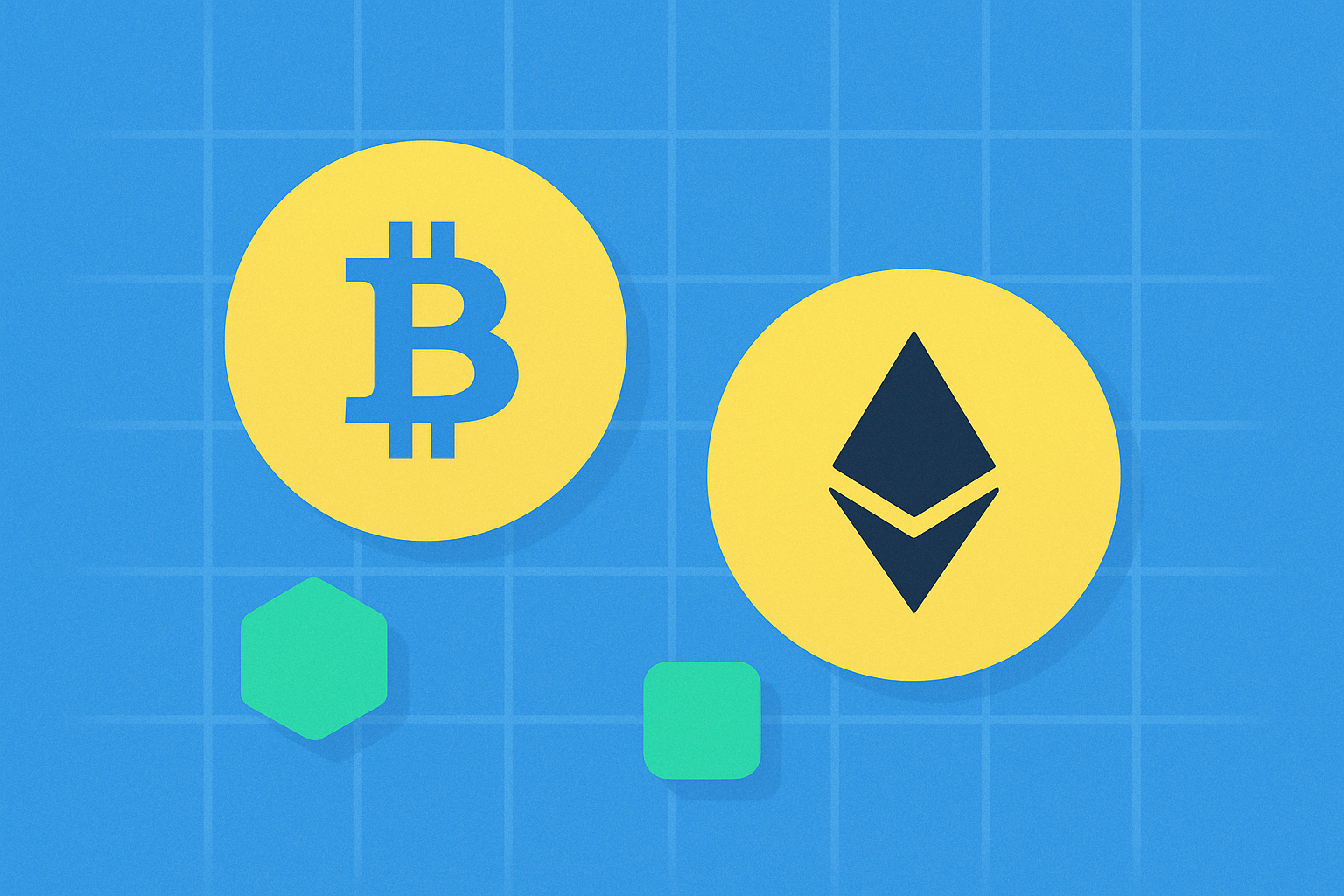
What is the Difference Between a Crypto Coin and Token

2026-01-15 01:18:00
Blockchain
Crypto Ecosystem
Crypto Tutorial
Investing In Crypto
Web 3.0
Article Rating : 4.5
half-star
185 ratings
This comprehensive guide explores the fundamental distinctions between cryptocurrency coins and tokens, essential knowledge for crypto investors and developers. Coins operate on independent blockchains as standalone digital currencies, exemplified by Bitcoin and Litecoin, while tokens are built on existing blockchain platforms like Ethereum, representing diverse assets and utilities. The article clarifies key technical differences: coins possess complete blockchain autonomy with custom protocols and security mechanisms, whereas tokens depend on host blockchain infrastructure and inherit their limitations. Use cases differ significantly—coins primarily function as mediums of exchange and stores of value, while tokens offer remarkable versatility spanning utility access, security ownership, governance rights, and NFT applications. By understanding these distinctions, investors can make informed decisions evaluating blockchain independence, project requirements, and ecosystem fit. The guide emphasizes thorough r
What is the Difference Between a Crypto Coin and Token

Introduction to Cryptocurrencies

Cryptocurrencies have emerged as significant players in the financial landscape over recent years, offering a diverse array of options for investors and users to explore. Within this dynamic ecosystem, two fundamental terms frequently appear: crypto coins and tokens. While these terms are often used interchangeably in casual conversation, they represent distinctly different concepts with unique characteristics and applications. Understanding the nuances between crypto coins and tokens is essential for anyone looking to navigate the cryptocurrency space effectively, whether for investment purposes, development projects, or general knowledge. This distinction affects how these digital assets are created, traded, and utilized within their respective blockchain networks.

Understanding Cryptocurrency Coins

At its core, a cryptocurrency coin is a digital form of money that operates independently of a centralized authority such as a government or financial institution. These coins are built on their own dedicated blockchain infrastructure and serve primarily as a medium of exchange within that specific network. The blockchain acts as a distributed ledger that records all transactions and maintains the integrity of the coin's ecosystem.

Bitcoin, the pioneering and most widely recognized cryptocurrency, exemplifies the concept of a coin perfectly. Launched in 2009, Bitcoin operates on its own blockchain and functions as a decentralized digital currency designed for peer-to-peer transactions. Other notable examples include Litecoin, which offers faster transaction times, and Monero, which emphasizes privacy features. Each of these coins has its own native blockchain with unique consensus mechanisms, security protocols, and governance structures. The independence of these blockchains allows coins to function as standalone currencies that can be mined, traded, and used for various financial purposes without relying on external platforms.

Defining Cryptocurrency Tokens

Cryptocurrency tokens, in contrast, represent a particular asset, utility, or right on an existing blockchain platform. These tokens can symbolize virtually anything: from physical objects and real estate to digital art, intellectual property, or access to specific services within a decentralized application. Unlike coins, tokens are not standalone currencies with their own blockchain infrastructure. Instead, they exist as secondary assets built on top of established blockchain networks.

Ethereum, a leading blockchain platform, has become synonymous with token creation through its innovative smart contract functionality. The platform's ERC-20 standard has enabled developers to create thousands of tokens that serve diverse purposes within the Ethereum ecosystem and beyond. These tokens can represent utility within decentralized applications, governance rights in decentralized autonomous organizations, or even fractional ownership of real-world assets. The flexibility of token creation has spawned an entire industry of tokenized assets, from decentralized finance protocols to non-fungible tokens representing unique digital collectibles. This versatility demonstrates how tokens have expanded the possibilities of blockchain technology beyond simple currency functions.

Technical Differences: Blockchain Independence vs. Dependency

One of the most fundamental distinctions between coins and tokens lies in their underlying technological infrastructure and operational independence. Coins possess their own dedicated blockchain networks, which means they operate with complete autonomy and maintain their own set of rules, protocols, and consensus mechanisms. This independence provides coins with several advantages: they can implement custom security features, optimize transaction speeds according to their specific needs, and maintain full control over their network's development and upgrades.

For example, Bitcoin uses a Proof-of-Work consensus mechanism optimized for security and decentralization, while other coins might choose Proof-of-Stake or hybrid approaches based on their priorities. This independence allows coins to function as self-contained ecosystems with their own mining or staking processes, native wallets, and dedicated development communities.

Tokens, conversely, rely entirely on the infrastructure of their host blockchain to operate. When a token is created on Ethereum, for instance, it inherits the security model, transaction speed, and scalability characteristics of the Ethereum network. This dependency means tokens benefit from the established security and stability of mature blockchain platforms without needing to build and maintain their own infrastructure. However, this also means tokens are subject to the limitations of their host blockchain, including network congestion, transaction fees, and any technical constraints of the underlying platform. If the host blockchain experiences issues or undergoes significant changes, all tokens built upon it are affected accordingly.

Use Cases and Practical Applications

The intended purposes and practical applications of coins versus tokens reveal another crucial distinction between these digital assets. Coins primarily serve as digital currencies designed for financial transactions. Their main functions include acting as a medium of exchange for goods and services, serving as a store of value similar to traditional assets like gold, and providing a unit of account for measuring economic value. Many coins also offer additional features such as privacy enhancements, faster transaction processing, or improved scalability, but their core purpose remains focused on monetary functions.

Tokens, however, demonstrate remarkable versatility with a much broader spectrum of use cases. Utility tokens provide access to specific services or features within decentralized applications, such as cloud storage, computing power, or platform-specific functionalities. Security tokens represent ownership stakes in real-world assets like company shares, real estate, or investment funds, bringing traditional financial instruments onto the blockchain. Governance tokens grant holders voting rights in decentralized organizations, allowing community-driven decision-making for protocol upgrades and treasury management.

Additionally, tokens can represent membership benefits in loyalty programs, access rights to exclusive content or events, or even fractional ownership of high-value assets. Non-fungible tokens have created entirely new markets for digital art, collectibles, and virtual real estate. This diversity has fostered a rich ecosystem of tokenized assets that cater to various industries, from gaming and entertainment to supply chain management and decentralized finance. The flexibility of tokens continues to drive innovation in how we conceptualize and transfer value in the digital age.

Key Takeaways for Investors

The fundamental difference between a crypto coin and token lies in their core characteristics, technological foundation, and intended applications. Coins are independent digital currencies that operate on their own dedicated blockchain networks, providing complete autonomy over their protocols and governance. Tokens, meanwhile, represent diverse assets or utilities built upon existing blockchain platforms, leveraging established infrastructure while offering greater flexibility in their applications.

Understanding these distinctions is crucial for anyone navigating the cryptocurrency landscape and making informed investment or development decisions. When evaluating potential investments, consider whether a project requires its own blockchain infrastructure or can effectively operate as a token on an existing platform. Assess the specific use case: if the primary goal is to serve as a currency or store of value, a coin might be more appropriate. If the project aims to provide utility, represent assets, or enable specific functionalities within an ecosystem, a token structure might be more suitable.

Whether you choose to invest in coins or tokens, thorough research and due diligence are essential. Examine the project's whitepaper, development team, community support, and real-world adoption. Consider the technical merits of the underlying blockchain for coins, or evaluate the strength and stability of the host platform for tokens. Understand the tokenomics, including supply mechanisms, distribution models, and utility within the ecosystem. By comprehending the fundamental differences between coins and tokens, you can better align your investment strategy with your financial goals and risk tolerance, making more informed decisions in the evolving world of digital assets.

FAQ

What is the main difference between a crypto coin and a token?

A crypto coin is native to its own blockchain, while a token is built on an existing blockchain. Coins have independent blockchains and are primarily used for transactions, whereas tokens represent assets or utilities on other blockchains.

Do coins and tokens use different blockchains?

Yes. Coins operate on their own independent blockchains, while tokens are built on existing blockchain networks like Ethereum. This fundamental difference determines their structure and functionality within crypto ecosystems.

Can a token be converted into a coin?

Yes, tokens can be converted into coins by withdrawing them from DeFi protocols to a web3 wallet like MetaMask. This process uses smart contracts to facilitate the conversion, though the exact method varies by platform.

Popular coins include Bitcoin and Ethereum, while popular tokens include Tether and Dai. Smart contract platform tokens like Uniswap and memecoins like Dogecoin are also widely recognized in the crypto market.

Which is a better investment: coins or tokens?

Coins are generally better investments due to their foundational blockchain role and established market stability. Tokens depend on specific projects and carry higher volatility, making coins the more reliable choice for most investors.

* The information is not intended to be and does not constitute financial advice or any other recommendation of any sort offered or endorsed by Gate.

Share

Content

Introduction to Cryptocurrencies

Understanding Cryptocurrency Coins

Defining Cryptocurrency Tokens

Technical Differences: Blockchain Independence vs. Dependency

Use Cases and Practical Applications

Key Takeaways for Investors

FAQ

Related Articles
Comprehensive Guide to Leading Crypto Launchpad Platforms

Comprehensive Guide to Leading Crypto Launchpad Platforms

The article provides a comprehensive guide to leading crypto launchpad platforms, highlighting their significance in supporting blockchain projects and offering investment opportunities. It explains how these platforms facilitate project launches by vetting projects, raising capital, distributing tokens, and providing essential support services while addressing potential benefits and risks for both projects and investors. The article's detailed structure covers what crypto launchpads are, how they operate, their benefits and risks, and their impact on the blockchain ecosystem. Emphasizing keywords like crypto launchpad, blockchain projects, and investment opportunities, it serves as a valuable resource for blockchain entrepreneurs and investors.
2025-12-18 22:38:05
Exploring the Features of Internet Computer Protocol (ICP) for Web3 Development
Exploring the Features of Internet Computer Protocol (ICP) for Web3 Development

This article explores the Internet Computer Protocol (ICP) as a revolutionary blockchain network designed for Web3 development. It covers ICP's establishment, operation, wallet creation, token management, and security aspects. Additionally, it guides readers on buying ICP tokens via exchanges like Gate, managing airdrops, and understanding wallet safety. Suitable for developers and crypto enthusiasts, the article provides a comprehensive overview of ICP's decentralized applications, governance, and transaction processes, enhancing internet infrastructure efficiency and scalability. Keywords include ICP, blockchain, decentralized, wallet, tokens, and Gate.
2025-11-05 08:39:24
Cryptocurrency: Essential Concepts and Use Cases in Digital Finance

Cryptocurrency: Essential Concepts and Use Cases in Digital Finance

Discover what cryptocurrency is and how it operates. This detailed guide for new investors covers blockchain technology, transaction security, and investment strategies on Gate.
2026-01-06 17:34:09
Understanding the NFT Creation Process: A Step-by-Step Guide

Understanding the NFT Creation Process: A Step-by-Step Guide

Explore the NFT creation process in this comprehensive guide, detailing the steps of minting and the technology behind non-fungible tokens. Understand what NFTs are, from their blockchain-based uniqueness to verifying ownership. Learn the detailed process of minting an NFT, including selecting a file, setting up a wallet, and using Gate's minting tools. Consider crucial factors before minting, such as marketplace reputation, fees, and intellectual property rights. Stay informed about the NFT landscape to navigate the market effectively and unleash creative potential in digital ownership.
2025-11-08 07:18:20
Understanding the Role of Blockchain Nodes in Cryptocurrency

Understanding the Role of Blockchain Nodes in Cryptocurrency

This article delves into the critical role of blockchain nodes in cryptocurrency, emphasizing their importance in maintaining security, integrity, and decentralization. It explains the functions, types, and significance of nodes, and provides a step-by-step guide on how they operate within a decentralized network. The piece addresses challenges faced while running a node, including storage and energy demands, and offers insights into the potential benefits and security considerations. This comprehensive overview is invaluable for those interested in setting up a node or understanding the backbone of blockchain technology, ensuring clarity and enhanced keyword optimization for improved readability.
2025-11-29 12:15:01
Cryptography Fundamentals Explained: Understanding the Basics

Cryptography Fundamentals Explained: Understanding the Basics

"Cryptography Fundamentals Explained" delves into the essential aspects of cryptography, a core component of digital security. Readers will gain insights into encryption methods, historical context, key concepts, and types of cryptographic systems such as symmetric and asymmetric. The article addresses the significance of cryptography in securing digital transactions and communications, appealing to professionals and enthusiasts in cybersecurity and digital literacy. Structured to include definitions, historical evolution, key applications, and contemporary use cases in digital and cryptocurrency systems, it enhances understanding and preparedness against cyber threats.
2025-12-06 06:02:27
Recommended for You
What is BOT project fundamentals: whitepaper logic, use cases, technology innovation and team background explained
What is BOT project fundamentals: whitepaper logic, use cases, technology innovation and team background explained

This comprehensive guide explores BOT project fundamentals, detailing the Build-Operate-Transfer model as an innovative government-private partnership framework for large-scale infrastructure development. The article examines core architecture principles, multi-stage implementation spanning 10-30 years, and sophisticated risk management strategies addressing construction complexity. It highlights how BOT projects leverage private sector expertise while ensuring eventual public asset transfer, with proven effectiveness across global infrastructure initiatives. The guide covers team execution frameworks, government guarantee mechanisms, and stakeholder coordination protocols essential for project success. Additionally, it addresses tokenomics, acquisition methods, and practical applications, providing investors and stakeholders with complete insights into BOT ecosystem technology innovation, operational excellence, and long-term value creation on Gate platform.
2026-01-15 04:18:05
Why Do All Cryptocurrencies Fall Together?
Why Do All Cryptocurrencies Fall Together?

This comprehensive guide explores why cryptocurrencies experience synchronized downturns, stemming from market interconnection, macroeconomic pressures, and institutional trading patterns. Bitcoin and Ethereum serve as market bellwethers, triggering cascading effects across altcoins through algorithmic trading and portfolio rebalancing. Understanding these dynamics enables investors to implement effective risk management strategies, identify buying opportunities during panic-driven corrections, and optimize portfolio diversification across the cryptocurrency ecosystem. High correlation coefficients exceeding 0.75 among top cryptocurrencies demonstrate the limited protection offered by diversification within the asset class alone. Real-world examples showcase how central bank policy decisions, regulatory announcements, and technological developments create market-wide reactions affecting all digital assets. By recognizing these patterns and maintaining disciplined investment approaches, stakeholders can naviga
2026-01-15 04:15:25
What is NPC price volatility: historical trends, support resistance levels, and 2026 price prediction
What is NPC price volatility: historical trends, support resistance levels, and 2026 price prediction

This comprehensive guide analyzes NPC price volatility, tracing its remarkable journey from $0.00002595 to current $0.012673 levels, with an all-time high of $0.07226 in September 2024. Understand critical support and resistance levels at $0.010251 and $0.032024 that define current trading ranges, essential for technical traders using Gate and other platforms. The article explores recent 24-hour declines alongside 2026 upside potential of 57.46%, revealing how supply-demand dynamics and macroeconomic factors drive NPC price fluctuations. Discover support levels at $0.0124 and $0.0101, with resistance targets at $0.0165, $0.0211, and $0.0239. Perfect for investors seeking data-driven insights into memecoin volatility patterns and informed price prediction strategies.
2026-01-15 04:14:07
What is SEI crypto market cap and 24-hour trading volume in 2026

What is SEI crypto market cap and 24-hour trading volume in 2026

This article provides a comprehensive analysis of SEI cryptocurrency's market performance in 2026. SEI has achieved a market cap of $817.41 million with a fully diluted valuation of $1.215 billion, establishing itself as a dominant trading-focused Layer 1 blockchain. The token maintains a 24-hour trading volume of $57.53 million, supported by listings across 50 exchanges including Gate, demonstrating robust market liquidity and institutional adoption. With 6.49 billion tokens in circulation against a 10 billion total supply cap, SEI exhibits moderate inflation pressure and controlled token economics. The article examines how this supply structure, combined with strong exchange coverage, enables efficient price discovery and minimal trading slippage. For investors and traders, the combination of substantial daily volume, extensive exchange accessibility, and strategic token distribution reflects sustained market confidence in SEI's trading infrastructure utility and long-term viability within the competitive L
2026-01-15 04:11:06
A Strong Stock Market Depends On Key Economic Drivers
A Strong Stock Market Depends On Key Economic Drivers

This comprehensive guide explores the multifaceted factors that drive stock market strength. The article examines how technological innovation and sector leadership propel market growth, the critical role of export performance and economic fundamentals, and the rising influence of retail investor participation. It analyzes how government policies and regulatory frameworks create supportive investment environments, while addressing inherent market risks and volatility concerns. The piece also highlights institutional adoption of new asset classes and their role in market evolution. Practical strategies include monitoring sector trends, tracking policy changes, diversifying across geographies and asset classes, maintaining long-term perspectives, and continuous financial education. Understanding these interconnected drivers enables investors to make informed decisions and navigate market cycles effectively on platforms like Gate.
2026-01-15 04:09:14
How does on-chain data analysis reveal INJ token market trends with 13.2M active addresses in 2025?

How does on-chain data analysis reveal INJ token market trends with 13.2M active addresses in 2025?

This article reveals INJ token market dynamics through comprehensive on-chain data analysis, featuring 13.2 million active addresses across the Injective ecosystem in 2025. The analysis covers three critical dimensions: ecosystem adoption metrics demonstrating sustained user engagement with 1.2 million daily active addresses, whale movements and DeFi trading volume patterns that drive short-term price volatility on Gate and other platforms, and token economics featuring weekly burn auctions that have removed over 5.8 million INJ tokens from circulation. By examining these on-chain indicators—from transaction volumes to institutional accumulation patterns—the article provides investors with actionable insights into INJ's market trends and fundamental value drivers, offering a roadmap for interpreting blockchain data to identify emerging opportunities within Injective's rapidly expanding DeFi ecosystem.
2026-01-15 04:09:02