What Is the Difference Between Crypto and Blockchain

Understanding Cryptocurrency
Cryptocurrency represents a revolutionary form of digital or virtual currency that leverages cryptographic techniques to ensure security and authenticity. Unlike traditional fiat currencies issued by governments, cryptocurrencies operate on a decentralized network, meaning no single authority—such as a central bank or financial institution—controls their issuance or transaction validation.
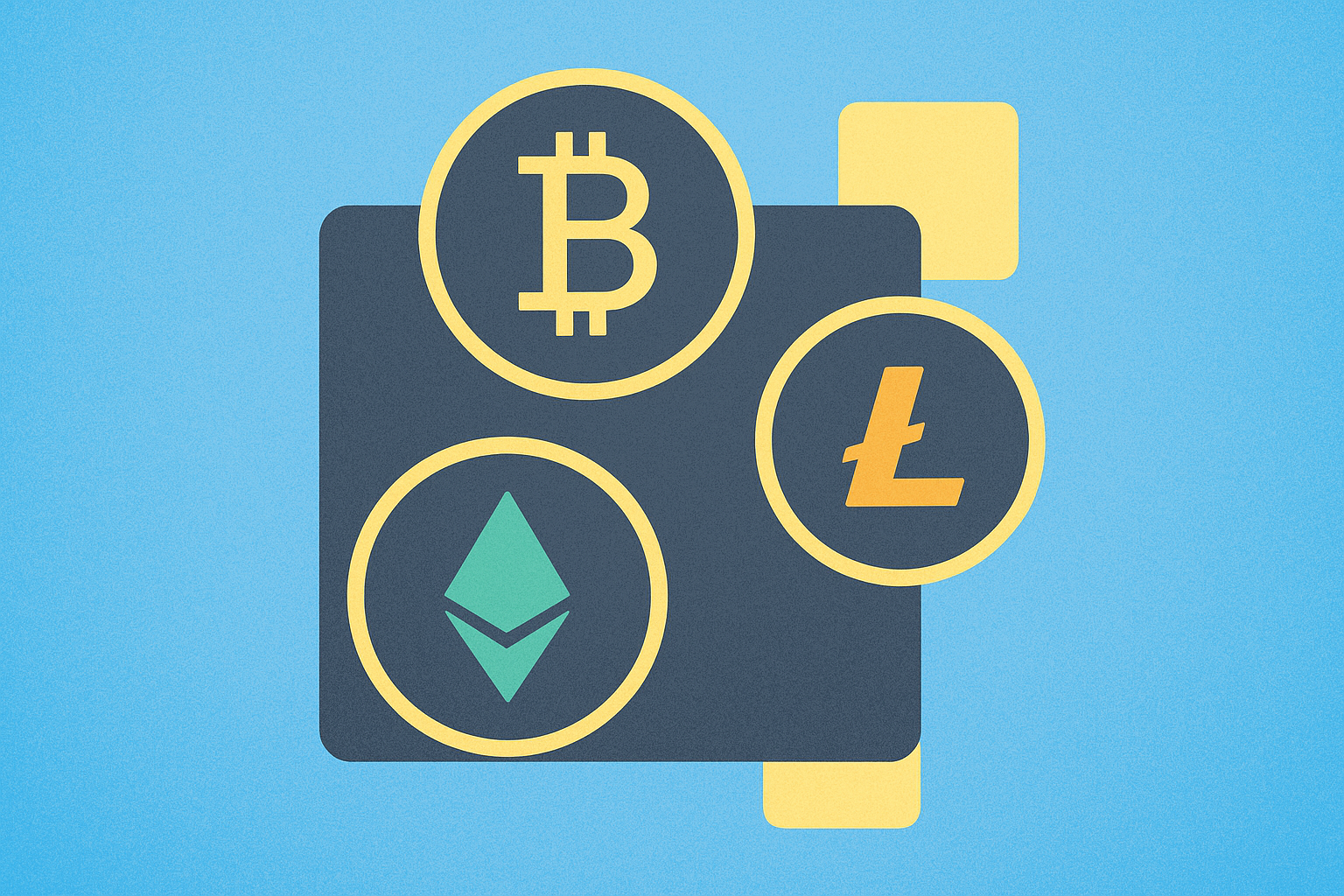
Popular examples of cryptocurrencies include Bitcoin, which pioneered the concept in 2009, Ethereum, known for its smart contract capabilities, and Litecoin, designed for faster transaction processing. These digital assets serve multiple purposes: they function as a medium of exchange for peer-to-peer transactions, a store of value similar to gold, and an investment vehicle in the growing digital economy.
The security of cryptocurrency transactions relies on advanced cryptographic methods, including public-key cryptography and digital signatures. When users initiate a transaction, it must be verified by network participants (miners or validators) before being permanently recorded. This process, combined with the decentralized nature of crypto networks, makes transactions resistant to fraud, censorship, and unauthorized alterations.
Cryptocurrency mining, particularly in proof-of-work systems, involves solving complex mathematical puzzles to validate transactions and create new coins. This mechanism not only secures the network but also distributes new currency in a predictable manner. The crypto market operates continuously, with prices determined by supply and demand dynamics across global exchanges.
Exploring Blockchain Technology
Blockchain technology serves as the foundational infrastructure that makes cryptocurrencies possible, though its applications extend far beyond digital currencies. At its core, blockchain is a distributed ledger system that records transactions across multiple computers in a network, ensuring that the record cannot be altered retroactively without consensus from the network participants.
Each transaction is grouped into a "block" containing a cryptographic hash of the previous block, timestamp, and transaction data. These blocks are linked together chronologically, forming an immutable chain—hence the name "blockchain." This structure ensures that once data is recorded, it becomes extremely difficult to modify, providing a high level of data integrity.
The key features that distinguish blockchain technology include:
-
Decentralization: Unlike traditional databases controlled by a single entity, blockchain distributes data across numerous nodes, eliminating single points of failure and reducing vulnerability to attacks or manipulation.
-
Transparency: All network participants can view the entire transaction history, promoting accountability and trust. However, user identities are typically protected through pseudonymous addresses.
-
Immutability: Once confirmed and added to the blockchain, transactions cannot be altered or deleted, creating a permanent and verifiable record.
-
Security: Blockchain employs advanced cryptographic techniques and consensus mechanisms to validate transactions and protect against unauthorized access.
Consensus mechanisms, such as proof of work, proof of stake, or delegated proof of stake, enable network participants to agree on the current state of the ledger without requiring a central authority. These mechanisms ensure that all copies of the distributed ledger remain synchronized and accurate.
Beyond cryptocurrency applications, blockchain technology has found use in supply chain management for tracking product authenticity, healthcare for securing patient records, voting systems for ensuring election integrity, real estate for streamlining property transfers, and intellectual property management for protecting digital rights.
The Key Differences
While cryptocurrency and blockchain are intrinsically connected, understanding their distinct characteristics helps clarify their individual roles in the digital ecosystem:
Primary Function and Purpose: Cryptocurrency functions primarily as a digital medium of exchange, enabling users to conduct financial transactions, make investments, and transfer value across borders without intermediaries. For instance, someone can use Bitcoin to purchase goods or services, or hold Ethereum as a long-term investment.
Blockchain technology, conversely, serves as the underlying infrastructure that records and verifies these transactions. It acts as a distributed database that maintains a secure, transparent record of all activities. Think of cryptocurrency as the application and blockchain as the platform that makes it possible.
Centralization vs. Decentralization: Cryptocurrencies are inherently decentralized, operating without central banks or government oversight. This decentralization ensures that no single entity can control the currency supply or censor transactions. Bitcoin, for example, relies on thousands of independent nodes worldwide to maintain its network.
Blockchain technology offers more flexibility in this regard. While many blockchain networks are decentralized (like Bitcoin's blockchain), organizations can also implement private or permissioned blockchains where access and validation rights are restricted to specific participants. Enterprise blockchain solutions often use this approach to maintain some level of control while benefiting from blockchain's transparency and security features.
Scope of Application: The application scope of cryptocurrency remains primarily focused on financial services: facilitating payments, enabling cross-border remittances, providing investment opportunities, and serving as a hedge against inflation. Some cryptocurrencies, like Ethereum, extend beyond simple transactions to support decentralized applications and smart contracts.
Blockchain technology demonstrates significantly broader applicability. In supply chain management, blockchain can track products from manufacture to delivery, ensuring authenticity and reducing counterfeiting. Healthcare organizations use blockchain to securely share patient data while maintaining privacy. Governments explore blockchain for land registries, identity management, and transparent public record-keeping. The technology's ability to create tamper-proof records makes it valuable wherever trust and transparency are essential.
Security Mechanisms: Cryptocurrencies achieve security through cryptographic techniques such as public-key encryption, digital signatures, and hash functions. Each user possesses a private key (kept secret) and a public key (shared openly), enabling secure transactions without revealing sensitive information. The cryptographic algorithms ensure that only the rightful owner can authorize transactions from their wallet.
Blockchain technology employs consensus mechanisms as its primary security feature. Proof of work requires miners to expend computational resources to validate transactions, making attacks economically unfeasible. Proof of stake selects validators based on their stake in the network, aligning their interests with network security. These mechanisms, combined with the distributed nature of the ledger, create a robust security framework that protects against double-spending, fraud, and unauthorized modifications.
How Crypto and Blockchain Work Together
Understanding the relationship between cryptocurrency and blockchain technology reveals how these concepts complement each other in creating a functional digital economy. Cryptocurrency exists as an application built on top of blockchain infrastructure, utilizing the technology's features to enable secure, decentralized financial transactions.
When a user initiates a crypto transaction, blockchain technology validates and records it permanently. The blockchain serves as an immutable ledger that tracks all cryptocurrency movements, ensuring transparency and preventing double-spending. Without blockchain, cryptocurrencies would lack the security and decentralization that make them valuable alternatives to traditional currencies.
Conversely, cryptocurrencies provide economic incentives for maintaining blockchain networks. Miners or validators who secure the network and process transactions receive cryptocurrency rewards, creating a sustainable ecosystem where participants are motivated to maintain the system's integrity. This symbiotic relationship demonstrates how blockchain technology enables cryptocurrency functionality while crypto provides the economic model that sustains blockchain networks.
The evolution of both technologies continues to shape the digital landscape. As blockchain finds new applications beyond finance, and cryptocurrencies develop more sophisticated features, their distinct yet interconnected roles become increasingly important to understand. Whether you're interested in digital finance, exploring blockchain applications, or simply staying informed about technological innovation, recognizing the difference between crypto and blockchain provides valuable insight into how these transformative technologies are reshaping our digital world.
By grasping these fundamental distinctions, you can better appreciate how cryptocurrency serves as a practical application of blockchain technology, while blockchain provides the secure, transparent infrastructure that makes digital currencies—and countless other innovations—possible in our increasingly connected world.
FAQ
What is the difference between cryptocurrency and blockchain technology?
Cryptocurrency is a digital currency for value exchange built on blockchain. Blockchain is the underlying decentralized ledger technology that secures and records all transactions immutably.
Can blockchain exist without cryptocurrency?
Yes, blockchain can exist independently of cryptocurrency. Many enterprises use blockchain technology for data security, supply chain management, and digital contracts without any cryptocurrency component involved.
What are the main use cases of blockchain beyond cryptocurrency?
Blockchain enables supply chain transparency, digital identity verification, smart contracts for legal agreements, and cross-border payments. These applications enhance security, efficiency, and eliminate intermediaries across industries.
How does blockchain technology secure cryptocurrency transactions?
Blockchain secures transactions through cryptographic hashing and consensus mechanisms like Proof of Work and Proof of Stake, ensuring data integrity and preventing unauthorized alterations.
Is blockchain only used for Bitcoin and other cryptocurrencies?
No, blockchain has diverse applications beyond cryptocurrencies. It's used in supply chain management, healthcare records, smart contracts, voting systems, and digital identity verification. Its decentralized and transparent nature makes it valuable across multiple industries.
What is the relationship between crypto and blockchain?
Cryptocurrency relies on blockchain technology as its foundational infrastructure. Blockchain provides the decentralized ledger that enables secure, transparent, and immutable transaction records for all cryptocurrencies. Bitcoin was the first cryptocurrency to utilize blockchain technology, establishing this fundamental relationship that continues across the crypto ecosystem today.
Can cryptocurrency work without blockchain?
No, cryptocurrency fundamentally depends on blockchain. Blockchain provides the decentralized ledger necessary for security, transparency, and transaction verification. Without blockchain, cryptocurrency cannot exist or function properly.

Understanding Keyless Operations in Cryptographic Hash Functions

Understanding Cryptographic Hash Functions for Secure Network Systems
Preventing Double Spending in Blockchain: Strategies and Solutions

Exploring Blockchain Protocol Enhancements: Hardforks vs Softforks

Understanding Bitcoin Blockchain Addresses
Ultimate Security in Hardware Wallets: A Comprehensive Guide

What are the biggest smart contract vulnerabilities and exchange hacking incidents in Web3 security?

What is Story Protocol (IP) crypto market overview: price, market cap, and trading volume 2026?

Understanding the Question: Should You Buy Stocks When They Are Low or High?

How Does IP Token Holdings and Capital Flows Impact Story Protocol Market Dynamics in 2026?

What is Dolomite (DOLO) fundamentals: whitepaper logic, use cases, technology innovation, and team background analysis