

LCP_hide_placeholder
fomox
MarketsPerpsSpotSwapMeme Referral
More
Smart Money Recruitment
Search Token/Wallet
/

Vitalik Buterin's Net Worth

2026-01-18 05:06:22
Blockchain
Crypto Ecosystem
DeFi
Ethereum
Web 3.0
Article Rating : 4.5
half-star
101 ratings
Explore Vitalik Buterin's net worth in 2025 and how it influences the crypto market. Get an in-depth look at the Ethereum founder's holdings, DeFi investments, and philanthropy. Find all the essential details for investors and traders on Gate.
Vitalik Buterin's Net Worth

Vitalik Buterin’s Net Worth: Market Implications

Vitalik Buterin’s net worth is critically important for investors, traders, and cryptocurrency users, as both his actions and investment decisions can significantly affect overall market dynamics. As the founder of Ethereum and a central figure in blockchain, Buterin not only shapes the development path of the world’s second-largest cryptocurrency by market capitalization, but also serves as a bellwether for assessing the stability and outlook of blockchain technology at large. image_url
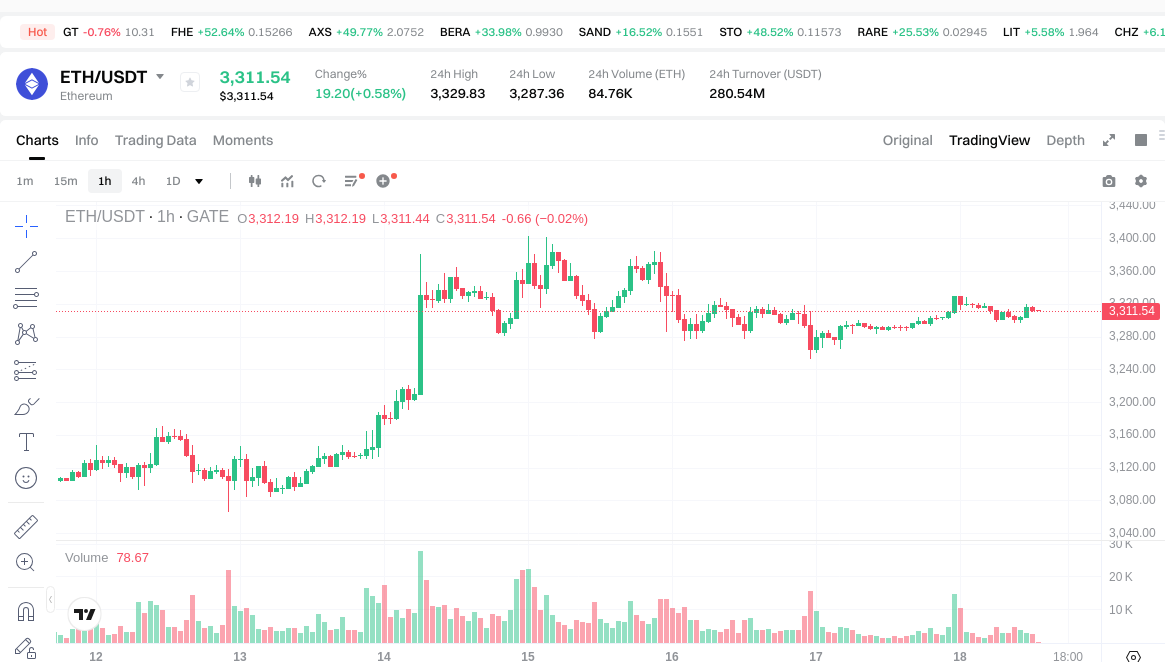
Analysts estimate Vitalik Buterin’s net worth in the billions of dollars. These estimates are based on his publicly known cryptocurrency investments and the value of his holdings in Ethereum and other blockchain projects. This figure is highly variable, fluctuating in line with ETH’s market price and the performance of his investment projects.

Buterin’s influence reaches well beyond asset ownership. His public remarks, technical proposals, and philosophical stances on decentralized technology shape investor sentiment and guide developers worldwide. Whenever Vitalik voices opinions on Ethereum’s future or critiques certain industry approaches, the market listens closely.

Recent Examples and Practical Impact

In recent years, Vitalik Buterin has actively contributed to several breakthrough blockchain projects. He has invested heavily in advanced scaling solutions for Ethereum, such as the shift to the Proof-of-Stake consensus mechanism and the rollout of sharding technology. These innovations have dramatically improved network throughput, reduced energy costs, and strengthened security—attracting new investment and fueling ETH’s price growth.

Apart from technical improvements to the Ethereum mainnet, Buterin is an active supporter of initiatives aimed at building decentralized financial services (DeFi) and expanding the non-fungible token (NFT) ecosystem. His involvement in these areas drives interest in Ethereum as a versatile platform for decentralized application (DApp) development, pushing blockchain’s potential well beyond simple monetary transactions.

Vitalik places special emphasis on blockchain projects with social impact, including digital identity systems, quadratic funding for public goods, and solutions that enhance transparency in charitable giving. These initiatives show his interests extend beyond commercial success, highlighting his commitment to using technology to address global social challenges.

Statistics and Key Data

Industry research shows Ethereum’s market capitalization has reached remarkable highs in recent years, frequently crossing the $100 billion threshold. This growth stems in part from successful tech upgrades and the expansion of the DeFi sector. As a major ETH holder, Vitalik Buterin’s wealth has grown alongside this rise, although he has consistently stated that financial gain is not his main motivation.

Market analysis reveals that Buterin’s actions and statements often signal major trends in the crypto sector, making him a key reference point for investors and analysts. For instance, when Vitalik publicly supports certain technological solutions or critiques popular but risky practices, the market typically responds accordingly.

It’s notable that Buterin is well-known for his philanthropy within crypto. He has donated substantial amounts in cryptocurrency to various charitable causes, such as COVID-19 relief and support for scientific research. These actions reflect his values and shape public perception of cryptocurrencies, showcasing their potential for positive societal impact.

Summary and Key Insights

Vitalik Buterin’s net worth is more than a measure of personal achievement as a tech entrepreneur and visionary—it is also a key indicator of the health and potential of the broader cryptocurrency sector. His investments and ongoing innovation continue to shape the market, making him a crucial figure for both institutional and retail participants.

Investors and traders should keep a close eye on Buterin’s activities and public commentary, as his decisions and perspectives often offer valuable insights into future market directions and potential investment opportunities. Understanding his philosophy and technical priorities helps forecast long-term trends in the crypto space.

For blockchain users and developers, projects supported by Vitalik are especially valuable, as they typically represent the leading edge of technological advancement and drive blockchain adoption across diverse economic sectors. Engaging with the Ethereum ecosystem and following Buterin’s technical vision can open new pathways for innovation.

In conclusion, Vitalik Buterin’s net worth and ongoing contributions to the cryptocurrency industry remain crucial markers for assessing the current state and future outlook of blockchain technology. His influence extends far beyond financials, shaping the philosophy and direction of decentralized technology worldwide.

FAQ

What is Vitalik Buterin’s estimated total net worth?

As of 2026, Vitalik Buterin’s net worth is estimated at around $8.3 billion, including his known crypto assets. The real figure may be higher, as it may include undisclosed holdings.

How does Vitalik Buterin primarily accumulate wealth?

Vitalik Buterin primarily accumulates wealth by holding Ethereum (ETH) tokens. He owns about 246,730 ETH, valued at roughly $553 million in 2026. As Ethereum’s founder, most of his wealth comes from the appreciation of ETH tokens he created and held since the project’s inception.

How much Ethereum (ETH) does Vitalik Buterin hold?

Vitalik Buterin holds approximately 320,000 ETH (about 0.3% of the total supply). He has repeatedly donated and burned ETH to support the ecosystem, prioritizing Ethereum’s growth over personal gain.

How has Vitalik Buterin’s asset portfolio changed in recent years?

Vitalik Buterin’s net worth has increased dramatically—more than 900-fold since 2015. His wealth is mainly tied to early investments in Ethereum and the rise in crypto valuations.

Does Vitalik Buterin own cryptocurrencies besides Ethereum?

Yes, in addition to Ethereum, Vitalik Buterin also holds other crypto tokens, including those from DeFi projects. These holdings are related to his involvement in various projects within the Ethereum ecosystem.

* The information is not intended to be and does not constitute financial advice or any other recommendation of any sort offered or endorsed by Gate.

Share

Content

Vitalik Buterin’s Net Worth: Market Implications

Recent Examples and Practical Impact

Statistics and Key Data

Summary and Key Insights

FAQ

Related Articles
ENS Domains: Your Gateway to Ethereum Identities

ENS Domains: Your Gateway to Ethereum Identities

Explore how the Ethereum Name Service (ENS) makes working with the Ethereum network easier. This article discusses the advantages of ENS domains, their operational mechanics, and their significance in decentralizing the web. Find out how to register an ENS domain and use it with cryptocurrency wallets and on Gate, while understanding how ENS could shape the future of Web3.
2025-12-04 11:06:00
Exploring Chainlink's Integration with Ethereum Network

Exploring Chainlink's Integration with Ethereum Network

Discover how Chainlink's integration with the Ethereum network empowers Web3 connectivity by serving as a decentralized oracle powerhouse. This article delves into Chainlink's pivotal role in bridging smart contracts with real-world data, transforming decentralized finance, NFTs, gaming, insurance, and enterprise applications. Tailored for blockchain enthusiasts and investors, it highlights Chainlink's innovative features such as cross-chain interoperability and its secure incentive model. Familiarize yourself with Chainlink's ecosystem dynamics and roadmap, offering insights into its critical infrastructure in the blockchain industry and potential value increase.
2025-12-04 07:27:24
Exploring the Role of Utility Tokens in Blockchain Ecosystems

Exploring the Role of Utility Tokens in Blockchain Ecosystems

This article explores the pivotal role of utility tokens in blockchain ecosystems, highlighting their evolution beyond simple value transfer to enabling diverse applications within decentralized platforms. It demystifies the distinction between coins and tokens, underscoring utility tokens' specific functions like governance, virtual property, and digital asset representation. Examples such as SAND, LDO, LINK, and BAT showcase the practical uses of utility tokens. The content aids crypto traders in understanding acquisition methods through exchanges like Gate or participating in decentralized applications. Readers will gain insights into how utility tokens enhance user interaction and drive the Web3 economy.
2025-12-01 12:40:32
Unlocking Blockchain Connectivity: Exploring Cross-Chain Interoperability Solutions

Unlocking Blockchain Connectivity: Exploring Cross-Chain Interoperability Solutions

The article explores the concept and implementation of blockchain bridges, crucial for enabling cross-chain interoperability. It details how token bridges work, their utility in connecting isolated blockchain ecosystems, and the potential risks associated with their use. Readers will understand the mechanisms behind cross-chain asset movement, such as mint and burn, and the distinction between centralized and decentralized bridge models. The content addresses developers and users seeking to navigate multichain environments and highlights the importance of evaluating bridge security. Keywords include blockchain bridging, cross-chain interoperability, and asset transfer.
2025-12-05 15:08:27
Understanding Utility Tokens in the Digital Economy

Understanding Utility Tokens in the Digital Economy

The article provides a comprehensive understanding of utility tokens, highlighting their functionalities and distinct role within digital economies. It contrasts crypto coins with tokens, focusing on how utility tokens power specific functions in decentralized applications. Readers will learn about various token examples like SAND, UNI, and BAT, illustrating their diverse applications from gaming to governance. Guidance is offered on acquiring utility tokens through platforms like Gate. The article concludes by emphasizing the importance of utility tokens in the innovation of blockchain technologies, catering to investors and users eager for decentralized growth opportunities.
2025-11-06 08:27:32
Exploring the Future of Decentralized Domain Names: ENS Insights
Exploring the Future of Decentralized Domain Names: ENS Insights

Explore the transformative potential of the Ethereum Name Service (ENS) in simplifying Ethereum interactions through human-readable domain names, akin to internet domains for IP addresses. This article delves into the functionality, importance, and applications of ENS domains, addressing challenges in user adoption, scalability, and decentralized governance. It guides users on registering ENS names and highlights their significance in DeFi and decentralized identity systems. For developers and blockchain enthusiasts seeking an accessible, efficient, and decentralized web, ENS offers a promising infrastructure to enhance user experience and foster web3 adoption.
2025-11-27 04:04:28
Recommended for You
How Does Federal Reserve Policy and Inflation Data Impact Cryptocurrency Prices in 2026
How Does Federal Reserve Policy and Inflation Data Impact Cryptocurrency Prices in 2026

This article explores how Federal Reserve monetary policy and inflation data drive cryptocurrency valuations in 2026. The analysis examines three core mechanisms: Federal Reserve rate decisions and FOMC meetings directly influence Bitcoin and Ethereum through liquidity channels and real yields; CPI inflation trends correlate inversely with crypto performance, as declining inflation supports rate-cut expectations and increases risk appetite; traditional market indicators like S&P 500 and gold prices serve as predictive catalysts for crypto volatility. The article reveals that cryptocurrency markets respond more dramatically to Fed policy signals than traditional equities due to lower entry barriers and higher funding sensitivity. With anticipated monetary easing and balance sheet stabilization in 2026, the resulting liquidity environment could significantly support digital asset appreciation. Essential for traders: monitor Federal Reserve announcements, monthly CPI releases, employment data, and bond yields to
2026-01-18 08:14:58
What is XDC Network's fundamental analysis: whitepaper logic, use cases, technology innovation, and 2025 roadmap explained

What is XDC Network's fundamental analysis: whitepaper logic, use cases, technology innovation, and 2025 roadmap explained

XDC Network is an enterprise-grade blockchain platform combining XDPoS consensus with ISO 20022 compliance to deliver 2,000 transactions per second and 2-second finality. This article examines the network's hybrid architecture, real-world asset tokenization capabilities, and enterprise adoption drivers. It explores trade finance digitalization, where XDC processes over $64 million in tokenized RWAs, and demonstrates sustainable growth with monthly active addresses surging 94.5% to 34,600 wallets through USDC integration and GoodDollar expansion. The 2025 roadmap highlights strategic partnerships with Archax and VerseProp for institutional real estate deals, plus $15 million native USDC minting and VERT Capital's $1 billion tokenization plans. Ideal for institutional investors and enterprises seeking low-cost, compliant blockchain settlement infrastructure for cross-border payments and supply chain operations.
2026-01-18 08:11:57
Will Celer Network Hit $1? Exploring Its Potential
Will Celer Network Hit $1? Exploring Its Potential

Celer Network is a Layer-2 scaling solution gaining significant attention for its potential to reach the $1 milestone. This comprehensive guide explores CELR's innovative technology, including State Channels and Rollups, which enable faster and cheaper off-chain transactions while maintaining security. The article examines key drivers of price appreciation: technological advancements, growing market adoption across DeFi and gaming applications, and strategic partnerships expanding ecosystem utility. Current price ranges from $0.00405 to $0.00437, with an all-time high of $0.19869, demonstrating substantial growth potential. Analysis covers Celer's competitive position against Polygon, Optimism, and Arbitrum, highlighting its unique cross-chain capabilities and developer-friendly infrastructure. Expert opinions present mixed forecasts based on network metrics, market sentiment, and macroeconomic factors. Success depends on sustained innovation, increased TVL, active user growth, and ecosystem expansion on Gate
2026-01-18 08:10:32
What is driving ENA price fluctuations: TVL growth, support levels at $0.55-$0.61, and market volatility analysis

What is driving ENA price fluctuations: TVL growth, support levels at $0.55-$0.61, and market volatility analysis

This comprehensive analysis examines the key drivers behind ENA price fluctuations, focusing on the dramatic 68% decline from $0.70 to $0.22 and critical support levels at $0.55-$0.61. Despite near-term price volatility, Ethena's ecosystem demonstrates strong fundamentals with TVL surging 40% weekly to exceed $10 billion, reflecting growing institutional adoption of its synthetic dollar infrastructure. Technical analysis reveals oversold RSI conditions and potential recovery zones at $0.80-$1.00, while market dynamics show ENA's tight correlation with Bitcoin and Ethereum movements amplified by January 2026 token unlock events. This article equips investors with technical indicators, support/resistance frameworks, and fundamental metrics to navigate ENA's volatility on Gate and make informed trading decisions.
2026-01-18 08:09:40
What is WLD price volatility: why did Worldcoin drop 4.05% in 24 hours and where are support levels at $0.618-$0.672?

What is WLD price volatility: why did Worldcoin drop 4.05% in 24 hours and where are support levels at $0.618-$0.672?

This article examines Worldcoin's significant WLD price volatility, highlighting a 4.05% decline over 24 hours amid a broader downtrend from the $0.86 peak. The critical support and resistance zone at $0.618-$0.672 represents a pivotal technical area determining WLD's near-term direction—breaking above $0.672 could signal bullish recovery toward $0.73, while failure below $0.618 exposes lower support at $0.54. Technical analysis reveals Bollinger Bands compression and MACD weakness, indicating a potential volatility breakout. Declining open interest signals reduced leverage participation, making support levels more vulnerable during market uncertainty. This comprehensive guide helps traders understand WLD's technical setup, identify key price levels for entry and exit strategies on Gate, and assess risk factors when trading this mid-cap cryptocurrency amid macroeconomic pressures affecting the broader digital asset sector.
2026-01-18 08:07:08
What are the SEC compliance risks and KYC/AML requirements for crypto tokens in 2026?

What are the SEC compliance risks and KYC/AML requirements for crypto tokens in 2026?

This article provides essential guidance on SEC compliance risks and KYC/AML requirements for cryptocurrency tokens in 2026. It clarifies that meme coins are generally exempt from securities registration, though fraudulent disguises remain subject to enforcement. The article examines audit transparency gaps using WIF Token as a case study, highlighting institutional-grade disclosure standards required for mainstream adoption. It details mandatory KYC/AML compliance frameworks including customer due diligence, transaction monitoring, and suspicious activity reporting that crypto exchanges must implement. The piece assesses moderate regulatory risk positioning for tokens like WIF, explaining layered federal FinCEN registration and state-level Money Transmitter Licensing requirements. Through comprehensive FAQs, it addresses token classification methods, legal consequences for non-compliance, and emerging compliance solutions. Designed for crypto issuers, exchange operators, and institutional investors, this res
2026-01-18 08:04:52