

LCP_hide_placeholder
fomox
MarketsPerpsSpotSwapMeme Referral
More
Smart Money Recruitment
Search Token/Wallet
/

What is XDC Network's fundamental analysis: whitepaper logic, use cases, technology innovation, and 2025 roadmap explained

2026-01-18 08:11:57
Blockchain
Payments
RWA
Stablecoin
Article Rating : 3.5
half-star
135 ratings
XDC Network is an enterprise-grade blockchain platform combining XDPoS consensus with ISO 20022 compliance to deliver 2,000 transactions per second and 2-second finality. This article examines the network's hybrid architecture, real-world asset tokenization capabilities, and enterprise adoption drivers. It explores trade finance digitalization, where XDC processes over $64 million in tokenized RWAs, and demonstrates sustainable growth with monthly active addresses surging 94.5% to 34,600 wallets through USDC integration and GoodDollar expansion. The 2025 roadmap highlights strategic partnerships with Archax and VerseProp for institutional real estate deals, plus $15 million native USDC minting and VERT Capital's $1 billion tokenization plans. Ideal for institutional investors and enterprises seeking low-cost, compliant blockchain settlement infrastructure for cross-border payments and supply chain operations.
What is XDC Network's fundamental analysis: whitepaper logic, use cases, technology innovation, and 2025 roadmap explained

XDC Network's hybrid blockchain architecture combines XDPoS consensus with ISO 20022 compliance to process 2,000 transactions per second

XDC Network distinguishes itself through its hybrid architecture, which combines a public blockchain layer with private subnets, enabling both transparency and data protection for enterprise users. At the heart of this system lies XDPoS (XinFin Delegated Proof of Stake), a consensus mechanism engineered for high-speed settlement. This mechanism delivers 2-second transaction finality while achieving throughput of 2,000 transactions per second, positioning XDC significantly above conventional blockchain networks that struggle with congestion and delay.

What truly sets XDC apart is its commitment to ISO 20022 compliance, the international standard for financial messaging. This regulatory alignment makes the network naturally suited for global trade and finance operations, particularly for use cases like letters of credit, invoice settlement, and supply chain documentation. The hybrid blockchain structure ensures that while settlement occurs transparently on the public ledger, sensitive commercial data remains protected within private subnets—a critical requirement for institutional adoption.

The combination of near-zero transaction costs with enterprise-grade finality creates a compelling value proposition. Financial institutions and businesses can process high-volume transactions at minimal expense while maintaining the immutability and auditability that blockchain provides. This technical foundation directly supports XDC's positioning in real-world asset tokenization and trade finance, where speed, cost efficiency, and regulatory compliance are non-negotiable requirements for institutional participation.

Trade finance digitalization and RWA tokenization drive enterprise adoption across cross-border payments and supply chain tracking

XDC Network stands at the forefront of enterprise adoption by enabling trade finance digitalization through regulated tokenization of real-world assets. As institutions increasingly recognize the potential of RWA tokenization, the network facilitates the direct connection of capital to trade finance while maintaining necessary regulatory compliance. Tokenized deposits on the XDC Network allow corporates and financial institutions to transfer liquidity globally in real time, effectively bypassing the delays and costs inherent in traditional correspondent banking systems. This technological innovation proves particularly transformative for cross-border payments, where institutional adoption of tokenized real-world assets accelerates settlement cycles and streamlines capital flows. For supply chain tracking, the integration of smart contracts with tokenized assets creates transparent, auditable transaction pathways that enhance visibility and operational efficiency. XDC Network has already onboarded over $64 million in tokenized RWAs across multiple protocols, demonstrating tangible market validation. The enterprise adoption trajectory indicates that 2026 could mark significant progress in global trade finance digitization, as regulated tokenization continues gaining institutional traction and reshaping how enterprises access and manage liquidity across borders.

Monthly active addresses surged 94.5% to 34,600 wallets as USDC integration and GoodDollar protocol expanded ecosystem utility

XDC Network demonstrated resilience and growth momentum with monthly active addresses surging 94.5% to 34,600 wallets, positioning the network among the fastest-growing blockchain platforms during a period when broader crypto activity declined. This expansion reflects a fundamental shift toward utility-driven adoption rather than speculative trading. The integration of USDC, the second-largest stablecoin by market capitalization, directly facilitated this growth by providing institutions with cost-effective access to dollar-denominated settlement on XDC Network. By enabling near-zero transaction fees and rapid cross-border transfers, USDC integration transformed the network into a practical payment rail for enterprise users who previously found blockchain settlement economically unviable.

Simultaneously, the expansion of the GoodDollar protocol significantly broadened the ecosystem's utility profile. GoodDollar's universal basic income distribution mechanism introduced new use cases beyond traditional finance, attracting users seeking real-world applications of blockchain technology. This dual momentum—institutional infrastructure through USDC and community-focused protocols through GoodDollar—created compound growth effects. The 34,600 active wallets milestone demonstrates how protocol diversification and stablecoin integration work together to strengthen network adoption. While speculative volume collapsed across crypto markets, XDC Network's sustained user growth underscored that enterprise-grade infrastructure, low costs, and genuine utility cases drive sustainable blockchain adoption.

2025 roadmap focuses on institutional partnerships and blockchain settlement infrastructure to capture enterprise-grade financial applications

Throughout 2025, XDC Network cemented its position as a leading infrastructure layer for institutional finance through strategic partnerships and significant compliance-driven infrastructure development. The network's collaboration with UK-regulated exchange Archax and property platform VerseProp demonstrated tangible real-world asset tokenization capabilities, successfully completing an institutional-grade real estate deal that validated XDC's long-term vision as a compliance-capable blockchain settlement platform. This achievement proved the network possessed both the technical infrastructure and institutional relationships necessary to support the next wave of enterprise-grade digital finance.

Native stablecoin integration became a critical pillar of XDC's institutional growth strategy. Over $15 million in native USDC minted on the network underscored growing utility across both decentralized finance and enterprise finance sectors. Simultaneously, Brazilian securitization firm VERT Capital announced plans to tokenize up to $1 billion in debt and receivables on XDC, signaling strong market confidence in the network's enterprise capabilities. The blockchain settlement infrastructure achieved through EIP-1559 activation and EVM performance optimizations enabled faster cross-border transactions while maintaining institutional-grade security standards, directly addressing enterprise-sector pain points in trade finance and settlement operations.

FAQ

What is XDC Network? What are its basic functions and characteristics?

XDC Network is an enterprise blockchain platform designed for global trade and finance. It utilizes hybrid blockchain technology to provide secure, efficient transaction and smart contract environments. Key features include high throughput, low latency, enhanced asset liquidity, and support for real-world business applications across multiple industries.

What is the core logic of XDC Network's whitepaper and what problems does it solve?

XDC Network's core logic centers on decentralized digital asset management, solving traditional finance inefficiencies through secure, efficient blockchain-based transactions and cross-border settlement for enterprises and financial institutions globally.

XDC Network有哪些主要的实际应用场景和使用案例?

XDC Network主要应用于贸易融资、供应链管理和跨境支付领域。通过委托权益证明共识机制,提供高性能、低成本的企业级区块链解决方案,专注于实际商业应用场景。

What technological innovations does XDC Network adopt? What advantages does it have compared to other public chains?

XDC Network employs a hybrid consensus mechanism combining Proof of Authority and Proof of Work, delivering superior scalability and minimal energy consumption. Compared to other blockchains, it excels in eco-friendliness and cost efficiency, making it ideal for enterprise applications.

XDC Network's Consensus Mechanism: What is it and How is Network Security Ensured?

XDC Network utilizes XDPoS (XinFin Delegated Proof of Stake) consensus mechanism. Security is guaranteed through masternodes and validators staking XDC tokens. Low gas fees, 2-second block finality, and spam resistance enhance overall network security and stability.

What is XDC Network's 2025 roadmap and key milestones?

XDC Network's 2025 roadmap focuses on stablecoin innovation, tokenization infrastructure upgrades, and financial solution optimization. Key milestones include enhanced enterprise adoption, improved interoperability, and expanded institutional partnerships for real-world asset tokenization.

XDC代币的经济模型和激励机制如何设计?

XDC总供应量377亿枚,流通量162.3亿枚。经济模型通过团队分配和市场流通设计,激励参与者参与网络验证和生态建设,实现价值分配机制。

XDC Network在企业级应用中的竞争力如何?

XDC Network excels in enterprise applications through rapid user growth (94.5% monthly increase), ISO 20022 compliance, sub-second transaction finality, and integrated stablecoins. Its hybrid public-private architecture attracts institutional pilots seeking cost efficiency, speed, and regulatory clarity for asset tokenization and cross-border settlements.

What are the risk factors to consider when investing in XDC Network?

Key risks include market volatility, regulatory uncertainty, technology adoption challenges, and liquidity risks. Price fluctuations are substantial. Exchanges don't guarantee returns or share profits and losses. Monitor network developments and regulatory changes closely.

What are the differences between XDC Network and projects like Ripple and Ethereum?

XDC Network offers 2,000 TPS, surpassing Ripple's 1,500 TPS and Ethereum's capacity. It features lower transaction costs with a token burning mechanism, faster execution times, and enterprise compliance focus, making it a stronger blockchain solution for businesses and institutions.
* The information is not intended to be and does not constitute financial advice or any other recommendation of any sort offered or endorsed by Gate.

Share

Content

XDC Network's hybrid blockchain architecture combines XDPoS consensus with ISO 20022 compliance to process 2,000 transactions per second

Trade finance digitalization and RWA tokenization drive enterprise adoption across cross-border payments and supply chain tracking

Monthly active addresses surged 94.5% to 34,600 wallets as USDC integration and GoodDollar protocol expanded ecosystem utility

2025 roadmap focuses on institutional partnerships and blockchain settlement infrastructure to capture enterprise-grade financial applications

FAQ

Related Articles
What is XDC Network's fundamental analysis: whitepaper logic, use cases, and 2025 roadmap explained?

What is XDC Network's fundamental analysis: whitepaper logic, use cases, and 2025 roadmap explained?

# Article Overview **XDC Network Fundamental Analysis: Enterprise-Grade Blockchain for Global Trade Finance** This comprehensive guide examines XDC Network's core technology, market applications, and 2025 strategic developments. The article dissects the hybrid blockchain architecture powered by XDPoS consensus delivering 2,000 TPS, addresses the $2.5 trillion trade finance digitalization gap through ISO 20022 compliance, and showcases institutional partnerships including Archax integration. Designed for enterprise investors, fintech professionals, and blockchain enthusiasts, this analysis reveals how XDC Network's technical innovations, cross-chain interoperability via Stargate bridge, and XinFin's proven six-year track record position it as an institutional-grade solution for tokenized assets and cross-border commerce on Gate. Explore the 2025 roadmap milestones driving ecosystem momentum and network re-valuation.
2025-12-27 02:01:45
What is XDC Network's fundamental analysis: whitepaper logic, use cases, and technology innovation explained?
What is XDC Network's fundamental analysis: whitepaper logic, use cases, and technology innovation explained?

# Article Introduction XDC Network represents an enterprise-grade hybrid blockchain solution delivering 2,000 TPS with ISO 20022 compliance, specifically engineered for trade finance, cross-border payments, and supply chain tokenization. This comprehensive analysis examines XDC's XDPoS consensus mechanism, mixed public-private architecture, and sub-second transaction finality—technical innovations addressing institutional finance requirements. The article explores real-world use cases addressing the $2.3 trillion global trade finance gap, institutional adoption milestones ($717 million in RWA tokenization), and ecosystem expansion including GoodDollar integration and USDC deployment. Designed for financial institutions, enterprise developers, and investors evaluating blockchain infrastructure, this guide clarifies XDC Network's competitive advantages over traditional payment systems and competing blockchain platforms, demonstrating why regulated entities increasingly deploy XDC for mission-critical financial
2026-01-07 08:29:52
What is USDon project fundamentals: whitepaper logic, use cases, and team background analysis?
What is USDon project fundamentals: whitepaper logic, use cases, and team background analysis?

# Article Introduction **USDon Project Fundamentals: RWA Tokenization, Use Cases, and Team Analysis** This comprehensive guide explores USDon's real-world asset tokenization framework, which bridges traditional finance with blockchain infrastructure through fiat-backed stablecoin technology. The article examines USDon's core value proposition—enabling faster, cheaper cross-border payments and DeFi operations—while addressing institutional adoption barriers through enhanced compliance and security protocols. Structured across four dimensions, the content analyzes the RWA tokenization architecture, practical market applications, technical innovation with team execution capabilities, and competitive positioning within the $36 billion tokenized asset ecosystem. Ideal for institutional investors, fintech professionals, and blockchain participants seeking to understand compliant stablecoin infrastructure and its role in reshaping financial services. The piece combines whitepaper logic analysis, real-world use cas
2026-01-07 06:04:29
What is USDon project fundamental analysis and how to evaluate its whitepaper, use cases, and team background

What is USDon project fundamental analysis and how to evaluate its whitepaper, use cases, and team background

This article provides a comprehensive fundamental analysis of the USDon project, a tokenized stablecoin infrastructure designed to integrate real-world assets into blockchain ecosystems. It examines USDon's core mechanism—anchoring tokens to fiat reserves while enabling institutional-grade asset tokenization—and explores its primary use cases including DeFi composition, cross-chain asset swapping, and RWA minting mechanisms. The analysis evaluates the project's technical innovation through smart contract pools and single-transaction settlement architecture that eliminate intermediaries and reduce costs. Additionally, it assesses the team's blockchain infrastructure expertise and financial protocol development experience. The article addresses critical evaluation criteria for whitepaper review, including collateralization ratios, tokenomics, and compliance frameworks, while comparing USDon's advantages against competitors like USDT and USDC, ultimately positioning it as enterprise-grade infrastructure for regu
2026-01-08 02:22:31
Blockchain Technology Innovation in the Automotive Industry

Blockchain Technology Innovation in the Automotive Industry

Explore how blockchain technology is reshaping the automotive industry, as Avalanche accelerates innovation across Japan. Delve into distinctive partnerships including Bowmore Whisky, Toyota's advanced prototypes, and the stablecoin revolution powered by JPYC on Avalanche. Experience the intersection of tradition and technology, tailored for automotive professionals and blockchain experts.
2025-12-26 06:59:20
What are the SEC compliance requirements and regulatory risks for gold-backed stablecoins like XAUt in 2025
What are the SEC compliance requirements and regulatory risks for gold-backed stablecoins like XAUt in 2025

This article examines SEC compliance requirements and regulatory risks for gold-backed stablecoins like XAUt in 2025. XAUt maintains compliance through 1:1 physical gold backing, quarterly BDO audits, and on-chain transparency mechanisms that combine institutional standards with blockchain verification. However, global jurisdictions lack comprehensive oversight frameworks, creating regulatory fragmentation across reserve custody, audit standards, and redemption procedures. Tightening KYC/AML regulations demand dynamic customer monitoring and FATF Travel Rule compliance for cross-border transfers on platforms like Gate. Smart contract vulnerabilities and custodial risks present hidden compliance challenges beyond traditional reserve verification. The article addresses key regulatory uncertainties, licensing requirements, and operational friction affecting XAUt's institutional adoption while detailing how issuers navigate divergent international frameworks and emerging legislative proposals like GENIUS and STAB
2026-01-13 03:08:40
Recommended for You
Is US Stock Market Open on Good Friday: Trading Hours Explained

Is US Stock Market Open on Good Friday: Trading Hours Explained

This comprehensive guide explains the Good Friday stock market closure in the United States and its impact on traders. The NYSE and Nasdaq remain completely closed on Good Friday, a long-standing tradition rooted in historical and religious significance, with no trading activity including pre-market and after-hours sessions. Unlike traditional markets, cryptocurrency exchanges on platforms like Gate operate 24/7, offering alternative trading opportunities during the closure. The article addresses practical strategies for managing positions before the holiday, highlights common misconceptions about trading schedules, and provides actionable tips for risk management. Understanding these market dynamics helps traders effectively plan strategies across different asset classes and maintain portfolio stability during traditional market closures.
2026-01-18 11:15:48
Join the Student Ambassador Program for Leading Crypto Platform
Join the Student Ambassador Program for Leading Crypto Platform

Join our Student Ambassador Program and become a driving force for Web3 education and crypto adoption on your campus. This comprehensive opportunity combines free blockchain training, exclusive industry events, and professional mentorship with tangible career benefits including internships at leading companies like Gate. As an ambassador, you'll organize engaging workshops, build a vibrant community of blockchain enthusiasts, and earn competitive compensation through commissions and token rewards. Gain industry-recognized certifications, develop essential leadership skills, and access a global network of experts to accelerate your career in the rapidly growing Web3 industry. Whether you're passionate about blockchain technology or exploring emerging tech careers, this flexible part-time program equips you with knowledge, connections, and credentials to succeed.
2026-01-18 11:13:57
What Does It Mean When a Stock Is Underweight
What Does It Mean When a Stock Is Underweight

This comprehensive guide explores underweight ratings in crypto and stock investments, explaining how analysts use this term to indicate expected underperformance relative to benchmarks. The article examines key factors driving underweight designations—including market performance, on-chain metrics, security risks, and regulatory developments—while highlighting how leading trading platforms like Gate provide sophisticated tools, real-time data, and analytics to support informed investment decisions. Crucially, the guide clarifies common misconceptions: underweight doesn't mean selling everything, ratings evolve dynamically, and underperforming assets can still appreciate absolutely. Through practical investment tips, risk management strategies, and actionable guidance, investors learn to interpret analyst ratings effectively within their portfolio objectives. The FAQ section addresses critical questions, empowering readers to navigate complex markets with confidence and make data-driven decisions aligned with
2026-01-18 11:12:29
Can Algorand Reach $1,000: An In-Depth Analysis
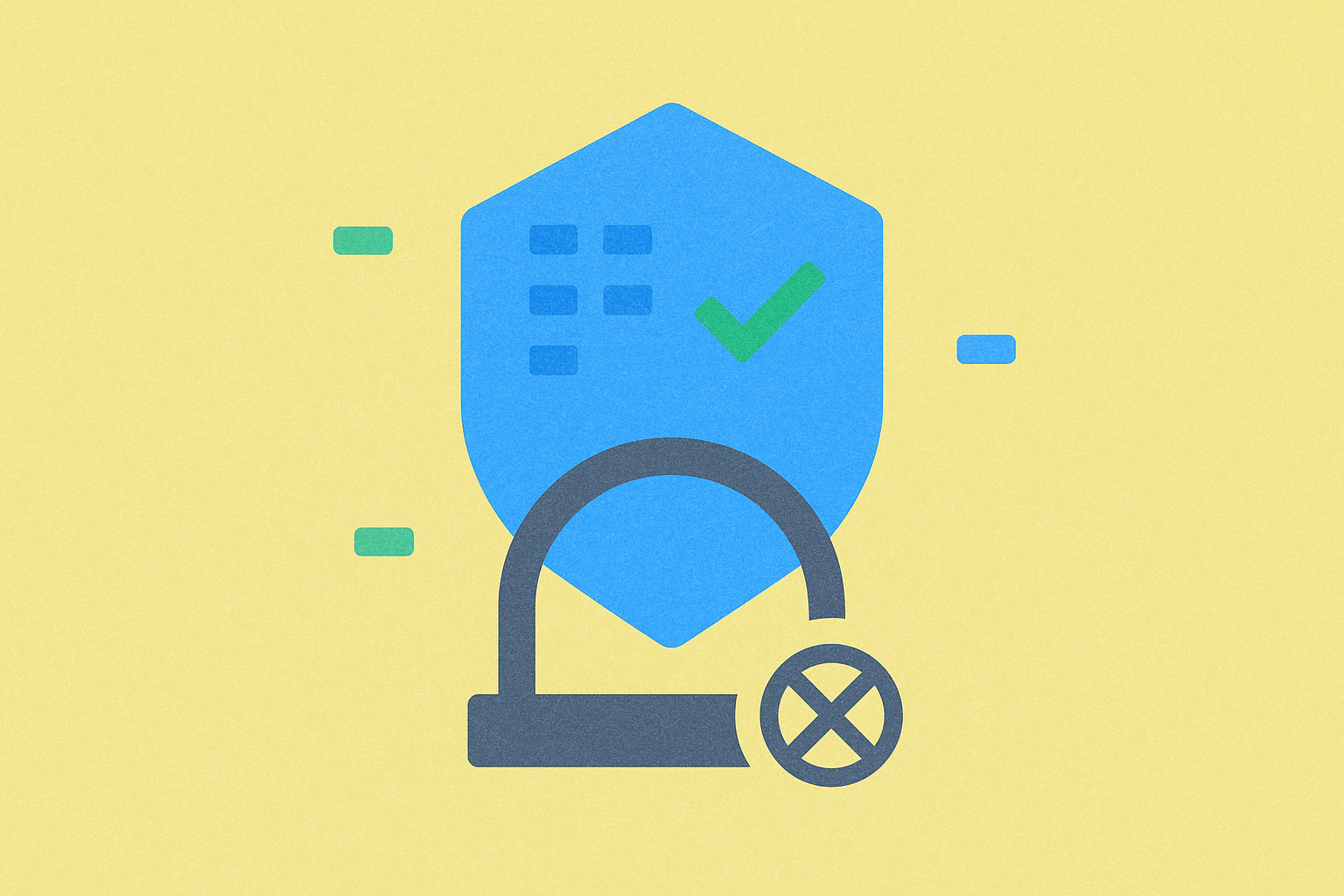
Can Algorand Reach $1,000: An In-Depth Analysis

This comprehensive guide examines Algorand's technological foundation, market position, and potential for reaching $1,000 per token. Algorand stands out through its Pure Proof of Stake consensus mechanism, delivering scalability, security, and decentralization simultaneously while maintaining environmental sustainability. The article explores current market dynamics, institutional adoption barriers, and competitive landscape against platforms like Ethereum and Solana on Gate and other major exchanges. Key drivers for price appreciation include ecosystem expansion, strategic partnerships, regulatory clarity, and enterprise adoption across DeFi, supply chain, and CBDC initiatives. While $1,000 requires substantial market capitalization growth exceeding $10 trillion, Algorand's genuine utility and technological advantages position it as a credible long-term investment opportunity. The analysis balances realistic constraints against speculative potential, emphasizing the importance of thorough due diligence and r
2026-01-18 10:24:20
Is Golden Angeles University Real: Facts and Verification

Is Golden Angeles University Real: Facts and Verification

This comprehensive guide exposes fraudulent crypto education providers and equips learners with essential verification strategies. It examines Golden Angeles University as a case study of unaccredited institutions targeting blockchain enthusiasts, highlighting the risks of diploma mills and fake certifications. The article provides systematic verification steps including accreditation checks, digital footprint analysis, and alumni network verification through trusted sources like Gate exchange partners and industry-recognized platforms. It addresses common misconceptions about legitimacy indicators and outlines protection strategies for aspiring crypto students. By analyzing latest regulatory developments and comparing legitimate institutions offering blockchain programs, this resource empowers readers to distinguish authentic educational providers from fraudulent schemes, ensuring safe investments in genuine crypto knowledge and recognized credentials.
2026-01-18 10:17:34
Is Trading with Leverage Haram?

Is Trading with Leverage Haram?

This comprehensive guide explores Islamic finance principles and leverage trading permissibility for Muslim investors. Leverage trading is fundamentally forbidden (haram) in Islam due to riba (interest charges) and gharar (excessive uncertainty), violating core Shariah principles. The article examines why leveraged positions create asymmetric risks, examines real-world cryptocurrency trading examples, and explains how borrowed funds conflict with Islamic ownership concepts. Recent developments reveal innovative Shariah-compliant alternatives using profit-sharing structures (mudarabah, musharakah) and blockchain smart contracts on Gate and other compliant platforms. Market data shows 65% of Muslim investors seek halal leverage options, driving Islamic fintech growth across Malaysia, UAE, and Saudi Arabia. Key takeaways emphasize understanding riba and gharar prohibitions, consulting qualified scholars, and exploring emerging Sharia-compliant trading solutions that maintain religious principles while enabling p
2026-01-18 10:15:23