LCP_hide_placeholder
fomox
MarketsPerpsSpotSwapMeme Referral
More
Smart Money Recruitment
Search Token/Wallet
/

What's the Fear and Greed Index: Crypto Market Sentiment Explained
2026-01-19 14:24:19
Crypto Insights
Crypto Trading
Cryptocurrency market
Investing In Crypto
Trading Bots
Article Rating : 3
95 ratings
The Fear and Greed Index is a sentiment indicator that quantifies cryptocurrency market psychology on a scale from 0 to 100, helping traders identify potential buying opportunities during extreme fear or selling signals during excessive greed. This comprehensive guide decodes how the index analyzes volatility, trading volume, social media trends, Bitcoin dominance, and Google search patterns to measure real-time market sentiment. The article reveals why understanding market psychology matters for timing entries and exits, managing risk, and avoiding emotional trading pitfalls. It clarifies common misconceptions about the index and demonstrates how to effectively combine sentiment analysis with technical indicators and on-chain data on Gate trading platform. By following practical tips like maintaining a trading journal and setting predefined criteria, traders can leverage the Fear and Greed Index as a powerful supplementary tool within a comprehensive trading strategy to navigate volatile crypto markets with
What's the Fear and Greed Index: Crypto Market Sentiment Explained

Understanding the Fear and Greed Index in Crypto

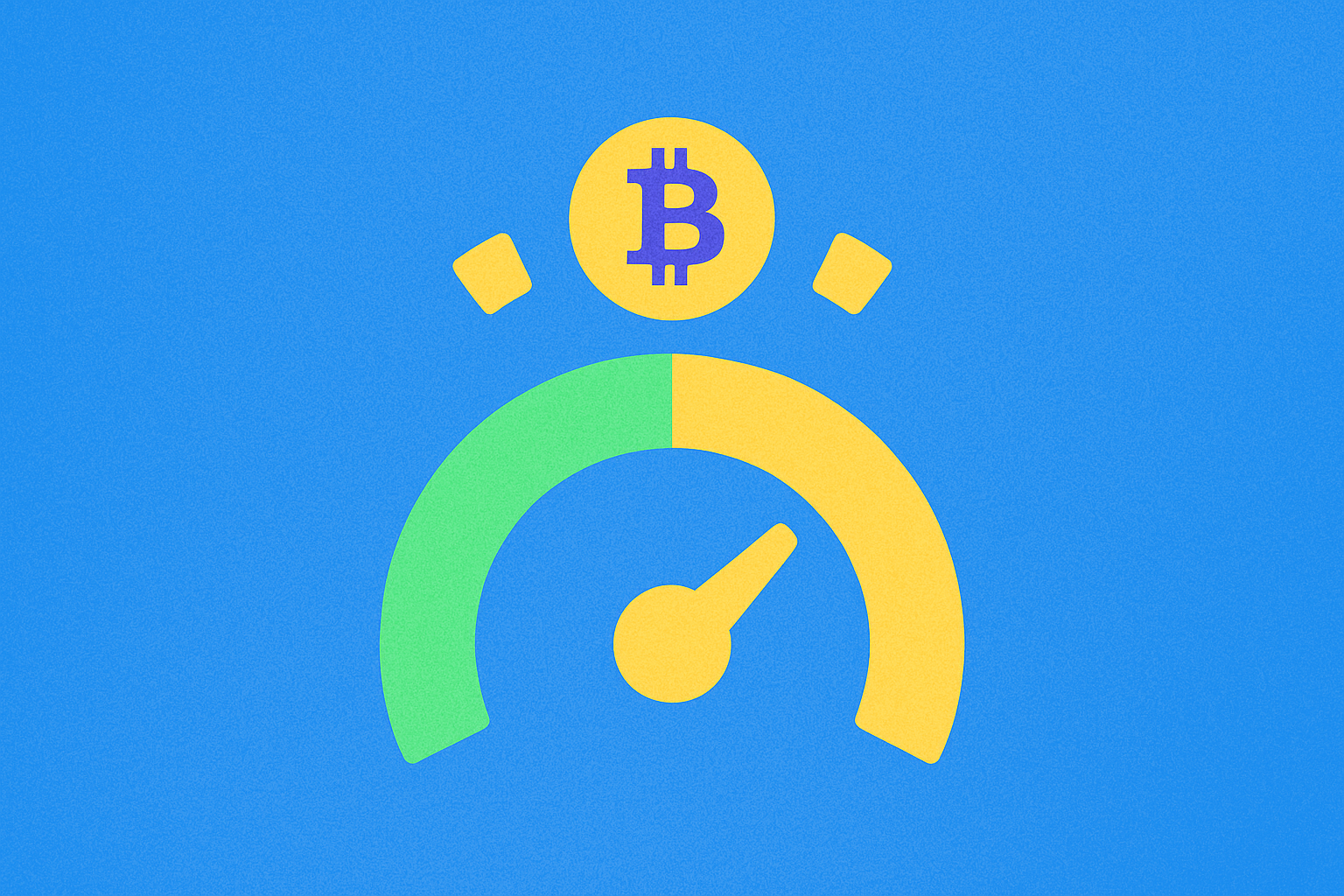
The Fear and Greed Index is a sentiment indicator that measures the prevailing emotions driving the cryptocurrency market. It assigns a score from 0 (extreme fear) to 100 (extreme greed), helping users gauge whether the market is undervalued or overvalued based on collective investor behavior. This numerical representation provides traders with a quantifiable measure of market psychology, which is particularly valuable in the highly emotional crypto space.

In the cryptocurrency ecosystem, this index is updated daily and considers multiple factors like volatility, trading volume, social media trends, and market momentum. The index serves as a barometer of market sentiment, reflecting the collective emotions of millions of traders and investors worldwide. By distilling complex market psychology into a single, easy-to-understand metric, it helps traders cut through the noise and focus on the underlying sentiment driving price movements.

For example, a low score signals widespread fear, which may indicate buying opportunities as assets become undervalued due to panic selling. Conversely, a high score reflects excessive greed, often preceding market corrections as euphoria drives prices to unsustainable levels. In recent periods, the index has fluctuated between 40 and 70, reflecting ongoing uncertainty and rapid sentiment shifts in the wake of regulatory updates and major asset price swings. These fluctuations demonstrate how quickly market sentiment can change in response to news events, regulatory developments, and macroeconomic factors.

Key Factors Influencing the Index

The Fear and Greed Index in crypto is calculated using several quantifiable metrics, each weighted according to its impact on market sentiment. Understanding these components helps traders interpret the index more effectively and recognize what's driving current market emotions.

The primary factors include:

  • Volatility: Measures sudden price changes and market swings, with higher volatility typically indicating fear and lower volatility suggesting complacency or confidence. This metric compares current volatility levels to historical averages, providing context for whether market movements are unusual or within normal ranges.

  • Market Momentum and Volume: Tracks buying and selling activity across major exchanges, with increasing volume during price rises indicating greed and declining volume during drops suggesting fear. High volume confirms the strength of market moves, while low volume may indicate weak conviction.

  • Social Media Sentiment: Analyzes trending keywords and engagement on platforms like Twitter and Reddit, measuring the tone and frequency of crypto-related discussions. Positive sentiment and increased engagement typically correlate with greed, while negative sentiment indicates fear.

  • Bitcoin Dominance: Observes shifts in Bitcoin's market share relative to altcoins. When Bitcoin dominance increases, it often signals fear as investors flee to the perceived safety of the market leader. Conversely, declining dominance suggests greed as traders chase higher returns in altcoins.

  • Google Trends: Monitors search interest for crypto-related terms, with increased searches for "buy Bitcoin" indicating greed and searches for "Bitcoin crash" suggesting fear. This metric captures retail investor interest and FOMO (fear of missing out).

These components are weighted and combined to produce the final index value, creating a comprehensive picture of market sentiment. For instance, in recent market observations, a spike in trading volume and positive social sentiment pushed the index to 68, signaling heightened market optimism. This multi-factor approach ensures the index captures various dimensions of market psychology rather than relying on a single metric.

Why the Fear and Greed Index Matters for Traders

Understanding the Fear and Greed Index can help crypto traders avoid common pitfalls driven by emotional trading. When the index signals extreme fear, it often coincides with market bottoms, presenting potential buying opportunities for contrarian investors. This is because extreme fear typically leads to overselling, pushing prices below their intrinsic value. Conversely, extreme greed can precede sharp corrections as overconfidence drives prices to unsustainable levels, creating dangerous conditions for late entrants.

This makes the index a valuable tool for timing entries and exits, managing risk, and staying disciplined during volatile periods. By providing an objective measure of market sentiment, the index helps traders recognize when emotions are driving prices away from fundamental values. This awareness can prevent impulsive decisions driven by FOMO or panic, two of the most destructive emotions in trading.

The index is particularly useful for:

  • Contrarian Trading: Identifying opportunities to buy during extreme fear or sell during extreme greed
  • Risk Management: Recognizing when market conditions are becoming dangerously euphoric or pessimistic
  • Emotional Discipline: Maintaining objectivity when personal emotions might cloud judgment
  • Market Timing: Improving entry and exit timing by understanding broader market psychology

However, it's important to remember that the index is just one of many tools in a comprehensive trading strategy. Combining it with technical analysis, on-chain data, and advanced platform trading features can provide a more comprehensive market view. In recent developments, institutional adoption and ETF filings have also influenced market sentiment, further highlighting the need for reliable sentiment indicators that can help traders navigate increasingly complex market dynamics.

Common Misconceptions and Practical Tips

Many beginners mistakenly treat the Fear and Greed Index as a direct buy or sell signal, expecting it to provide precise entry and exit points. In reality, it should be used as a supplementary indicator, not a standalone strategy. The index measures sentiment, which is just one aspect of market analysis. Overreliance on sentiment can lead to impulsive decisions, especially during periods of high volatility or after major news events when emotions run particularly high.

Several common misconceptions include:

  • Extreme readings guarantee reversals: While extreme fear or greed often precedes turning points, markets can remain at extremes longer than expected
  • The index predicts timing: The index shows current sentiment but doesn't specify when sentiment will shift
  • Higher scores mean sell immediately: Context matters—during bull markets, greed can persist for extended periods
  • The index works in isolation: Best results come from combining it with other analytical tools

For best results and practical application, traders should:

  • Regularly monitor the index alongside real-time market data from your trading platform to identify divergences between sentiment and price action
  • Set clear trading goals and predefined entry/exit criteria that incorporate sentiment analysis as one factor among many
  • Use stop-loss orders to manage risk and protect against sudden sentiment shifts that can trigger rapid price movements
  • Combine sentiment analysis with technical indicators, fundamental analysis, and on-chain metrics for a well-rounded view
  • Keep a trading journal to track how sentiment readings correlate with your trading outcomes over time
  • Avoid making impulsive decisions based solely on extreme readings—wait for confirmation from other indicators

Remember, emotional discipline is key to long-term success in crypto trading. The Fear and Greed Index is a tool to enhance your decision-making process, not replace it. By understanding market sentiment while maintaining analytical rigor and emotional control, traders can navigate the volatile crypto markets more effectively and avoid the psychological traps that ensnare less disciplined participants.

FAQ

What is the Fear and Greed Index? How is it calculated?

The Fear and Greed Index measures cryptocurrency market sentiment on a scale from extreme fear to extreme greed. It calculates by analyzing market volatility (25%), trading volume (25%), social media sentiment (15%), Bitcoin dominance (10%), and Google search trends (10%). Extreme fear may signal buying opportunities, while extreme greed suggests potential market corrections.

How to interpret different values of the Fear and Greed Index? What do 0-100 represent?

The Fear and Greed Index ranges from 0 to 100. Values 0-25 indicate extreme fear, 25-45 fear, 45-55 neutral, 55-75 greed, and 75-100 extreme greed. Lower scores reflect cautious market sentiment with buying opportunities, while higher scores indicate aggressive sentiment suggesting potential overheating.

How should I use the Fear and Greed Index to make cryptocurrency investment decisions?

Monitor the index daily to identify market extremes. Extreme fear often signals undervalued assets and buying opportunities, while extreme greed may indicate overvaluation and potential corrections. Combine the index with technical analysis and other indicators to optimize entry and exit timing, enhancing your trading strategy effectiveness.

Fear and Greed Index directly correlates with Bitcoin and Ethereum price movements. Higher index values indicate investor greed, typically driving prices up, while lower values signal fear, often causing price declines. It serves as a key sentiment indicator for crypto market direction.

What are the limitations of the Fear and Greed Index? Can I rely completely on it for trading?

The Fear and Greed Index updates only once daily and lacks trading volume granularity, making it unsuitable as a sole trading indicator. Combine it with other technical and fundamental analysis tools for better decision-making.

* The information is not intended to be and does not constitute financial advice or any other recommendation of any sort offered or endorsed by Gate.

Share

Content

Understanding the Fear and Greed Index in Crypto

Key Factors Influencing the Index

Why the Fear and Greed Index Matters for Traders

Common Misconceptions and Practical Tips

FAQ

Related Articles
Understanding Crypto Market Manipulation: The Pump and Dump Tactics

Understanding Crypto Market Manipulation: The Pump and Dump Tactics

This article demystifies the prevalent crypto market manipulation tactic known as pump-and-dump schemes. It explores the mechanism behind these schemes, with real-world examples, such as those involving John McAfee and the SaveTheKids token. Readers will learn how to spot potential scams through warning signs and strategies to safeguard investments, emphasizing due diligence and skepticism. The article provides actionable insights for crypto investors, enhancing their ability to recognize fraudulent practices and implement protective measures like focusing on established projects and using stop-loss orders. Key terms include "crypto manipulation," "pump-and-dump," and "investment protection."
2025-12-04 13:57:50
Understanding Day Trading Regulations in Cryptocurrency Markets

Understanding Day Trading Regulations in Cryptocurrency Markets

This article delves into the dynamics of day trading in cryptocurrency markets, highlighting regulations, strategies, and common pitfalls. It provides insights for traders on navigating platform-specific rules, with Gate as a reference point, and understanding varying tax implications by region. Designed for both beginners and experienced traders, the content offers strategic frameworks like scalping and technical analysis, encouraging sound risk management. The piece emphasizes thorough market research and disciplined trading approaches to maximize potential gains in a volatile environment.
2025-11-26 09:31:52
Identifying Trends in the Crypto Market

Identifying Trends in the Crypto Market

The article delves into bear flag patterns, a key tool for cryptocurrency traders to identify and predict ongoing downtrends in the market. It explains what bear flag patterns are, details their identification, and explores trading strategies like short selling and setting stop-losses. It highlights the pros and cons of using these patterns and compares them with bull flags. The article addresses the needs of traders seeking structured approaches and risk management strategies in volatile markets, emphasizing the importance of combining analysis tools for informed decision-making.
2025-11-20 08:15:19
Understanding Cryptocurrency Trading Hours: Do Markets Ever Close?

Understanding Cryptocurrency Trading Hours: Do Markets Ever Close?

The article delves into cryptocurrency trading pauses, detailing their nature and triggers while underscoring the continuous operation of crypto markets. It outlines the mechanisms and reasons for trading pauses on centralized platforms like Gate, including security concerns and regulatory issues. Readers will gain insights into the advantages and disadvantages of trading pauses, and strategies like using self-custodial wallets are discussed to avoid potential restrictions. Ideal for crypto traders, the piece provides a thorough understanding of how to navigate trading pauses effectively within the 24/7 crypto landscape.
2025-10-30 06:56:28
New Cryptocurrency High: What’s Next?

New Cryptocurrency High: What’s Next?

Explore the concept of All-Time High (ATH) in cryptocurrency and its effects on market dynamics. Gain insights into trading strategies for ATH and methods to prevent FOMO. The article also presents chart examples and analysis of leading cryptocurrencies on the Gate platform.
2025-11-16 06:37:14
Cryptocurrency Trading Suspensions: What You Need to Know

Cryptocurrency Trading Suspensions: What You Need to Know

"Cryptocurrency Trading Suspensions: What You Need to Know," explores the nuances of trading pauses in crypto markets. It examines why and how these pauses occur, highlighting regulatory, security, and liquidity factors primarily on centralized platforms like Gate. The article identifies the pros and cons, offering insights for traders to navigate disruptions effectively through self-custody solutions. Key topics include reasons for pauses, duration, and their impact on trading freedom, emphasizing the importance of knowledge and preparation in the evolving crypto ecosystem.
2025-11-21 06:31:33
Recommended for You
How Many XRP Are There? Complete Supply Guide
How Many XRP Are There? Complete Supply Guide

This comprehensive guide explores XRP's fixed 100 billion token supply model, distinguishing it from Bitcoin and Ethereum's alternative approaches. With over 59 billion in circulation and approximately 38 billion locked in escrow accounts, XRP maintains predictable supply growth through monthly 1 billion token releases. The article breaks down where all XRP tokens exist, explains the gradual deflationary burning mechanism through transaction fees, and clarifies why supply doesn't directly determine price potential. By analyzing escrow schedules, institutional holdings, and real-world payment utility, investors gain critical insights for valuation models. Key takeaways include understanding supply dynamics on Gate exchange platforms and recognizing that demand from cross-border payment adoption ultimately drives value appreciation beyond token economics alone.
2026-01-19 17:30:07
How Many XRP Are In Circulation?

How Many XRP Are In Circulation?

This comprehensive guide explains XRP's circulating supply and its critical importance for cryptocurrency investors and traders. XRP operates with a fixed total supply of 100 billion tokens, with approximately 55.6 billion currently in circulation, managed through Ripple's sophisticated escrow mechanism that releases 1 billion tokens monthly. Understanding circulating supply is essential for calculating market capitalization, assessing price potential, and evaluating ecosystem health. The article covers escrow releases, transaction fee burns, institutional distributions, and how these factors transparently affect supply dynamics. Key factors include predictable monthly releases, minimal coin burning, institutional OTC sales, and lost wallet tokens that reduce effective circulation. By monitoring circulating supply through major exchanges on platforms like Gate and analytics providers, traders can make informed decisions about XRP's valuation relative to its utility in cross-border payments and compare it with
2026-01-19 17:26:51
What is Gas Limit in Blockchain Transactions?
What is Gas Limit in Blockchain Transactions?

This comprehensive guide explores blockchain gas limits, a critical mechanism that controls transaction costs and ensures network stability on platforms like Ethereum. Gas limits represent the maximum computational resources users allocate for transactions, directly impacting transaction fees and execution success. The article covers essential concepts including how gas functions as blockchain fuel, the historical evolution from fixed to dynamic pricing models, and practical working mechanisms using Gwei measurements. Key benefits include cost predictability, security assurance through infinite loop prevention, and efficient network resource management. Readers will learn to calculate appropriate gas limits for different transaction types, from simple transfers requiring 21,000 units to complex smart contracts needing substantially more. The guide emphasizes balancing optimal cost efficiency with transaction reliability, while exploring emerging solutions and best practices for navigating the evolving blockch
2026-01-19 16:44:43
Bitcoin (BTC) Price Prediction: Market Forecast and Analysis

Bitcoin (BTC) Price Prediction: Market Forecast and Analysis

This comprehensive guide explores Bitcoin's 2025 price outlook through expert analysis and market trends. The article examines current market dynamics, key price drivers including investor sentiment, macroeconomic conditions, and regulatory developments, while analyzing Bitcoin's historical cycles and patterns. Short-term predictions highlight technical support and resistance levels around $111,800-$136,600, with potential consolidation or directional moves. Long-term forecasts suggest Bitcoin could reach approximately $177,000 by decade's end, supported by adoption curves and scarcity models. The analysis addresses critical risks including regulatory uncertainty, macroeconomic shifts, and market cycle timing. For traders on Gate and long-term investors, this outlook provides frameworks for multiple scenarios, emphasizing risk management and the importance of monitoring evolving market conditions.
2026-01-19 16:41:19
How to Calculate Crypto Price Prediction

How to Calculate Crypto Price Prediction

This comprehensive guide explores modern techniques for cryptocurrency price prediction, combining fundamental analysis, technical indicators, and advanced methodologies to enhance investment decision-making. The article examines how market forces—including supply and demand, investor sentiment, technological developments, and regulatory changes—drive cryptocurrency valuations. It provides actionable frameworks covering fundamental analysis of project whitepapers and tokenomics, technical analysis using tools like moving averages and RSI, sentiment analysis through social media monitoring, and artificial intelligence applications. The guide emphasizes that successful price prediction integrates multiple analytical approaches: technical analysis identifies short-term trends, fundamental analysis evaluates long-term value, sentiment analysis captures emotional market drivers, and machine learning uncovers complex patterns. Critical focus on risk management, diversification, and psychological discipline demonstr
2026-01-19 16:37:15
Smart Contract Security, Top Risks, Best Practices, and Real-World Solutions

Smart Contract Security, Top Risks, Best Practices, and Real-World Solutions

This comprehensive guide explores smart contract security—essential practices to protect digital assets and prevent catastrophic losses in blockchain applications. Smart contracts, once deployed, are immutable and often hold millions in value, making security non-negotiable. The article examines the top ten vulnerabilities including reentrancy attacks, access control failures, and oracle manipulation, supported by real-world cases like the $60 million DAO hack. It details how security audits work, combining automated tools with manual expert review. Developers learn best practices including rigorous testing, leveraging audited libraries like OpenZeppelin, and implementing fail-safe mechanisms. DeFi project founders discover deployment security, post-launch monitoring, and incident response strategies. The guide also covers regulatory compliance, user asset insurance programs available on Gate and other platforms, plus real-time automated monitoring tools. Whether you're a developer, investor, or DeFi builder,
2026-01-19 16:34:01