Why Is Crypto Crashing and Will It Recover

Understanding the Crypto Crash
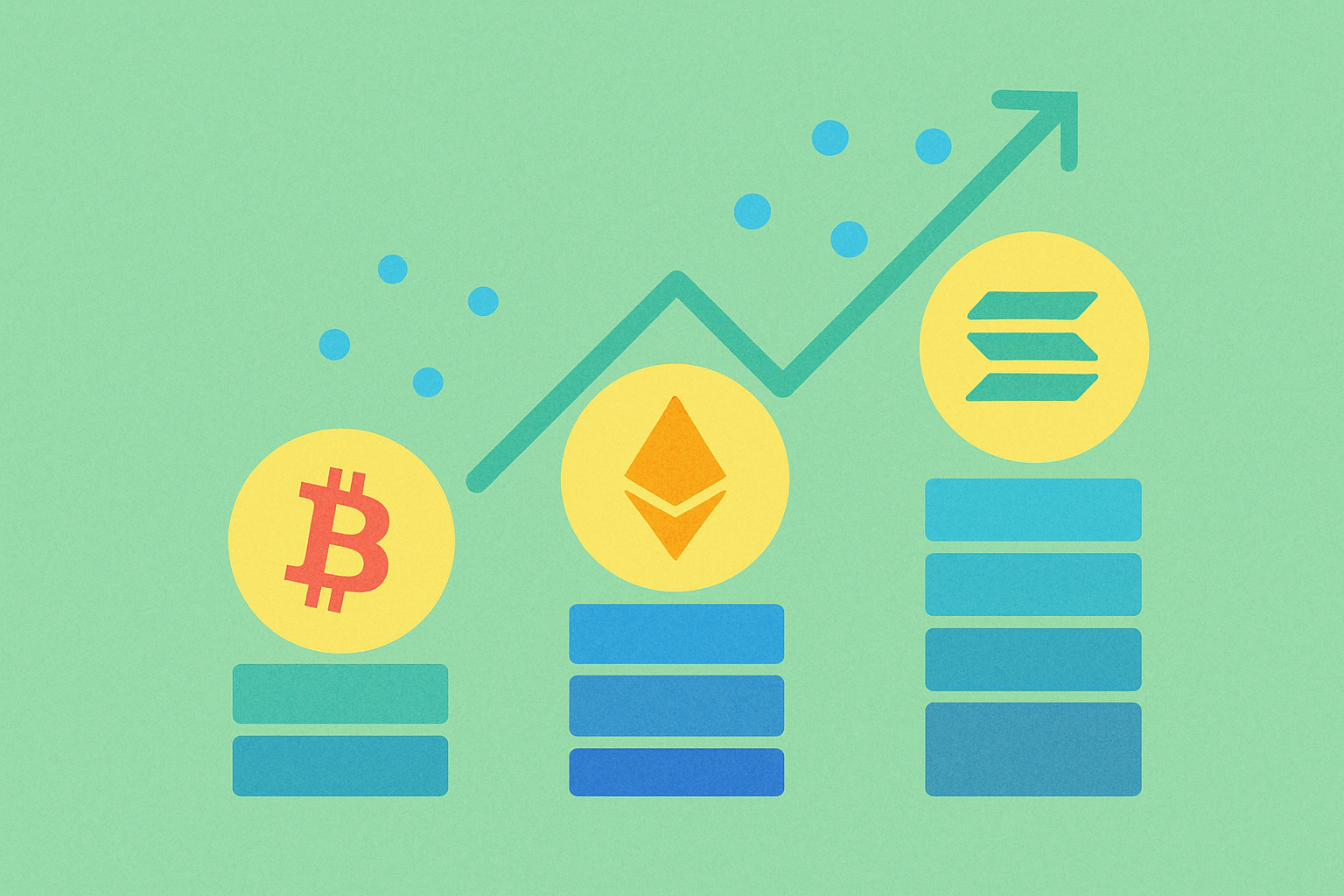
The cryptocurrency market is characterized by its inherent volatility, with asset prices frequently experiencing substantial fluctuations within short timeframes. Market downturns, while unsettling for investors, are a recurring feature of the crypto ecosystem. During these periods, the values of prominent cryptocurrencies such as Bitcoin and Ethereum can drop significantly, triggering widespread concern among market participants.
These market corrections often lead to panic selling, as investors rush to liquidate their holdings in fear of further losses. This behavior creates a self-reinforcing cycle where selling pressure drives prices down further, amplifying the initial decline. Understanding this psychological aspect of market dynamics is crucial for anyone participating in the cryptocurrency space.
Several interconnected factors contribute to cryptocurrency market downturns. Regulatory developments play a significant role, as government policies can dramatically impact market sentiment and trading activity. For instance, when major economies implement stricter regulations on crypto trading and mining operations, it can lead to reduced market liquidity and decreased demand. Countries imposing comprehensive regulatory frameworks have historically triggered notable price adjustments across the entire crypto market.
Additionally, market sentiment is heavily influenced by public statements from prominent business leaders and industry figures. Comments from influential figures in the past have demonstrated the power to move markets substantially. When respected voices express skepticism or concern about cryptocurrency valuations, it can trigger widespread selling as investors reassess their positions.
Market manipulation and whale activity also contribute to price volatility. Large holders of cryptocurrency, known as "whales," can influence prices through coordinated buying or selling. Furthermore, macroeconomic factors such as inflation concerns, interest rate changes, and global economic uncertainty can drive investors away from riskier assets like cryptocurrencies toward more traditional safe-haven investments.
Can Crypto Recover?
The resilience of cryptocurrency markets has been demonstrated repeatedly throughout their history. While current market conditions may appear challenging, historical patterns suggest that recovery is not only possible but likely. The cryptocurrency market has weathered multiple significant corrections over the years, with each downturn eventually giving way to renewed growth and, in many cases, new all-time highs.
Market sentiment serves as a critical indicator for potential recovery. When investor confidence begins to return and buying pressure increases, it can signal the beginning of a reversal in the downward trend. This shift in sentiment often occurs when market participants recognize that asset prices have fallen to attractive levels, presenting buying opportunities for long-term investors.
Technological advancement within the blockchain and cryptocurrency ecosystem provides a strong foundation for future growth. Ongoing developments in scalability solutions, such as layer-2 protocols and improved consensus mechanisms, address many of the technical limitations that have historically constrained cryptocurrency adoption. Enhanced security measures and user-friendly interfaces are making cryptocurrencies more accessible to mainstream users, potentially expanding the market significantly.
Institutional adoption continues to grow, with major financial institutions and corporations increasingly integrating cryptocurrency into their operations. This institutional involvement brings greater legitimacy and stability to the market, potentially reducing volatility over time. As regulatory frameworks become clearer and more comprehensive, institutional investors may feel more comfortable allocating significant capital to cryptocurrency assets.
The diversification of the cryptocurrency ecosystem also supports long-term recovery prospects. Beyond Bitcoin and Ethereum, thousands of projects are developing innovative applications of blockchain technology across various industries, from decentralized finance (DeFi) to non-fungible tokens (NFTs) and supply chain management. This diversification reduces the market's dependence on any single asset or use case.
Final Thoughts
Navigating cryptocurrency market volatility requires a measured approach grounded in research and rational decision-making. While market downturns can be psychologically challenging, they are an inherent characteristic of the cryptocurrency asset class. Investors who understand this reality and prepare accordingly are better positioned to weather market storms and potentially benefit from eventual recoveries.
Staying informed about market developments, regulatory changes, and technological advancements is essential for making sound investment decisions. Rather than reacting emotionally to short-term price movements, successful investors typically maintain a long-term perspective and base their decisions on fundamental analysis and risk assessment.
Risk management should be a priority for anyone participating in the cryptocurrency market. This includes diversifying holdings across multiple assets, only investing capital that one can afford to lose, and implementing stop-loss strategies to limit potential losses. Dollar-cost averaging, where investors make regular purchases regardless of price, can help mitigate the impact of market volatility and reduce the risk of poorly timed investments.
While the factors contributing to market downturns are complex and multifaceted, the cryptocurrency market has consistently demonstrated resilience and recovery capability. By maintaining a disciplined investment approach, staying informed about market conditions, and managing risk appropriately, investors can position themselves to navigate volatility and potentially capitalize on future opportunities in the evolving cryptocurrency landscape. The key is to view market corrections not as catastrophic events, but as natural phases in the market cycle that may present strategic entry points for patient, well-informed investors.
FAQ
Why is cryptocurrency crashing right now? What are the main reasons?
Crypto markets fluctuate due to macroeconomic factors, regulatory changes, interest rate shifts, and market sentiment. Recent downturns reflect broader economic conditions, institutional repositioning, and profit-taking cycles. Recovery typically follows as fundamentals stabilize and adoption increases.
Has cryptocurrency recovered from previous crashes? How long did it take?
Yes, cryptocurrency has consistently recovered from major crashes. Bitcoin recovered from the 2018 bear market in approximately 2 years, reaching new highs by 2021. The 2022 downturn recovered within 1-2 years. Historical patterns show crypto typically rebounds within 12-24 months as adoption grows and market confidence returns.
When will crypto recover? What are experts predicting?
Experts predict crypto recovery in 2026-2027 as institutional adoption accelerates and regulatory clarity improves. Bitcoin could reach $100,000+ while altcoins benefit from ecosystem maturation and real-world utility expansion.
Should I buy crypto during a crash or wait for recovery?
Buying during crashes offers lower entry prices and higher recovery potential. Market timing is difficult, so consider dollar-cost averaging. Early investors who bought during previous crashes saw significant gains as markets recovered. Act decisively during downturns.
What factors affect crypto price recovery?
Crypto price recovery depends on several key factors: market sentiment and investor confidence, regulatory developments and government policies, Bitcoin and major asset performance, overall trading volume and liquidity, technological innovations and network upgrades, macroeconomic conditions including inflation and interest rates, and institutional adoption levels. These elements collectively influence the direction and speed of market recovery.
How can I protect my investments during a crypto crash?
Diversify your portfolio across different assets, use dollar-cost averaging to reduce entry risk, store assets in secure wallets, and maintain a long-term investment perspective. Set stop-loss limits and avoid panic selling during volatility.
What is the difference between a crypto crash and a market correction?
A market correction is a normal 10-20% pullback, while a crypto crash involves sharp declines exceeding 20%, often triggered by major events or sentiment shifts. Corrections are temporary; crashes require longer recovery periods.
Which cryptocurrencies are most likely to recover first?
Bitcoin and Ethereum typically lead recoveries due to their strong fundamentals, largest market capitalization, and institutional adoption. Stablecoins and major altcoins with real utility also recover faster than speculative tokens.
How Does POWER Price Volatility Compare to Other Cryptocurrencies?

How Does HEI Price Volatility Compare to Bitcoin in 2025?

Top Cryptocurrencies to Consider During Market Downturn

How Has Bitcoin's Price Volatility Evolved in 2025?

How Has Bitcoin's Price Volatility Evolved in 2025?

How Does Telcoin's 15% Price Volatility Compare to Bitcoin and Ethereum in 2025?

What Are the Best Penny Stocks to Invest In: Crypto Insights
How to Day Trade Bitcoin & Crypto on MetaTrader 4

Bitcoin Market Operating Hours: Opening and Closing Times
Fungibility

When Will the Next Altcoin Season Be: Key Signals and Market Outlook