2024 Cryptocurrency Trading Volume Hits New Yearly Lows

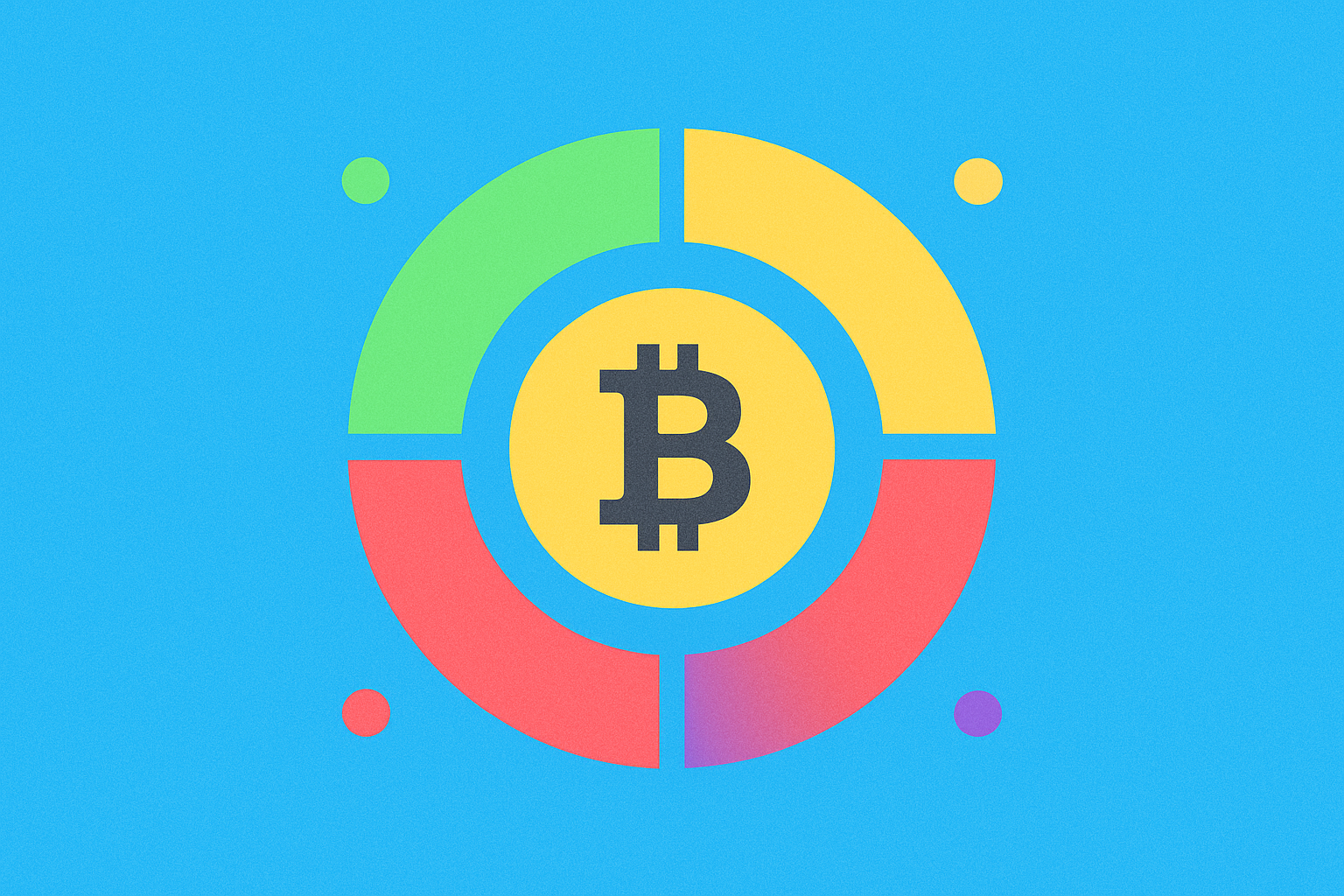
The Crypto Carousel: Explaining Cryptocurrency Cycles
cryptocurrency markets, despite their notorious volatility and unpredictability, are believed by many traders to follow discernible patterns similar to natural phenomena like lunar phases or ocean tides. This comprehensive guide explores the theory of crypto market cycles, examining whether these patterns represent genuine market dynamics or merely self-fulfilling prophecies driven by collective trader psychology.
Understanding crypto market cycles
Crypto market cycles represent observable long-term price patterns and behavioral trends within the cryptocurrency trading ecosystem. These cycles are identified through careful analysis of historical price data combined with fundamental principles of market psychology. Traders who subscribe to cycle theory utilize these patterns to correlate past movements with current market conditions, enabling them to forecast potential future scenarios.
The core premise of crypto cycle theory suggests that beneath the surface chaos of seemingly random price fluctuations lies a structured rhythm. This rhythm manifests as a four-stage pattern that repeats over time, independent of short-term news events or economic indicators. Proponents argue that by understanding these cyclical patterns, traders can position themselves advantageously during different market phases, maximizing opportunities for profit while minimizing exposure to risk.
Historical data serves as the foundation for cycle analysis, though it's important to note that past performance doesn't guarantee future results. Nevertheless, cycle theorists maintain that the recurring nature of human psychology in trading creates identifiable seasonal patterns in the cryptocurrency markets.
The purported four phases of a crypto cycle chart
According to technical analysts and cycle theorists, every complete crypto market cycle progresses through four distinct phases, each characterized by unique price action, trading volume, and market sentiment. Understanding these phases is crucial for traders attempting to navigate the volatile cryptocurrency landscape.
Phase 1: The Quiet Consolidation Phase (Accumulation)
The consolidation phase, often referred to as "crypto winter," represents the nadir of the market cycle. This phase is characterized by minimal trading activity, compressed price ranges, and widespread apathy or pessimism toward cryptocurrencies. Following a bear market, prices stabilize at relatively low levels, and mainstream media interest in digital assets virtually disappears. During these periods, crypto volume typically reaches its lowest level in the year, signaling reduced market participation.
During this period, sentiment is overwhelmingly negative, with many participants exiting the market entirely. However, experienced traders with long-term investment horizons often view this phase as an opportunity to accumulate assets at discounted prices. The term "HODL" (Hold On for Dear Life) is frequently associated with this strategy, as believers in the technology continue to build positions despite the prevailing negativity. When crypto volume hits its lowest level year in and year out during consolidation phases, seasoned investors recognize this as a potential accumulation opportunity.
Phase 2: The Markup Phase (Bull Market)
The markup phase marks the transition from winter to spring in the crypto market. Optimism gradually returns as prices begin trending upward, often catalyzed by positive news events, technological upgrades, or increased institutional interest. Trading volumes surge as new participants enter the market, and existing holders become more confident in their positions. This surge in trading activity stands in stark contrast to the crypto volume lowest level year conditions experienced during consolidation.
This phase is characterized by sustained upward price movements, with assets frequently reaching new all-time highs. The fear of missing out (FOMO) becomes prevalent, sometimes leading to irrational exuberance and emotionally-driven trading decisions. Media coverage increases dramatically, and cryptocurrencies once again capture public imagination and attention.
Phase 3: Distribution Divergence
The distribution phase represents a critical juncture where early accumulators begin taking profits while new, optimistic traders continue entering positions. This creates a dynamic tension between buying and selling pressure. Prices may continue rising during this phase, but the momentum typically slows compared to the markup period.
Market participants become divided: some believe higher prices are inevitable, while others recognize signs of exhaustion and begin reducing exposure. This phase often features increased volatility and conflicting signals, making it particularly challenging to navigate. The balance between buyers and sellers becomes increasingly precarious as the cycle approaches its peak. Observing whether crypto volume remains elevated or begins declining toward its lowest level year comparisons can provide crucial insights during this ambiguous phase.
Phase 4: The Markdown Meltdown (Bear Market)
When selling pressure finally overwhelms buying interest, the market enters the markdown phase. This period is characterized by sharp price declines, widespread panic, and the dominance of fear, uncertainty, and doubt (FUD). Negative headlines proliferate, and scandals or regulatory concerns often amplify the downward momentum.
As prices fall precipitously, traders who entered during the markup or distribution phases may panic sell, exacerbating the decline. Eventually, after most sellers have exited and fear subsides, trading volumes decrease substantially, often approaching crypto volume lowest level year metrics, prices stabilize at lower levels, and the market transitions back into consolidation, beginning a new cycle.
How long do crypto cycles last?
While crypto cycles don't adhere to a fixed, predictable schedule, many traders observe a recurring four-year pattern that appears correlated with Bitcoin's halving events. This observation is supported by historical precedent: the crypto market has experienced major bull runs following previous halving events, separated by bear markets and consolidation periods lasting approximately four years.
Bitcoin halving events occur roughly every four years as part of the cryptocurrency's programmed monetary policy. During these events, the reward for mining new blocks is cut in half, effectively reducing Bitcoin's inflation rate by 50%. Given Bitcoin's dominant position in the cryptocurrency ecosystem—both by market capitalization and psychological influence—these supply adjustments significantly impact overall market sentiment.
Historical halvings have been followed by substantial bull markets, lending credence to the four-year cycle theory. However, critics argue that correlation doesn't necessarily imply causation, and the increasing maturity and institutionalization of cryptocurrency markets may alter these patterns over time. The debate continues regarding whether future cycles will follow this same temporal structure or if evolving market dynamics will create new patterns.
How to identify a crypto market cycle
While definitively identifying a cycle phase in real-time remains challenging, traders employ various analytical tools and metrics to assess current market conditions and make educated predictions about likely scenarios.
Bitcoin Halving Cycle Chart
Bitcoin halving events serve as crucial reference points for cycle analysis. Whether these events directly cause subsequent bull markets or merely coincide with them due to self-fulfilling prophecy, their impact on market psychology is undeniable. Historically, markup phases have often emerged within a year following halving events, making these dates essential considerations for cycle-based trading strategies.
Bitcoin Dominance Chart
The Bitcoin dominance metric measures Bitcoin's market capitalization as a percentage of the total cryptocurrency market cap. This indicator provides insights into risk appetite among market participants. Higher Bitcoin dominance typically suggests a risk-off environment, as traders seek the relative safety of the most established cryptocurrency during consolidation or markdown phases. Conversely, declining Bitcoin dominance often indicates a risk-on environment where traders are allocating capital to more speculative altcoins, potentially signaling markup or distribution phases.
Average Trading Volume
Trading volume, displayed as bars at the bottom of price charts, indicates the amount of capital changing hands daily. Elevated volume typically accompanies volatile periods such as markup or markdown phases, while diminished volume correlates with consolidation and distribution. When crypto volume reaches its lowest level year after year during consolidation phases, this often signals market exhaustion and potential accumulation opportunities. Volume analysis provides crucial confirmation of price movements and helps traders distinguish between genuine trends and false signals. Monitoring whether crypto volume is at its lowest level in years can help identify transitional phases between bear and bull markets.
Crypto Fear and Greed Index
Developed by Alternative.me, the Crypto Fear and Greed Index synthesizes multiple data points—including price volatility, social media sentiment, and Bitcoin dominance—to produce a daily score from 0 to 100. Extreme fear (scores near 0) often coincides with consolidation or markdown phases, while extreme greed (scores near 100) typically emerges during markup or distribution phases. Though not scientifically rigorous, this sentiment indicator helps traders gauge the emotional state of the market and identify potential entry or exit opportunities based on contrarian principles. Extreme fear readings often coincide with periods when crypto volume hits its lowest level in the year.
Exchange Volume Patterns
Monitoring trading activity across major centralized platforms and decentralized protocols provides additional insight into market cycles. When crypto volume across these platforms reaches its lowest level year over year, it typically indicates deep consolidation phases where retail participation has declined significantly. Conversely, surging volume across multiple trading venues often signals the beginning of markup phases or the panic of markdown periods.
Conclusion
Crypto market cycles represent a fascinating intersection of market dynamics, technological events, and collective psychology. While the theory suggests cryptocurrencies move through predictable four-phase patterns—accumulation, markup, distribution, and markdown—traders must approach cycle analysis with appropriate skepticism and risk management.
The historical correlation between Bitcoin halving events and subsequent bull markets, combined with observable patterns in trading volume, sentiment indicators, and Bitcoin dominance, provides a framework for understanding market behavior. Recognizing when crypto volume reaches its lowest level in years can be particularly valuable for identifying accumulation opportunities during consolidation phases. However, the cryptocurrency market continues evolving, with increasing institutional participation and regulatory developments potentially altering traditional cycle dynamics.
Successful navigation of crypto cycles requires combining multiple analytical tools, maintaining awareness of both technical and fundamental factors, and recognizing that no pattern guarantees future performance. Understanding when crypto volume hits its lowest level year after year, alongside other cyclical indicators, helps traders contextualize market conditions. Whether crypto cycles represent genuine market mechanics or self-fulfilling prophecies driven by collective belief, understanding these patterns provides traders with valuable context for decision-making in the volatile and rapidly evolving cryptocurrency landscape. As with any investment strategy, prudent risk management and continuous learning remain essential for long-term success in crypto markets.
FAQ
What was the worst year for crypto?
2022 was the worst year for crypto, characterized by major market crashes, significant trading volume declines, and the collapse of prominent crypto lenders like Celsius, causing substantial losses across the industry.
What is considered low volume in crypto?
Low volume in crypto refers to reduced trading activity and transaction amounts, indicating decreased investor interest and market participation. This typically suggests weaker price momentum and potential bearish market sentiment.
Why is trading volume important in cryptocurrency markets?
Trading volume indicates market activity and liquidity, helping traders assess price trends and market sentiment. Higher volume often signals stronger price movements and market conviction.
How does low volume affect cryptocurrency price volatility and liquidity?
Low trading value increases price volatility and reduces liquidity, causing higher slippage risk on large trades. Fewer transactions make prices more susceptible to sudden swings.
What are the risks of trading cryptocurrencies with low trading volume?
Low trading volume creates high price volatility and wider bid-ask spreads, making it difficult to execute large trades without significantly impacting prices. Market manipulation becomes easier, and liquidity crunches can prevent you from exiting positions quickly.
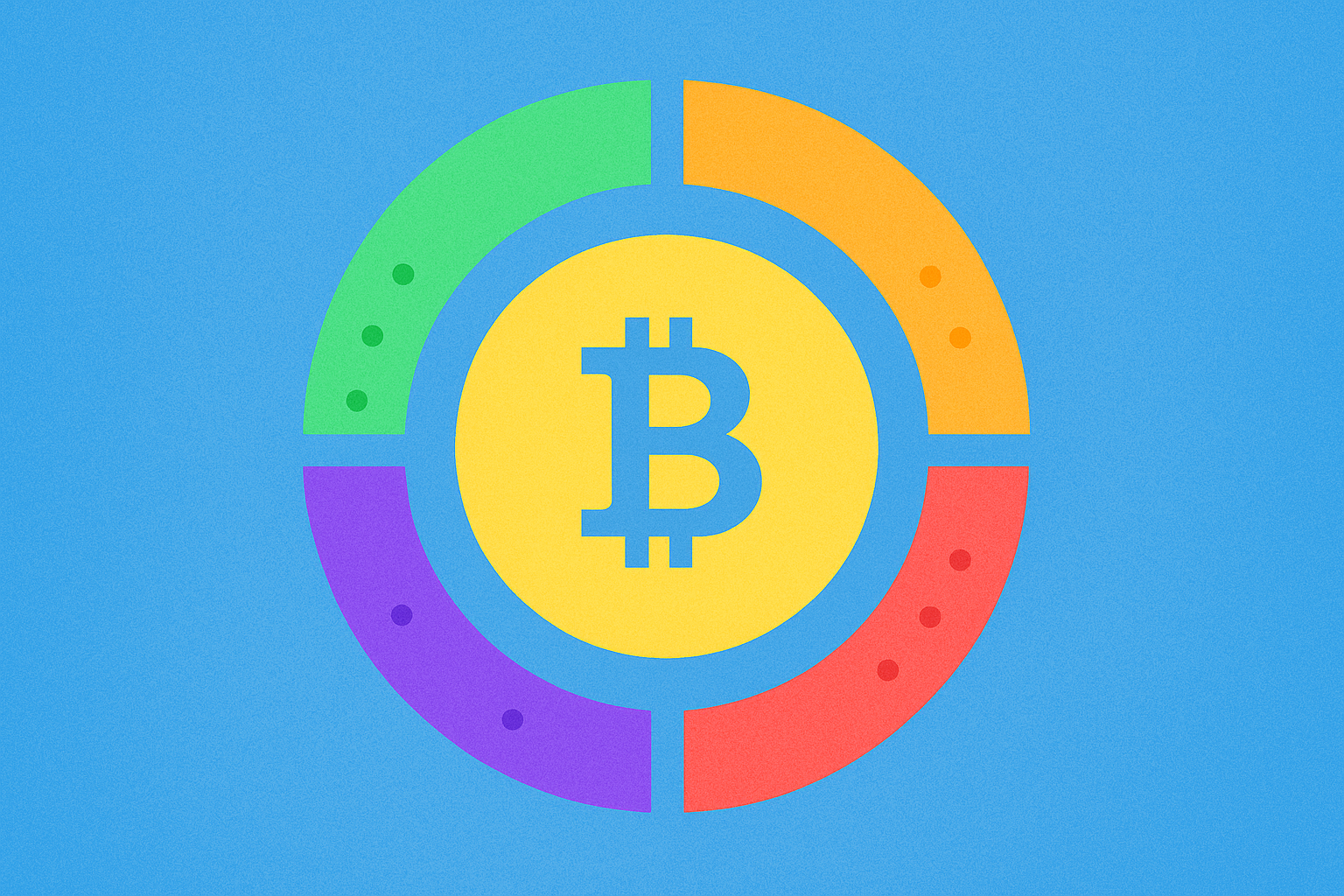
Understanding the Stages of Cryptocurrency Market Cycles

When Will the Crypto Market Recover?

How Does the Crypto Market's Price Volatility Compare to Traditional Assets in 2025?

How Does Exchange Ownership Impact Cryptocurrency Capital Flows?

How do futures open interest and funding rates signal crypto derivatives market shifts?

How Do Crypto Derivatives Market Signals Predict Price Movements: Funding Rates, Open Interest, and Liquidation Data Explained

What is COMMON (COMMON) coin price today and market cap overview?
How does crypto exchange inflow and outflow affect token price and market cap in 2026?

What is Hashflow (HFT) market overview: price, market cap, trading volume, and liquidity

What is KOGE tokenomics: token distribution, inflation mechanism, and governance utility explained
How Does Fed Policy and Inflation Impact Crypto Prices in 2026: The Macroeconomic Connection