AI-Powered NFT Creation Tools: Revolutionize Your Digital Art

Artificial Intelligence and AI Art Generators for NFT Creation
Artificial intelligence has emerged as one of the most transformative technologies in recent years, revolutionizing various industries including the creative sector. The intersection of AI and blockchain technology has given rise to innovative applications, particularly in the realm of digital art and Non-Fungible Tokens (NFTs). AI art generators have democratized the creation process, enabling both professional artists and novices to produce unique, high-quality artwork through machine learning algorithms and neural networks. This technological advancement has fundamentally changed how we conceptualize, create, and monetize digital art through NFT generation.
What are AI art generators?
AI art generators are sophisticated software programs that leverage artificial intelligence and machine learning algorithms to automatically create unique visual content. These platforms utilize advanced technologies such as General Adversarial Networks (GANs) to analyze vast datasets of existing images and learn artistic patterns, styles, and compositions. The fundamental principle behind AI art generation is similar to how human artists develop their skills through years of practice and observation—AI systems are trained on millions of images to understand visual elements, artistic techniques, and creative principles.
The user experience with AI art generators is remarkably straightforward. Most platforms require only minimal input from users, typically in the form of text prompts or sample images. The AI algorithm then processes this information and generates original artwork based on the provided parameters. Once the artwork is created, it can be tokenized and converted into an NFT, allowing artists to establish verifiable ownership and sell their creations in the digital marketplace. This streamlined process has made art creation accessible to individuals who may not possess traditional artistic skills but have creative vision and ideas to express through NFT generators.
9 best AI art generators to create NFTs
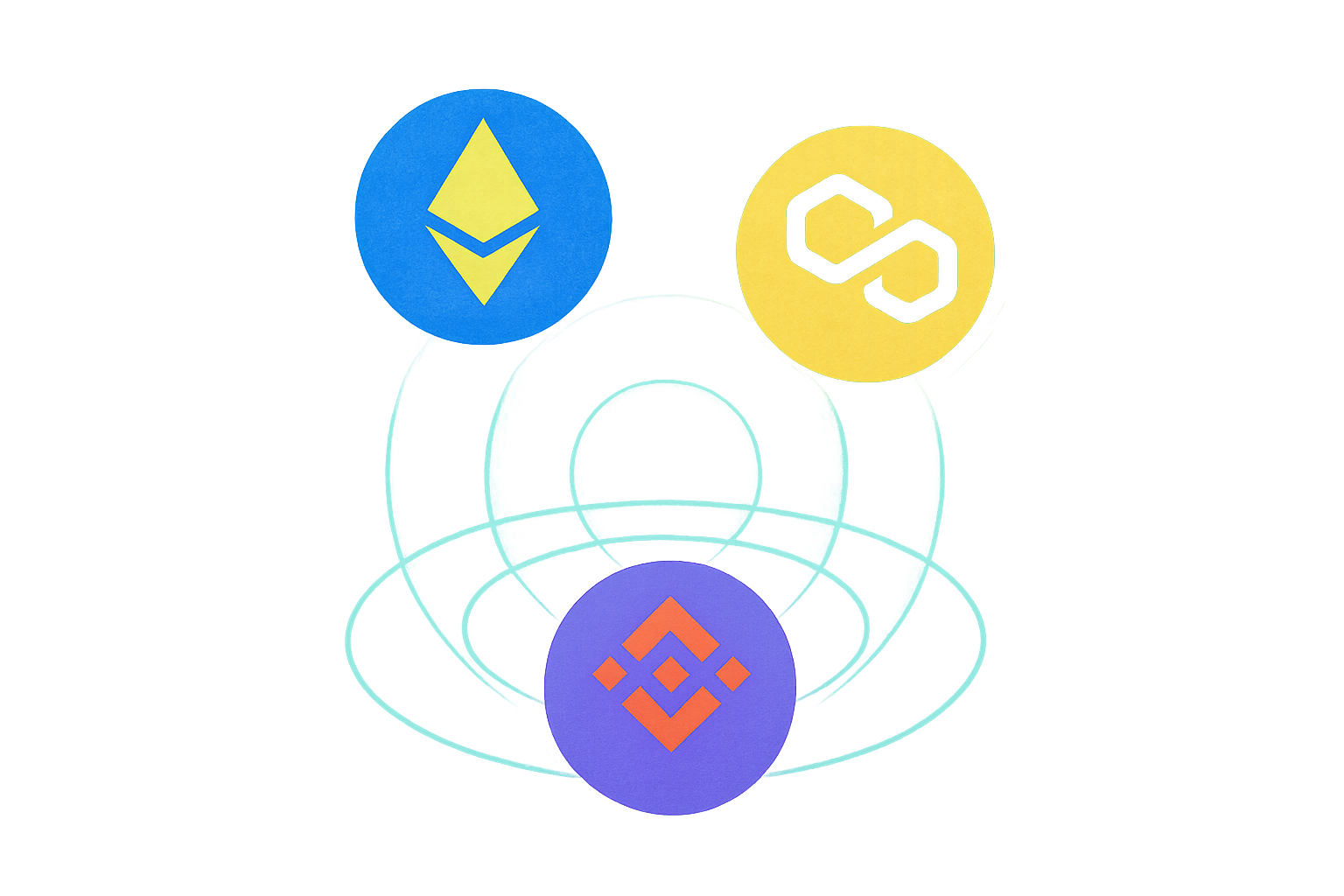
The market offers numerous AI art generation platforms, each with unique features and capabilities. Several leading cryptocurrency exchange platforms provide NFT generator tools that stand out as user-friendly and high-quality options. These platforms enable users to create AI-generated images simply by entering descriptive text, supporting multiple artistic styles. Users can also upload reference pictures and control their influence on the final output. The generated artwork can be minted across multiple major blockchains including Ethereum, Polygon, and BSC, with advanced minting features through integrated wallets to minimize gas fees.
Shutterstock, a well-established name in stock photography, has expanded into AI art generation through integration with OpenAI's DALL-E 2 system. This collaboration allows users to generate realistic, high-resolution images while benefiting from Shutterstock's polished user interface and extensive experience in digital content management. The platform serves as an effective NFT generator for creators seeking professional-quality results.
Deep Dream Generator from Aifnet has gained significant popularity for creating highly realistic images using neural networks trained on millions of photographs. The platform offers three distinct painting styles—Deep, Thin, and Deep Dream—allowing users to create artwork reminiscent of different artistic eras. Additionally, its Text 2 Dream feature enables pure text-to-image generation, making it a versatile NFT generator.
StarryAI employs machine learning algorithms to process images and grants full ownership rights to creators for both personal and commercial use. The platform operates on a subscription model with refund options for unsatisfied users, ensuring customer satisfaction while continuously evolving its capabilities as a comprehensive NFT generator.
WOMBO Dream, developed by Canadian AI tech startup WOMBO, has maintained strong popularity since its launch. The platform excels at transforming existing photos into cartoon-style images and creating original artwork from text prompts. It offers various art styles and is notable for being free to use, making it a highly accessible NFT generator for creators of all levels.
NightCafe specializes in bulk art creation using neural style transfer techniques. The platform produces high-resolution artworks up to 2.2 megapixels and features a bulk-creation mode for generating hundreds of images simultaneously. While it offers a free edition, continued use requires purchasing or earning credits, with pricing structured to accommodate various user needs. This makes it an efficient NFT generator for large collections.
Midjourney AI operates through Discord servers, using GPUs to generate artwork from user-specified prompts. The platform can also convert 2D sketches into 3D models. The service operates on a subscription-based model, with various plans available to suit different creative needs, establishing itself as a premium NFT generator option.
GetIMG provides a comprehensive suite of AI tools, featuring over 20 AI models including Stable Diffusion and community styles. The platform's advanced editor can generate missing parts of photos, create stunning art pieces, and scale to infinite canvas sizes. It's capable of generating more than 10 images in seconds, demonstrating impressive speed and efficiency as an NFT generator.
DeepAI, established in 2016, offers sophisticated tools for creating realistic images with high customization options. Users can control textures, colors, and details, and even produce cartoon-like images. The platform allows free testing with downloadable images that can be tokenized on various platforms, serving as an accessible entry-point NFT generator.
How do you turn your artwork into a NFT
Converting AI-generated artwork into NFTs is a straightforward process when using established NFT generator platforms. The minting process involves several simple steps: first, select your preferred blockchain network from available options. Next, upload your AI-generated artwork to the platform. Provide essential metadata including a descriptive name and detailed description of your NFT to help potential buyers understand your creation. Determine the number of tokens you wish to mint—whether you want a single unique piece or multiple editions. Finally, name your collection to organize your work, and the minting process is complete. This streamlined NFT generator approach makes NFT creation accessible to artists regardless of their technical expertise.
The future of art might be tied to AI
The proliferation of AI art generators signals a significant shift in the art world's landscape. The democratization of art creation through AI technology and NFT generators has made it possible for anyone with creative vision to produce professional-quality artwork without extensive training in traditional artistic techniques. This technological evolution doesn't threaten physical art; rather, it represents a complementary medium that expands creative possibilities.
AI tools offer artists unprecedented efficiency in generating entire collections rather than individual pieces, and can create nuanced variations of base designs. This capability is particularly valuable in the NFT space, where collections with consistent themes but unique variations are highly sought after. The integration of AI in art creation through NFT generators has also simplified the processes of proving ownership and selling artwork through blockchain technology.
The ongoing adoption of AI art generators by creators worldwide suggests that this technology represents a fundamental evolution in artistic practice. As AI systems continue to advance and become more sophisticated, they play an increasingly central role in how art is conceived, created, and distributed. The combination of AI-generated content and NFT generator technology has created a new paradigm in the art market, offering creators unprecedented opportunities for monetization and collectors new forms of digital ownership.
Conclusion
AI art generators represent a revolutionary convergence of artificial intelligence, creative expression, and blockchain technology. These NFT generator platforms have transformed the art creation process by making sophisticated artistic tools accessible to everyone, regardless of traditional artistic training. From established solutions offered by major crypto platforms to innovative platforms like Midjourney and WOMBO Dream, the ecosystem offers diverse options catering to different needs and skill levels. The ability to easily convert AI-generated artwork into NFTs through these NFT generators has created new economic opportunities for creators while establishing verifiable digital ownership. As AI technology continues to evolve, its integration with art creation and NFT generation continues to deepen, shaping the future of creative expression and digital art markets. Whether AI art generators become the new standard or coexist alongside traditional methods, their impact on the art world is undeniable and continues to influence how we create, share, and value artistic works in the digital age.
FAQ
How to generate NFTs for free?
Use free NFT creation platforms like OpenSea's Collection Manager. They cover initial gas fees, allowing cost-free minting until the first sale occurs.
Is NFT worthless now?
No, NFTs aren't entirely worthless. While many have lost value, some still hold worth. The market has matured, favoring quality projects with utility.
How much is the 69 million NFT worth now?
As of 2025, the 69 million NFT's value has significantly decreased. It's estimated to be worth around $50,000 to $100,000, subject to market fluctuations.
What is the best AI for NFT generation?
Simplified's AI art generator and Art Breeder are top AI tools for NFT generation in 2025. They use advanced algorithms to create unique digital art.

Creating NFT artworks with AI-powered art generators
AI-powered NFT Collection Creator
Effortless NFT Creation with AI Technology

Innovative AI Solutions for Crafting Unique NFTs

Create NFTs Effortlessly with AI Technology
AI-powered NFT art creations
Bitcoin vs. Ethereum: Which Crypto is the Better Long-Term Investment?
Aptos Mainnet Launch and Noteworthy Ecosystem Projects
Decentralized Perpetual Exchange GMX Integrates Leading Multi-Chain Wallet for Enhanced Trading Access
How can I access my wallet’s private key or mnemonic phrase?
What is TON PUNKS?