Bitcoin Block Reward, Block Size, Block Time: What's the Difference?
Introduction to Bitcoin's Core Mechanisms
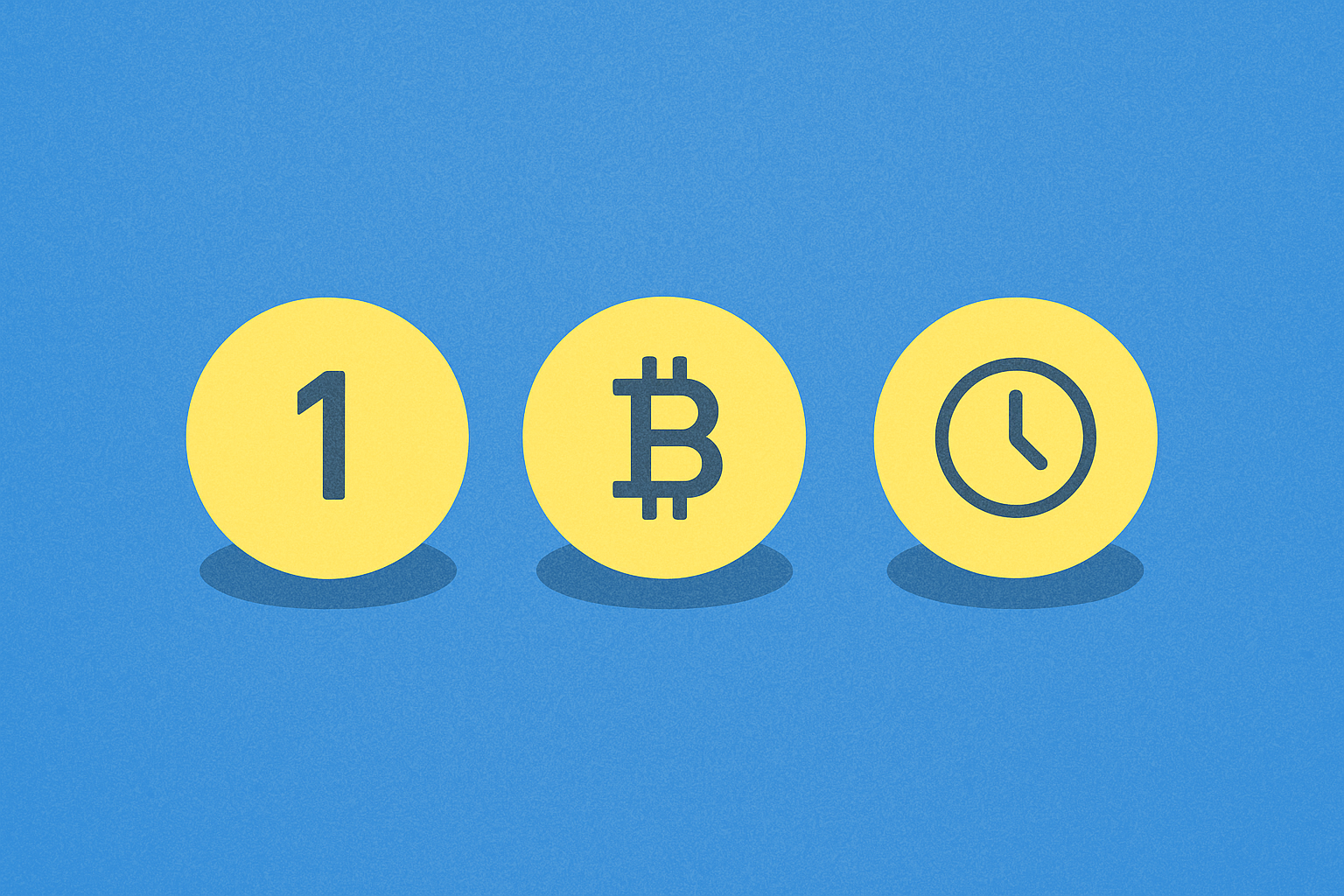
Understanding the fundamental components of Bitcoin's blockchain architecture is essential for anyone interested in cryptocurrency technology. Three key concepts form the backbone of Bitcoin's operational framework: block reward, block size, and block time. The block reward serves as the primary motivation for miners to validate transactions and maintain network security. Block size determines the volume of transaction data that can be stored in each block, directly impacting network capacity. Block time represents the average duration required to create a new block, which is carefully calibrated to maintain network stability.
These three elements work together to create a balanced ecosystem that ensures Bitcoin's decentralization, security, and functionality. For individuals exploring Bitcoin and blockchain technology, grasping these concepts provides crucial insight into how the network operates and why certain design decisions were made. Each component plays a distinct role while interconnecting with the others to maintain the integrity of the entire system.
What is a Bitcoin Block Reward?
A block reward represents the compensation mechanism that incentivizes cryptocurrency miners to validate and process blocks of transactions on the blockchain. This reward system is fundamental to the security and operation of proof-of-work blockchains like Bitcoin. The reward typically consists of two components: newly minted cryptocurrency tokens and transaction fees paid by users.
The mining process requires substantial computational energy and hardware resources. Miners compete to solve complex mathematical problems, and the first to find a valid solution earns the right to add the next block to the blockchain. The block reward compensates miners for their efforts, covering operational costs such as electricity, hardware maintenance, and infrastructure investment. Without this incentive structure, there would be insufficient motivation for miners to dedicate resources to network security.
In Bitcoin's case, the current block reward stands at 3.125 bitcoins per block, plus the accumulated transaction fees from all transactions included in that block. This reward amount is not static but follows a predetermined schedule. Approximately every four years, or more precisely every 210,000 blocks, Bitcoin undergoes a "halving" event where the block reward is reduced by 50%. This mechanism was built into Bitcoin's protocol by its creator to control the supply of new bitcoins entering circulation and to create a deflationary economic model.
The halving process serves multiple purposes in Bitcoin's economic design. First, it ensures that the total supply of Bitcoin will never exceed 21 million coins, creating scarcity similar to precious metals like gold. Second, it gradually reduces the rate of new bitcoin creation, which theoretically supports long-term value appreciation. Third, it forces the mining ecosystem to become more efficient over time, as miners must optimize their operations to remain profitable with decreasing block rewards. As block rewards continue to diminish, transaction fees are expected to become an increasingly important component of miner compensation.
What is Bitcoin Block Size?
The block size in Bitcoin's blockchain refers to the maximum amount of data that can be stored within a single block. This parameter is crucial for determining the network's transaction throughput and overall scalability. Understanding block size requires examining both its technical limitations and its broader implications for the Bitcoin network.
Historically, Bitcoin blocks were limited to one megabyte of data. However, the implementation of Segregated Witness (SegWit) in 2017 fundamentally changed how block size is calculated. SegWit introduced a new metric called "block weight," which allows blocks to effectively contain up to 4 megabytes of data under optimal conditions. In practice, most Bitcoin blocks today average around 2 megabytes, depending on the types of transactions included and the adoption rate of SegWit-compatible wallets.
The block size limit directly impacts the number of transactions that can be processed in each block. With finite space available, the blockchain can only accommodate a limited number of transactions every 10 minutes. During periods of high network activity, this constraint can lead to transaction backlogs, longer confirmation times, and increased transaction fees as users compete to have their transactions included in the next block. This phenomenon is particularly noticeable during market volatility or periods of heightened trading activity.
The debate surrounding block size has been one of the most contentious issues in Bitcoin's history. Proponents of larger blocks argue that increasing the size limit would allow more transactions per block, reducing fees and improving user experience. They point to the growing demand for Bitcoin transactions and the need for the network to scale to accommodate mainstream adoption.
However, opponents of block size increases raise important concerns about centralization and network security. Larger blocks require more bandwidth to propagate across the network and more storage space to maintain a full node. These increased requirements could make it economically unfeasible for average users to run full nodes, potentially concentrating power among miners and large entities with substantial resources. This centralization risk contradicts Bitcoin's fundamental principle of decentralization, where anyone should be able to participate in network validation.
The balance between scalability and decentralization remains an ongoing challenge. Various solutions, including the Lightning Network and other Layer 2 technologies, have been developed to increase transaction capacity without compromising the base layer's security and decentralization properties.
What is Bitcoin Block Time?
Block time represents the average duration required to mine a new block and add it to the blockchain. For Bitcoin, this target interval is set at approximately 10 minutes, though individual blocks may be found faster or slower due to the probabilistic nature of mining. This carefully chosen timeframe is fundamental to maintaining network security and preventing various attack vectors.
The 10-minute block time serves several critical functions in Bitcoin's design. First, it provides sufficient time for newly mined blocks to propagate across the global network of nodes. This propagation period is essential to minimize the occurrence of orphaned blocks, which happen when two miners find valid blocks simultaneously, and the network must choose which chain to follow. A longer block time reduces the likelihood of such conflicts and helps maintain consensus across the distributed network.
Second, the block time interval acts as a safeguard against double-spending attacks. Double-spending occurs when someone attempts to use the same bitcoin in multiple transactions. The 10-minute window, combined with the common practice of waiting for multiple confirmations, makes it exponentially more difficult and expensive for attackers to reverse transactions or manipulate the blockchain's history.
Bitcoin's protocol includes an ingenious difficulty adjustment mechanism to maintain the target block time. Every 2,016 blocks (approximately every two weeks), the network automatically recalculates the mining difficulty based on how quickly the previous blocks were found. If miners are discovering blocks faster than the 10-minute target, the difficulty increases, making the mathematical problems harder to solve. Conversely, if blocks are being found too slowly, the difficulty decreases to bring the block time back toward the target.
This self-regulating system ensures that Bitcoin's block time remains relatively stable regardless of changes in the total mining power (hash rate) on the network. As more miners join the network or existing miners upgrade their equipment, the difficulty adjusts upward to compensate. Similarly, if miners leave the network or shut down operations, the difficulty adjusts downward to maintain the consistent 10-minute average.
The difficulty adjustment mechanism also has important economic implications. It prevents any single miner or mining pool from gaining a permanent advantage through superior hardware, as the network difficulty will rise to match increases in computational power. This dynamic helps maintain a competitive mining ecosystem and supports the decentralized nature of the network.
The Interconnection of Bitcoin's Core Components
Understanding how block reward, block size, and block time interact is crucial for comprehending Bitcoin's overall design philosophy. These three elements form an integrated system that balances security, decentralization, and functionality. The block reward incentivizes miners to dedicate computational resources to the network, while the block size and block time parameters ensure that the blockchain remains manageable and secure.
As Bitcoin continues to evolve, these fundamental concepts remain central to discussions about scalability, security, and the cryptocurrency's future development. For anyone seriously exploring Bitcoin and blockchain technology, mastering these concepts provides essential insight into how decentralized networks operate and the trade-offs inherent in their design. The careful calibration of these parameters demonstrates the sophisticated economic and technical engineering that underlies Bitcoin's success as a decentralized digital currency.
FAQ
What is Bitcoin block reward and how does it change over time?
Bitcoin block reward is the cryptocurrency awarded to miners for validating and adding blocks to the network. It started at 50 BTC per block and halves approximately every four years. Currently at 3.125 BTC, the next halving occurs in 2028.
What is the Bitcoin block size? Why is there a 1MB limit?
Bitcoin blocks are currently limited to 1MB to ensure network accessibility and decentralization. This constraint prevents extremely large blocks that could burden nodes, maintaining the network's distributed nature while balancing transaction capacity and blockchain scalability.
What is Bitcoin's average block time? Why is it 10 minutes?
Bitcoin's average block time is 10 minutes. This interval was chosen by Satoshi Nakamoto to balance security and transaction confirmation speed. The network automatically adjusts mining difficulty every 2,016 blocks to maintain this target, ensuring consistent block generation regardless of hash power changes.
What is the relationship between block rewards, block size, and block time?
Block rewards incentivize miners to secure the network, block size determines transaction capacity per block, and block time affects how frequently blocks are added. Together, they influence network security, transaction throughput, and confirmation speed.
How does Bitcoin halving events affect block rewards?
Bitcoin halving events reduce block rewards by 50% approximately every four years. Miners receive half the BTC for validating blocks, decreasing inflation and increasing scarcity. This directly impacts mining economics and Bitcoin's supply schedule.
What impact does increasing block size have on the Bitcoin network?
Larger blocks increase transaction capacity and reduce fees, enabling faster settlements and higher transaction volume. However, this requires more computational resources, potentially affecting node decentralization and network security.
Why can't Bitcoin block time be shortened arbitrarily?
Shortening block time increases orphan rates, network congestion, and synchronization issues. Longer times ensure global consensus, reduce forks, and maintain security. The 10-minute interval balances fast confirmation with network stability.
What is the relationship between Segregated Witness (SegWit) and block size?
SegWit separates transaction signatures from transaction data, reducing data size without increasing actual block size limit. This allows more transactions per block, effectively increasing capacity while keeping the 1MB block size constraint.
What is the relationship between Lightning Network and block size/block time?
Lightning Network operates as a layer-2 solution independent of block size and time. It enables off-chain transactions, reducing on-chain congestion regardless of block parameters. Smaller blocks or longer times may increase Lightning Network adoption by making on-chain transactions less practical.
What are the differences between Bitcoin and other cryptocurrencies in these parameters?
Bitcoin has a 10-minute block time, 1MB block size, and 6.25 BTC block reward (halving every 4 years). Other cryptocurrencies vary significantly: Ethereum uses ~12-second blocks with dynamic fees, Litecoin has 2.5-minute blocks, and Dogecoin uses 1-minute blocks. Block rewards differ based on individual protocols and consensus mechanisms.

Understanding Bitcoin's Supply Limit: How Many Bitcoins Exist?

Guide to Setting Up Your Own Cryptocurrency Mining Pool
Current Bitcoin Circulation and Supply Analysis

Unlocking Blockchain Mining Incentives

Understanding Bitcoin Mining Pools: A Comprehensive Guide

Understanding Bitcoin Mining Rewards: Incentive Structure Explained

What Is Zero-Knowledge Proof and How Does It Impact Blockchain?

Pi Network Launch Date in India: Essential Guide

Sui (SUI) Price Prediction 2025 to 2030
How to Get TRC20 Wallet Address Easily

What Are Blockchain-Powered Games?