Bitcoin Halving 2028: Complete Guide to Date, Price Predictions & Market Impact
Introduction
Bitcoin halving events represent a fundamental pillar of the cryptocurrency's deflationary economic model, consistently drawing global attention from institutional investors, retail traders, and market analysts. Each halving event systematically reduces miners' block rewards by 50%, reinforcing Bitcoin's programmed scarcity and historically catalyzing significant market activity and price volatility.
Looking ahead to the next Bitcoin halving scheduled for 2028, understanding its underlying mechanics, precise timing projections, and broader implications for the cryptocurrency market becomes essential for strategic investment planning. This comprehensive guide examines the technical aspects, historical precedents, and potential market outcomes associated with this pivotal event.
What Is Bitcoin Halving?
Bitcoin halving is an automated, protocol-embedded event that reduces the block reward miners receive for validating transactions and securing the Bitcoin blockchain by exactly 50%. This cyclical mechanism occurs approximately every four years, or more precisely, every 210,000 blocks mined, and will continue until Bitcoin reaches its maximum supply cap of 21 million coins, projected to occur around the year 2140.
The halving mechanism is hardcoded into Bitcoin's protocol and cannot be altered without network-wide consensus. This ensures predictable, transparent monetary policy that distinguishes Bitcoin from traditional fiat currencies subject to discretionary central bank policies.
Why Is Bitcoin Halving Important?
Halving events serve multiple critical functions within Bitcoin's economic framework. Primarily, they control the rate of new Bitcoin issuance, ensuring progressive scarcity that aligns with Bitcoin's deflationary design philosophy. As fewer bitcoins enter circulation with each halving, the fundamental supply-and-demand relationship can exert upward pressure on Bitcoin's market price, particularly when demand remains stable or experiences growth.
Historically, halving events have marked inflection points in Bitcoin's market cycles, often preceding substantial bull runs. The reduction in new supply creates what economists term a "supply shock," potentially driving price appreciation when demand factors remain favorable. Additionally, halvings generate significant media attention and public awareness, often attracting new participants to the cryptocurrency market.
The Next Bitcoin Halving: March or April 2028
The forthcoming Bitcoin halving in 2028 represents the fifth such event in the cryptocurrency's history and will mark another significant milestone in Bitcoin's journey toward its final supply cap.
Key Details for 2028
- Expected Date: March or April 2028
- Target Block Number: 1,050,000
- New Block Reward: Reduction from 3.125 BTC to 1.5625 BTC per block
- Estimated Daily BTC Mined: Approximately 225 BTC (based on ~144 blocks per day)
- Expected Bitcoin in Circulation: Approximately 19,687,500 BTC will be in circulation at the time of halving
- New Bitcoin Issued Post-Halving: Roughly 328,125 BTC will be newly issued in the four years following this halving
These projections are based on Bitcoin's average block time of approximately 10 minutes, though actual timing may vary slightly depending on network hash rate fluctuations.
Bitcoin Halving 2028 Countdown
Current Projections
- Expected Halving Date: Between March and April 2028
- Most Likely Date: Estimated to occur on March 31, 2028
- Blocks Remaining: Calculation based on current block height and average block time
The precise date depends on Bitcoin's block production rate, which fluctuates based on network hash rate and mining difficulty adjustments that occur every 2,016 blocks (approximately every two weeks). Market participants typically begin positioning several months in advance of anticipated halving dates.
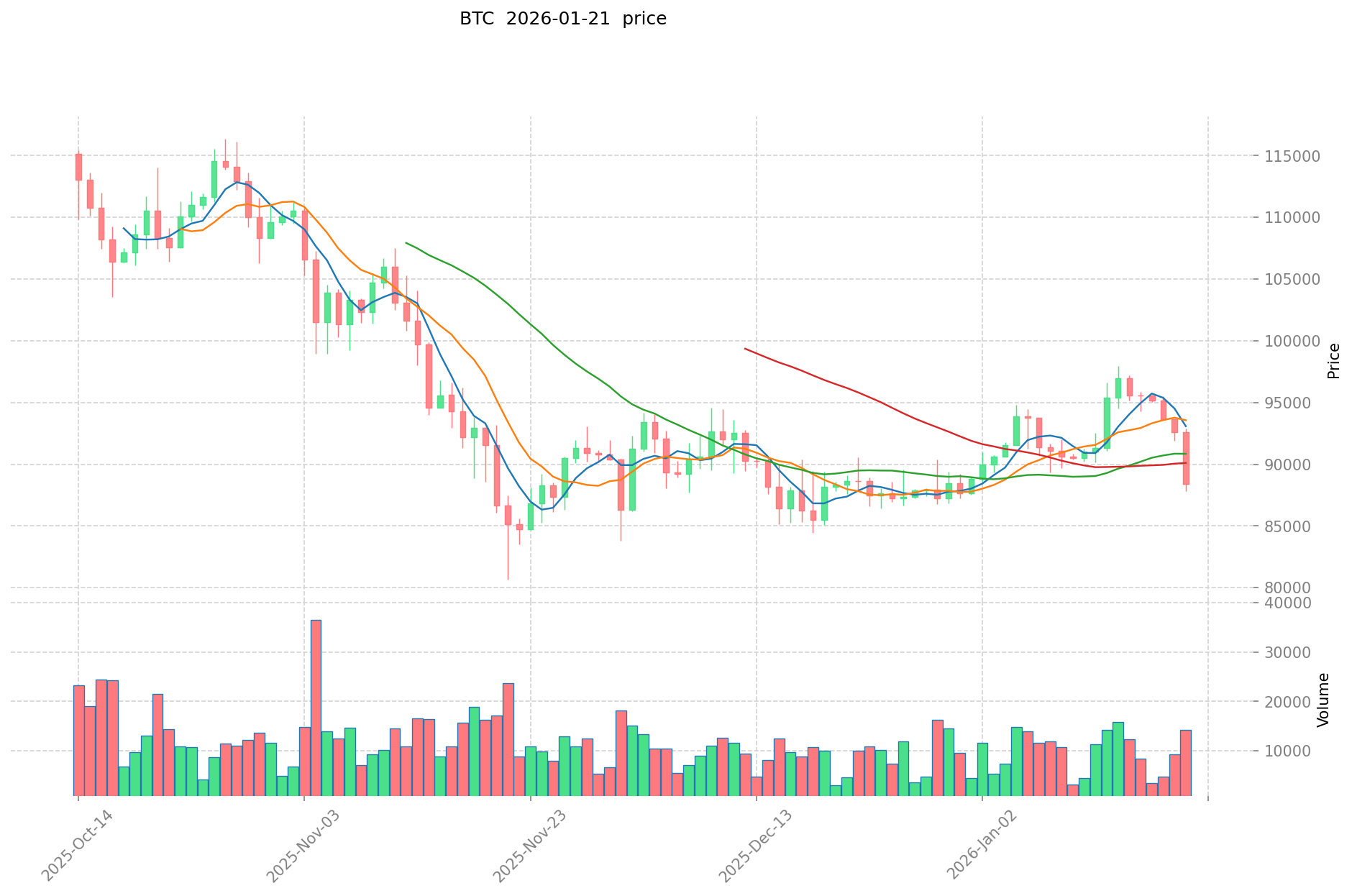
Bitcoin Halving 2028 Price Prediction
Historic Halving Performance and Future Projections
Historical data from previous halving cycles provides valuable context for potential 2028 outcomes:
2012–2013 Halving Cycle:
- Price appreciation exceeded 7,000% in the year following the halving
- Bitcoin transitioned from a niche digital asset to gaining mainstream recognition
2016–2017 Halving Cycle:
- Approximately 377% price increase in the twelve months post-halving
- Institutional interest began emerging during this period
2020–2021 Halving Cycle:
- Over 700% surge from approximately $8,500 to an all-time high near $69,000
- Marked by unprecedented institutional adoption and mainstream media coverage
2024–2025 Halving Cycle:
- Post-halving performance still developing
- Notable for the introduction of spot Bitcoin ETFs in major markets
Analytical Framework for 2028
Several key factors will influence Bitcoin's price trajectory following the 2028 halving:
Supply Shock Dynamics: With block rewards dropping to just 1.5625 BTC, the rate of new Bitcoin entering circulation will decrease significantly. This represents the most dramatic supply constraint in Bitcoin's history relative to existing circulating supply, potentially creating substantial upward price pressure if demand metrics remain favorable.
Institutional Involvement: The continued maturation of cryptocurrency financial infrastructure, including spot Bitcoin ETFs, custody solutions, and regulatory frameworks, suggests deeper institutional participation. Major financial institutions have increasingly allocated resources to digital asset strategies, potentially providing sustained demand support.
Market Sentiment and Adoption: Bitcoin's growing recognition as "digital gold" and a portfolio diversification tool continues to attract both institutional and retail investors. Opinion leaders and market analysts remain generally optimistic about Bitcoin's long-term value proposition, particularly as monetary policy concerns and inflation hedging strategies gain prominence.
Price Predictions for 2028
Based on historical patterns, supply dynamics, and market maturation factors:
Conservative Scenario:
- Price range: $150,000–$200,000 within 12–18 months post-2028 halving
- Assumes moderate institutional adoption growth and stable macroeconomic conditions
Moderate Scenario:
- Price range: $200,000–$250,000
- Factors in continued institutional adoption and favorable regulatory developments
Aggressive Scenario:
- Potential range: $250,000–$350,000 or higher
- Predicated on accelerated institutional adoption, significant supply shortage, and optimal macroeconomic conditions
These projections should be viewed as speculative frameworks rather than guaranteed outcomes, as cryptocurrency markets remain subject to numerous unpredictable variables.
Bitcoin Halving 2028 Market Impact
1. Impact on Supply and Demand Dynamics
The 2028 halving will reduce daily new Bitcoin issuance to approximately 225 BTC, representing the lowest inflation rate in Bitcoin's history. This tightened supply dynamic—when combined with sustained or increasing demand—creates fundamental conditions for price appreciation.
The stock-to-flow ratio, a metric measuring the relationship between existing supply and new production, will reach unprecedented levels. This scarcity model has historically correlated with Bitcoin price movements, though correlation does not guarantee causation.
Demand factors to monitor include:
- Institutional allocation trends
- Retail adoption rates
- Macroeconomic conditions affecting risk asset appetite
- Regulatory developments in major markets
- Competition from alternative cryptocurrencies
2. Miner Economics and Network Security
The 50% reward reduction presents significant challenges for Bitcoin miners, particularly those operating with higher costs or less efficient equipment. Post-halving, only mining operations with access to:
- The most affordable and reliable energy sources
- Latest-generation, energy-efficient mining hardware
- Economies of scale in operations
- Strategic geographic positioning
will maintain profitability at various Bitcoin price levels.
This economic pressure typically results in:
- Consolidation among mining operations
- Geographic redistribution toward regions with cheaper energy
- Accelerated hardware upgrade cycles
- Temporary hash rate adjustments as less efficient miners exit
However, Bitcoin's difficulty adjustment mechanism ensures network security remains robust even as some miners become unprofitable. The network automatically adjusts mining difficulty every 2,016 blocks to maintain the target 10-minute block time, regardless of total hash rate.
3. Institutional and Retail Participation Trends
Halving events have progressively gained wider attention across investment communities. Institutional activity has intensified with each successive halving, driven by:
- Improved regulatory clarity in major jurisdictions
- Development of institutional-grade custody solutions
- Launch of regulated Bitcoin investment products (ETFs, futures, options)
- Growing acceptance of Bitcoin as a legitimate asset class
Retail investors increasingly recognize halving events as significant market catalysts, often viewing them as strategic entry points. This anticipatory positioning can create price momentum in the months preceding halving dates.
Educational resources and market analysis surrounding halvings have become more sophisticated, enabling both institutional and retail participants to make more informed decisions.
4. Broader Cryptocurrency Market Reaction
Bitcoin halving events typically establish the tone for the entire cryptocurrency ecosystem. Historical patterns demonstrate:
Phase 1 (Pre-Halving):
- Bitcoin price appreciation as market participants position ahead of the event
- Increased trading volumes and market attention
Phase 2 (Post-Halving Initial Period):
- Often characterized by consolidation or modest volatility
- Market digests the supply change implications
Phase 3 (Extended Bull Market):
- Bitcoin strength often catalyzes broader cryptocurrency market rallies
- Alternative cryptocurrencies (altcoins) frequently experience significant appreciation
- Capital rotation from Bitcoin to higher-risk digital assets
This pattern reflects Bitcoin's role as the cryptocurrency market's primary driver and its influence on overall sector sentiment and capital flows.
Historical Overview: Bitcoin Halving Events
2012: First Bitcoin Halving
- Date: November 28, 2012
- Block Number: 210,000
- Reward Change: Dropped from 50 BTC to 25 BTC per block
- Pre-Halving Price: Approximately $12.35
- Price After 1 Year: $964 (representing over 7,000% appreciation)
- Market Context: Bitcoin remained largely unknown to mainstream audiences; primarily traded by early adopters and technology enthusiasts
2016: Second Bitcoin Halving
- Date: July 9, 2016
- Block Number: 420,000
- Reward Change: 25 BTC to 12.5 BTC per block
- Pre-Halving Price: Approximately $663
- Price After 1 Year: $2,500 (approximately 277% increase)
- Market Context: Growing mainstream awareness; emergence of initial cryptocurrency exchanges and infrastructure
2020: Third Bitcoin Halving
- Date: May 11, 2020
- Block Number: 630,000
- Reward Change: 12.5 BTC to 6.25 BTC per block
- Pre-Halving Price: Approximately $8,500
- Price Peak After Halving: $69,000 (November 2021, representing over 700% appreciation)
- Market Context: Significant institutional adoption; major corporations adding Bitcoin to treasury reserves; unprecedented mainstream media coverage
2024: Fourth Bitcoin Halving
- Date: April 20, 2024
- Block Number: 840,000
- Reward Change: 6.25 BTC to 3.125 BTC per block
- Pre-Halving Price: Approximately $61,100
- Market Context: Launch of spot Bitcoin ETFs in the United States; continued institutional adoption; maturing regulatory frameworks in major jurisdictions
Each halving cycle has demonstrated unique characteristics while maintaining the fundamental supply reduction mechanism that defines Bitcoin's monetary policy.
How to Buy Bitcoin Before the 2028 Halving
Strategic Buying Approaches
Investors considering Bitcoin acquisition ahead of the 2028 halving should evaluate several strategic approaches:
Dollar-Cost Averaging (DCA): Systematic purchases at regular intervals reduce timing risk and average out price volatility. This approach is particularly suitable for long-term investors seeking to build positions gradually.
Lump-Sum Investment: Single, larger purchases may be appropriate for investors with strong conviction and higher risk tolerance. This approach maximizes potential gains if prices appreciate but also exposes investors to greater downside risk.
Tactical Positioning: Some investors attempt to time purchases around technical levels or market corrections. This requires more active management and market analysis expertise.
Buying Steps
1. Select a Secure Platform: Choose regulated, reputable exchanges or investment platforms with:
- Strong security track records
- Regulatory compliance in your jurisdiction
- Adequate liquidity for your transaction size
- Transparent fee structures
- Responsive customer support
2. Complete Registration & KYC: Ensure compliance with Know Your Customer (KYC) and Anti-Money Laundering (AML) requirements. This process:
- Protects your account security
- Enables full platform functionality
- Ensures regulatory compliance
- May be required for larger transaction limits
3. Fund Your Account: Deposit fiat currency through:
- Bank transfers (ACH, wire transfers)
- Credit or debit cards (often with higher fees)
- Supported cryptocurrencies (if transferring from other platforms)
4. Execute Buy Orders: Utilize various order types based on your strategy:
- Market orders for immediate execution
- Limit orders for specific price targets
- Recurring purchases for dollar-cost averaging
- Advanced trading tools for sophisticated strategies
5. Implement Secure Storage: Consider appropriate custody solutions based on your holdings:
- Exchange custody for smaller amounts and active trading
- Software wallets for moderate holdings and regular access
- Hardware wallets (cold storage) for significant long-term holdings
- Multisignature solutions for maximum security
- Institutional custody services for large allocations
Risks and Considerations for 2028 Bitcoin Halving Investors
1. Market Volatility
Bitcoin's price history demonstrates significant volatility, characterized by rapid appreciation followed by substantial corrections. Halving events often amplify this volatility as:
- Speculative positioning intensifies
- Media attention increases market participation
- Leverage and derivatives activity expands
- Sentiment shifts rapidly based on price action
Investors should prepare for potential drawdowns of 30-50% or more, even within broader uptrends. Position sizing and risk management become critical during these periods.
2. Regulatory Landscape Evolution
Governments and regulatory bodies continue evaluating and implementing cryptocurrency regulations. Potential developments include:
- Changes in tax treatment and reporting requirements
- Restrictions on certain types of transactions or services
- Enhanced compliance requirements for exchanges and service providers
- Potential bans or limitations in specific jurisdictions
- Evolution of central bank digital currencies (CBDCs) competing with cryptocurrencies
Regulatory shifts can significantly impact market access, liquidity, and investor sentiment. Staying informed about regulatory developments in relevant jurisdictions is essential.
3. Mining Profitability and Network Security
Dramatic reward reductions can pressure less efficient mining operations, potentially leading to:
- Hash rate fluctuations as miners adjust operations
- Temporary increases in block time variability
- Geographic redistribution of mining activity
- Consolidation among mining operations
While Bitcoin's difficulty adjustment mechanism maintains network security, significant miner capitulation could theoretically create short-term vulnerabilities. However, Bitcoin has successfully navigated multiple halvings without security compromises.
4. Portfolio Strategy and Risk Management
Investors should balance halving anticipation with prudent portfolio management:
Diversification: Avoid over-concentration in any single asset, including Bitcoin. Consider:
- Allocation percentages appropriate for your risk tolerance
- Diversification across asset classes
- Geographic and sector diversification
Time Horizon: Align Bitcoin investments with appropriate time horizons:
- Short-term trading requires active management and higher risk tolerance
- Long-term holding ("HODLing") may better weather volatility
- Consider your liquidity needs and investment goals
Research and Due Diligence: Base investment decisions on:
- Fundamental analysis of Bitcoin's value proposition
- Technical analysis of price trends and patterns
- Macroeconomic factors affecting cryptocurrency markets
- Ongoing education about blockchain technology and market dynamics
Risk Capital: Only invest amounts you can afford to lose entirely. Cryptocurrency investments should represent a portion of your portfolio appropriate for your:
- Financial situation
- Risk tolerance
- Investment experience
- Time horizon
Conclusion
The Bitcoin halving scheduled for 2028 represents far more than a technical milestone in the cryptocurrency's protocol—it constitutes a pivotal event poised to reshape market mechanics, supply dynamics, and the broader narrative surrounding digital assets. Drawing on insights from previous halving cycles, investors can anticipate renewed volatility, evolving miner economics, and potentially significant price movements.
Historical precedents suggest that halvings create fundamental supply constraints that, combined with sustained or growing demand, have historically preceded substantial bull markets. However, each halving cycle occurs within a unique macroeconomic and regulatory context, making direct comparisons imperfect.
Successful navigation of the 2028 halving period requires:
- Diligent preparation and ongoing market education
- Access to reliable, real-time market data and analysis
- A well-structured investment approach aligned with personal risk tolerance
- Realistic expectations about potential outcomes and risks
- Appropriate risk management and portfolio diversification
As the cryptocurrency market continues maturing, the 2028 halving will likely attract unprecedented attention from institutional investors, retail participants, and regulatory bodies. Whether you're a long-term Bitcoin holder or considering initial allocation, understanding the halving's implications provides essential context for informed decision-making in the evolving digital asset landscape.
Ultimately, while historical patterns offer valuable insights, cryptocurrency markets remain inherently unpredictable. Investors should approach the 2028 halving with both optimism about Bitcoin's long-term potential and realistic acknowledgment of the risks inherent in this emerging asset class.
FAQ
What is Bitcoin halving? Why does it happen?
Bitcoin halving is an event where mining rewards decrease by 50% every 210,000 blocks (roughly every 4 years). It happens to control Bitcoin's inflation, ensuring only 21 million coins ever exist, maintaining scarcity and long-term value.
When is the exact date of Bitcoin halving in 2028?
Bitcoin halving in 2028 is expected to occur around April 2028. Based on the current block generation rate of approximately 10 minutes per block, the halving should happen when the blockchain reaches block height 1,680,000, reducing mining rewards from 3.125 to 1.5625 BTC per block.
What are the historical price change patterns of Bitcoin before and after halving?
Bitcoin typically experiences significant price increases in the 12 months following halving events. Historically, prices surged substantially after each halving in 2012, 2016, and 2020, driven by reduced supply and increased demand. Pre-halving periods often show bullish anticipation, while post-halving tends to deliver stronger gains over 12-18 months.
What impact will the 2028 Bitcoin halving have on market prices?
The 2028 Bitcoin halving will likely reduce supply and potentially drive prices higher. Historical patterns show halvings typically precede bull markets as scarcity increases demand. Analysts predict significant price appreciation within 12-18 months post-halving due to reduced inflation and growing institutional adoption.
What is the impact of Bitcoin halving on miners and mining rewards?
Bitcoin halving cuts block rewards in half, directly reducing miner income per block. Miners must increase efficiency or transaction fees to maintain profitability. Network hash rate typically adjusts downward post-halving, though competition remains fierce among miners.
How should I invest during Bitcoin halving in 2028? What are the risks?
Consider accumulating BTC before halving as scarcity typically drives price appreciation. Diversify with altcoins showing strong fundamentals. Halving historically precedes bull markets. Maintain long-term strategy and dollar-cost average to mitigate volatility impact.
What is the difference between Bitcoin halving and other cryptocurrency halvings?
Bitcoin halving occurs every 210,000 blocks, reducing rewards by 50%. Other cryptocurrencies have different halving schedules and mechanisms. Bitcoin's halving is more predictable and widely recognized, significantly impacting market price and mining economics globally.
What are the long-term impacts of Bitcoin halving on the entire cryptocurrency market?
Bitcoin halving reduces supply growth, historically driving price appreciation and increasing market capitalization. This typically strengthens investor confidence, attracts institutional adoption, and creates positive spillover effects across altcoins, elevating the entire cryptocurrency market cycle.
What is Bitcoin Halving? A Complete Guide to Counting Down to Crypto's Key Event
Upcoming Bitcoin Halving Event: What You Need to Know
Understanding Bitcoin Halving: Key Insights for 2024
What Is Bitcoin Halving? A Complete Guide to the Crypto Industry’s Biggest Countdown
What is Bitcoin Halving? A Complete Overview of This Key Cryptocurrency Event
What Is Bitcoin Halving? A Complete Guide to the Countdown for This Major Cryptocurrency Event

What Does a Stablecoin Mean for XRP?

What is a tokenomics model and how does token distribution, inflation, and governance affect crypto value

What is the fundamental analysis of a cryptocurrency project: whitepaper logic, use cases, technology innovation, roadmap progress, and team background explained
Best Wallet for Bitcoin, Litecoin, and Electrum: A Comprehensive Guide

What is a token economic model and how does allocation, inflation, and burning mechanisms work