Bitcoin Production Cost Rises to $112,084 as Mining Companies Face Profitability Pressure

Rising Production Costs in Bitcoin Mining
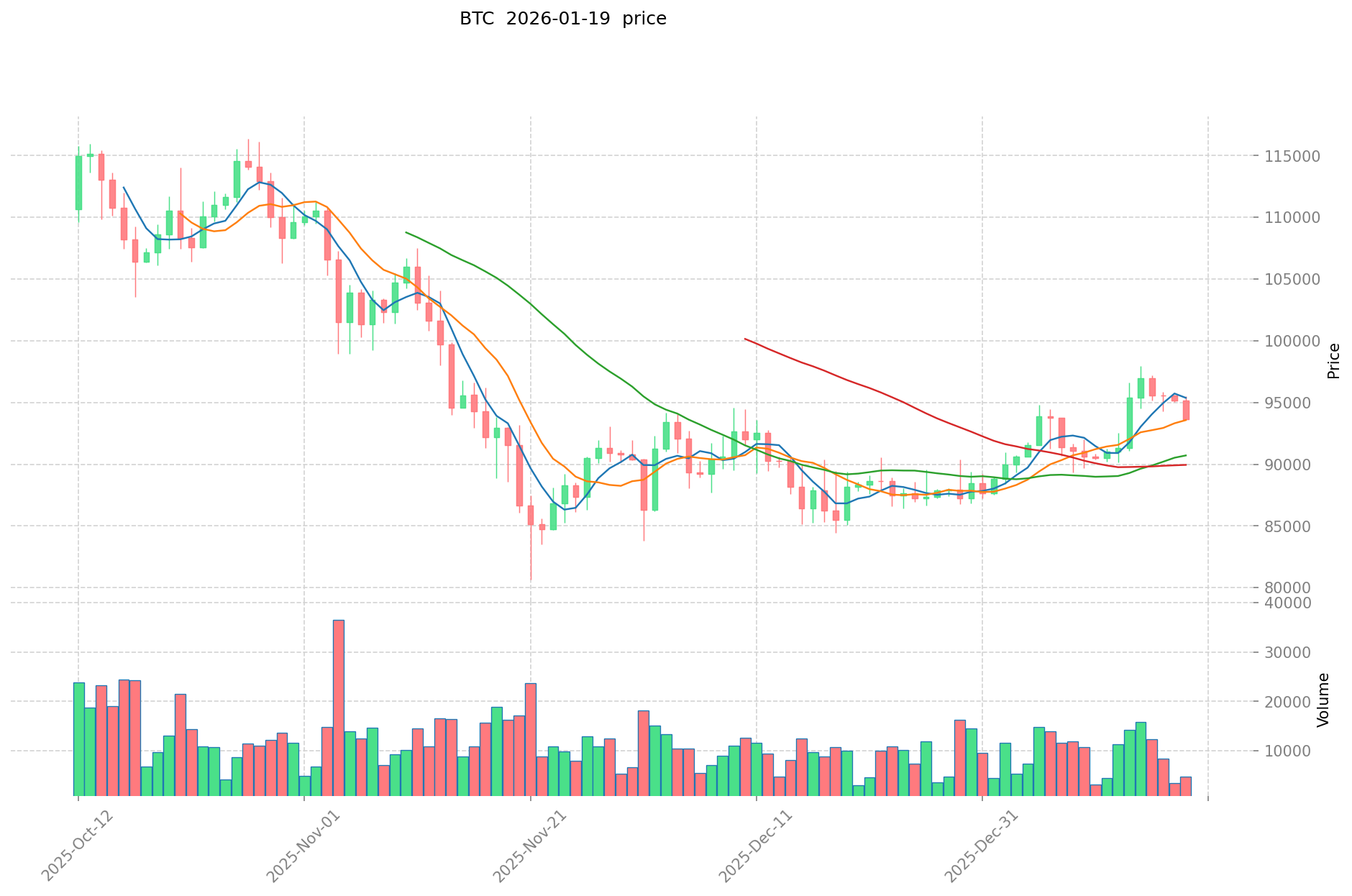
According to recent data from AiCoin, the production cost of Bitcoin has climbed to $112,084, following a previous peak of $115,098.12 reached on October 9th. This upward trend in production costs represents a significant challenge for the Bitcoin mining industry, as operational expenses continue to escalate across multiple fronts.
 The rising cost structure reflects various factors including energy prices, equipment depreciation, and administrative overhead, all of which contribute to the overall expense of mining each Bitcoin unit.
The production cost metric serves as a critical benchmark for mining operations, as it directly impacts the profitability threshold for miners. When Bitcoin's market price approaches or falls below production costs, mining operations face severe pressure on their profit margins, potentially forcing some participants to suspend operations or exit the market entirely.
Impact on Mining Companies' Profitability
The continuous increase in production costs has placed substantial pressure on Bitcoin mining companies, particularly in terms of sales and administrative expenses. Mining firms are experiencing compressed profit margins as the gap between production costs and market prices narrows. This situation becomes especially challenging during periods of price volatility or market downturns, when the revenue from mined Bitcoin may barely cover operational expenses.
Large-scale mining operations face additional complexities due to their extensive infrastructure requirements and higher fixed costs. These companies must maintain substantial facilities, manage large teams, and invest continuously in hardware upgrades to remain competitive. The rising cost environment has made it increasingly difficult for smaller mining operations to compete, potentially leading to further industry consolidation.
Operational Cost Reduction Strategies
Industry analysts emphasize that mining companies need to implement comprehensive measures to reduce operational costs in order to cope with current profit margin pressures and ensure workforce stability. Several strategic approaches have emerged as viable solutions for mining operations facing cost challenges.
First, optimizing energy consumption remains a primary focus, as electricity typically represents the largest operational expense for mining operations. Companies are exploring renewable energy sources, negotiating better power purchase agreements, and relocating operations to regions with lower energy costs. Additionally, upgrading to more energy-efficient mining hardware can significantly reduce power consumption per hash rate.
Second, improving operational efficiency through automation and better management systems can help reduce administrative and labor costs. Implementing advanced monitoring systems, predictive maintenance protocols, and streamlined workflows enables mining companies to maximize output while minimizing overhead expenses.
Third, strategic partnerships and resource sharing arrangements allow mining companies to distribute fixed costs across larger operations, achieving economies of scale that individual operators cannot match. This collaborative approach has become increasingly important as the industry matures and competition intensifies.
FAQ
Why has Bitcoin mining cost risen to $112,084? What are the main cost factors?
Bitcoin mining costs surge to $112,084 primarily due to rising electricity expenses and increased hardware equipment prices. Energy consumption remains the largest operational cost, while ASIC miner prices and maintenance fees significantly contribute to overall mining economics.
How does the rise in Bitcoin mining costs impact the profitability of mining companies?
Rising mining costs erode profitability for less-efficient operators, despite higher Bitcoin prices. A 9.4% cost increase significantly pressures marginal miners, while efficient companies maintain margins. Industry consolidation accelerates as weaker competitors face elimination.
When mining costs exceed Bitcoin's price, how should miners respond?
Miners should reduce operational costs, relocate to cheaper regions, or hold Bitcoin for future price recovery. Upgrading to efficient equipment and optimizing energy consumption are also viable strategies to maintain profitability.
How do mining difficulty and electricity costs affect Bitcoin's production cost?
Mining difficulty increases the computational power required, raising operational costs. Electricity expenses are the primary cost component for miners. Higher difficulty combined with elevated power costs directly increases per-Bitcoin production expenses, pressuring miner profitability.
Will rising Bitcoin production costs push up Bitcoin's market price?
Yes, rising production costs typically support higher Bitcoin prices. As mining becomes more expensive, miners require higher prices to maintain profitability, creating upward pressure on the market. This cost floor effect has historically correlated with price appreciation over time.
What solutions do mining companies have when facing profitability pressure?
Mining companies can optimize operations by upgrading to efficient equipment, reduce energy costs through renewable energy adoption, merge with competitors to achieve economies of scale, and diversify revenue streams through hosting services and staking operations.

Top Performing ASIC Miners for Maximum Profitability

Top-Rated ASIC Mining Hardware for Maximum Profitability

Top ASIC Mining Devices for Optimal Performance
Understanding 51% Attacks: A Comprehensive Guide

ASIC Devices for Optimizing Cryptocurrency Mining
Discover Top Strategies for Maximizing Crypto Mining Profits

Musk X Empire Daily Combo, Riddle, and Rebus Solutions Guide

Best USDC Interest Rate: Maximizing Your Passive Earnings

How to Buy Ripple in UK: A Step-by-Step Guide

What Country is Loopring From?

Top 10 Largest Crypto Airdrops in History