BTC Liquidation Heatmap
A BTC Liquidation Heatmap is a sophisticated visual analytical tool utilized in cryptocurrency trading that displays the price levels at which significant numbers of Bitcoin futures contracts have been liquidated. This comprehensive data visualization is crucial for traders to understand market sentiment, identify potential price movements, and assess the overall risk landscape of the Bitcoin derivatives market.
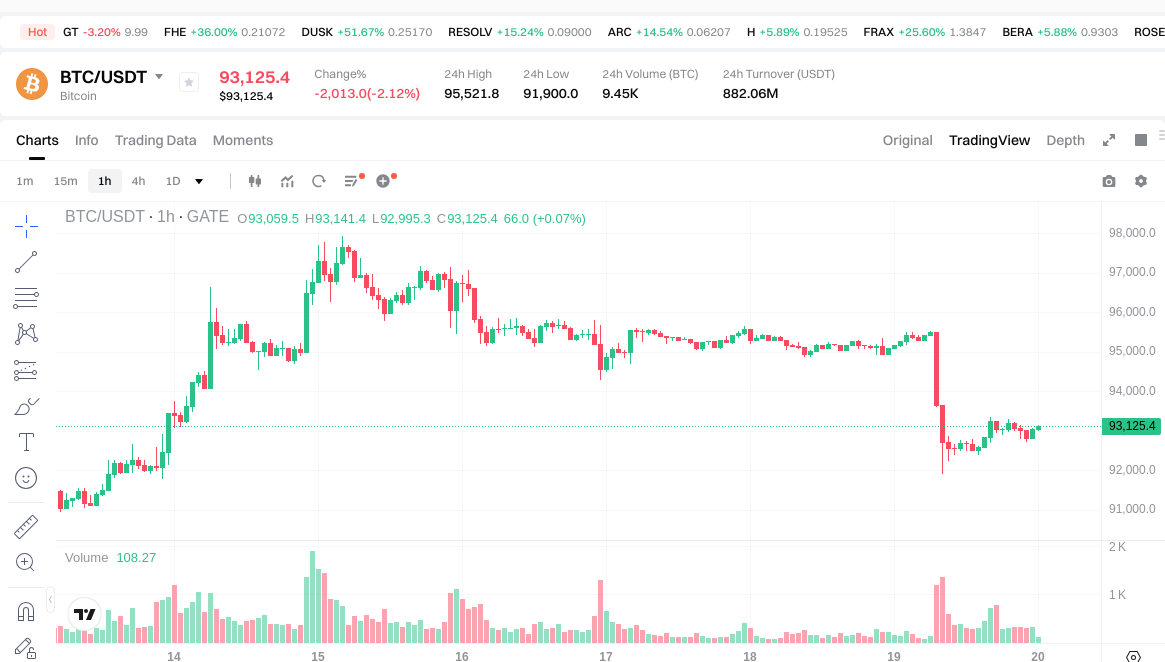
In past market cycles, the BTC Liquidation Heatmap revealed significant spikes in liquidations during periods of extreme volatility. For instance, when Bitcoin experienced sharp price corrections exceeding 15% within a single trading session, these events triggered cascading sell-offs. The heatmap displayed dense concentration areas, indicating where the most liquidations occurred, providing traders with valuable insights into market stress points and potential reversal zones.
Background or History
The concept of a liquidation heatmap originated from traditional financial markets, where similar visualization tools were used to track margin calls and forced position closures. As Bitcoin futures trading gained prominence in the cryptocurrency sector, these analytical tools were adapted and refined to meet the unique characteristics of digital asset markets.
Initially, these tools offered basic insights into order book dynamics and liquidation events. However, as derivative trading platforms evolved and the sophistication of cryptocurrency traders increased, the complexity and utility of these heatmaps expanded significantly. Modern liquidation heatmaps now incorporate real-time data feeds, historical pattern analysis, and advanced visualization techniques that provide multi-dimensional perspectives on market liquidity and leverage distribution.
The evolution of BTC Liquidation Heatmaps reflects the broader maturation of cryptocurrency derivatives markets. From simple color-coded charts to interactive, multi-layered analytical interfaces, these tools have become indispensable for professional traders navigating the high-leverage environment of Bitcoin futures trading.
Use Cases or Functions
The primary function of a BTC Liquidation Heatmap is to provide traders with a comprehensive graphical representation of where liquidations are concentrated within the market across different price levels and time periods. This information serves multiple strategic purposes:
-
Market Movement Anticipation: By analyzing historical liquidation clusters, traders can anticipate potential price movements based on past liquidation events. Dense liquidation zones often act as psychological barriers or trigger points for subsequent market reactions.
-
Support and Resistance Identification: Liquidation concentrations frequently align with significant support and resistance levels. Areas with high liquidation density indicate price levels where substantial market pressure has historically manifested, helping traders identify strategic entry and exit points.
-
Risk Appetite Assessment: The volume and frequency of liquidations provide insights into the market's overall risk appetite and leverage utilization. High liquidation activity suggests aggressive positioning, while lower activity may indicate more conservative market sentiment.
-
Cascade Effect Prediction: Understanding liquidation clusters helps traders anticipate potential cascade effects, where initial liquidations trigger subsequent forced closures, creating amplified price movements.
-
Position Sizing Optimization: By identifying high-risk liquidation zones, traders can adjust their position sizes and leverage levels to avoid being caught in liquidation cascades.
Impact on the Market, Technology, or Investment Landscape
BTC Liquidation Heatmaps have significantly transformed how traders and investors approach decision-making in cryptocurrency derivatives markets. By providing clear visualization of market pressures and leverage distribution, these tools have fundamentally enhanced risk management practices in the volatile crypto trading environment.
For retail traders, liquidation heatmaps democratize access to market intelligence that was previously available only to institutional participants. This transparency enables smaller market participants to make more informed decisions and better understand the dynamics of leveraged trading.
Institutional investors utilize these tools to assess market structure and identify opportunities arising from liquidation events. The ability to visualize where significant position closures occur helps institutions time their entries and exits more effectively, potentially capitalizing on temporary price dislocations caused by forced liquidations.
From a market structure perspective, the widespread adoption of liquidation heatmaps has contributed to increased market efficiency. As more participants become aware of liquidation clusters, the market's ability to price in leverage-related risks improves, potentially reducing the severity of cascade liquidation events.
Technologically, these tools have driven innovation in data visualization and real-time analytics within the cryptocurrency industry. The demand for more sophisticated liquidation analysis has pushed platforms to develop advanced charting capabilities and integrate multiple data sources for comprehensive market insights.
Latest Trends or Innovations
Recent innovations in BTC Liquidation Heatmaps involve the integration of artificial intelligence and machine learning technologies to transform these tools from reactive to predictive instruments. Advanced algorithms now analyze vast amounts of historical liquidation data combined with real-time market conditions to forecast potential future liquidation events and their likely market impact.
Machine learning models identify patterns in liquidation behavior across different market conditions, enabling more accurate predictions of where future liquidations might cluster. These predictive capabilities allow traders to position themselves ahead of potential liquidation cascades rather than merely reacting to them.
Another emerging trend is the integration of on-chain analytics with liquidation heatmaps. By combining futures market liquidation data with blockchain-based metrics such as exchange inflows, whale movements, and funding rates, traders gain a more holistic view of market dynamics and potential stress points.
Cross-platform aggregation represents another innovation, where liquidation data from multiple exchanges is consolidated into unified heatmaps. This provides traders with a comprehensive view of the entire Bitcoin derivatives market rather than being limited to single-platform data.
Real-time alert systems have also evolved, enabling traders to receive notifications when liquidation clusters form at specific price levels or when liquidation volumes exceed predetermined thresholds. These automated monitoring tools help traders stay informed without constantly monitoring charts.
How it is Used on Mainstream Trading Platforms
On mainstream trading platforms, the BTC Liquidation Heatmap has become an integral component of comprehensive trading interfaces, enhancing traders' ability to develop and execute sophisticated strategies. These platforms integrate liquidation visualization tools directly into their charting systems, allowing seamless analysis alongside traditional technical indicators.
Traders leverage this tool to gain deeper insights into where large volumes of leveraged positions are being liquidated, which directly informs their strategic positioning. By understanding liquidation concentrations, market participants can:
- Optimize Entry Points: Identify price levels where liquidation-driven selling pressure may create favorable entry opportunities
- Set Strategic Stop-Losses: Position stop-loss orders outside major liquidation zones to avoid being caught in cascade events
- Anticipate Volatility: Prepare for potential sharp price movements when approaching areas with high liquidation density
- Adjust Leverage: Modify leverage ratios based on proximity to significant liquidation clusters
Professional trading platforms often combine liquidation heatmaps with other analytical tools such as order book depth visualization, funding rate indicators, and open interest metrics. This integrated approach provides traders with a comprehensive understanding of market structure and potential catalysts for price movements.
| Year | Liquidations Visualized on Heatmap | Market Impact |
|---|---|---|
| 2020 | High | Moderate Volatility |
| 2021 | Very High | High Volatility |
| 2022 | Moderate | Stabilizing Market |
The table above illustrates the evolution of liquidation patterns over recent years, demonstrating how market maturity and participant behavior have shifted over time. The trend toward more moderate liquidation activity in later periods suggests improved risk management practices and more sophisticated market participation.
In conclusion, the BTC Liquidation Heatmap represents a powerful analytical instrument in the toolkit of cryptocurrency traders. Beyond its fundamental function of visualizing liquidation events, it plays a crucial role in strategy development, risk management, and market structure analysis. As this technology continues to evolve with artificial intelligence integration and cross-platform data aggregation, its utility expands further. The adoption of these tools across mainstream trading platforms has made sophisticated market intelligence accessible to a broader range of participants, contributing to more informed trading decisions and enhanced market efficiency in the cryptocurrency derivatives landscape.
FAQ
What is the BTC Liquidation Heatmap and how does it work?
BTC Liquidation Heatmap is a visualization tool displaying the concentration of liquidation positions across different price levels. Darker colors indicate higher transaction volumes of liquidations at specific price points, helping traders identify key support and resistance areas where mass liquidations may occur.
How to use BTC liquidation heatmap to identify market risks and trading opportunities?
Monitor high volatility zones and liquidation clusters to predict price reversals. Identify magnet areas where prices gravitate toward concentrated liquidation levels. Use heatmaps to time entries and exits strategically, manage risk effectively, and gauge market sentiment through long and short liquidation balance analysis.
What do different colors like red and green represent in the BTC Liquidation Heatmap?
Green indicates low liquidation activity and market stability, while red represents high liquidation activity and increased volatility. The color intensity reflects the strength of liquidation pressure at different price levels.
What impact do high liquidation zones on the liquidation heatmap have on Bitcoin price?
High liquidation zones often act as support or resistance levels, triggering rapid price reversals when large traders execute positions at these levels. Concentrated liquidation areas create price volatility and directional momentum shifts in Bitcoin.
How to develop trading strategies based on Bitcoin liquidation heatmap data?
Analyze liquidation heatmap data to identify high-risk price levels and monitor clearing trends for market insights. Use this information to set strategic stop-loss and take-profit levels, optimize entry and exit points, and better manage position sizing.
What is the difference between BTC Liquidation Heatmap and Position Heatmap?
BTC Liquidation Heatmap shows price levels where leveraged traders face liquidation risk, while Position Heatmap displays the distribution of market participants' holdings. The former identifies liquidation zones, the latter reflects position concentration across price levels.

Mastering Bitcoin Short Selling: Effective Strategies for Crypto Traders

How Do Derivatives Market Signals Impact Cryptocurrency Price Movements?

How Can Derivatives Market Signals Predict Crypto Price Movements?
Profitable Bitcoin Day Trading Techniques

BTC Liquidation Heatmap

Cryptocurrency Fear and Greed Index: Definition, Mechanism, and Online Monitoring Platforms

Is Crypto Gambling Legal in the US?

Global Cryptocurrency Regulatory Landscape: Key Developments and Emerging Trends

TapSwap Daily Secret Cinema Codes: Unlock Your Rewards
How Many XRP Are There? Complete Supply Guide

How Many XRP Are In Circulation?