Charting the Course of Bitcoin: A Journey Through Digital Currency Evolution
The Evolution of Money and Bitcoin's Revolutionary Impact
Money has undergone countless transformations throughout human history, evolving from primitive seashells and metal coins to modern digital payment systems. Today's financial infrastructure connects billions of people worldwide, enabling transactions through mobile apps and contactless cards. However, despite these technological advances, significant limitations persist in the current financial system. Billions of people remain unable to access basic banking services or stable currencies, international transactions can take days to process, and financial exclusion continues to affect communities globally.
Bitcoin represents the latest breakthrough in a technology that spans millennia. Although relatively young in the grand timeline of monetary innovation, Bitcoin has fundamentally changed how the world conceptualizes and interacts with money. This digital currency introduces a decentralized approach to value transfer, operating without the need for traditional financial intermediaries.
 By leveraging cryptographic principles and distributed ledger technology, Bitcoin offers an alternative financial system that prioritizes accessibility, transparency, and user sovereignty.
The white paper that introduced Bitcoin outlined a vision for peer-to-peer electronic cash that could operate independently of centralized authorities. This foundational document sparked a global movement that has since attracted millions of users, inspired thousands of derivative projects, and prompted serious discussions about the future of finance among policymakers, technologists, and economists worldwide.
Rapid User Adoption Compared to Historical Technologies
Bitcoin's adoption trajectory stands out when compared to other transformative technologies throughout history. Email, invented in the early 1970s, required approximately 25 years to reach 10 million users. The television set, first developed in the late 1920s, remained a luxury item for decades—by the end of the 1940s, only 2% of American families owned one. In contrast, Bitcoin went from a conceptual white paper to attracting millions of users within its first decade of existence.
This rapid adoption reflects several factors: the digital nature of Bitcoin allowing for instant global distribution, the timing of its launch following the financial crisis which sparked interest in alternative financial systems, and the viral nature of internet-based technologies. Survey data has indicated that a significant percentage of Americans have owned or used cryptocurrency, demonstrating mainstream penetration that few technologies achieve so quickly.
The speed of Bitcoin adoption also reflects broader trends in technology acceptance. Modern consumers are more comfortable with digital-first products, and the infrastructure for cryptocurrency adoption—including exchanges, wallets, and educational resources—developed rapidly alongside the technology itself. This created a positive feedback loop where increasing adoption spurred better infrastructure, which in turn facilitated further adoption.
Growing Network Activity and Transaction Volume
Since the first Bitcoin transaction between the network's creator and an early adopter, activity on the Bitcoin network has steadily accelerated. The number of daily transactions has grown consistently, demonstrating sustained interest and utility regardless of price fluctuations. This upward trajectory in network usage provides evidence that Bitcoin serves genuine user needs beyond speculative trading.
Bit-sized fact: Historical records show that the Bitcoin network has processed hundreds of thousands of unique address transactions in a single day, demonstrating significant real-world usage.
The growth in transaction volume reflects Bitcoin's expanding use cases. While early transactions primarily involved technology enthusiasts experimenting with the new system, the network now facilitates a diverse range of activities including international remittances, merchant payments, investment portfolio rebalancing, and value preservation in economically unstable regions. Each transaction contributes to the network's overall security through transaction fees that incentivize miners to continue validating blocks.
Network activity metrics provide insight into Bitcoin's health and adoption. Sustained transaction growth, even during periods of price decline, suggests that users find inherent value in Bitcoin's properties beyond its exchange rate. This fundamental demand forms the foundation for Bitcoin's long-term viability as both a payment network and a store of value.
Expanding Global Interest and Search Trends
Interest in Bitcoin has spread across the world since its inception, with search engine data revealing growing curiosity about the technology in diverse geographic regions. Over the years, different countries have topped the charts for relative search interest in Bitcoin, indicating that awareness and adoption are truly global phenomena rather than concentrated in specific regions.
Early interest emerged from technologically advanced nations with strong internet infrastructure, but Bitcoin awareness has since spread to developing economies where the technology's benefits—such as financial inclusion and protection against currency devaluation—are particularly relevant. Countries across Europe, Asia, Africa, and Latin America have shown sustained interest in Bitcoin, with search volumes often correlating with local economic conditions and regulatory developments.
Bit-sized fact: Bitcoin-related search terms have competed with major news events and cultural phenomena in search volume, demonstrating that cryptocurrency has entered mainstream consciousness.
The global nature of Bitcoin interest reflects its borderless design. Unlike traditional financial products that require specific national infrastructure, Bitcoin can be accessed by anyone with an internet connection. This universality has enabled Bitcoin to resonate with diverse populations facing different economic challenges, from those seeking investment opportunities in developed markets to individuals protecting their savings from hyperinflation in unstable economies.
Decentralized Network of Validation Nodes
The Bitcoin network operates through tens of thousands of nodes—computers running Bitcoin software that validate and relay transactions. These nodes serve as the fundamental source of truth for the Bitcoin ledger, collectively maintaining the blockchain's integrity without relying on any central authority. While theoretically, the Bitcoin network could function with just a handful of computers, a larger node count enhances decentralization and security.
The ability for anyone with a computer and internet access to run a node is central to Bitcoin's democratic architecture. Each node operator has an equal voice in the network's consensus mechanism, preventing any single entity from controlling the system. This distributed validation model makes Bitcoin resistant to censorship and manipulation, as altering the blockchain would require compromising a majority of nodes simultaneously—a practically impossible feat given their geographic and jurisdictional diversity.
Node operators contribute to the network voluntarily, motivated by ideological commitment to decentralization, desire to validate their own transactions independently, or support for the Bitcoin ecosystem. The steady growth in node count over time demonstrates sustained community engagement and belief in Bitcoin's principles. Geographic distribution of nodes across numerous countries further enhances resilience, ensuring that the network can continue functioning even if certain regions experience internet disruptions or regulatory hostility.
Bitcoin as an Investment and Store of Value
While originally conceived as a peer-to-peer electronic cash system, Bitcoin has evolved into a popular investment asset and store of value, drawing comparisons to gold. This development reflects market participants recognizing Bitcoin's scarcity, portability, and resistance to confiscation—properties that make it attractive for wealth preservation.
Survey data has revealed that investors view cryptocurrency favorably compared to traditional investment vehicles when considering long-term returns. This perspective is particularly prevalent among younger investors who have grown up with digital technology and are comfortable with non-traditional asset classes. Bitcoin's inclusion in diversified investment portfolios has become increasingly common, with institutional investors and high-net-worth individuals allocating capital to cryptocurrency alongside stocks, bonds, and commodities.
The store-of-value narrative gains particular traction in regions experiencing economic instability. When local currencies face devaluation through inflation or capital controls, Bitcoin offers an alternative for preserving purchasing power. Its global liquidity means that Bitcoin can be converted to various fiat currencies, providing an exit route from troubled economies. This utility has driven adoption in countries experiencing hyperinflation, banking crises, or authoritarian capital controls.
Strong Historical Price Performance
Historical data shows that Bitcoin has outperformed many traditional investment indexes over multi-year periods. While Bitcoin's price exhibits significant volatility with dramatic bull and bear cycles, its long-term trajectory has trended upward. Investors who maintained exposure through market cycles have generally seen substantial returns compared to traditional stock market indexes.
Price performance comparisons reveal Bitcoin's potential as a high-growth asset. While technology stocks and broad market indexes have delivered solid returns, Bitcoin's appreciation has exceeded these benchmarks during certain periods. This outperformance comes with corresponding risk—Bitcoin's volatility means that short-term losses can be severe, requiring investors to have strong conviction and long time horizons.
Bit-sized fact: Survey data indicates that investors with advanced degrees and higher incomes have increasingly included cryptocurrency in their portfolios, suggesting that sophisticated investors recognize Bitcoin's potential despite its risks.
The price performance narrative must be balanced with acknowledgment of Bitcoin's volatility. Unlike traditional assets with decades of price history and established valuation models, Bitcoin represents a novel asset class still discovering its equilibrium price. Market movements can be influenced by regulatory announcements, technological developments, macroeconomic conditions, and shifts in investor sentiment. Understanding this volatility is essential for anyone considering Bitcoin as an investment.
Dollar-Cost Averaging Strategy Benefits
A popular investment approach for Bitcoin exposure involves dollar-cost averaging—making regular purchases of fixed dollar amounts regardless of price. Historical analysis demonstrates that this strategy can deliver strong returns over multi-year periods. By buying consistently through both market peaks and troughs, investors avoid the difficulty of timing the market while accumulating Bitcoin at an average price.
For example, hypothetical analysis of regular monthly Bitcoin purchases over a four-year period shows how this strategy can generate substantial gains. The key advantage is psychological: regular purchases remove the emotional burden of trying to identify optimal entry points. Investors following this approach don't need to predict whether Bitcoin is currently overvalued or undervalued—they simply maintain their purchasing schedule through all market conditions.
This investment method has gained cultural recognition within the Bitcoin community under the term "stacking sats," referring to satoshis (the smallest Bitcoin unit, equal to 0.00000001 BTC). The phrase captures the community's long-term orientation and belief that consistent accumulation will prove rewarding over time.
Bit-sized fact: Data shows that a significant majority of higher-income investors who hold cryptocurrency include Bitcoin in their portfolios, reflecting its status as the leading cryptocurrency by market capitalization and brand recognition.
Bitcoin Usage in Economically Volatile Regions
Bitcoin has demonstrated particular utility in regions experiencing economic instability, currency devaluation, and capital controls. Peer-to-peer exchange platforms have recorded premium prices and surging volumes in countries facing financial crises, as citizens seek alternatives to their depreciating local currencies.
Venezuela and Argentina have experienced severe economic turmoil including hyperinflation, corruption, and government-imposed restrictions on currency exchange. In these contexts, Bitcoin offers a way to preserve value and access the global economy despite local financial system failures. Citizens can convert their rapidly depreciating local currency into Bitcoin, effectively opting out of their country's monetary crisis.
Hong Kong represents a different use case, where political uncertainty rather than economic mismanagement has driven Bitcoin interest. Despite the region's historically strong economy and financial freedom, political tensions and concerns about autonomy have prompted residents to explore Bitcoin as a means of protecting assets from potential future restrictions.
Since the early years of Bitcoin's existence, peer-to-peer exchange volumes in these regions have exceeded hundreds of millions of dollars in total value. These real-world use cases demonstrate that Bitcoin serves practical needs beyond speculative trading—it functions as a financial lifeline for people facing currency crises and capital controls.
Bitcoin as a Medium of Exchange
While Bitcoin's store-of-value narrative has dominated recent discussions, its original purpose as "electronic cash" for everyday transactions remains relevant. Millions of people have transacted on the Bitcoin network, and thousands of merchants worldwide accept Bitcoin payments. Technological developments continue to improve Bitcoin's suitability for daily transactions by reducing fees and confirmation times.
Bitcoin's ability to settle value across borders, 24/7, represents an unprecedented capability in monetary history. Every day, billions of dollars worth of value transfers successfully through the Bitcoin blockchain. Historical records show individual days where tens of billions of dollars in Bitcoin value moved across the network, demonstrating the system's capacity for large-scale value transfer.
The merchant acceptance ecosystem has grown substantially, with payment processors enabling businesses to accept Bitcoin without directly managing cryptocurrency. This infrastructure reduces friction for both merchants and customers, making Bitcoin payments practical for everyday purchases. While mainstream adoption as a daily payment method remains limited in developed economies with efficient payment systems, Bitcoin payments offer significant advantages for international transactions and in regions with inadequate banking infrastructure.
Network Security Through Hash Rate
Bitcoin's security relies on computational power, measured by hash rate—the total processing power dedicated to mining and validating transactions. A potential attack vector involves a malicious actor controlling more than 50% of the network's hash rate, which would enable double-spending and transaction censorship. However, Bitcoin's hash rate has grown to levels that make such attacks prohibitively expensive.
The Bitcoin network's hash rate has reached unprecedented levels, making it the largest computational network ever created and the most secure blockchain. Controlling a majority of this computing power would require enormous amounts of specialized mining hardware—equipment that would cost billions of dollars to acquire. Even if someone possessed the capital to purchase such hardware, the operational costs for electricity, cooling, and facilities would be astronomical.
This security through computational work is fundamental to Bitcoin's value proposition. Unlike traditional financial systems that rely on institutional trust and legal frameworks, Bitcoin's security is mathematically enforced. The economic incentives align such that honest mining is more profitable than attacking the network, creating a self-reinforcing security model that strengthens as the network grows.
Transaction Efficiency and Cost Advantages
Compared to legacy financial systems, Bitcoin offers significant advantages in transaction costs and processing times for certain use cases. International wire transfers through major banks typically cost tens of dollars, can take multiple business days to process, and are only available during banking hours. Bitcoin transactions, in contrast, typically cost under a dollar, can be initiated 24/7, appear on the network instantly, and are considered secure after approximately one hour of confirmation time.
Bit-sized fact: Historical transaction records show cases where over $1 billion in Bitcoin value was transferred for a fee of just a few hundred dollars—representing a tiny fraction of the total value moved.
These efficiency gains are particularly significant for international transactions and large-value transfers. Traditional international payments involve multiple intermediary banks, each taking fees and time. Bitcoin eliminates these intermediaries, enabling direct peer-to-peer value transfer across borders. For individuals and businesses that regularly send or receive international payments, these savings in time and money can be substantial.
However, Bitcoin's current transaction throughput is limited to approximately seven transactions per second, which constrains its ability to serve as a global payment network for all transactions. This limitation has spurred development of second-layer solutions designed to increase transaction capacity while maintaining Bitcoin's security properties.
Lightning Network Scaling Solution
The Lightning Network represents a promising approach to scaling Bitcoin's transaction capacity. Using a concept analogous to a bar tab, the Lightning Network allows parties to conduct numerous transactions off-chain while only periodically settling the final net balance on the main Bitcoin blockchain. This approach dramatically increases transaction throughput while reducing fees.
Lightning Network adoption has grown substantially, with the number of payment channels increasing significantly over time. The network now includes thousands of nodes distributed across numerous countries, creating a global mesh network for instant, low-cost Bitcoin transactions. This infrastructure enables use cases like micropayments that would be impractical on the main Bitcoin blockchain due to fees and confirmation times.
The Lightning Network maintains Bitcoin's security properties by ensuring that participants can always settle their final balances on-chain if disputes arise. This design allows for the speed and efficiency of off-chain transactions while preserving the security guarantees of the Bitcoin blockchain. As Lightning Network adoption continues to grow, it may enable Bitcoin to function effectively as both a settlement layer for large transactions and a payment network for everyday purchases.
Controlled Supply and Predictable Inflation
Bitcoin's underlying code programmatically controls the creation of new bitcoin and establishes a maximum supply cap of 21 million coins. Over time, more than 18 million bitcoins have been mined, steadily approaching this ultimate limit which is estimated to be reached around the year 2140. This predictable supply schedule represents a fundamental difference from traditional fiat currencies.
By algorithmically controlling new bitcoin creation, Bitcoin maintains predictable and steadily declining supply inflation. Fiat currencies, in contrast, can experience wildly fluctuating supplies determined by central bank policies and government decisions. Historical data shows that major fiat currencies have experienced average annual supply increases ranging from moderate to extreme, with some currencies in crisis experiencing triple-digit percentage increases.
Bitcoin's current annual supply increase is relatively modest and will continue declining through programmed "halving" events that reduce the mining reward every four years. This disinflationary model means that Bitcoin becomes increasingly scarce over time, theoretically supporting value appreciation if demand remains constant or grows. The predictability of this supply schedule allows market participants to make informed long-term decisions, unlike fiat currencies where supply changes can be sudden and politically motivated.
The Future of Bitcoin and Economic Freedom
Early Bitcoin pioneer Hal Finney, recipient of the world's first Bitcoin transaction, articulated a vision of computers as tools for liberation and protection rather than control. Bitcoin embodies this philosophy as the world's first global currency that harnesses computational power to enable worldwide economic freedom. The technology demonstrates humanity's capacity for innovation in creating systems that prioritize individual sovereignty and financial inclusion.
Bitcoin's development continues with ongoing improvements to scalability, privacy, and usability. The ecosystem surrounding Bitcoin—including exchanges, wallets, payment processors, and educational resources—grows more sophisticated each year. Institutional adoption is increasing as traditional financial companies recognize cryptocurrency as a legitimate asset class. Regulatory frameworks are evolving to provide clarity while attempting to balance innovation with consumer protection.
The coming years will likely bring continued Bitcoin adoption, technological innovation, and growing mainstream interest. Whether Bitcoin ultimately fulfills its potential as a global reserve currency or remains a niche alternative asset, it has already succeeded in sparking a global conversation about the nature of money, the role of centralized institutions, and the possibilities of decentralized systems. Bitcoin's journey from white paper to global phenomenon demonstrates that transformative ideas can rapidly reshape established industries when they address genuine human needs.
FAQ
When was Bitcoin created and who is its founder?
Bitcoin was created on January 3, 2009. Its creator, known as Satoshi Nakamoto, mined the first block and generated the initial 50 bitcoins through the genesis block, marking the beginning of the cryptocurrency era.
How has Bitcoin's technical architecture evolved, and what major upgrades has it experienced from its early versions to now?
Bitcoin has undergone critical upgrades including SegWit in 2017 for improved transaction speed and scalability, and Taproot in 2020 adding privacy features. These enhancements strengthened network performance and security throughout its evolution.
How has Bitcoin as a digital currency changed the understanding of traditional financial systems?
Bitcoin introduced decentralization to finance, reducing reliance on intermediaries and central banks. It enhanced transaction transparency, enabled peer-to-peer transfers, and demonstrated that trustless systems could function efficiently without traditional institutional oversight.
What important historical stages and milestone events has Bitcoin's price experienced since its creation?
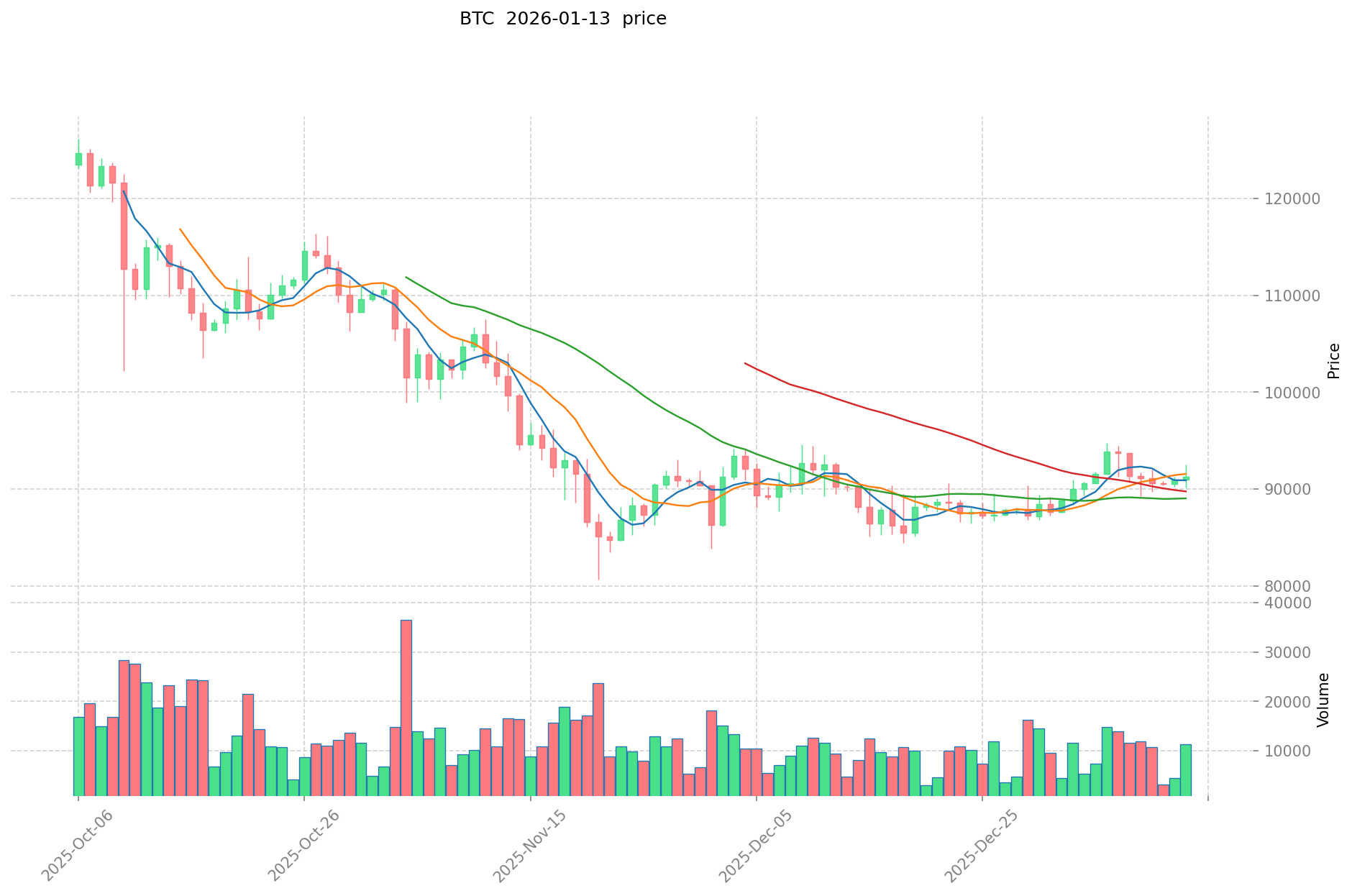
Bitcoin launched at near-zero value in 2009, reached $1,000 in 2013, surged to $20,000 in 2017, climbed to $60,000+ in 2021, and reached $124,496 in early 2026, reflecting major adoption milestones and market cycles.
What makes Bitcoin unique compared to other digital currencies such as Ethereum and Litecoin?
Bitcoin's fixed supply of 21 million coins creates scarcity and value, unlike Ethereum's unlimited supply. While Litecoin offers greater liquidity, Bitcoin remains the most secure and established network with the strongest market dominance and institutional adoption.
How has Bitcoin's mining mechanism evolved over time?
Bitcoin's mining difficulty adjusts dynamically every 2,016 blocks to maintain a 10-minute block time. As network computing power increases, difficulty rises automatically. Early CPU mining evolved to GPU, then ASIC hardware dominance. The halving event occurs every 4 years, reducing miner rewards and inflation, ensuring long-term sustainability and scarcity.
How has Bitcoin's regulatory stance evolved globally across different countries?
Global Bitcoin regulation varies significantly. The U.S. employs a complex multi-agency framework, while the EU introduced comprehensive MiCA regulations. China implemented a complete ban, whereas El Salvador adopted Bitcoin as legal tender. Singapore, Japan, and Australia established structured regulatory frameworks. Most countries increasingly focus on AML/KYC compliance and investor protection as adoption grows.
What are Bitcoin's future development prospects and potential technological innovation directions?
Bitcoin's future growth lies in privacy protection and UTXO technology innovations to enhance transaction security and efficiency. Key technological directions include improving blockchain scalability, energy efficiency, and cross-chain interoperability for broader adoption and utility.

Top Performing ASIC Miners for Maximum Profitability

ASIC Devices for Optimizing Cryptocurrency Mining

Ultimate Guide to Secure Your Cryptocurrency with Offline Paper Wallets

Top ASIC Miners for Efficient Mining

Top Cryptocurrency Mining Hardware: Best ASIC Machines

Top Devices for Cryptocurrency Mining

Is the Stock Market Open on July 3rd: Trading Hours Guide

How to Create a Mineable Cryptocurrency

What is Kaitlan Collins Gold Medallion Necklace: Crypto Symbolism & Market Trends

Hamster Kombat Daily Cipher Code Guide: Unlock Free Coins with Morse Code
MicroStrategy: Bitcoin's Biggest Corporate Holder