Cryptocurrency Fear and Greed Index: Definition, Mechanism, and Online Access
What Is the Fear and Greed Index
A Simple Overview
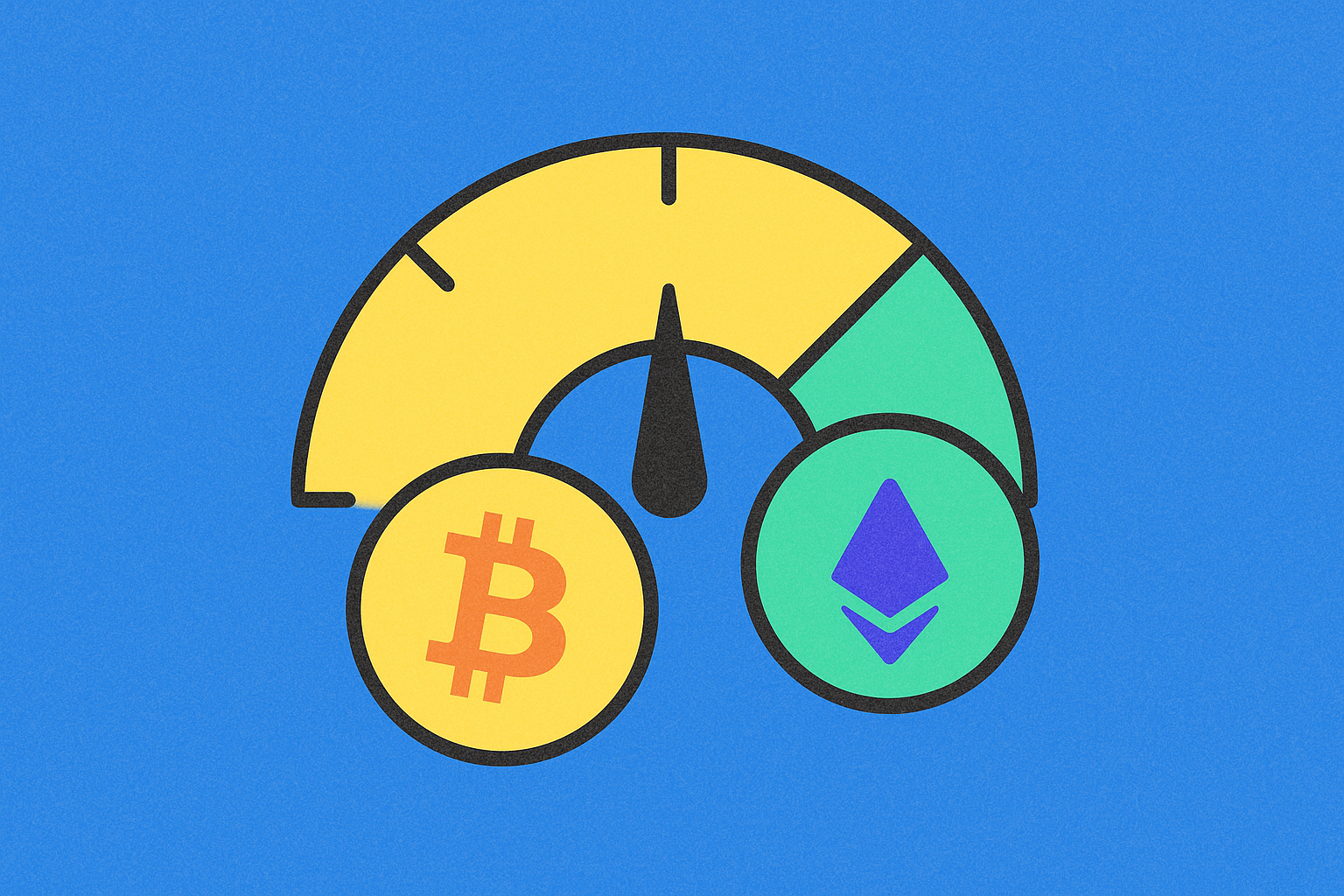
The Fear & Greed Index (Fear & Greed Index) is a numerical gauge that measures the emotional sentiment of cryptocurrency market participants. The scale ranges from 0 to 100, where:
- 0 — represents extreme fear, signaling panic selling and potential asset undervaluation.
- 100 — represents extreme greed, indicating an overbought market and the likelihood of a correction.
Originally introduced by CNNMoney for the traditional stock market, the index was later adapted for cryptocurrencies. In crypto, it centers on Bitcoin (BTC), as its price action tends to influence the broader market. The Fear & Greed Index helps traders spot emotional extremes in the market, which often signal potential trend reversals.
The index draws on a comprehensive blend of metrics—volatility, trading volume, social media activity, and additional factors that capture overall market sentiment. By leveraging this data, traders receive an objective view of the market’s emotional climate, supporting more disciplined decision-making.
What “Fear” and “Greed” Mean in Crypto Markets
-
Fear: When the market is gripped by fear, investors worry about continued price declines. This triggers mass selling, reduced demand, and asset undervaluation. Fear frequently points to oversold conditions, which many traders view as a buying opportunity. For instance, during sharp corrections—when headlines are overwhelmingly negative—many investors rush to liquidate holdings, creating ideal conditions for contrarian strategies.
-
Greed: Greed takes over as the market rallies and traders, driven by FOMO (fear of missing out), aggressively buy in. This dynamic can push asset valuations too high and often foreshadows a market pullback. In these periods, investors overlook risks in the pursuit of outsized gains, which usually ends with a rapid trend reversal.
These emotions directly influence trading behavior, making the index a crucial barometer of market psychology. Understanding fear and greed helps traders sidestep common pitfalls associated with emotional decision-making.
Why the Index Matters for Crypto Traders and Investors
The Fear and Greed Index provides valuable benefits:
-
Spotting Trends: Low index readings (fear) signal possible entry points, while high readings (greed) flag potential exits. This is especially useful in volatile markets where sentiment drives price swings.
-
Emotion Control: The index helps traders avoid impulsive actions triggered by FOMO or FUD (fear, uncertainty, and doubt). An objective sentiment gauge supports discipline and adherence to a predefined strategy.
-
Contrarian Strategies: Echoing Warren Buffett’s advice—be greedy when others are fearful, and fearful when others are greedy—traders can use the index to guide contrarian decisions: buying when fear is high and selling when greed dominates.
-
Optimal Timing: The index helps identify optimal entry and exit points, which is essential for boosting returns and controlling risk.
How the Crypto Fear and Greed Index Works
Metrics Used in the Index
The Fear and Greed Index is calculated using several weighted components:
-
Volatility (25%): Measures Bitcoin’s volatility over specific periods and maximum drawdowns compared to 30- and 90-day averages. High volatility indicates fear, as sharp swings spark panic. Low volatility, in contrast, signals stability and greed as confidence rises.
-
Trading Volume (25%): Compares recent trading volumes to 30- and 90-day averages. Increasing volume points to aggressive buying and greed, as more participants enter the market. Falling volume may signal fear and reduced risk appetite.
-
Social Media (15%): Tracks mentions of Bitcoin and other cryptocurrencies across platforms like Twitter (X), Reddit, and Telegram. High, positive activity indicates greed, as discussions focus on gains. Negative sentiment and low activity point to fear.
-
Market Surveys (15%): Some providers include trader surveys to directly capture market expectations and emotions.
-
Bitcoin Dominance (10%): A rising BTC dominance signals fear, as capital flows into the “safe” asset and out of altcoins. Declining dominance reflects greed, as investors chase higher returns in riskier alternatives.
-
Google Trends (10%): Examines search interest for Bitcoin and cryptocurrency terms. Spikes in “Bitcoin crash” queries indicate fear, while surges in “buy Bitcoin” queries reveal greed. This metric highlights public interest trends.
Each component is weighted according to its influence, and the index value is calculated as a weighted average of all metrics.
Data Sources for the Index
The index aggregates data from trusted sources:
-
Market Data: Prices, volume, and volatility from top crypto exchanges (e.g., Coinbase, Kraken) update in real time to ensure accuracy.
-
Social Media: Posts from X (Twitter), Reddit, Telegram, and other communities are analyzed using natural language processing (NLP) to assess sentiment.
-
Search Engines: Google Trends data tracks the popularity of crypto-related search queries, helping gauge broader public interest.
-
Surveys: Some platforms collect direct feedback from traders via online surveys to capture real-time market sentiment.
All these sources combine to deliver a comprehensive measure of the market’s emotional landscape.
Index Update Frequency
The Fear and Greed Index is usually updated daily, though some platforms refresh data every 12 hours. This enables traders to track sentiment shifts almost in real time. Frequent updates are especially valuable during periods of heightened volatility, when market sentiment can change rapidly.
Advanced platforms also provide historical index data, allowing traders to study correlations between past index readings and price movements and refine their strategies accordingly.
Where to Track the Fear and Greed Index Online
Popular Platforms
Several reputable sources offer the Fear and Greed Index:
-
Alternative.me: One of the most widely used resources, giving daily BTC index updates, historical data, charts, and an API for integrating the index into custom applications.
-
CoinMarketCap: Offers its own version of the Fear and Greed Index, complete with an API for developers. Data updates daily, with historical trends and additional crypto market analytics.
-
CoinStats: Updates the index every 12 hours and provides charts for BTC and other coins. A mobile app allows for easy tracking on the go.
These platforms are trusted by traders worldwide and offer both index data and a suite of market analysis tools.
Tracking the Index with TradingView
TradingView does not natively support the Fear and Greed Index, but traders can:
-
Integrate index data using custom scripts and APIs. Developers have created indicators based on Alternative.me and similar sources, which can be added to TradingView charts.
-
Analyze related indicators, such as volatility (ATR), trading volume, or Relative Strength Index (RSI), to indirectly assess market sentiment.
-
Monitor news streams and community sentiment within TradingView’s ideas and discussions section for additional insight into market emotions.
While direct integration isn’t available, these methods allow you to incorporate sentiment analysis into your TradingView setup.
Mobile Apps and Widgets
For maximum flexibility, traders can use mobile apps and widgets:
-
CoinStats: Offers an iOS and Android app with a Fear and Greed Index widget for at-a-glance market monitoring right from your home screen.
-
Blockfolio (FTX): Displays sentiment and sends alerts for major index changes. Also includes portfolio tracking and news feeds.
-
Widgets: Websites like Alternative.me offer embeddable HTML widgets for personal sites or blogs, letting creators share index data with their audience.
These tools ensure you can monitor the index anywhere, anytime.
Bitcoin and Crypto Greed Index: Recent Values
BTC and Altcoin Index Dynamics
For altcoins, the index is less standardized because most methodologies focus on Bitcoin. Still, altcoin sentiment is often highly correlated with BTC:
-
When BTC dominance rises, altcoins may experience fear as capital flows out. Investors shift to Bitcoin as a more stable, “safe” asset, leading to falling altcoin prices.
-
When BTC dominance drops, altcoins reflect greed, as investors chase higher-yield, riskier assets. In these periods, altcoins often outperform BTC.
Some platforms are now developing dedicated indexes for leading altcoins such as Ethereum (ETH), offering traders a more nuanced view of specific asset sentiment. Nevertheless, the Bitcoin Fear and Greed Index remains the main sentiment benchmark for the broader crypto market.
How to Use the Fear and Greed Index in Your Trading
Buy on Fear, Sell on Greed: Practical Strategies
Buying During Fear
-
When to Act: The index signals extreme fear (0–24) or fear (25–49), highlighting oversold conditions and possible undervaluation.
-
Sample Tactics:
- Check the index on Alternative.me or CoinMarketCap. If it’s below 24, the market is in panic—potentially a prime buying opportunity.
- Use technical analysis for confirmation. On the BTC/USDT chart (1-hour or 4-hour), look for RSI below 30 (oversold) and a bullish MACD crossover (trend reversal).
- Open a long position with a limit order at support (identified via horizontal lines or Fibonacci levels). Set your stop-loss 1–2% below entry to protect against further downside.
- Take profit at the next resistance level or when the index rises to 50, signaling a sentiment recovery.
-
Additional Guidance: Don’t jump in at the first sign of fear. Wait for confirmation via candlestick patterns (e.g., hammer or bullish engulfing) or rising trading volume.
Selling During Greed
-
When to Act: The index shows greed (51–74) or extreme greed (75–100), suggesting overbought conditions and a likely correction.
-
Sample Tactics:
- Track the index on your preferred platform. If it exceeds 75, the market is overheated and due for a correction.
- On the ETH/USDT chart (or another asset), check for RSI above 70 (overbought) or price touching the upper Bollinger Band.
- Open a short futures position or sell assets on the spot market. Place a stop-loss 1–2% above entry to protect against further rallies.
- Take profit at the next support or when the index drops to 50, indicating market cooling.
-
Additional Guidance: Exercise caution with shorts in bull markets; greed can persist. Use trailing stops to secure profits.
Contrarian Approach
-
Following Warren Buffett’s adage, buy when the market fears and sell when it’s greedy. This requires discipline and a willingness to go against prevailing sentiment.
-
When the index hits 10, look for long-term spot entries and accumulate assets at value prices.
-
When the index hits 90, lock in profits or open short futures positions. Extreme greed often precedes sharp corrections.
Using Other Tools Together with the Index
-
Combine the index with technical indicators:
- RSI: Confirms oversold (below 30) or overbought (above 70) conditions.
- MACD: Bullish or bearish crossovers signal trend reversals.
- Volume: Rising volume during fear may confirm a reversal.
- Support/Resistance Levels: Identify optimal entry and exit points.
-
Monitor news and fundamentals, including regulation, protocol upgrades, or macro events impacting the market.
-
Use the index to confirm other signals—never as your sole decision-making tool.
Trader Tips: Best Practices
-
Don’t Rely Solely on the Index: It’s valuable, but should always be used alongside technical and fundamental analysis. The index captures market sentiment but doesn’t always predict price direction accurately.
-
Practice with Demo Accounts: Test strategies using demo trading to understand how the index impacts your trades—gain experience without risking real funds.
-
Review Historical Data: Study how the index correlated with BTC prices in the past to identify when its signals are most trustworthy.
-
Manage Risk: Set stop-losses and avoid high leverage on futures. No signal is foolproof—capital protection is essential.
-
Monitor Social Media: Checking sentiment in communities can confirm index readings and sometimes provide unique insights.
-
Stay Patient: Don’t rush into trades on the first sign of fear or greed. Always wait for signal confirmation and use a holistic approach.
-
Keep a Trading Journal: Record your trades and index values at entry/exit to evaluate and refine your strategy over time.
Conclusion
The Cryptocurrency Fear and Greed Index is an essential tool for gauging sentiment and making informed trading decisions. It helps traders spot market extremes and exploit them for buying or selling opportunities.
Still, remember that it’s only one piece of your trading arsenal. Success requires blending the index with technical and fundamental analysis, plus robust risk management. Track the index on trusted platforms like Alternative.me, CoinMarketCap, and CoinStats, using it as an extra data point for your decision-making process.
Crypto markets remain volatile and unpredictable—discipline, patience, and continuous education are the keys to success. Leverage the Fear and Greed Index as your compass to navigate market emotions and make more rational trades.
FAQ
What Is the Crypto Fear and Greed Index?
The Fear and Greed Index is a tool that measures crypto market sentiment on a 0–100 scale. Low readings signal oversold conditions and potential price rebounds; high readings indicate possible corrections.
How Is the Fear and Greed Index Calculated? What Factors Are Involved?
The index combines market volatility and price momentum to reflect investor psychology. Main factors include price swings (high volatility signals fear) and price surges (signaling greed).
How Should You Interpret the Fear and Greed Index? What Do Different Values Mean?
The index measures sentiment from 0–100: 0–24 is extreme fear (potential buying opportunity), 25–49 is fear, 50–74 is greed, 75–100 is extreme greed (correction risk). Use it as a supporting tool alongside technical analysis.
Where Can You View the Crypto Fear and Greed Index Online?
The index is available on specialized sites. A scale from 0 (extreme fear) to 100 (extreme greed) captures market sentiment. Low readings point to oversold levels; high readings warn of possible corrections.
How Does the Fear and Greed Index Help Investors Gauge Sentiment, Identify Entry/Exit Points, and Predict Trends?
The index highlights when the market is overheated or undervalued, enabling traders to make data-driven decisions and maximize trading returns.
How Should You Trade During Periods of Extreme Fear or Greed?
In times of extreme fear, consider buying assets at a discount. In periods of extreme greed, anticipate possible corrections and adjust your trades accordingly. Use these cues for more rational trading decisions.
How Accurate and Reliable Is the Fear and Greed Index?
The index reliably tracks sentiment by analyzing trading volume, volatility, and investor behavior. It’s best used as a supplementary tool for spotting market extremes—never as a sole predictor of price. Combine it with other forms of analysis for best results.
What’s the Relationship Between the Fear and Greed Index and Bitcoin’s Price Movements?
The Fear and Greed Index often correlates with Bitcoin price action. Extreme fear tends to mark buying opportunities, while extreme greed can signal overvaluation. Pairing this index with technical analysis leads to stronger crypto investment strategies.

Understanding Spot and Futures in Cryptocurrency Trading

What are the US crypto market opening hours?

What are the trading hours for the US crypto market?
Is Trading and Stock Market Same?
How Do Technical Indicators Signal Crypto Market Trends in 2025?

Understanding Cross Trade: Definition and Insights

MPC Wallet: Experience a new level of secure and seamless crypto asset management

Roam Listing Details: Launch Date, Price Predictions, and How to Buy $ROAM

DePIN: Hardware Set to Transform Web3
MACD指標是什麼?

Bitget Wallet Valued at $300 Million After Investment from Mainstream Exchange, Boasts 10 Million Users