Exploring Directed Acyclic Graph in Blockchain Networks


Directed Acyclic Graph (DAG) in Cryptocurrency
Directed Acyclic Graph (DAG) is an emerging technology in the cryptocurrency space that offers an alternative to traditional blockchain architecture. This article explores the concept of DAG, its comparison with blockchain, and its potential applications in the crypto industry.
DAG vs blockchain technology
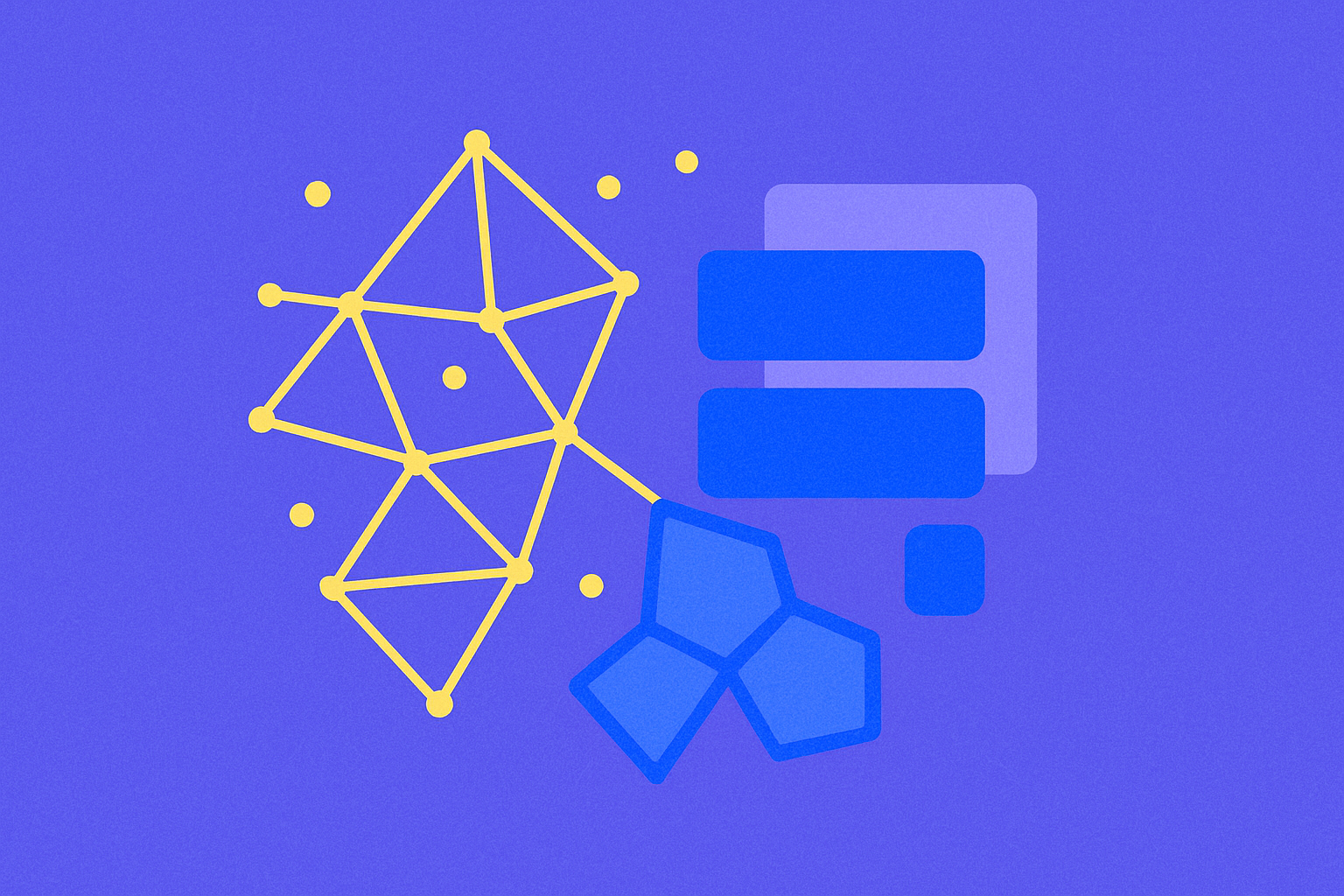
DAG, or Directed Acyclic Graph, is a data structuring tool used by some cryptocurrencies as an alternative to blockchain technology. While blockchain organizes data into a chain of blocks, DAG uses a network of vertices (nodes) and edges (connections) to structure transactions. This fundamental difference in architecture leads to several distinctions in how these technologies operate and perform.
What's the difference between a DAG and a blockchain?
The primary differences between DAG and blockchain lie in their structure and transaction processing:
- Data structure: Blockchain uses a linear chain of blocks, while DAG employs a graph-like structure of interconnected nodes.
- Transaction processing: In blockchain, transactions are grouped into blocks. In DAG, transactions are built directly on top of previous ones, without the need for block creation.
- Confirmation mechanism: Blockchain requires miners to validate blocks, whereas in DAG, new transactions must confirm previous ones.
How does DAG technology work?
DAG technology operates on a principle of interconnected transactions:
- Each transaction (represented by a vertex) must confirm at least two previous transactions (tips) to be added to the network.
- Once a transaction confirms others, it becomes a new tip, waiting for subsequent transactions to confirm it.
- This creates a web of interconnected transactions, continuously growing and validating each other.
- To prevent double-spending, nodes assess the entire transaction path back to the genesis transaction, ensuring the validity of the balance and transaction history.
What is DAG used for?
DAG technology finds several applications in the cryptocurrency space:
- Efficient transaction processing: DAG allows for faster and more scalable transaction processing compared to traditional blockchain.
- Energy-efficient consensus: DAG-based systems consume less energy than Proof-of-Work blockchains.
- Micropayments: The low or zero transaction fees make DAG suitable for processing small payments efficiently.
- Internet of Things (IoT): DAG's scalability and efficiency make it well-suited for IoT applications requiring numerous small transactions.
Which cryptocurrencies use DAG?
Several cryptocurrency projects have adopted DAG technology:
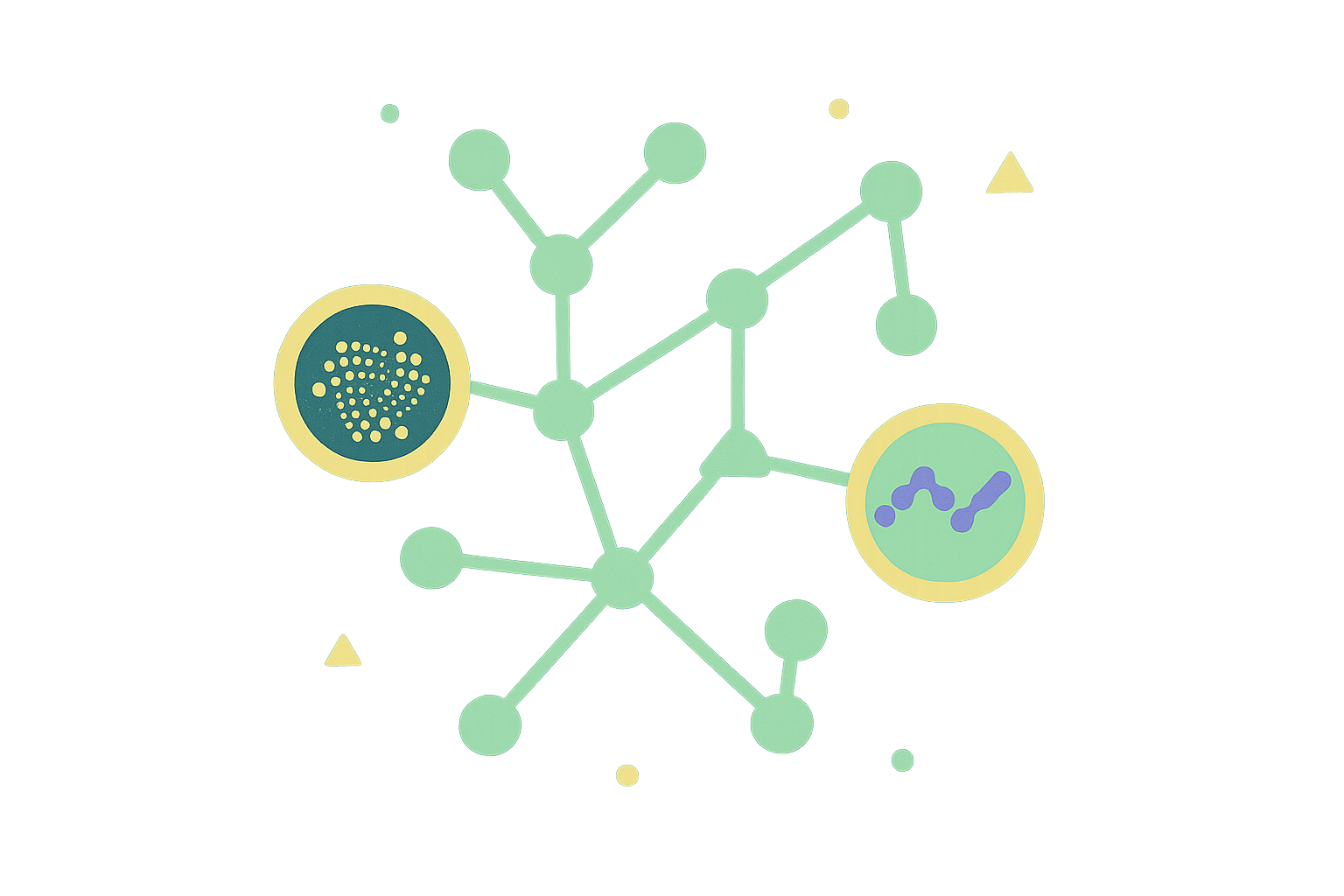
- IOTA (MIOTA): A project focused on the Internet of Things, known for its fast transactions and scalability.
- Nano: A hybrid system combining DAG and blockchain, offering fast and fee-less transactions.
- BlockDAG: A project utilizing DAG for energy-efficient mining and frequent halving events.
DAG pros and cons
Advantages of DAG technology include:
- High transaction speed
- Low or zero fees
- Energy efficiency
- Scalability
Disadvantages and challenges include:
- Potential centralization issues
- Limited real-world testing at scale
- Nascent technology with unexplored limitations
Conclusion
Directed Acyclic Graph (DAG) technology presents an intriguing alternative to traditional blockchain architecture in the cryptocurrency space. While it offers advantages in terms of transaction speed, scalability, and energy efficiency, DAG is still a relatively young technology with unexplored potential and limitations. As the crypto industry continues to evolve, DAG may play an increasingly important role, complementing rather than replacing blockchain technology. In the years since 2025, we have seen further development and adoption of DAG, potentially unlocking new use cases and applications in the world of decentralized finance and beyond.
FAQ
What is DAG used for?
DAG is used for creating efficient, scalable blockchain networks. It enables faster transactions, better scalability, and improved security compared to traditional blockchain structures.
Is DAG better than blockchain?
DAGs offer superior scalability, but blockchains have a more established track record. DAGs may surpass blockchains in future applications due to their scalability advantages.

Understanding Directed Acyclic Graphs in Blockchain Technology

Exploring DAG Technology in Blockchain Networks

Understanding Directed Acyclic Graph in Blockchain Technology

Exploring Directed Acyclic Graphs in Blockchain Technology
DAG vs. Blockchain: Comparison and Benefits
Innovative Blockchain Solutions with Directed Acyclic Graph Technology
What Is BNB Chain?
All You Need To Know About Yescoin
How to Buy Baron ($BARRON) Coin: What is Baron Trump Cryptocurrency?
What Is AI Dev Agent (AIDEV)? No-Code Platform for Building Products
Iceberg (ICEBERG): What Is It? AI-Driven Decentralized Yield