Exploring the Basics of DeFi Altcoins

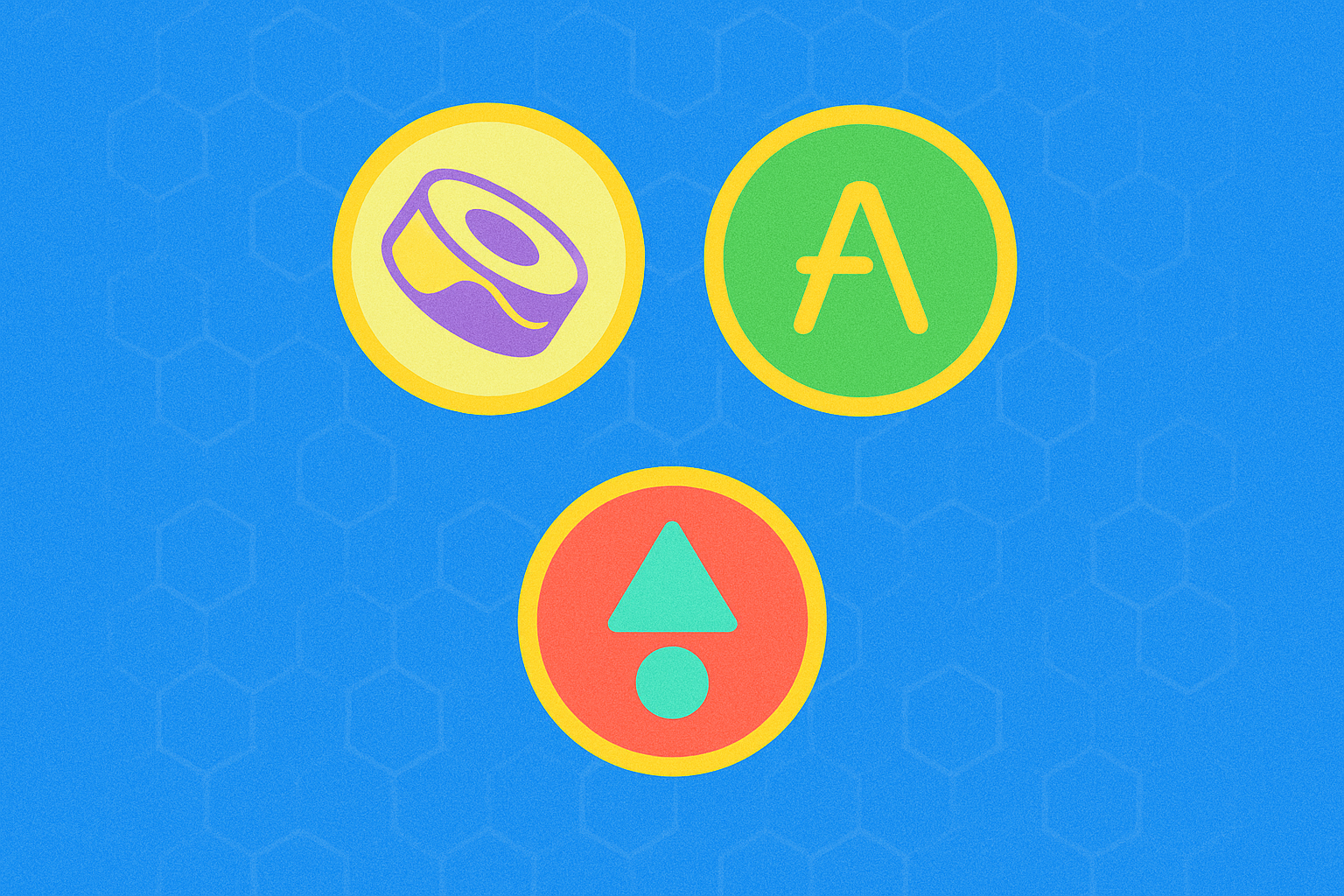
DeFi Tokens: A Beginner-Friendly Guide
Decentralized finance (DeFi) represents a revolutionary approach to financial services, enabling users to trade, lend, and borrow digital assets without relying on traditional intermediaries. The sector has experienced remarkable growth, with user participation expanding significantly over recent years. This explosive growth is evidenced by DeFi's substantial on-chain trading volume, which has reached hundreds of billions in transactions, demonstrating the increasing adoption of what is defi altcoin technology. To support this expanding ecosystem and foster community engagement, numerous DeFi protocols have launched their own native cryptocurrencies, known as DeFi tokens, primarily on blockchains like Ethereum.
What is DeFi?
Decentralized finance, commonly referred to as DeFi, constitutes a significant segment of the cryptocurrency industry dedicated to delivering financial products and services without centralized intermediaries. Unlike traditional financial systems that require users to interact with banks, brokerage firms, or fintech companies, DeFi applications operate on decentralized computer networks called blockchains. These applications, built predominantly on platforms like Ethereum, enable users to trade, lend, and borrow cryptocurrencies in a peer-to-peer manner without submitting personal information to centralized authorities. Understanding what is defi altcoin functionality is essential for grasping how these decentralized systems operate.
The technical foundation of DeFi relies heavily on smart contracts—self-executing programs encoded on blockchains that automatically perform predetermined actions when specific conditions are satisfied. For instance, when a user wishes to exchange ETH for a stablecoin like USDC on a decentralized trading platform, the smart contract detects the ETH deposit and automatically transfers the equivalent amount of USDC to the user's crypto wallet. This automation enables secure peer-to-peer financial transactions without human intervention or centralized oversight. Due to their decentralized nature and reliance on smart contracts, DeFi applications are commonly referred to as decentralized applications, or dApps.
What Are DeFi Coins and Tokens?
Understanding the distinction between DeFi coins and tokens is crucial for navigating the decentralized finance ecosystem and comprehending what is defi altcoin terminology. In its broadest sense, a DeFi cryptocurrency encompasses any digital asset utilized within DeFi applications. However, coins and tokens serve fundamentally different roles within blockchain ecosystems.
A coin represents the native cryptocurrency of a standalone blockchain and serves as the primary medium of exchange within that network. Ethereum's ETH exemplifies this concept—it functions as the Ethereum blockchain's official currency and is required to pay transaction fees (gas fees) when interacting with Ethereum-based applications. While ETH isn't exclusively designed for DeFi, its integral role in powering DeFi protocols like Uniswap, Aave, and Sushi qualifies it as a DeFi coin in practical terms.
Conversely, a DeFi token, or what is defi altcoin in many contexts, is a cryptocurrency created on top of an existing blockchain infrastructure, such as Ethereum, Cardano, or Solana, and is specifically associated with a particular DeFi project. These tokens typically fall under the category of utility tokens, as they serve specific purposes within their respective ecosystems beyond mere price speculation. DeFi developers issue these tokens to introduce specialized features to their platforms, including governance voting rights, staking rewards, or incentive mechanisms. While DeFi tokens may trade on various cryptocurrency platforms at market-determined prices, their primary value lies in their functional utility within their native DeFi ecosystems.
What Are Some Popular DeFi Cryptocurrencies?
The DeFi landscape continues to evolve rapidly with new projects emerging regularly, yet several cryptocurrencies have established themselves as dominant forces within the sector. These prominent DeFi tokens demonstrate the diverse functionalities and governance models employed across the ecosystem, showcasing what is defi altcoin potential in practice.
Sushi (SUSHI) originated as SushiSwap, a decentralized exchange built on Ethereum that deliberately adopted Uniswap's design architecture. Created by pseudonymous developers Chef Nomi and 0xMaki, Sushi attracted users by offering substantial SUSHI token rewards as incentives for switching from Uniswap. Beyond its role as a rewards mechanism, SUSHI tokens grant holders voting rights in governance decisions affecting the platform's future development.
Aave (AAVE) operates as a peer-to-peer cryptocurrency lending and borrowing protocol on the Ethereum blockchain. Similar to other governance tokens, AAVE's primary function is providing holders with decision-making power over protocol proposals. Additionally, Aave maintains a Safety Module where community members can deposit AAVE tokens to earn rewards while simultaneously protecting the protocol. This mechanism allows Aave to slash up to 30% of deposited stakes during emergencies to safeguard the platform's integrity.
Lido DAO (LDO) focuses on enabling traders to earn interest on proof-of-stake cryptocurrencies like Ethereum. The protocol issues derivative tokens, such as Lido Staked Ethereum (StETH), which serve as receipts for deposited assets. The LDO token functions as Lido DAO's governance token, empowering holders to vote on protocol upgrades and strategic decisions. This exemplifies what is defi altcoin governance capabilities.
Curve Finance (CRV) distinguishes itself as an Ethereum-based decentralized trading platform specializing in low-volatility trading pairs, primarily featuring stablecoins and wrapped tokens rather than speculative altcoins. The CRV governance token enables community members to participate in determining Curve's future direction and development priorities.
Where do Crypto Traders Buy DeFi Cryptocurrencies?
Acquiring DeFi cryptocurrencies doesn't necessarily require direct interaction with DeFi protocols. While users can earn or purchase DeFi tokens through decentralized trading platforms, decentralized wallets, and various DeFi applications, mainstream centralized cryptocurrency platforms also offer extensive access to DeFi-related cryptocurrencies.
The process begins by visiting cryptocurrency price aggregator websites such as CoinMarketCap or CoinGecko, which provide comprehensive market data and listings. Users can navigate to dedicated DeFi token sections or search for specific cryptocurrencies using their ticker symbols to access detailed information about what is defi altcoin offerings available. Once a desired cryptocurrency is identified, visiting its official website offers valuable insights into market capitalization, tokenomics, and practical applications within its ecosystem.
Each cryptocurrency's listing typically includes an Exchanges tab displaying all centralized platforms and decentralized trading venues offering trading pairs for that particular token. Traders can then select their preferred exchange platform and either create an account on a centralized platform or connect a compatible crypto wallet to a decentralized venue to execute their desired trades.
Conclusion
DeFi tokens represent a fundamental component of the rapidly expanding decentralized finance ecosystem, serving purposes that extend far beyond simple price speculation. Understanding what is defi altcoin functionality and applications is essential for anyone entering this space. These cryptocurrencies enable governance participation, provide incentive mechanisms, and facilitate the operation of innovative financial services without traditional intermediaries. The distinction between coins and tokens, while technical, is essential for understanding how different cryptocurrencies function within blockchain ecosystems. As the DeFi sector continues to mature, with millions of users and substantial trading volume, prominent tokens like SUSHI, AAVE, LDO, and CRV demonstrate the diverse applications and governance models possible in decentralized finance. Whether acquired through decentralized protocols or mainstream platforms, DeFi tokens offer participants the opportunity to engage with a transformative financial paradigm that prioritizes transparency, accessibility, and community-driven decision-making. As the ecosystem evolves, understanding these fundamental concepts, including what is defi altcoin mechanics and utilities, positions both newcomers and experienced traders to navigate the DeFi landscape more effectively and make informed decisions about their participation in this revolutionary financial movement.
FAQ
What are DeFi altcoins?
DeFi altcoins are alternative cryptocurrencies built on blockchain networks, designed specifically for decentralized finance applications. They enable lending, borrowing, trading, and yield farming without traditional intermediaries, offering users direct control over their assets and enhanced financial services.
Is DeFi coin a good investment?
DeFi coins offer high growth potential through yield farming, liquidity mining, and governance rewards. With expanding adoption and innovation in decentralized finance, early investors can capture significant upside. DeFi represents the future of finance.
Is DeFi illegal in the US?
No, DeFi is not illegal in the US. However, DeFi platforms must comply with existing financial regulations and securities laws. The SEC provides ongoing regulatory oversight to ensure compliance with applicable rules.
What is the difference between Altcoin and DeFi?
Altcoins are any cryptocurrencies other than Bitcoin, often driven by speculation. DeFi refers to decentralized finance protocols that provide financial services without intermediaries. Altcoins are speculative assets, while DeFi focuses on utility and building decentralized financial infrastructure.

Discover Top Decentralized Exchange Platforms for Crypto Traders

The Future of Decentralized Finance Platforms: Exploring DeFi Exchanges

Innovative Approaches to Decentralized Trading Systems

Explore Velodrome Finance: Everything You Need to Know About the Velodrome Token

Top Platforms for Decentralized Cryptocurrency Trading

Explore the Latest Updates in Uniswap v4: Cutting-Edge Features and Capabilities
Roam Listing Details: Launch Date, Price Predictions, and How to Buy $ROAM

DePIN: Hardware Set to Transform Web3

MACD指標是什麼?

Bitget Wallet Valued at $300 Million After Investment from Mainstream Exchange, Boasts 10 Million Users
How to Buy $LUNA Coin and What is the Lynk's Cat Token?