Exploring the Basics of Fiat Currency

What is Fiat Currency?
Fiat currency represents a cornerstone of modern economic systems, serving as the primary medium of exchange in global commerce. Understanding fiat currency is essential for anyone seeking to comprehend both traditional finance and emerging digital assets like cryptocurrency. This article explores the fundamental characteristics of fiat currencies, their value proposition, and how they compare to the growing cryptocurrency market.
What is Fiat Currency?
Fiat currency is a government-issued unit of exchange backed by a central banking authority, where the term "fiat" derives from Latin meaning "by decree" or "determination by authority." Fiat currencies represent the official money systems that citizens use daily for transactions, from purchasing everyday items to conducting large-scale business operations.
The defining characteristic of modern fiat currencies is their lack of intrinsic commodity backing. Unlike earlier monetary systems, contemporary fiat currencies do not represent ownership in physical assets such as gold or silver. Instead, their value stems from the trust and confidence placed in the issuing government and central bank. For instance, the United States dollar (USD) maintains its value based on faith in the U.S. government's stability rather than any underlying physical commodity.
This transition from commodity-backed currency to fiat currency systems occurred primarily throughout the 20th and 21st centuries, as governments moved away from the gold standard. This shift provided central banks with greater flexibility to manage monetary policy, allowing them to adjust money supply in response to economic conditions such as inflation, recession, or other macroeconomic challenges. Today, fiat currencies dominate global commerce and serve as the preferred payment method for goods and services worldwide.
Beyond their domestic use, major fiat currencies also function as world reserve currencies. Nations hold substantial quantities of these currencies for international trade and investment purposes. The USD leads as the dominant reserve currency, comprising approximately 60% of global reserves. Other significant reserve currencies include the European Union's euro (EUR), China's renminbi (CNY), and the United Kingdom's British pound (GBP).
What Gives Fiat Currency Value?
The value of fiat currencies rests fundamentally on trust in the issuing authority's legitimacy and stability. Unlike commodities with intrinsic value such as gold or silver, fiat currencies derive their worth from collective belief in the government and central bank responsible for their issuance. This trust-based system requires citizens to maintain confidence in institutions like the U.S. government, the European Union, or other national authorities.
However, trust alone does not determine fiat currency value. Multiple macroeconomic factors and government policies continuously influence fiat currencies' purchasing power relative to other goods, services, and assets. Central bank monetary policy plays a crucial role in this dynamic. For example, when the U.S. Federal Reserve has historically increased money supply during economic crises to stimulate the economy, this expansion decreased the average purchasing power of each dollar due to increased supply.
Various economic indicators affect fiat currency valuation, including consumer spending patterns, interest rate adjustments, inflation rates, and overall monetary supply. These factors interact in complex ways, causing constant fluctuations in each fiat currency's market value relative to other currencies and assets in the global economy.
Fiat Currency Versus Cryptocurrency
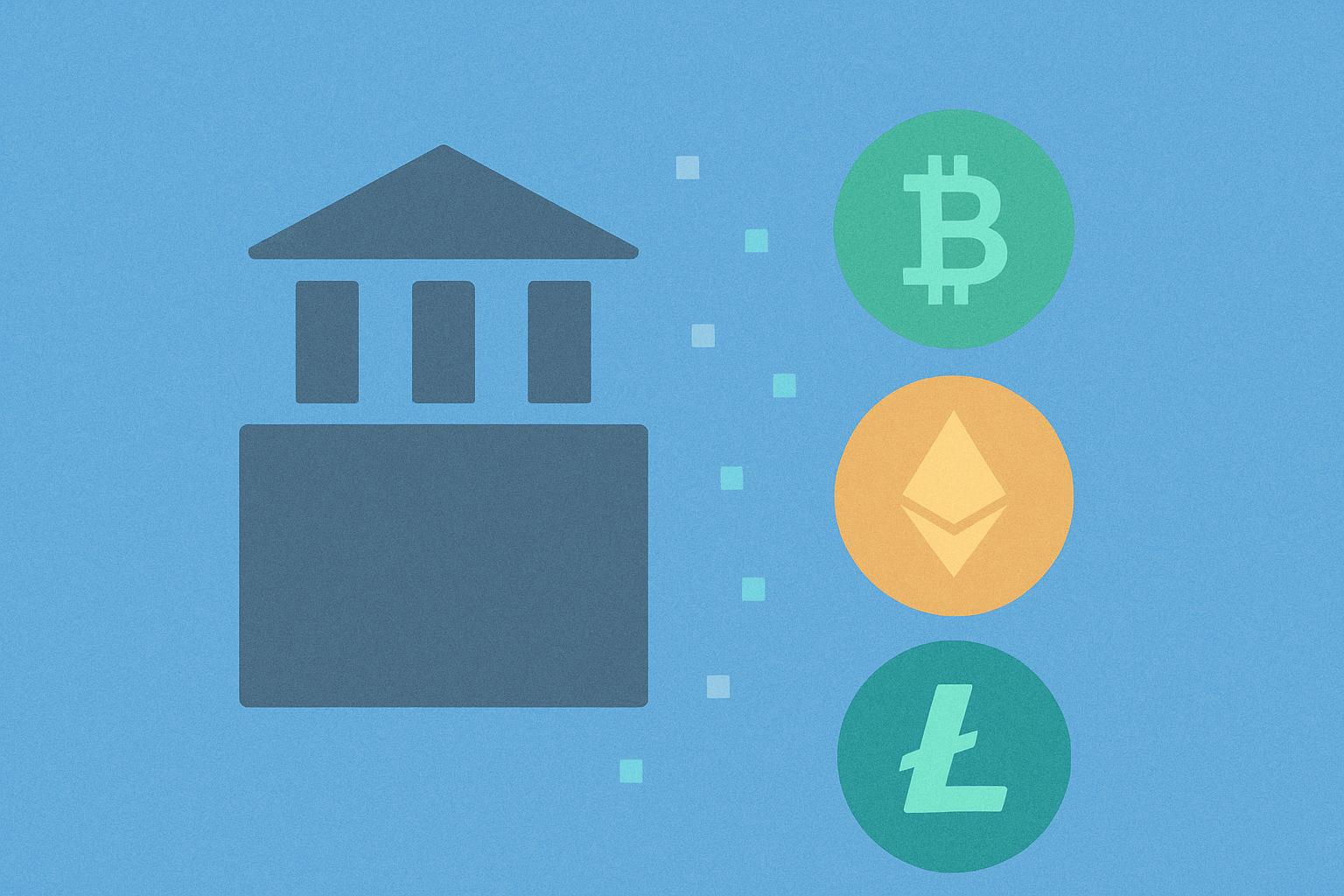
While fiat currencies and cryptocurrencies both serve as mediums of exchange with transparent market prices, they differ fundamentally in their structure and governance. Cryptocurrencies can be used similarly to fiat currencies when merchants accept them for goods and services, much like digital payment platforms such as PayPal facilitate fiat currency transactions. However, the critical distinction lies in their issuance and control mechanisms.
Unlike fiat currencies with centralized government issuers, most cryptocurrencies operate on decentralized computer networks called blockchains without central authorities. Bitcoin exemplifies this decentralized approach. Created by pseudonymous developer Satoshi Nakamoto, Bitcoin established its legitimacy through a sophisticated verification system called proof-of-work (PoW) mining. In this system, computers compete to solve complex mathematical problems, with successful miners posting new transaction blocks to Bitcoin's network and receiving BTC rewards.
The issuance schedule for cryptocurrencies is typically encoded in their underlying software rather than determined by central banking authorities like fiat currencies. Bitcoin features a maximum supply cap of 21 million BTC with a gradually decreasing inflation rate. Block rewards halve periodically until Bitcoin reaches zero inflation after all coins enter circulation. This predetermined supply schedule contrasts sharply with fiat currency systems, where central banks actively manage money supply and interest rates through monetary policy decisions.
Transparency represents another distinguishing feature between fiat currencies and cryptocurrencies. Bitcoin transactions are publicly viewable on blockchain explorers, providing an open ledger accessible to anyone. This transparency differs from traditional fiat currency banking systems, where transaction details remain private between parties and financial institutions.
How do People Exchange Fiat for Crypto?
As cryptocurrency adoption expands, numerous services facilitate the exchange between fiat currencies and digital assets. Centralized cryptocurrency platforms offer straightforward methods for converting fiat currencies to crypto by linking users' bank accounts, debit cards, or fintech applications. These platforms enable traders to transfer fiat currency funds and purchase cryptocurrencies like Bitcoin or Ethereum (ETH).
Several cryptocurrency wallets, including MetaMask, integrate with fiat-to-crypto services like MoonPay, allowing users to buy digital currencies directly using debit or credit cards linked to their fiat currency accounts. Additionally, physical Bitcoin ATMs have emerged in various locations, providing another avenue for purchasing cryptocurrencies with fiat currency payment cards and transferring them to digital wallets.
Traders seeking exchange options can consult comprehensive crypto price aggregator websites such as CoinMarketCap or CoinGecko, which maintain extensive lists of available trading platforms in their "Exchanges" sections. However, it's essential to recognize that not all platforms offer identical services, and regional restrictions may apply. Prospective users should always review official trading policies on each platform's website before creating an account to ensure compatibility with their needs and location.
Conclusion
Fiat currency remains the dominant force in global finance, representing government-backed mediums of exchange that derive their value from institutional trust and economic stability rather than intrinsic commodity backing. With substantial amounts in circulation and significant daily forex trading volumes, fiat currencies continue to serve as the foundation of the global financial system. The fundamental difference between fiat currencies and cryptocurrency lies in their governance structures: fiat currencies operate under centralized government control with flexible monetary policies, while cryptocurrencies typically function on decentralized blockchain networks with predetermined issuance schedules. As the financial landscape evolves, understanding both fiat currencies and cryptocurrencies becomes increasingly important for navigating modern economic systems. While cryptocurrencies offer innovative alternatives to traditional finance, fiat currencies continue to serve as the primary medium of exchange worldwide, backed by the stability and authority of national governments and central banks.
FAQ
Is bitcoin a fiat currency?
No, Bitcoin is not a fiat currency. It's a decentralized cryptocurrency, while fiat currencies are government-issued and centrally controlled.
Is USD a fiat currency?
Yes, USD is a fiat currency. It's not backed by physical commodities like gold since the U.S. abandoned the gold standard in 1971.
Is China a fiat currency?
No, China is not a fiat currency. China uses a fiat currency called the yuan, which is legal tender backed by the Chinese government.
How many fiat currencies are there?
As of 2025, there are approximately 180 active fiat currencies worldwide, including both official and unofficial currencies.
Understanding Fiat Money in the World of Cryptocurrency

Exploring the Differences between Digital and Traditional Currencies

Strategies for Using Fiat Currency in the Digital World

Exploring the Basics of Fiat Money

Understanding Fiat and Cryptocurrency: Key Differences and Insights
Worldwide Digital Currency Debit Card Solutions

MPC Wallet: Experience a new level of secure and seamless crypto asset management

Roam Listing Details: Launch Date, Price Predictions, and How to Buy $ROAM

DePIN: Hardware Set to Transform Web3

MACD指標是什麼?

Bitget Wallet Valued at $300 Million After Investment from Mainstream Exchange, Boasts 10 Million Users