Exploring the Core DAO Blockchain: Key Features and Benefits

What Is Core DAO?
Core DAO represents a pioneering blockchain initiative designed to establish the foundational infrastructure for Web 3, the next generation of decentralized internet. This innovative project addresses fundamental challenges in the blockchain ecosystem, including security, scalability, and decentralization, through its unique technological approach.
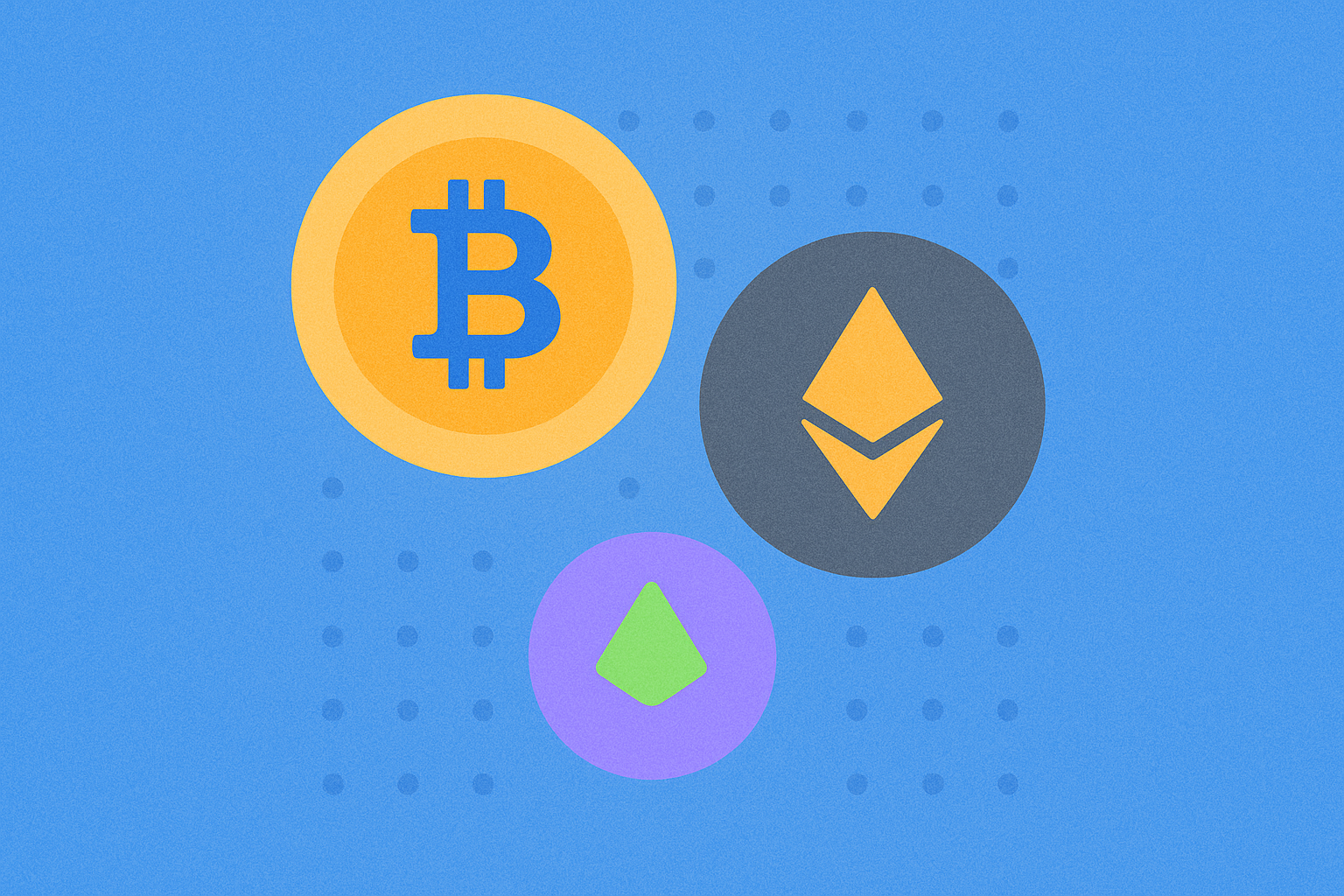
At the heart of Core DAO lies the Satoshi Plus consensus mechanism, a groundbreaking hybrid system that synthesizes elements from both Proof of Work (PoW) and Delegated Proof of Stake (DPoS). This distinctive combination enables Core DAO to leverage the security strengths of Bitcoin's mining model while incorporating the efficiency and sustainability of Ethereum's staking approach. By merging these two established methodologies, Core DAO achieves a balanced solution that maintains robust security while improving scalability and energy efficiency.
The project's commitment to decentralization and its sophisticated consensus algorithm position Core DAO as a significant contributor to the advancement and widespread adoption of Web 3 technologies. Through its innovative architecture, Core DAO aims to create a more accessible, secure, and efficient blockchain ecosystem that can support the growing demands of decentralized applications and services.
How Does Core DAO Work?
Core DAO operates through the Satoshi Plus consensus mechanism, which strategically combines the most effective elements of Bitcoin's Proof of Work and Ethereum's Proof of Stake systems. This hybrid approach facilitates cooperation between miners and validators to maintain network security, verify transactions, and ensure true decentralization.
The Proof of Work component ensures the network's fundamental security and resistance to various attack vectors. Miners contribute computational power to solve complex mathematical problems, which serves to validate transactions and generate new blocks on the blockchain. While this process requires significant energy resources, it remains essential for maintaining the blockchain's integrity and preventing malicious activities.
Complementing the PoW mechanism, the Proof of Stake element introduces a delegation structure that enhances the network's overall efficiency. Token holders participate in network governance by electing validators, who are responsible for transaction verification and network management. This dual-layer approach significantly improves scalability while reducing energy consumption compared to traditional PoW-only systems. The result is a more sustainable and efficient blockchain infrastructure that can handle higher transaction volumes without compromising security or decentralization.
What Is The Tokenomics Of Core DAO?
The CORE token serves as the native cryptocurrency of the Core DAO ecosystem, functioning as both a utility token for network operations and a governance token for protocol decisions. Token holders can stake their CORE tokens to participate in network validation and use them to pay for transaction fees (gas fees) within the ecosystem.
Core DAO has adopted a token model inspired by Bitcoin's scarcity principle, establishing a maximum supply of 2.1 billion CORE tokens. The project implements a deflationary mechanism by committing to burn portions of block rewards and gas fees, similar to Ethereum's EIP-1559 model. The token emission schedule is designed to span 81 years, creating a long-term incentive structure for network participants.
A strategic element of Core DAO's tokenomics involves attracting Bitcoin miners to delegate their hash power to the network, particularly in preparation for the period around 2040 when Bitcoin's mining rewards are expected to diminish significantly. This forward-thinking approach ensures sustained network security through miner participation.
The total CORE supply is allocated across six distinct categories:
- Contributors receive 15.00% for their development efforts
- Users are allocated 25.03%, with initial airdrops supporting community growth
- Node mining accounts for 40.00%, the largest allocation to incentivize network security
- Reserves comprise 10.00% for future strategic needs
- Treasury holdings represent 9.50% for ecosystem development
- Relayer rewards constitute 0.47% to support cross-chain operations
What Factors Determine The Price Changes Of Core DAO?
The CORE token has experienced notable price movements throughout its trading history, reflecting the dynamic nature of cryptocurrency markets. Understanding the factors that influence Core DAO's price is essential for anyone interested in the project's market performance and investment potential.
Market demand plays a fundamental role in CORE's price fluctuations. As the Core DAO ecosystem attracts more users and developers, demand for CORE tokens naturally increases, creating upward pressure on prices. The growth in network activity, including transaction volumes and active addresses, serves as a leading indicator for demand trends. Conversely, decreased adoption or network usage can lead to reduced demand and lower prices.
Technological advancements and ecosystem developments significantly impact token valuation. Major protocol upgrades, strategic partnerships, or the introduction of new features can generate positive sentiment and increased demand for CORE tokens. Investors who monitor Core DAO's development roadmap and official announcements can better anticipate these catalysts and their potential price effects.
Market sentiment and institutional interest have proven particularly influential for CORE's performance. The involvement of institutional investment funds in acquiring and holding CORE tokens has generated considerable momentum within the cryptocurrency community. This institutional backing often sparks increased interest among retail investors, driving additional demand and increasing project visibility. The combination of institutional confidence and retail enthusiasm creates a powerful catalyst for price appreciation.
Does AI Need Core DAO?
While artificial intelligence technology can exist and evolve independently of blockchain infrastructure, Core DAO offers valuable solutions that address critical challenges in AI applications, particularly regarding data integrity, security, and decentralization.
Core DAO provides a robust decentralized architecture that can support AI applications while ensuring data integrity and security throughout the AI lifecycle. The blockchain's immutable nature creates an ideal environment for maintaining transparent and verifiable records of AI training data, model parameters, and decision-making processes.
AI applications can leverage Core DAO's decentralized network to ensure data security and prevent unauthorized manipulation. By distributing data across the network rather than storing it in centralized repositories, AI systems become more resilient to attacks and data breaches. This decentralized approach also ensures the accuracy and reliability of AI algorithms and their outputs, as the blockchain provides a tamper-proof record of all computations and data transformations.
Furthermore, the combination of AI and Core DAO's blockchain infrastructure can enable new use cases such as decentralized AI marketplaces, transparent AI governance systems, and verifiable AI model training. These applications benefit from the security, transparency, and decentralization that Core DAO's architecture provides.
What Is The Best Core DAO Wallet?
Selecting an appropriate wallet for storing and managing CORE tokens requires careful consideration of security features, user experience, and functionality. The cryptocurrency wallet landscape offers numerous options, each with distinct advantages for different user needs.
For software wallet solutions, MetaMask represents a widely recognized and trusted option with extensive compatibility across various blockchain networks. Web-based and mobile wallets have emerged as compelling alternatives, offering specialized features for CORE token management. Many modern wallets provide users with real-time market information and analytics, enabling more informed trading decisions. Quality wallet interfaces simplify token management tasks, including staking CORE tokens, making them accessible for both novice and experienced users.
For users prioritizing maximum security, hardware wallets offer the most robust protection against digital threats. Ledger and Trezor stand as industry leaders in hardware wallet solutions for CORE token storage. These devices store private keys offline in a secure element, providing strong protection against hacking attempts, phishing attacks, and malware. While hardware wallets may be less convenient for frequent trading, they represent the gold standard for long-term token storage and security.
The choice between software and hardware wallets ultimately depends on individual needs: software wallets offer convenience and accessibility for active traders, while hardware wallets provide superior security for long-term holders and larger token amounts.
How To Buy Core DAO?
Purchasing CORE tokens involves a straightforward process that requires selecting a reputable exchange, establishing an account, and executing the purchase transaction. Following a systematic approach ensures a secure and efficient buying experience.
Step 1: Exchange Selection Begin by identifying a cryptocurrency exchange that supports CORE token trading. Major centralized trading platforms offer CORE trading pairs with various cryptocurrencies and fiat currencies. When evaluating exchanges, consider factors including trading fees, security measures, user interface quality, available payment methods, and customer support responsiveness. Conducting thorough research and comparing multiple platforms helps identify the exchange that best aligns with your specific requirements and preferences.
Step 2: Account Creation and Security Setup Once you've selected an exchange, proceed to create an account by providing your email address and establishing a secure password. Most exchanges require identity verification (Know Your Customer or KYC procedures) to comply with regulatory requirements. This process typically involves submitting government-issued identification and proof of address. After account creation, enable two-factor authentication (2FA) to add an additional security layer, protecting your account from unauthorized access.
Step 3: Funding and Purchase With your account established and verified, deposit funds into your exchange wallet. You can accomplish this by transferring existing cryptocurrencies from another wallet or purchasing cryptocurrency using fiat currency through bank transfers, credit cards, or other payment methods. Once your account is funded, navigate to the CORE trading section, select your desired trading pair, specify the amount you wish to purchase, review the transaction details including fees, and execute the order. After completion, your CORE tokens will appear in your exchange wallet, from where you can transfer them to a personal wallet for enhanced security.
Does Core DAO Have A Future?
Core DAO's future prospects appear promising, supported by its innovative technological approach and ability to address fundamental blockchain challenges. The project's unique Satoshi Plus consensus mechanism, which successfully combines the security of Proof of Work with the efficiency of Proof of Stake, establishes a solid foundation for sustainable growth.
The increasing adoption of decentralized technologies and the emergence of Web 3 create a favorable environment for Core DAO's development. As blockchain technology continues to mature and gain mainstream acceptance, the demand for secure, scalable, and truly decentralized solutions intensifies. Core DAO's architecture is specifically designed to meet these evolving requirements, positioning it advantageously in the competitive blockchain landscape.
The project's long-term vision, evidenced by its 81-year token emission schedule and strategic planning for post-2040 Bitcoin miner incentives, demonstrates a commitment to sustained network security and growth. Additionally, Core DAO's growing ecosystem of users, developers, and institutional supporters provides momentum for continued development and adoption.
Several factors support Core DAO's positive outlook: its technological innovation addresses real blockchain limitations, the project has demonstrated its ability to attract institutional interest, and the broader trend toward decentralization aligns with Core DAO's core mission. As more users and developers seek secure, scalable, and decentralized solutions, Core DAO's value proposition becomes increasingly compelling. However, success will depend on continued technological development, ecosystem growth, and the project's ability to adapt to evolving market conditions and regulatory landscapes.
Should I Invest In Core DAO?
Investing in Core DAO presents both significant opportunities and inherent risks that potential investors must carefully evaluate. Making an informed investment decision requires thorough analysis of the project's fundamentals, market conditions, and personal financial circumstances.
On the positive side, Core DAO offers several compelling investment characteristics. The project's innovative technology and strong emphasis on decentralization provide a solid foundation for potential growth. The Satoshi Plus consensus mechanism represents a genuine technological advancement that addresses key blockchain limitations. The growing demand for decentralized solutions, coupled with the broader adoption of Web 3 technologies, enhances Core DAO's investment potential. Additionally, institutional interest from various cryptocurrency investment entities demonstrates professional confidence in the project's prospects.
However, investors must acknowledge the substantial risks associated with cryptocurrency investments. CORE token prices are subject to significant volatility influenced by multiple factors, including overall market sentiment, regulatory developments, technological challenges, and competitive pressures. The cryptocurrency market's inherent unpredictability means that token values can fluctuate dramatically over short periods, potentially resulting in substantial losses.
Before investing in Core DAO, consider the following prudent investment practices: conduct comprehensive research on the project's technology, team, roadmap, and competitive positioning; assess your personal risk tolerance and investment timeline; avoid investing more than you can afford to lose; diversify your investment portfolio across multiple assets to mitigate risk; stay informed about project developments and market conditions; and consider consulting with financial advisors who understand cryptocurrency investments.
Ultimately, while Core DAO presents an interesting investment opportunity with innovative technology and growing adoption, each investor must evaluate whether it aligns with their individual financial goals, risk tolerance, and investment strategy.
Conclusion
Core DAO represents a significant advancement in blockchain technology, addressing critical challenges in security, scalability, and decentralization through its innovative Satoshi Plus consensus mechanism. By combining the proven security of Bitcoin's Proof of Work with the efficiency of Proof of Stake systems, Core DAO has created a unique architecture positioned to support the growing demands of Web 3 applications.
The project's comprehensive tokenomics, with its 2.1 billion token supply and strategic allocation across contributors, users, miners, and reserves, demonstrates thoughtful long-term planning. The 81-year emission schedule and provisions for attracting Bitcoin miners post-2040 reflect Core DAO's commitment to sustained network security and growth. Market performance and institutional backing from various investment entities indicate strong confidence in the project's potential.
For users and developers, Core DAO offers practical solutions including secure and scalable infrastructure for decentralized applications, potential integration with AI technologies for enhanced data security, and accessible wallet options for token management. The straightforward process for purchasing CORE tokens through major trading platforms makes the ecosystem accessible to a broad audience.
While Core DAO's future appears promising given its technological innovation and alignment with Web 3 trends, potential investors must approach any investment decision with careful consideration of both opportunities and risks. The project's success will ultimately depend on continued technological development, ecosystem adoption, and its ability to deliver on its ambitious vision of supporting the decentralized internet. As the blockchain landscape evolves, Core DAO's unique approach positions it as a noteworthy participant in shaping the future of decentralized technology.
FAQ
What is Core DAO?
Core DAO is a blockchain initiative that enhances Bitcoin's utility in decentralized finance by integrating smart contract capabilities. It aims to improve Bitcoin's functionality in DeFi applications and ecosystem development.
How much is 1 Core DAO today?
As of today, 1 Core DAO is priced at $1.15, reflecting an 11.39% increase over the last 24 hours.
What are the disadvantages of Core DAO?
Core DAO faces slower decision-making due to decentralized governance, the Bikeshed Effect where trivial issues dominate discussions, and potential security vulnerabilities in smart contracts and protocols.
What are the benefits of Core DAO?
Core DAO offers modular and customizable design for greater flexibility, promotes decentralization through community governance, and ensures transparent operations to build trust among participants.
What is the difference between Core DAO and other blockchain networks?
Core DAO combines Bitcoin's security with Ethereum's smart contract flexibility through hybrid consensus. It features decentralized governance, lower fees, and faster transactions than traditional layer-1 blockchains, enabling efficient DApp development and community-driven innovation.
Discover the Cross-Chain Prediction Market Platform with Generous Staking Rewards

How Does the DIA Token Economy Model Incentivize Data Provision and Governance?

What Is UNI's Value Proposition in 2025: A Fundamental Analysis of Uniswap's Token
Understanding Decentralized Autonomous Organizations (DAOs)

How Does Pieverse's Token Model Distribute Its 1 Billion Supply?

Blockchain Identity Verification: Proof of Humanity
What Are the Biggest Security Risks and Network Attacks in Crypto and How to Protect Your Assets

What is cryptocurrency regulatory compliance and why does SEC oversight matter for crypto investors in 2026

What is the Core Technology and Team Background Behind This Crypto Project: A Fundamental Analysis Guide
How to Measure Cryptocurrency Community Engagement and Ecosystem Activity Across Twitter, Telegram, and Developer Contributions

How To Play Telegram Tap2Earn Games Using a Web3 Wallet