From Degen to Regen: Everyday Life in Web3
Who Are Degens in Web3?
The term "degen" comes from "degenerate," and in crypto slang, it describes individuals who take on high-risk strategies, especially in decentralized finance (DeFi) and blockchain-based gaming and betting. In the Web3 world, degens are known for their fearless pursuit of opportunities, frequently testing new protocols, yield farming tactics, and speculative investments.
These Web3 trailblazers thrive in high-risk, high-reward environments, acting as early adopters who continually push the boundaries of what's possible in decentralized technology. Degens are often the first to experiment with innovative protocols, join experimental token launches, and test out governance mechanisms that are still under development. Their bold, risk-tolerant approach drives innovation and accelerates the evolution of the Web3 ecosystem.
Negative Connotations of "Degen"
Although degens are pioneers venturing into unexplored Web3 territory, the label carries a negative edge due to its association with risky or reckless behavior. Critics argue that degens create market volatility and are prone to scams or rug pulls, where projects or tokens collapse unexpectedly, resulting in major financial losses.
This negative reputation is also fueled by excessive leverage, gambling-like trading habits, and a lack of due diligence—which can damage the credibility of the broader Web3 ecosystem. Highly publicized cases of investors suffering large losses after ignoring basic risk management reinforce these perceptions. Still, the "degen" phase is often an important learning step for many Web3 participants.
How Degens Evolve
Despite the stigma, many degens gain experience and develop expertise over time in the Web3 space. What starts as speculation often matures into more sophisticated roles—protocol developer, liquidity provider, or community leader.
This change is driven by deeper blockchain knowledge, refined risk management, and a focus on community engagement. As degens mature, they help stabilize and grow decentralized platforms, advocating for transparency, security, and long-term sustainability. Learning from both failures and successes, they adopt a more thoughtful, responsible approach to participating in Web3.
Seasoned degens often mentor newcomers, share expertise, and support community education. They contribute to setting security standards, auditing smart contracts, and promoting best practices throughout the decentralized ecosystem.
How Degens Make Money
Degens use a range of strategies to generate returns in Web3, leveraging the unique advantages of decentralized platforms. Some common approaches include:
-
Yield Farming: Degens often provide liquidity to decentralized exchanges (DEXs) or lending protocols, earning fees and token rewards. This approach requires a solid understanding of liquidity pools, yield ratios, and the risks of impermanent loss.
-
Trading and Speculation: Degens actively trade cryptocurrencies, tokens, and NFTs on DEXs and secondary markets, seeking to capitalize on price swings and market trends. Their quick decision-making and market responsiveness give them a competitive advantage.
-
Participating in Launches: Early involvement in token launches, decentralized exchange initial offerings (IDOs), or NFT drops can deliver substantial gains if the projects succeed and tokens appreciate. Experienced degens develop methods for spotting promising projects before they go mainstream.
-
DAO Participation: By engaging in decentralized autonomous organizations (DAOs), degens earn rewards for governance activity, voting, and community initiatives. This not only generates revenue but also increases their influence within the ecosystem.
Contributing to a Web3 Community or DAO
The progression from degen to regen centers on active participation in Web3 communities or decentralized autonomous organizations (DAOs). Degens who see the value of collective action often direct their energy toward supporting projects that align with their values.
They contribute through governance proposals, providing DEX liquidity, participating in yield farming to help new protocols launch, or writing code to improve platform functionality. By engaging in DAOs, degens not only safeguard their interests but also shape the direction of decentralized technology.
This community involvement is a pivotal step in Web3 maturity. It encourages a long-term perspective, collective decision-making, and the alignment of personal interests with the greater good. DAO contributions can include drafting improvement proposals, joining technical working groups, organizing community events, or producing educational resources.
Significance of $DEGEN and $REGEN Tokens
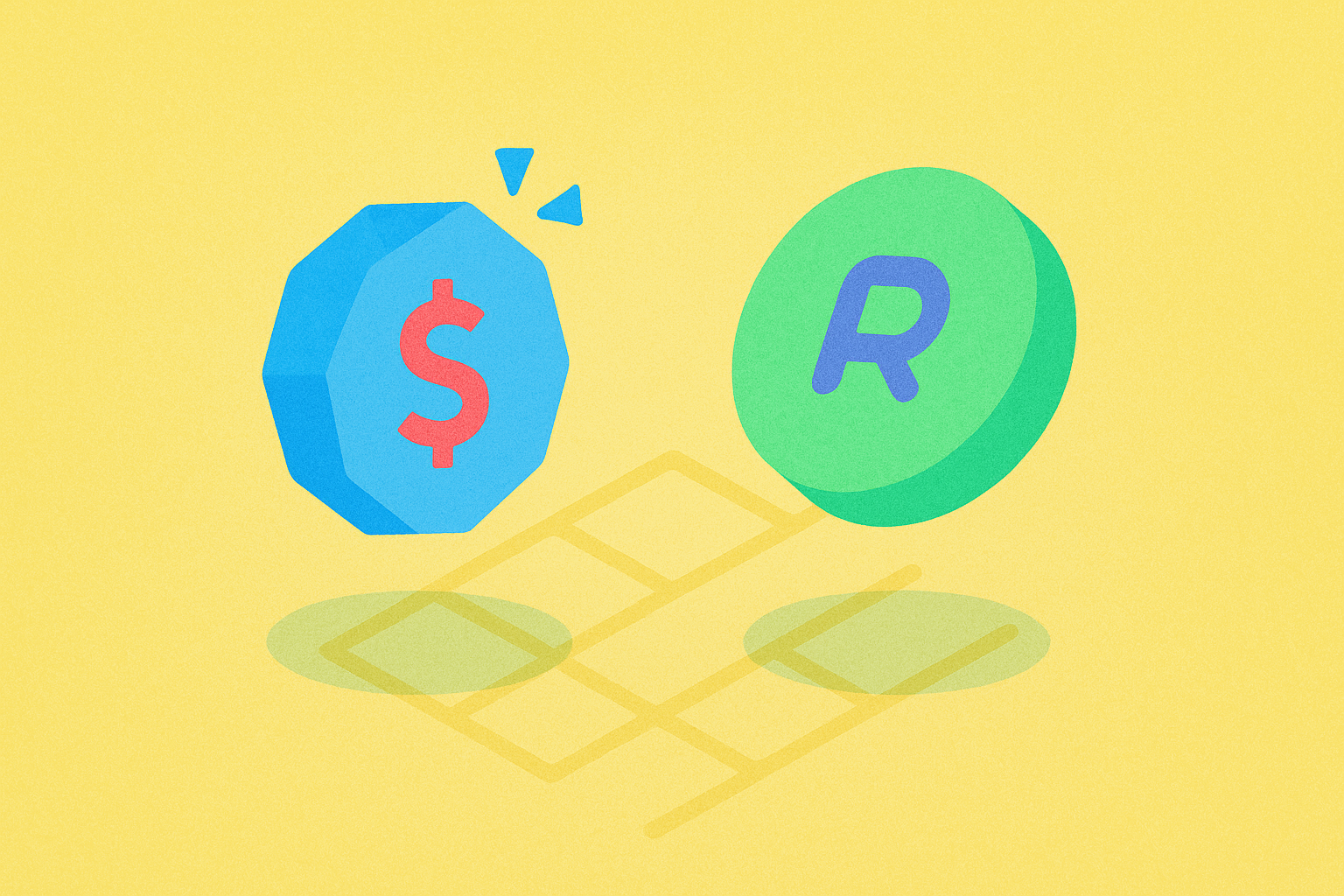
$DEGEN and $REGEN tokens represent the journey from risk-taking to responsible engagement in Web3 communities. $DEGEN is typically linked to speculative investments or tokens tied to high-risk activities, reflecting the early, experimental phase.
By contrast, $REGEN signals a commitment to sustainability, resilience, and ethical practices in decentralized ecosystems. $REGEN holders support community governance, decentralized decision-making, and initiatives that prioritize long-term value creation over short-term profits.
These tokens are cultural markers in Web3, each embodying a distinct engagement philosophy. $DEGEN celebrates entrepreneurial risk, while $REGEN emphasizes shared responsibility, positive social impact, and sustainable infrastructure. This contrast highlights the diversity of strategies and values within the Web3 space.
A Pathway and Evolution
The evolution from degen to regen captures how participants mature and refine their roles in Web3. Degens start by exploring new frontiers and testing innovative ideas; becoming a regen means committing to ethical behavior, community stewardship, and advancing decentralized technologies.
As Web3 develops, the distinction between degens and regens underscores the need for responsible involvement, collective empowerment, and sustainable growth in DAOs and decentralized communities. By adopting regen principles, participants reduce risks and help build a more resilient, inclusive Web3 ecosystem.
This shift is key to a future where decentralized technologies thrive sustainably, benefiting individuals and communities alike. Moving from degen to regen isn’t just a personal change—it’s a collective step forward for the entire Web3 ecosystem, reflecting shared lessons, more responsible practices, and the creation of a stronger, fairer decentralized environment for future generations.
FAQ
What Are Degens and Regens in the Web3 Ecosystem?
A degen is an aggressive trader who pursues high-risk, rapid gains. A regen is a thoughtful investor focused on regenerating the Web3 ecosystem through responsible, sustainable projects.
How Do You Integrate Web3 into Daily Life Responsibly?
Start by learning the essentials (wallets, self-custody, security). Use simple Web3 apps (DeFi, NFTs) with small amounts. Diversify assets, safeguard private keys, and stay up to date on market trends for steady progress.
What Are the Main Degen Investment Risks and How Can You Avoid Them?
Major risks include extreme volatility, fraud, and poor liquidity. Avoid them by diversifying your portfolio, conducting in-depth research before investing, only risking what you can afford to lose, and using strategic stop-losses.
Which Web3 Apps Are Most Useful for Everyday Life (Wallets, DeFi, NFTs)?
Wallets keep digital assets safe. DeFi enables returns through staking and lending. NFTs provide digital ownership and authentication. Together, these pillars are transforming day-to-day financial interactions.
How Do You Shift from a Degen (Speculative) Mindset to a Regen (Sustainable) Approach?
Move from short-term speculation to projects with long-term impact. Diversify into sustainable protocols, regenerative DAOs, and circular economies. Focus on education, participatory governance, and steady returns over quick profits. Invest in your Web3 community.
What Is Decentralized Finance (DeFi) and How Can You Use It Securely?
DeFi offers financial services via blockchain without intermediaries. Use secure wallets, verify smart contracts, diversify assets, and start small to master risks before investing larger amounts.
Which Crypto Wallet Is Best for Getting Started in Web3?
For beginners, choose a self-custodial wallet such as MetaMask or Trust Wallet for maximum security and control. These wallets are user-friendly and support major blockchain networks. Always confirm compatibility with your needs.
How Do You Spot and Avoid Scams and Fraud in Web3?
Check team legitimacy, review security audits, analyze tokenomics and liquidity, avoid unrealistic promises, verify smart contracts on block explorers, and join trusted communities before investing.

Top Decentralized Platforms for Cryptocurrency Trading

Understanding Soulbound Tokens: A Comprehensive Guide

Mastering Decentralized Trading: A Comprehensive Guide to Using Uniswap
Exploring Leading Decentralized Trading Platforms

Exploring the Mechanics of Fractional NFT Trading

Understanding Fractional NFTs: A Comprehensive Guide

MPC Wallet: Experience a new level of secure and seamless crypto asset management
Roam Listing Details: Launch Date, Price Predictions, and How to Buy $ROAM

DePIN: Hardware Set to Transform Web3
MACD指標是什麼?

Bitget Wallet Valued at $300 Million After Investment from Mainstream Exchange, Boasts 10 Million Users