
fomox
MarketsPerpsSpotSwap
Meme
Referral
More
Become a Smart Money on Tracker
Search Token/Wallet
/

Fundamentals of the Blockchain Technology Layer

2025-10-30 09:08:36
Blockchain
Crypto Ecosystem
Layer 2
Web 3.0
Zero-Knowledge Proof
Article Rating : 4
0 ratings
Discover the core Layer 0 protocols in blockchain, their benefits, how they differ from Layer 1, and what they mean for the future of cryptocurrencies. This article guides crypto enthusiasts, developers, and investors through the latest technological advancements in Web3. Find out about the setup and innovations driving Layer 0 protocols.
Fundamentals of the Blockchain Technology Layer

Understanding Layer-0: Redefining Blockchains with Mainchains and Sidechains

Blockchain at a Glance

A blockchain is a public digital ledger of transactions, distributed and secured by cryptography. It comprises five essential layers: infrastructure, data, network, consensus, and application. Each layer fulfills distinct roles to ensure the blockchain functions efficiently.

Understanding Blockchain Protocols

Blockchain protocols are categorized as Layer-1, Layer-2, and Layer-0. Layer-1 refers to foundational blockchains like leading cryptocurrencies that handle transactions and maintain network security. Layer-2 encompasses scaling solutions built atop Layer-1. Layer-0 is the infrastructure that enables the creation of entire Layer-1 blockchains.

How Layer-0 Works

Layer-0 protocols leverage an architecture featuring a mainchain and sidechains. The mainchain facilitates data transfer among multiple Layer-1s constructed on Layer-0. Sidechains are specialized Layer-1 blockchains connected to the mainchain. Interoperability protocols enable seamless data exchange between Layer-1s.

Benefits of Layer-0 Blockchain Protocols

Layer-0 offers superior scalability, customizable solutions to address specific requirements, and encourages innovation through its modular design.

Layer-0 vs. Layer-1: Key Differences

While both aim to advance blockchain technology, Layer-0 and Layer-1 differ fundamentally in their core purposes, scalability strategies, and architectural flexibility.

Notable Layer-0 Examples

Leading Layer-0 protocols include a range of projects, each presenting unique features and ecosystem-building approaches for interconnected blockchains.

Conclusion

Layer-0 protocols mark a paradigm shift in blockchain design and development. By overcoming the scalability and interoperability limitations of many current Layer-1 chains, Layer-0 protocols provide the groundwork for a more dynamic, interconnected blockchain environment. This creates opportunities for customizable Layer-1 chains built on Layer-0 to meet specialized needs and drive the evolution of integrated blockchain networks.

FAQ

What is Layer 0?

Layer 0 is the foundational network infrastructure underlying blockchains, enabling seamless connectivity and scalability. It supports blockchain businesses and decentralized applications (dApps), facilitates data validation, and enables crypto asset issuance.

What is LayerZero?

LayerZero is an open protocol designed for secure cross-chain communication, allowing decentralized applications to interact across different blockchain networks. It leverages token standards for secure asset transfers and supports a wide range of blockchain ecosystems.

What is the Layer 0 Problem?

The Layer 0 problem addresses critical protocol-level challenges in blockchain networks, focusing on ensuring interoperability and reliable connections between distinct blockchains.

Is Layer 0 Superior to Layer 1?

Layer 0 and Layer 1 serve complementary roles. Layer 0 establishes the foundational infrastructure, while Layer 1 delivers primary blockchain functionalities. The optimal choice depends on the project's specific objectives.

* The information is not intended to be and does not constitute financial advice or any other recommendation of any sort offered or endorsed by Gate.

Share

Content

Blockchain at a Glance

Understanding Blockchain Protocols

How Layer-0 Works

Benefits of Layer-0 Blockchain Protocols

Layer-0 vs. Layer-1: Key Differences

Notable Layer-0 Examples

Conclusion

FAQ

Related Articles
Addressing Blockchain Scalability: Solutions to the Trilemma

Addressing Blockchain Scalability: Solutions to the Trilemma

This article delves into the Blockchain Trilemma, addressing the challenge of achieving decentralization, security, and scalability in blockchain systems. It highlights the implications and trade-offs of prioritizing these core components and explores potential solutions like Layer 2 protocols, sharding, and innovative consensus mechanisms. Ideal for blockchain enthusiasts and developers, the content provides insights into balancing the trilemma for the technology's broader adoption. The structured analysis outlines each element's significance and the importance of achieving equilibrium for unlocking blockchain's potential across industries.
2025-11-22 07:58:47
Polygon Network Evolution: Discover the Features of the Latest Upgrade

Polygon Network Evolution: Discover the Features of the Latest Upgrade

Discover the transformative upgrade of Polygon 2.0, a game-changing platform enhancing blockchain scalability, security, and interoperability through zero-knowledge rollups. Uncover how this upgrade surpasses Ethereum’s current limitations, offering seamless cross-chain asset transfers and maintaining EVM compatibility. Learn about the Matic to POL token transition and innovations like AggLayer, which unify blockchains into a cohesive network. Explore the role of the Polygon community and the advanced technology driving this ecosystem's growth. Ideal for developers and Web3 enthusiasts aiming to leverage improved blockchain solutions.
2025-11-24 08:30:28
Solving the Blockchain Scalability Puzzle: Overcoming Efficiency Challenges

Solving the Blockchain Scalability Puzzle: Overcoming Efficiency Challenges

Discover how the Blockchain Trilemma affects decentralization, security, and scalability. Explore solutions like Layer 2 protocols, sharding, and new consensus mechanisms to tackle these challenges. This guide is essential for blockchain developers, researchers, and enthusiasts looking to balance these critical components. With insights on current strategies and ongoing innovations, readers will understand how achieving the right balance can unlock blockchain’s full potential. Key discussion points include analysis of proposed solutions and the importance of maintaining network integrity.
2025-11-26 05:32:42
Fraud Proof: Understanding Fraud Prevention in the Digital Era

Fraud Proof: Understanding Fraud Prevention in the Digital Era

# Introduction Fraud Proof mechanisms are cryptographic systems essential for protecting digital transactions and ensuring blockchain integrity. This article examines how Fraud Proof technology prevents fraudulent activities through decentralized verification, smart contracts, and advanced security protocols. Designed for crypto investors, digital platform users, and enterprises, it addresses critical security concerns in today's digital economy. The guide explores blockchain-based fraud prevention, AI/ML detection systems, biometric authentication, and real-world implementations on platforms like Gate. From transaction verification to identity protection, this comprehensive overview equips readers with knowledge on establishing robust, multi-layered fraud defense systems that maintain trust and security across financial and technology sectors.
2026-01-02 00:09:15
Understanding the Scalability Challenges in Solving the Blockchain Trilemma
Understanding the Scalability Challenges in Solving the Blockchain Trilemma

This article delves into the Blockchain Trilemma, exploring its core components: decentralization, security, and scalability. It analyzes current challenges and highlights potential solutions like layer 2 protocols, sharding, and new consensus mechanisms. Readers will gain insights into the trade-offs and efforts required to advance blockchain scalability while maintaining security and decentralization. The guide serves blockchain developers, enthusiasts, and industry stakeholders looking to understand and tackle these pressing issues. Key terms are emphasized for quick comprehension of the blockchain ecosystem's development hurdles and solutions.
2025-10-31 09:38:47
What is Succinct Prover Network? Complete Guide to PROVE Token and ZK Infrastructure
What is Succinct Prover Network? Complete Guide to PROVE Token and ZK Infrastructure

# Succinct Prover Networks: An Overview in the Web3 Landscape **Article Introduction:** The Succinct Prover Network revolutionizes zero-knowledge proof generation through a decentralized global protocol, eliminating computational bottlenecks that plagued centralized infrastructure. This comprehensive guide addresses scalability challenges in blockchain systems, fragmented proof infrastructure, and verification centralization by introducing SP1 zkVM and innovative proof contests. Designed for blockchain developers, PROVE token investors, and Web3 enthusiasts, the article explores real-world applications spanning ZK rollups, cross-chain bridges, AI verification, and privacy systems. Discover how PROVE's fixed 1-billion token supply powers payments, staking, and governance while creating efficient, cost-competitive proving markets. Learn why Succinct's general-purpose architecture and decentralized design outperform traditional alternatives, positioning it as foundational infrastructure for the emerging era of
2026-01-02 14:07:18
Recommended for You
What Is the Best Time for Crypto Trading in India? A Complete Guide
What Is the Best Time for Crypto Trading in India? A Complete Guide

Cryptocurrency trading operates 24/7, but optimal timing significantly impacts execution quality and profitability for Indian traders. This comprehensive guide reveals that the 6 PM to 1 AM IST window—capturing the Europe-US market overlap—delivers peak liquidity, tighter spreads, and cleaner technical setups ideal for day traders and scalpers. The article breaks down how global sessions influence crypto markets across Asia, Europe, and the United States, then maps these patterns to IST for Indian traders' advantage. Different strategies require different conditions: day traders benefit from high-volatility evening windows, swing traders can extend hours for multi-hour trends, while long-term investors employ dollar-cost averaging regardless of timing. The guide debunks common myths about 24/7 trading superiority and provides actionable insights on using Gate exchange, volume indicators, and volatility tools to optimize entry and exit points. Success depends on matching trading hours to your personal risk tol
2026-01-13 07:03:48
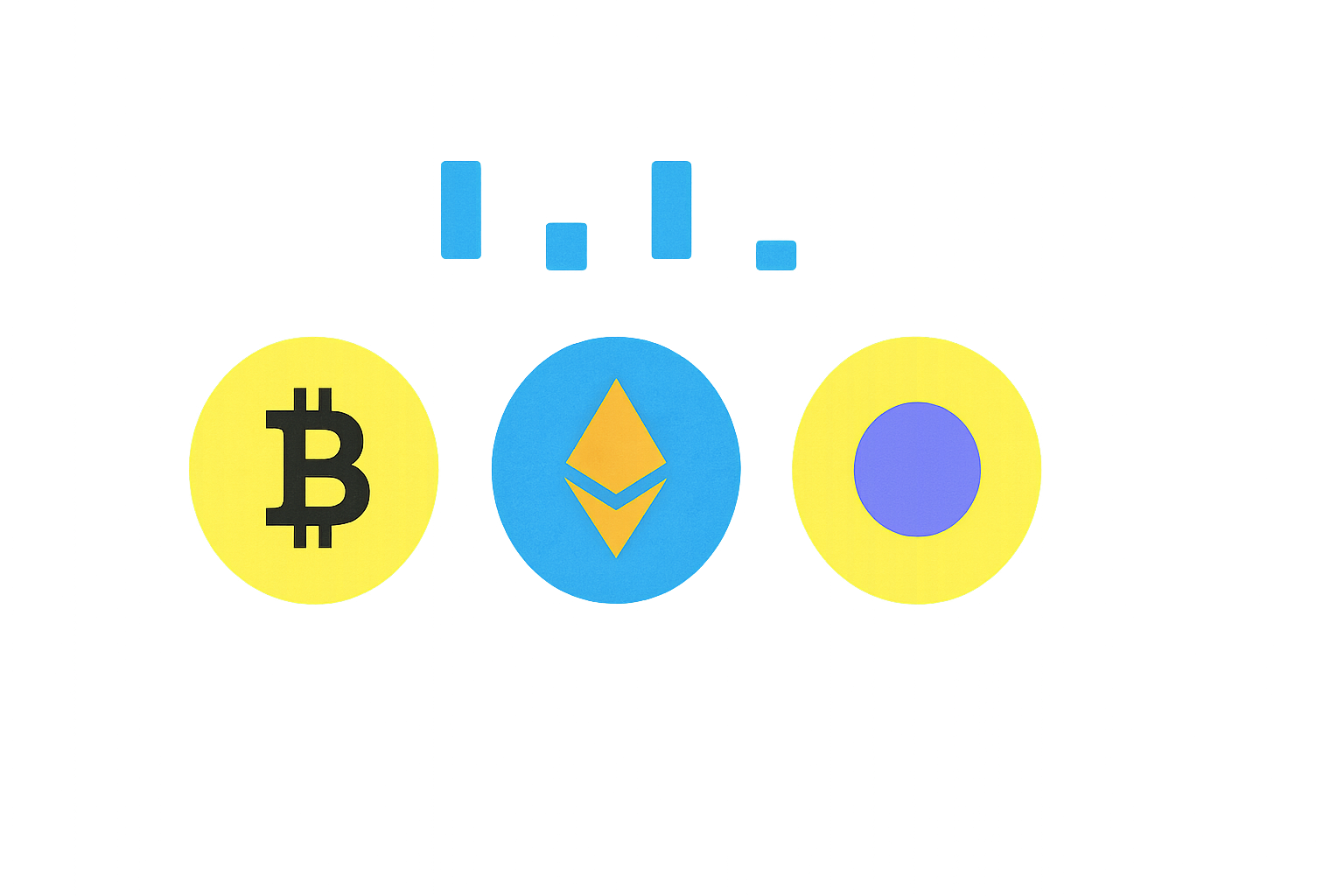
How does WEMIX compare to competing blockchain platforms in market share and transaction fees?
How does WEMIX compare to competing blockchain platforms in market share and transaction fees?

This article provides a comprehensive comparison of WEMIX against leading blockchain platforms including Ethereum, Solana, and Polygon, focusing on market share positioning and transaction fee structures. WEMIX demonstrates significant competitive advantages through its SPoA consensus mechanism, delivering faster transaction finality and lower fees comparable to Solana and Polygon while maintaining superior decentralization through its 40 Node Council Partners governance model. The platform differentiates itself via advanced zk-rollup technology and cross-chain interoperability capabilities, enabling seamless multi-blockchain operations. Current market analysis reveals WEMIX holds 0.0062% market dominance with steady ecosystem growth, including 23% active address expansion in Q4 2025. Ideal for developers and users seeking cost-efficient, high-throughput blockchain infrastructure, particularly in gaming and DeFi applications, WEMIX positions itself as a comprehensive alternative to isolated network solutions
2026-01-13 07:02:05
How do macroeconomic factors and Fed policy impact cryptocurrency prices in 2026?

How do macroeconomic factors and Fed policy impact cryptocurrency prices in 2026?

This article examines how macroeconomic factors and Federal Reserve policy shape cryptocurrency valuations in 2026. It analyzes three primary transmission channels: Fed interest rate adjustments and quantitative measures that enhance market liquidity and reduce borrowing costs; inflation data and USD strength dynamics that create real-time price correlations; and traditional market volatility spillovers from S&P 500 and gold fluctuations that serve as predictive indicators. The piece demonstrates that the Fed's January 2026 rate pause and December 2025 quantitative tightening reversal have created supportive conditions for digital assets. Through comprehensive FAQ analysis, it equips investors and traders with practical frameworks for understanding how monetary policy shifts, inflation trends, and macroeconomic cycles directly influence Bitcoin, Ethereum, and broader crypto market performance on Gate and other major platforms throughout 2026.
2026-01-13 06:57:29
What is Cryptocurrency Compliance and Regulatory Risk: A Complete Guide to SEC Regulations, Audit Transparency, and KYC/AML Policies
What is Cryptocurrency Compliance and Regulatory Risk: A Complete Guide to SEC Regulations, Audit Transparency, and KYC/AML Policies

This comprehensive guide explores cryptocurrency compliance and regulatory risk across three critical domains. The article examines the SEC regulatory framework governing securities compliance, demonstrating how enforcement patterns have shifted toward fraud-focused oversight rather than aggressive digital asset regulation. It identifies audit transparency gaps as a major compliance vulnerability for crypto platforms, highlighting custody and disclosure deficiencies that trigger regulatory scrutiny and substantial penalties. The guide details KYC/AML implementation challenges that exchanges face, emphasizing how compliance failures directly impact market stability and operational viability. Through practical insights and regulatory analysis, this resource equips cryptocurrency platforms and projects with essential knowledge to navigate SEC requirements, establish robust audit practices, and implement effective KYC/AML policies—ensuring sustainable compliance and long-term market credibility in an increasingly
2026-01-13 06:53:23
What is WeFi (WFI) market overview: price, market cap, trading volume and liquidity in 2026

What is WeFi (WFI) market overview: price, market cap, trading volume and liquidity in 2026

WeFi (WFI) is a decentralized finance token trading at $2.66 with a market capitalization of $203.58 million and a global ranking of #5397. The token demonstrates solid market fundamentals with $1.97 million in 24-hour trading volume across major exchanges including Gate, supported by 75.29 million circulating tokens against a 1 billion maximum supply cap. WeFi's controlled tokenomics and moderate distribution strategy reduce selling pressure while maintaining adequate liquidity for traders. With 135% gains over the past 90 days, WeFi showcases strong investor confidence in its DeFi infrastructure positioned on BNB Smart Chain. This article provides a comprehensive overview of WeFi's price performance, market positioning, and tokenomics structure for investors evaluating cryptocurrency opportunities.
2026-01-13 06:51:04
How does on-chain data analysis reveal Virtuals Protocol's market potential in 2025?

How does on-chain data analysis reveal Virtuals Protocol's market potential in 2025?

This article leverages on-chain data analysis to assess Virtuals Protocol's market potential throughout 2025. By examining active addresses, transaction volumes, and whale concentration patterns, the analysis reveals genuine ecosystem adoption beyond speculative trading. Key metrics include the $770 million trading volume surge, 38 million cumulative interactions, and $135.5 million daily capital inflow, demonstrating substantial protocol utilization. The article explores how whale accumulation signals institutional confidence while network fee dynamics reflect growing demand for decentralized AI agent infrastructure. These verifiable on-chain indicators transform narrative claims into measurable proof of Virtuals Protocol's positioning within the emerging $52 billion AI agent economy. Readers will gain concrete frameworks for evaluating ecosystem health, understanding adoption trajectories, and assessing long-term viability through quantifiable blockchain metrics.
2026-01-13 06:49:13