Future of XRP in the Cryptocurrency Market
The Current State of XRP
XRP has witnessed significant market movements in recent times, with notable gains attributed to positive regulatory developments. The resolution of legal issues with the SEC has helped clear uncertainty surrounding its regulatory status. Despite this positive momentum, the long-term value and utility of XRP remain important considerations for investors and analysts examining the digital asset landscape.
Bank Adoption and RippleNet
The primary value proposition for XRP has been its association with Ripple and its financial products, particularly RippleNet. RippleNet has been engineered to offer fast and cost-effective cross-border payment solutions for financial institutions. However, a critical consideration is that banks can fully utilize RippleNet's infrastructure without necessarily using XRP as the settlement asset. Instead, they can continue using traditional currencies or other digital assets, which may limit the direct impact on XRP's demand and market value.
While Ripple's On-Demand Liquidity (ODL) service does utilize XRP as a bridge currency for facilitating liquidity transfers, its current adoption patterns show greater prevalence among smaller financial institutions where liquidity provision is a critical operational factor. The major banks and financial institutions, whose adoption could significantly amplify XRP's market penetration and utility, remain cautious about integrating XRP into their payment infrastructure.
The Impact of a Ripple-Issued Stablecoin
Ripple's exploration into the stablecoin market, particularly with its proposed RLUSD (Ripple USD), introduces additional complexity to XRP's future ecosystem. The development of a stablecoin by Ripple could potentially reshape the dynamics of its payment network. If Ripple's stablecoin is adopted as the preferred bridge asset in place of XRP within ODL transactions, this could significantly diminish the demand for XRP as a settlement mechanism, even if the broader network experiences increased usage and adoption among financial institutions.
Investment Considerations for XRP
Given the evolving trends and potential developments in the cryptocurrency and blockchain sectors, investors should approach XRP with careful consideration. Multiple factors could substantially influence XRP's future trajectory, including regulatory shifts, competitive pressures from alternative cryptocurrencies and payment solutions, and strategic decisions made by Ripple regarding product development and market positioning.
Before considering an investment in XRP, it is advisable to conduct comprehensive analysis that extends beyond immediate price movements. A balanced investment strategy requires examining broader market dynamics, comparing XRP's performance and potential against competing cryptocurrencies and financial technologies, and assessing the regulatory environment in key markets.
Long-Term Outlook and Market Trends
Looking toward the coming decades, the cryptocurrency and blockchain landscape is expected to undergo substantial transformation. The integration of blockchain technology into traditional financial systems is anticipated to mature significantly, with established leaders, standardized practices, and clear regulatory frameworks likely emerging. In this evolved environment, XRP's role will depend heavily on Ripple's strategic decisions, technological innovations, and the overall market's structural development.
The trajectory for XRP presents a balanced scenario with potential outcomes ranging from becoming an important settlement asset in global finance to serving as a cautionary example of regulatory and competitive challenges in the cryptocurrency space. Strategic management, technological adaptation, and market responsiveness will play pivotal roles in determining which outcome materializes.
For investors considering XRP as part of their portfolio, maintaining awareness of ongoing developments in the cryptocurrency sector, monitoring Ripple's product innovations, and staying responsive to market trends remains essential. Investment decisions should be grounded in thorough research and a clear understanding of both the opportunities and risks associated with this digital asset.
FAQ
Does XRP really have a future?
Yes, XRP has strong future potential. As Ripple's native token, it powers cross-border payments and has growing institutional adoption. With expanding use cases in global finance and increasing blockchain integration, XRP is well-positioned for long-term growth in the cryptocurrency market.
How much will 1 XRP be worth in the future?
XRP's future value depends on adoption, regulatory clarity, and market dynamics. Industry analysts project potential growth to $5-10 by 2030, driven by institutional adoption and cross-border payments expansion.
Will XRP go big in 2025?
XRP shows strong potential in 2025 with increased institutional adoption, regulatory clarity, and expanding use cases in cross-border payments. Market momentum and technological developments suggest significant growth opportunities ahead.
Will XRP hit 100% prediction?
XRP has strong potential to achieve significant gains. With increasing institutional adoption, improved regulatory clarity, and expanding use cases in cross-border payments, XRP could see substantial price appreciation. Market momentum and growing demand suggest reaching and exceeding 100% gains is realistic within the coming years.
What is XRP and what problem does it solve in the cryptocurrency market?
XRP is a digital asset enabling fast, low-cost cross-border payments. It solves liquidity challenges in international settlements by providing instant transaction finality and reducing intermediary costs compared to traditional banking systems.
What are the main risks and challenges facing XRP's future adoption?
XRP faces regulatory uncertainty, competition from other cryptocurrencies, limited merchant acceptance, and volatility concerns. However, Ripple's institutional partnerships and blockchain infrastructure continue strengthening XRP's market position for future growth.
How does XRP compare to other cryptocurrencies like Bitcoin and Ethereum?
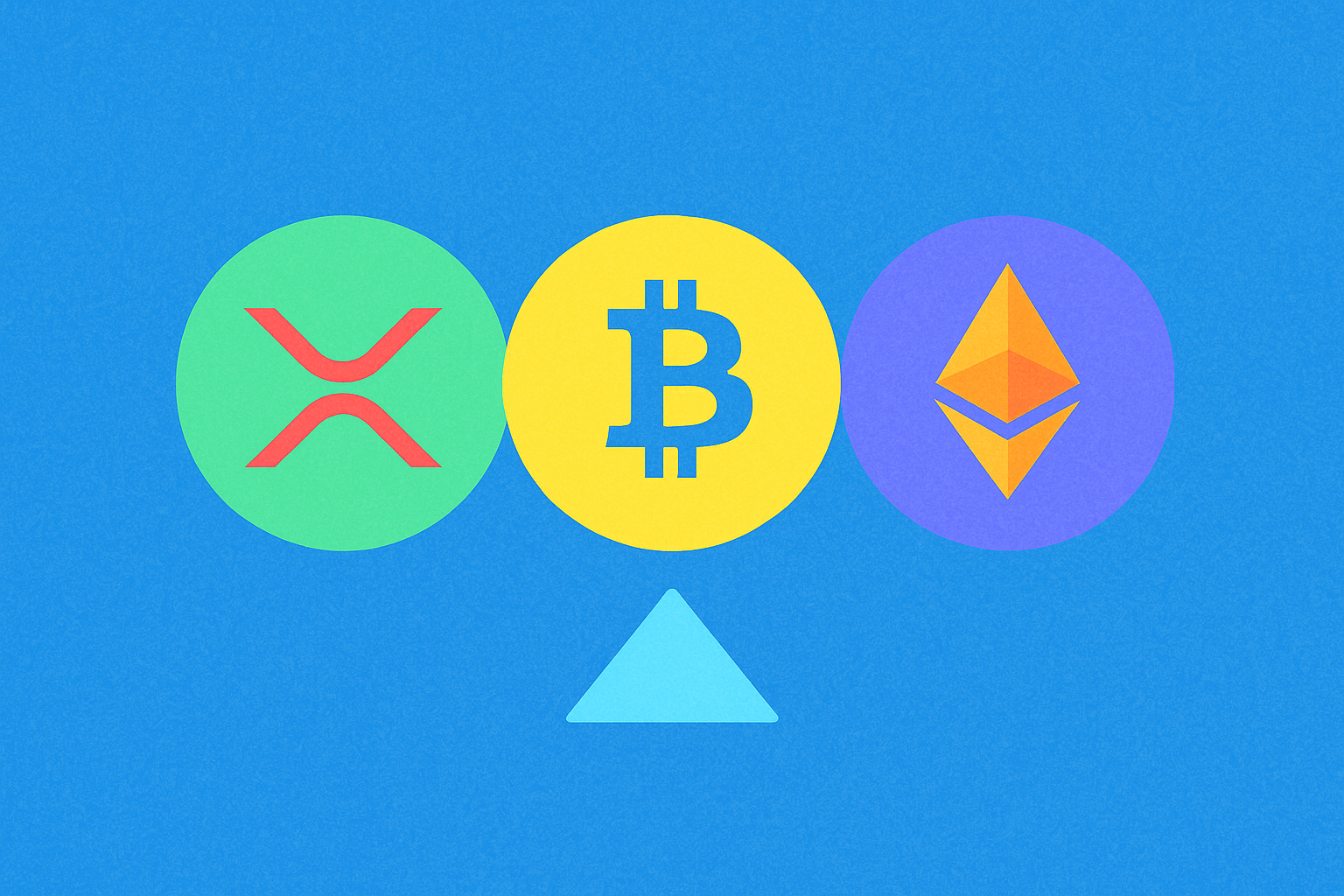
XRP offers faster transaction speeds and lower costs than Bitcoin and Ethereum. While Bitcoin serves as digital gold and Ethereum enables smart contracts, XRP focuses on efficient cross-border payments. Each serves distinct purposes in the crypto ecosystem with different technological approaches and use cases.
Future of XRP in the Cryptocurrency Market

How to Conduct a Comprehensive Fundamental Analysis of Crypto Projects in 2025?
Understanding Tokenomics in Cryptocurrency

What Is Stellar (XLM) and How Does Its Consensus Protocol Work?

XRP Tokenomics

What is XLM's regulatory compliance risk amid SEC oversight in 2025?

How Does the Introduction of El Monstruo Impact Crypto?
How Much Bitcoin to Be in Top 10 Percent
If I Make $74,000 a Year What Is That Hourly?

Trading 101: How to Combine MACD and RSI Indicators for Effective Cryptocurrency Trading
Bitcoin's All-Time High Price: A Comprehensive Analysis