LCP_hide_placeholder
fomox
MarketsPerpsSpotSwap
Meme
Referral
More
Become a Smart Money on Tracker
Search Token/Wallet
/

How Much Bitcoin Does BlackRock Own: Latest Data & Insights

2026-01-14 07:22:46
Bitcoin
ETF
Investing In Crypto
Article Rating : 4
25 ratings
This comprehensive analysis examines BlackRock's significant institutional Bitcoin investment through its iShares Bitcoin Trust (IBIT), which holds approximately 274,462 BTC. As the world's largest asset manager, BlackRock's entry into Bitcoin legitimizes digital assets within traditional finance. The article explores the fund's transparent holdings, strong trading volumes exceeding $500 million daily, and its crucial role in catalyzing institutional adoption. Key sections cover why these holdings matter for market sentiment and investor decision-making, institutional adoption trends showing over $60 billion in U.S. spot Bitcoin ETF assets, and important misconceptions about direct versus custodial Bitcoin ownership. The guide addresses common investor concerns, risk considerations including regulatory evolution, and provides practical insights into how platform trading solutions like Gate support institutional participation in Bitcoin markets. Ideal for investors seeking to understand institutional Bitcoin d
How Much Bitcoin Does BlackRock Own: Latest Data & Insights

BlackRock's Bitcoin Holdings: Latest Verified Numbers

In recent periods, according to public SEC filings and on-chain data, BlackRock's iShares Bitcoin Trust (IBIT) holds approximately 274,462 BTC. This figure was reported by Bitget Research and corroborated by multiple blockchain analytics platforms, demonstrating the transparency and reliability of institutional Bitcoin holdings tracking. image_url
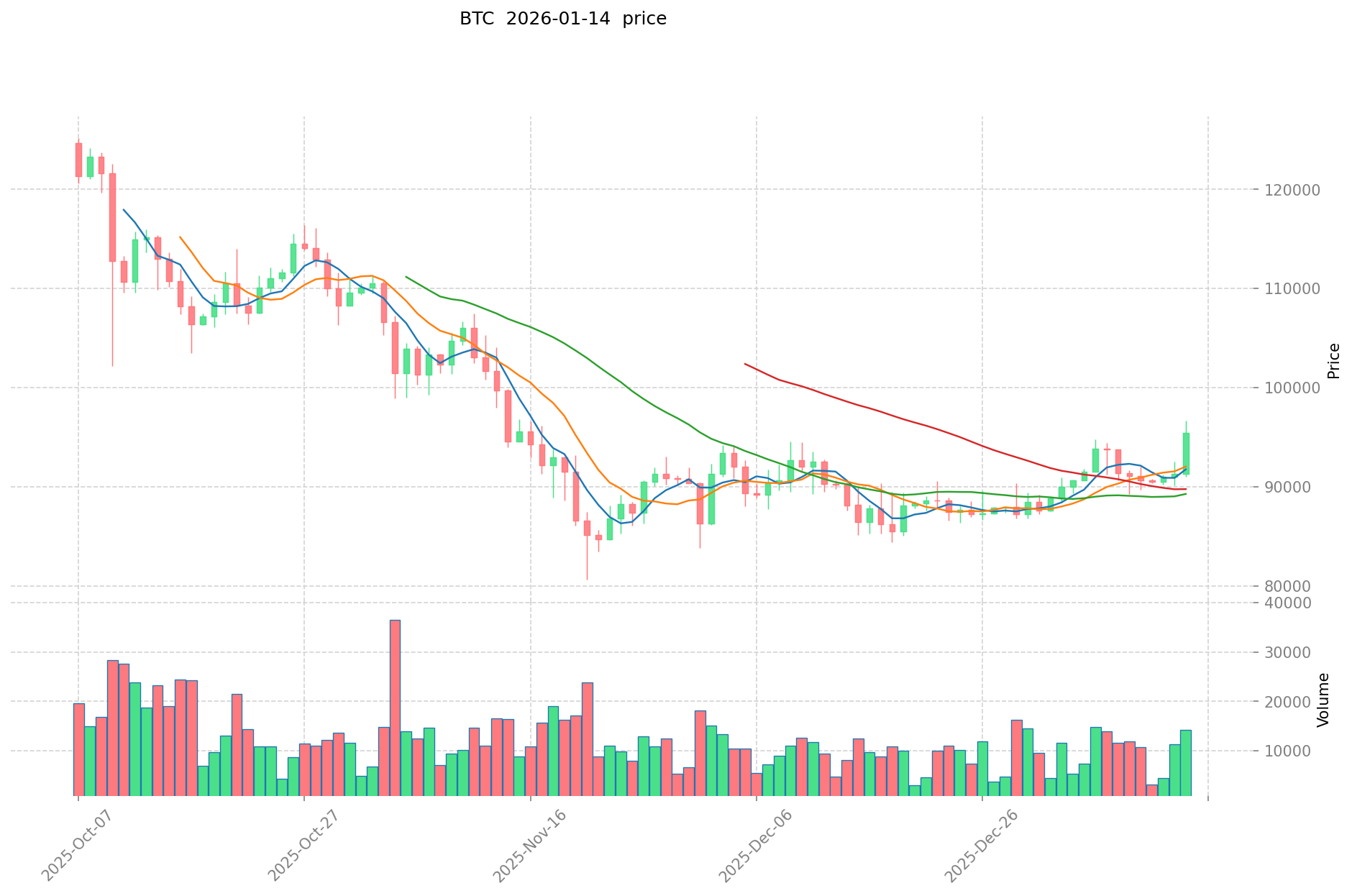
The total value of these holdings fluctuates with Bitcoin's market price movements. To put this into perspective, this substantial amount represents one of the largest institutional Bitcoin positions in the traditional finance sector. BlackRock's Bitcoin exposure comes primarily through its spot Bitcoin Exchange-Traded Fund (ETF), which launched in early 2024 and quickly gained significant market traction.

Since its inception, IBIT has consistently ranked among the top spot Bitcoin ETFs by both holdings volume and daily trading activity. The fund frequently records daily trading volumes exceeding $500 million, indicating strong institutional and retail investor interest. This level of activity demonstrates the growing acceptance of Bitcoin as a legitimate asset class within traditional investment portfolios.

The transparency of BlackRock's holdings is maintained through regular reporting to regulatory bodies and public disclosure of on-chain wallet addresses. This allows market participants to independently verify the fund's Bitcoin reserves, adding an extra layer of trust and accountability that was previously uncommon in the cryptocurrency space.

Why BlackRock's Bitcoin Holdings Matter

BlackRock's entry into the Bitcoin market represents a watershed moment for institutional adoption of digital assets. As the world's largest asset manager with trillions of dollars in assets under management, BlackRock's involvement brings unprecedented legitimacy and visibility to Bitcoin. Their participation signals a fundamental shift in how traditional financial institutions view cryptocurrency investments.

For retail and institutional investors alike, understanding the scale of BlackRock's Bitcoin holdings provides valuable insights into market sentiment and potential price dynamics. When a major asset manager accumulates significant Bitcoin positions, it can influence various market factors including liquidity depth, price volatility patterns, and even regulatory perspectives on Bitcoin as an investable asset class.

The presence of institutional players like BlackRock also tends to attract additional capital from other traditional finance entities. This creates a positive feedback loop where institutional adoption begets more institutional interest, potentially leading to increased market stability and maturity. Furthermore, BlackRock's rigorous due diligence and risk management processes lend credibility to Bitcoin's value proposition.

Their holdings are transparently reported through regulatory filings, offering a reliable benchmark for measuring institutional participation in the cryptocurrency market. This transparency helps investors make more informed decisions and provides a clearer picture of how traditional finance is integrating with digital assets.

The launch of BlackRock's spot Bitcoin ETF in early 2024 catalyzed a significant wave of institutional interest in cryptocurrency investments. According to Bitget Research, total assets managed by U.S. spot Bitcoin ETFs surpassed $60 billion within months of launch, with BlackRock's IBIT accounting for nearly 30% of that substantial figure. This rapid growth demonstrates the pent-up demand for regulated Bitcoin investment vehicles.

On-chain data analysis reveals a steady increase in large wallet addresses holding significant Bitcoin amounts, indicating that institutional players beyond BlackRock are actively accumulating and holding digital assets. This trend is characterized by longer holding periods and less frequent trading compared to retail investors, suggesting a long-term investment thesis among institutional participants.

The market impact of this institutional adoption extends beyond simple price appreciation. Trading volumes have increased substantially, providing deeper liquidity for all market participants. Open interest in Bitcoin derivatives markets has also grown, reflecting sophisticated hedging strategies employed by institutional investors. These developments contribute to a more mature and efficient Bitcoin market structure.

Additionally, the success of spot Bitcoin ETFs has encouraged other major financial institutions to explore similar products. This competitive dynamic benefits investors through lower fees, improved products, and increased accessibility to Bitcoin exposure through traditional brokerage accounts. The institutional adoption trend appears to be accelerating rather than plateauing.

Common Misconceptions and Risk Considerations

A prevalent misconception is that BlackRock directly owns Bitcoin for its own balance sheet as a corporate investment. In reality, the vast majority of BlackRock's Bitcoin holdings are held on behalf of ETF investors. BlackRock functions as a custodian and fund manager, providing professional asset management services rather than acting as a speculative holder of cryptocurrency for proprietary trading purposes.

It's crucial to understand that ETF shares are backed by actual Bitcoin held in secure custody arrangements, not synthetic derivatives or paper claims. Regular audits and transparent reporting mechanisms ensure that the fund's Bitcoin reserves match its outstanding shares. This structure provides investors with direct economic exposure to Bitcoin price movements while maintaining the convenience and regulatory protections of traditional securities.

While institutional adoption through vehicles like BlackRock's ETF can bring increased market stability and legitimacy, it may also introduce new risk factors. Regulatory scrutiny of large institutional holders could impact market dynamics. Concentration of holdings among a few major institutions might create systemic risks if coordinated selling occurs. Additionally, the regulatory framework for cryptocurrency ETFs continues to evolve, potentially affecting fund operations.

Investors should maintain awareness of these considerations and conduct thorough due diligence before investing. Using secure platforms for trading and custody solutions remains essential, regardless of institutional participation levels. Understanding the distinction between direct Bitcoin ownership and ETF-based exposure helps investors make appropriate allocation decisions based on their individual risk tolerance and investment objectives.

FAQ

How much Bitcoin does BlackRock currently own?

As of June 10, 2025, BlackRock holds over 662,500 Bitcoin, representing more than 3% of total Bitcoin supply, equivalent to approximately $72.4 billion in Bitcoin exposure.

Why does BlackRock invest in Bitcoin?

BlackRock invests in Bitcoin as a new asset class and store of value, offering inflation hedge and portfolio diversification. Bitcoin's limited 21-million supply and growing institutional adoption make it an attractive long-term investment with significant appreciation potential.

How does BlackRock's Bitcoin holdings impact BTC price?

BlackRock's substantial Bitcoin holdings enhance market confidence and liquidity, potentially supporting price stability. However, their concentrated position also raises concerns about market concentration risks and potential volatility from large-scale movements.

What is BlackRock's Bitcoin spot ETF and how has it changed the cryptocurrency market?

BlackRock's Bitcoin spot ETF (ticker: IBIT) has revolutionized crypto markets by enabling institutional investors to access Bitcoin through traditional investment vehicles. This approval significantly increased mainstream adoption, enhanced market liquidity, and legitimized cryptocurrency as an institutional asset class.

How does BlackRock's Bitcoin holdings rank compared to other institutional investors?

BlackRock holds over 300,000 BTC, ranking among top institutional investors. It trails Satoshi Nakamoto and major exchanges, but surpasses Grayscale, MicroStrategy, and Fidelity in Bitcoin ownership volume.

Will BlackRock continue to increase its Bitcoin investment in the future?

Yes, BlackRock will likely continue increasing Bitcoin investments. The company holds over 770,000 BTC as of early 2026, with holdings growing 39% since early 2025. BlackRock's sustained commitment through its ETF products reflects strong institutional demand for Bitcoin exposure.

* The information is not intended to be and does not constitute financial advice or any other recommendation of any sort offered or endorsed by Gate.

Share

Content

BlackRock's Bitcoin Holdings: Latest Verified Numbers

Why BlackRock's Bitcoin Holdings Matter

Common Misconceptions and Risk Considerations

FAQ

Related Articles
How Does On-Chain Data Analysis Reveal Bitcoin Market Trends in 2025?

How Does On-Chain Data Analysis Reveal Bitcoin Market Trends in 2025?

The article explores the significance of Bitcoin's on-chain data analysis to understand market trends in 2025. It examines key metrics like MVRV ratio, active addresses, and transaction volume, highlighting their implications for market dynamics. The discussion covers whale distribution impacts and the correlation of on-chain fees with market performance, providing insights useful for traders and institutional investors. The structured analysis offers a clear understanding of Bitcoin market trends through detailed examination of technical indicators and investor behavior. This content is tailored for financial analysts and cryptocurrency enthusiasts aiming to predict market movements effectively.
2025-12-02 01:03:31
Understanding Crypto ETFs: Simplified Overview

Understanding Crypto ETFs: Simplified Overview

The article "Understanding Crypto ETFs: Simplified Overview" explains how cryptocurrency ETFs bridge the gap between digital and traditional financial markets. It details the mechanics, benefits, and challenges of crypto ETFs, and the implications for investors. This piece is intended for investors looking for regulated ways to gain cryptocurrency exposure without directly owning digital assets. The article is structured to first define ETFs and crypto ETFs, followed by how they work, their pros and cons, notable examples in the market, and concludes with a practical FAQ section. Bulking up keywords like "crypto ETFs," "investment," and "digital assets," it is tailored for quick comprehension.
2025-12-04 07:39:13
An Insight into Institutional Bitcoin Ownership: How Much is Held?

An Insight into Institutional Bitcoin Ownership: How Much is Held?

This article provides an in-depth look at Bitcoin ownership, focusing on major holders including Satoshi Nakamoto, individuals, companies, and countries. It answers questions about who owns the most Bitcoin, details influential companies like MicroStrategy, Tesla, and the U.S. government, and analyzes global cryptocurrency adoption. The article targets readers interested in cryptocurrency trends and institutional ownership, offering insights into the evolving landscape and key players in the Bitcoin ecosystem. Core topics include individual and institutional ownership, regional variations, and future implications for the market.
2025-11-07 07:32:56
Understanding Cryptocurrency ETFs: A Beginner's Guide

Understanding Cryptocurrency ETFs: A Beginner's Guide

This article provides a comprehensive guide to understanding cryptocurrency ETFs, covering their functionality, advantages, and potential drawbacks. It addresses the needs of investors seeking exposure to digital assets via traditional financial channels, eliminating the complexities of direct cryptocurrency ownership. Structured into sections, the piece explains what ETFs are, details crypto ETF operations, explores their pros and cons, and highlights popular examples. Emphasizing keywords like "crypto ETFs," "investment," and "blockchain," it aids quick scanning for those keen on crypto market participation.
2025-12-02 07:06:13
Evaluating the Benefits of Bitcoin and ETFs for Investment

Evaluating the Benefits of Bitcoin and ETFs for Investment

The article examines Bitcoin ETFs as innovative investment tools, differentiating them from direct Bitcoin ownership. It offers insights into Bitcoin ETF's growth and purchasing methods, like via digital wallets. The piece addresses whether to invest in Bitcoin ETFs or Bitcoin based on investor preferences. Key topics include Bitcoin ETF fundamentals, comparisons, pros & cons, and investment strategies. Suitable for investors seeking to enter crypto markets with traditional frameworks. Keywords include Bitcoin ETF, cryptocurrency investment, regulation, Gate, and digital wallets.
2025-11-06 13:19:46
How Does Federal Reserve Policy Impact Crypto Market Volatility?
How Does Federal Reserve Policy Impact Crypto Market Volatility?

The article investigates how Federal Reserve policies influence crypto market volatility, emphasizing their impact on Bitcoin and Ethereum. It explains the connection between interest rate decisions, inflation data, and digital asset movements. Furthermore, it highlights Bitcoin's sensitivity to inflation metrics and S&P 500 correlations as strategic investment insights. Readers will understand how macroeconomic shifts and traditional market dynamics affect cryptocurrency valuations, aiding investors in risk assessment and portfolio allocation.
2025-12-04 01:03:40
Recommended for You
How Long Does USDC Take to Transfer: A Comprehensive Guide
How Long Does USDC Take to Transfer: A Comprehensive Guide

This comprehensive guide explains USDC transfer speeds and durations across major blockchain networks including Ethereum, Solana, Polygon, and Avalanche. USDC, a dollar-backed stablecoin, offers fast and reliable value transfers, but actual speed depends on network selection, gas fees, and congestion levels. Ethereum transfers typically take 1-5 minutes, while Solana completes in under 30 seconds. The article examines key factors influencing transfer duration: blockchain network choice, transaction fees, platform processing times, and security confirmations. It balances speed against cost, providing optimization strategies through network monitoring and appropriate fee selection. Real-world use cases from day trading to merchant payments demonstrate varying speed requirements. Whether prioritizing fast arbitrage execution or economical remittances, users learn to leverage network features effectively, ensuring efficient USDC transfers while maintaining security.
2026-01-14 08:20:53
How to Find Your Bitcoin Address on Cash App
How to Find Your Bitcoin Address on Cash App

This comprehensive guide walks users through locating their Bitcoin address on Cash App, a leading mobile payment platform bridging traditional finance and cryptocurrency. The article explains Bitcoin addresses as unique digital identifiers essential for peer-to-peer transactions, then provides step-by-step instructions for accessing your wallet on Cash App. It covers critical security best practices including address verification, two-factor authentication, and transaction monitoring to prevent irreversible losses. The guide highlights Cash App's user-friendly interface, instant transactions, and integrated financial ecosystem as key advantages. Additionally, it offers essential tips for cryptocurrency users, including enhanced security measures, market awareness, and diversification strategies. Perfect for beginners and experienced users navigating digital assets through Gate or similar platforms.
2026-01-14 08:16:15
When will the final Bitcoin be mined? Full timeline explained

When will the final Bitcoin be mined? Full timeline explained

Discover when the final Bitcoin will be mined—and why this is projected for 2140. Explore a detailed analysis of halving events, emission charts, mining end dates, and the cryptocurrency economy on Gate, tailored for investors and traders.
2026-01-14 08:13:55
What Will Shiba Inu Be Worth in 2030?
What Will Shiba Inu Be Worth in 2030?

This comprehensive article examines Shiba Inu's value potential through 2030 by analyzing five critical drivers: community strength and market demand, adoption rates across payment and DeFi systems, technological advancements including layer-2 solutions like Shibarium, regulatory frameworks across major economies, and overall cryptocurrency sentiment. The article emphasizes that while Shiba Inu's origins as a meme coin remain relevant, its evolution depends on real-world utility development, institutional adoption, and technological improvements. Investors will face both opportunities and risks, with outcomes ranging from substantial gains to significant losses depending on how these factors converge. Success requires sustained community engagement, successful ecosystem development, favorable regulatory conditions, and positive market cycles. The article provides essential context for evaluating Shiba Inu as an investment on Gate or other platforms, stressing the importance of risk assessment, portfolio diver
2026-01-14 08:11:27
How to Sell Crypto on Trust Wallet

How to Sell Crypto on Trust Wallet

This comprehensive guide explains how to securely sell Bitcoin and cryptocurrencies using Trust Wallet, a non-custodial multi-asset wallet supporting thousands of digital tokens. The article walks readers through essential steps including wallet setup, transferring crypto to reputable exchanges like Gate for fiat conversion, and executing sales orders. It covers preparation processes, step-by-step selling procedures, and critical security measures such as enabling two-factor authentication, protecting recovery phrases, and verifying transaction addresses. The guide also addresses common concerns through its FAQ section, helping both beginners and experienced traders confidently manage their digital assets while minimizing risk and maximizing control over their cryptocurrency transactions.
2026-01-14 08:09:07
Is Gold Cheaper in Mexico: Crypto Market Insights

Is Gold Cheaper in Mexico: Crypto Market Insights

This comprehensive article examines gold pricing differences between Mexico and the USA, analyzing how currency fluctuations, taxes, import duties, and local demand patterns influence costs. It explores key factors affecting Mexican gold prices and reveals why production proximity doesn't guarantee lower retail prices due to export-import cycles and distribution markups. The article compares traditional gold markets with blockchain-based alternatives, highlighting transparency advantages and real-time pricing efficiency on crypto exchanges like Gate. It addresses common misconceptions about cheaper Mexican gold while providing practical investment tips for cross-border diversification. The guide helps investors make informed decisions by comparing total costs, considering liquidity needs, and evaluating both physical and tokenized precious metals as complementary portfolio components.
2026-01-14 08:04:38