How to Buy Bitcoin with Account and Routing Number

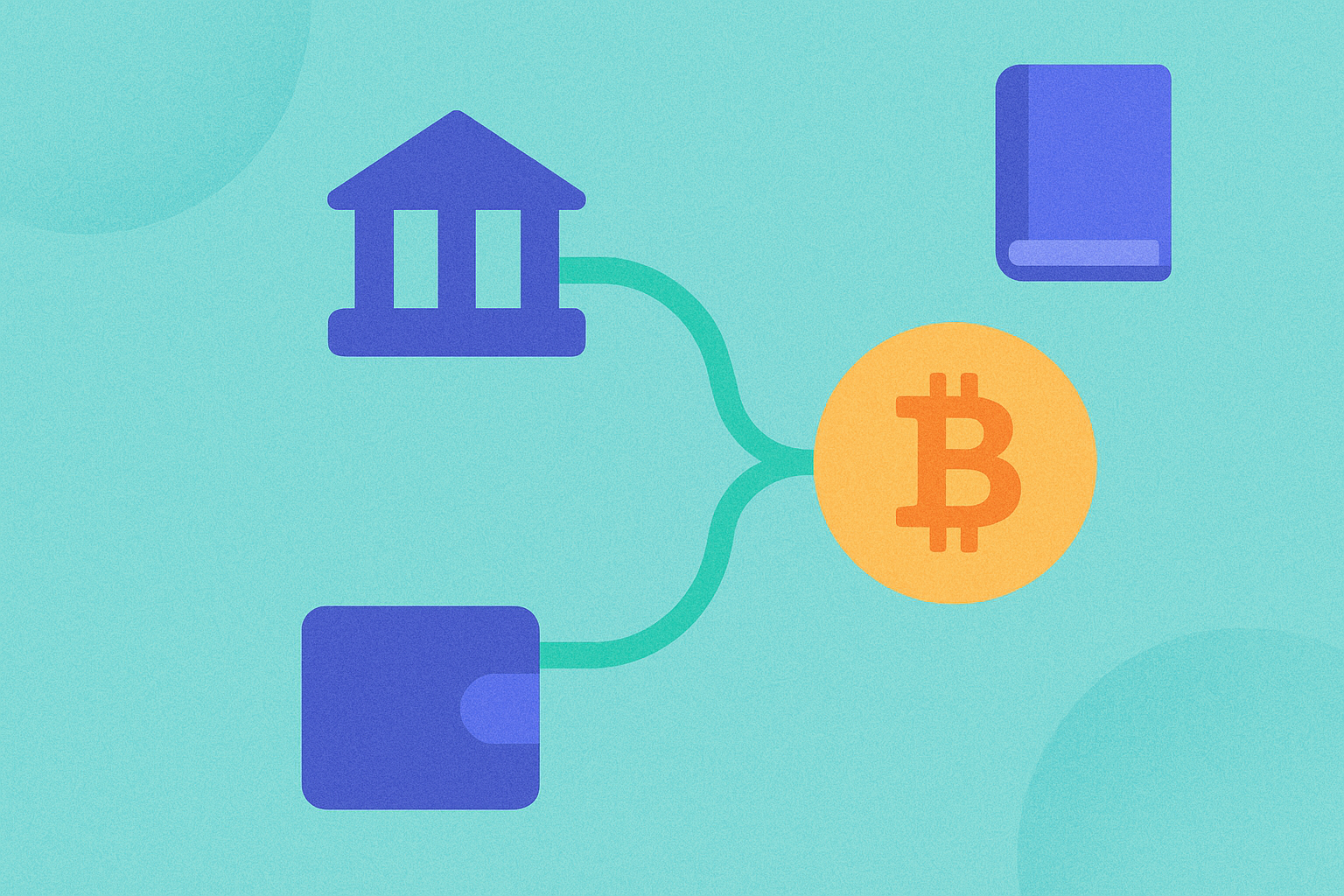
Step 1: Choose a Reliable Exchange Platform
The first and most crucial step in buying Bitcoin with your account and routing number is selecting a trustworthy exchange platform. When evaluating potential platforms, consider several key factors to ensure a secure and efficient purchasing experience.
Look for platforms with a strong reputation in the cryptocurrency community, backed by positive user reviews and a proven track record of security. The platform should offer competitive exchange rates with transparent fee structures, as hidden costs can significantly impact your investment returns. Additionally, verify that the platform supports ACH bank transfers or wire transfers using account and routing numbers, as not all exchanges offer this payment method.
Reputable platforms typically feature robust security measures including two-factor authentication (2FA), cold storage for user funds, and insurance coverage against potential breaches. Some leading cryptocurrency exchanges have established themselves as industry standards, offering user-friendly interfaces suitable for both beginners and experienced traders. Research multiple platforms, compare their features, fees, and security protocols before making your final decision.
Step 2: Create an Account
Once you have selected an appropriate exchange platform, the account creation process begins. This step is essential for establishing your presence on the platform and ensuring compliance with regulatory requirements.
The registration process typically starts with providing your email address and creating a strong, unique password. Security experts recommend using a password manager to generate and store complex passwords that combine uppercase and lowercase letters, numbers, and special characters. After initial registration, you will need to verify your email address through a confirmation link sent to your inbox.
Most reputable platforms require identity verification to comply with Know Your Customer (KYC) and Anti-Money Laundering (AML) regulations. This process usually involves uploading a government-issued photo ID such as a driver's license or passport. Some platforms may also request additional documentation like a utility bill or bank statement to verify your residential address. While this verification process may seem intrusive, it serves to protect both you and the platform from fraudulent activities.
The verification process can take anywhere from a few minutes to several business days, depending on the platform's workload and the complexity of your documentation. During this time, ensure that all submitted documents are clear, legible, and match the information provided during registration to avoid delays.
Step 3: Add Your Bank Account
After successfully creating and verifying your account, the next step involves linking your bank account to the exchange platform. This connection enables you to transfer funds directly from your bank to purchase Bitcoin.
To link your bank account, navigate to the payment methods or funding section of the platform. You will be prompted to provide your bank account number and routing number. The routing number, also known as an ABA routing number, is a nine-digit code that identifies your financial institution, while the account number is unique to your specific bank account.
Before submitting this sensitive information, ensure you are on the legitimate platform website by checking the URL for HTTPS encryption and verifying the security certificate. Double-check both the account and routing numbers for accuracy, as even a single digit error can result in failed transactions or, worse, funds being sent to the wrong account.
Many platforms implement additional security measures during this process, such as making small test deposits (typically less than $1) to your bank account. You will then need to verify these exact amounts within the platform to confirm that you have access to the linked bank account. This micro-deposit verification process usually takes 1-3 business days and serves as an important security checkpoint to prevent unauthorized account linking.
Step 4: Fund Your Account
With your bank account successfully linked and verified, you can now transfer funds to your exchange account. This step involves initiating a bank transfer, commonly known as an ACH transfer or wire transfer, depending on the platform's supported methods.
To fund your account, navigate to the deposit or funding section of the platform and select your linked bank account as the funding source. Enter the amount you wish to deposit, keeping in mind any minimum or maximum deposit limits imposed by the platform. Some exchanges may charge a small fee for bank transfers, typically ranging from $0 to $25, depending on the transfer method and amount.
ACH transfers are generally the most cost-effective option but can take 3-5 business days to process and reflect in your exchange account. Wire transfers, while more expensive, typically complete within 1-2 business days and may be preferable for larger transactions or time-sensitive purchases. Consider your investment timeline and budget when choosing between these options.
After initiating the transfer, you will receive a confirmation notification from both your bank and the exchange platform. Monitor your exchange account balance and email notifications to track the transfer status. Be aware that banks may place holds on large transfers or flag unusual activity, potentially causing delays. If your transfer does not appear within the expected timeframe, contact both your bank and the exchange platform's customer support for assistance.
Step 5: Buy Bitcoin
Once the funds are available in your exchange account, you are ready to purchase Bitcoin. This exciting step transforms your traditional currency into digital assets and marks your entry into cryptocurrency investment.
Navigate to the trading or buy/sell section of the platform, where you will typically find options to purchase Bitcoin using your deposited funds. Most platforms offer two primary order types: market orders and limit orders. A market order executes immediately at the current market price, providing quick acquisition but potentially less favorable pricing during volatile periods. A limit order allows you to specify the exact price at which you want to buy Bitcoin, giving you more control but requiring patience as the order may not execute immediately if the market price does not reach your specified level.
Enter the amount of Bitcoin you wish to purchase, either by specifying a dollar amount or the quantity of Bitcoin. The platform will display the estimated total cost, including any trading fees, which typically range from 0.1% to 1.5% of the transaction value. Review this information carefully before confirming your purchase.
Bitcoin prices can fluctuate significantly within short timeframes due to market volatility. Consider implementing a dollar-cost averaging strategy, where you make smaller, regular purchases over time rather than investing a large sum at once. This approach can help mitigate the impact of price volatility and reduce the risk of buying at a market peak.
After confirming your purchase, the Bitcoin will be credited to your exchange account wallet. You can view your Bitcoin balance and transaction history within your account dashboard. Keep records of all transactions for tax reporting purposes, as cryptocurrency transactions may be subject to capital gains taxes in many jurisdictions.
Step 6: Secure Your Investment
Purchasing Bitcoin is only the beginning of your cryptocurrency journey; securing your investment is equally important to protect your digital assets from theft, loss, or unauthorized access.
While exchange platforms implement security measures, keeping large amounts of Bitcoin on an exchange carries inherent risks, including potential platform hacks, regulatory seizures, or company insolvency. The cryptocurrency community strongly recommends transferring your Bitcoin to a personal wallet where you control the private keys, following the principle of "not your keys, not your coins."
There are several types of wallets to consider for storing your Bitcoin securely:
Hardware Wallets: These physical devices, resembling USB drives, store your private keys offline and are considered the most secure option for long-term storage. Popular hardware wallet manufacturers offer devices with built-in security features and backup options. While they require an initial investment (typically $50-$200), the security benefits far outweigh the cost for significant holdings.
Software Wallets: These applications can be installed on your computer or smartphone, offering a balance between security and convenience. Reputable software wallets provide features like encryption, backup capabilities, and multi-signature support. However, they are more vulnerable to malware and hacking compared to hardware wallets, especially on devices connected to the internet.
Paper Wallets: For maximum security, some investors create paper wallets by printing their private keys and Bitcoin addresses on physical paper, storing them in secure locations like safes or safety deposit boxes. This method eliminates digital vulnerabilities but requires careful handling to prevent physical damage or loss.
Regardless of the wallet type you choose, always create secure backups of your recovery phrases or private keys and store them in multiple secure locations. Never share your private keys or recovery phrases with anyone, and be wary of phishing attempts or scams requesting this sensitive information. Enable all available security features, including two-factor authentication, biometric locks, and encryption.
Conclusion
Buying Bitcoin with your account and routing number is a straightforward process that opens the door to participating in the digital asset revolution. By following the comprehensive steps outlined in this guide—from selecting a reliable exchange platform and creating a secure account to funding your purchase and protecting your investment—you can confidently navigate the Bitcoin acquisition process.
Remember that cryptocurrency investment carries inherent risks, including price volatility, regulatory uncertainty, and technological challenges. Never invest more than you can afford to lose, and consider cryptocurrency as part of a diversified investment portfolio rather than your sole investment strategy. Stay informed about market trends, regulatory developments, and security best practices to make educated decisions about your Bitcoin holdings.
As you embark on your cryptocurrency investment journey, prioritize security at every step, from choosing reputable platforms to implementing robust wallet protection. The decentralized nature of Bitcoin places the responsibility for security primarily on you as the holder, making vigilance and education essential components of successful cryptocurrency ownership.
With proper preparation, security measures, and a long-term perspective, buying Bitcoin with your account and routing number can be a rewarding experience that introduces you to the innovative world of digital currencies and blockchain technology. Welcome to the future of finance, and may your cryptocurrency journey be both secure and prosperous.
FAQ
What banks and payment methods accept account and routing numbers for Bitcoin purchases?
Many platforms accept bank account and routing numbers for Bitcoin purchases through direct bank transfers. This method typically requires minimal verification and works with most US banks that support ACH transfers for cryptocurrency transactions.
Is it safe to provide my bank account and routing number to buy Bitcoin online?
Yes, it is safe when using reputable platforms with encryption and security measures. Ensure the platform is legitimate, uses SSL encryption, and has strong fraud protection. Never share these details via email or unsecured channels.
What are the fees and processing times when buying Bitcoin using bank transfer with account and routing number?
Bank transfers typically process in 2-3 business days after verification. Fees vary by provider but generally include a standard transaction fee. Processing time depends on your bank's verification speed and transfer processing.
Which cryptocurrency exchanges allow direct bank account transfers using routing numbers to buy Bitcoin?
Many major platforms allow direct bank account transfers using routing numbers to purchase Bitcoin. These exchanges integrate with traditional banking systems to enable ACH transfers, making it convenient for users to fund their accounts directly from their bank accounts for seamless Bitcoin transactions.
What are the daily or weekly limits for buying Bitcoin with a bank account and routing number?
Daily limits typically range from $10,000, while weekly limits can reach $50,000. These limits increase based on your account history and verification level.
Do I need to verify my identity before buying Bitcoin with my bank account details?
Yes, identity verification is required when buying Bitcoin with bank account details. This is mandated by regulatory compliance. You'll need to provide personal information and identification documents to complete the verification process.
Comprehensive Guide to Bitcoin Faucets: How to Earn Free Cryptocurrency

Understanding Bitcoin Wallet Addresses: A Beginner's Guide

Offline Solutions for Secure Crypto Asset Storage

Understanding Bitcoin Mining Pools: A Comprehensive Guide

Guide to Access Free Crypto Faucets Safely

Understanding Cryptocurrency Mining Pools: A Beginner's Guide

California: The Golden State's Evolution from Gold Rush to Crypto Hub

What Happened to SafeMoon on Trust Wallet
How to Send Bitcoin Lightning on Cash App
What Happens if You Blow a Funded Account?
Is cryptocurrency mining legal in Venezuela?