How to Claim Unclaimed Bitcoin: A Step-by-Step Guide

Understanding Unclaimed Bitcoin
Unclaimed Bitcoin refers to any cryptocurrency holdings that have remained untouched or dormant for an extended period. This phenomenon has become increasingly common in the digital asset space for several reasons. Many early adopters may have lost access to their cryptocurrency wallets due to forgotten passwords or misplaced private keys.
 Others may have made small investments years ago and simply forgot about them as life moved on. In some cases, individuals inherit Bitcoin from family members without proper documentation or knowledge of how to access these digital assets.
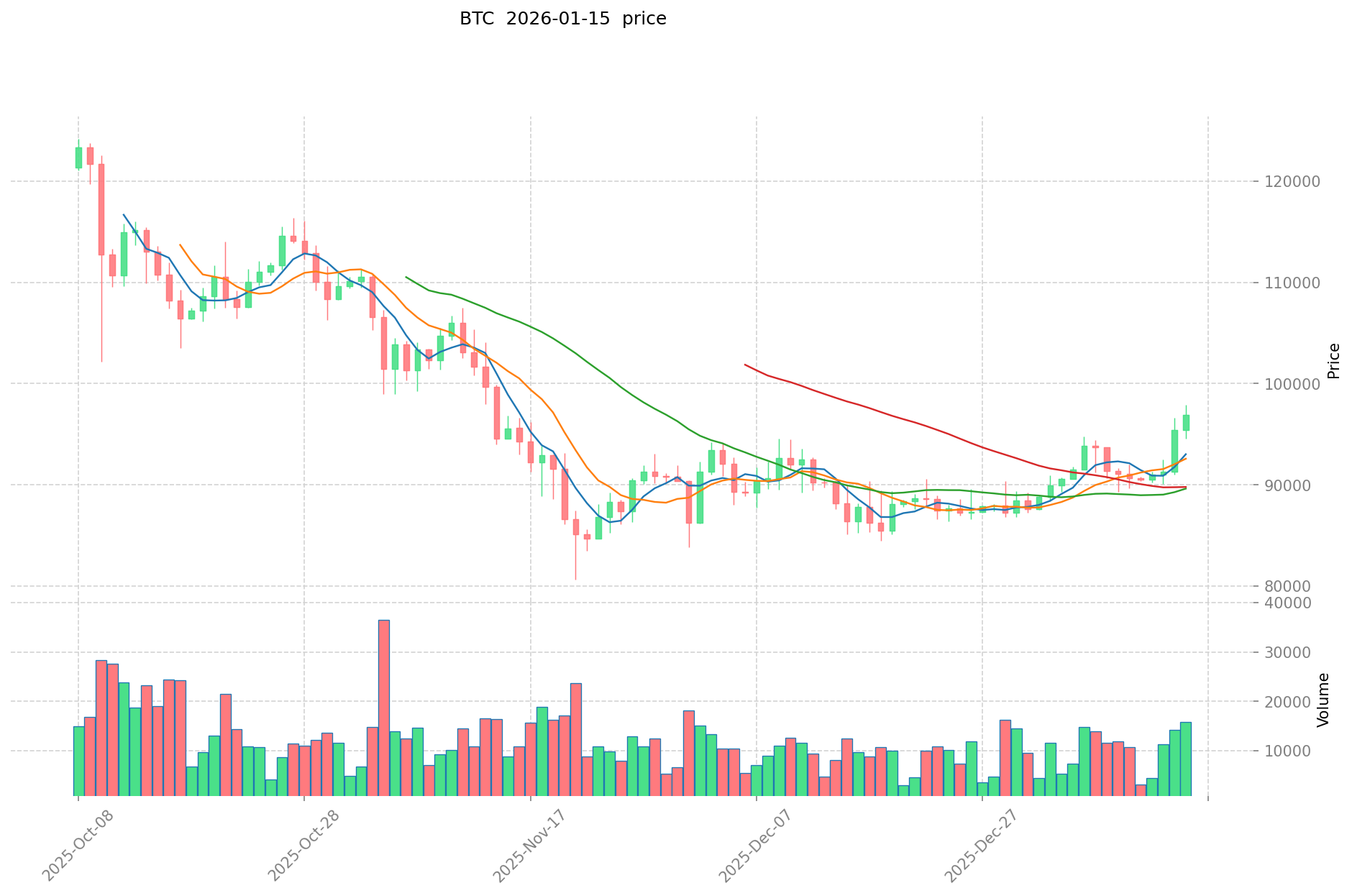
The concept of unclaimed Bitcoin is particularly significant given the substantial appreciation in Bitcoin's value over the years. What might have been a modest investment worth a few hundred dollars in the early 2010s could now represent a considerable sum. According to blockchain analysis, millions of Bitcoin have not moved from their original addresses for years, suggesting a substantial amount of potentially unclaimed or lost cryptocurrency.
Several common scenarios lead to unclaimed Bitcoin. Early cryptocurrency enthusiasts may have experimented with multiple wallets across different platforms and lost track of smaller holdings. Hardware failures, such as damaged hard drives or lost USB devices containing wallet files, can render Bitcoin inaccessible. Additionally, the complexity of early cryptocurrency storage methods, including paper wallets and brain wallets, has contributed to many users losing access to their funds. Understanding these scenarios is the first step toward recovering your unclaimed digital assets.
Step-by-Step Guide to Claiming Unclaimed Bitcoin
Step 1: Identify and Locate the Unclaimed Bitcoin
The first crucial step in reclaiming your Bitcoin is to systematically identify where your unclaimed cryptocurrency might be stored. Begin by reviewing your email history for any correspondence from cryptocurrency exchanges, wallet providers, or blockchain services you may have used in the past. Look for registration confirmations, transaction notifications, or password reset emails that could provide clues about forgotten accounts.
Check your computer and mobile devices for any cryptocurrency wallet applications you may have installed. Even if you haven't used them recently, wallet software often stores important information locally. Additionally, search through your physical documents and digital files for any notes, screenshots, or printed materials related to Bitcoin transactions or wallet addresses. Many early users printed paper wallets or wrote down important information that might now be stored away.
Step 2: Recover Access to Your Wallet
Once you've identified potential locations of your unclaimed Bitcoin, the next step is recovering access. If you're dealing with a password-protected wallet, try all possible password combinations you might have used during that time period. Many people reuse passwords or follow similar patterns, so systematic attempts using variations of your common passwords may prove successful.
For wallets that use recovery phrases or seed phrases (typically 12 or 24 words), locate any documentation where you might have stored this critical information. These recovery phrases are specifically designed to restore access to your cryptocurrency holdings even if you've lost your original device or forgotten your password. Exercise extreme caution when entering recovery phrases and ensure you're using legitimate wallet software to avoid phishing attempts.
If you're dealing with an encrypted wallet file, you may need to use specialized recovery tools or services. Some wallet providers offer account recovery options through email verification or two-factor authentication backup codes. Always verify you're using official recovery channels to protect your assets from scammers.
Step 3: Track Down Inactive Exchange Accounts
If you suspect your unclaimed Bitcoin is held in an old exchange account, contact the platform's customer support team directly. Prepare to provide comprehensive verification information to prove your ownership of the account. This typically includes government-issued identification, proof of address, and any transaction records or email correspondence you have from when you used the platform.
Be aware that some cryptocurrency exchanges have policies regarding dormant accounts. While reputable platforms maintain user balances indefinitely, it's important to act promptly once you've identified an inactive account. Keep detailed records of all communication with the exchange, including ticket numbers and representative names, as the recovery process may take several weeks.
Some older exchanges may have ceased operations or been acquired by other companies. In such cases, research the platform's history to determine if user funds were transferred to a successor company or if there's a claims process for former users. Blockchain forensics tools can help verify if your Bitcoin is still associated with addresses linked to the defunct exchange.
Step 4: Secure and Transfer Your Recovered Bitcoin
Once you've successfully recovered access to your unclaimed Bitcoin, the immediate priority is securing these assets properly. Transfer your Bitcoin to a secure, modern cryptocurrency wallet that you fully control. Hardware wallets are generally considered the most secure option for storing significant amounts of cryptocurrency, as they keep your private keys offline and protected from online threats.
Update all security settings associated with your Bitcoin holdings. Enable two-factor authentication using an authenticator app rather than SMS, create a strong unique password, and set up email alerts for any account activity. Most importantly, generate a new recovery phrase for your wallet and store it securely in multiple physical locations. Consider using a fireproof safe or safety deposit box for this critical information.
Never store your recovery phrase digitally, including in cloud storage, email, or password managers, as these can be vulnerable to hacking. Some users choose to use metal backup plates specifically designed for cryptocurrency recovery phrases, which provide protection against fire and water damage.
Strategies for Finding Unclaimed Bitcoin
Utilizing Blockchain Explorers
Blockchain explorers are powerful tools that allow you to search and analyze Bitcoin transactions across the entire blockchain network. If you remember any Bitcoin addresses you've used in the past, you can enter them into a blockchain explorer to check their current balance and transaction history. Popular blockchain explorers include Blockchain.com, Blockchair, and BTC.com, each offering slightly different features and interfaces.
These tools can reveal not only your current balance but also the entire transaction history associated with an address. This information can be invaluable in reconstructing your cryptocurrency activities and identifying additional addresses you may have used. Some blockchain explorers also offer advanced features like address clustering, which can help identify related addresses that might belong to you.
If you've received Bitcoin in the past but can't remember the exact address, try searching for transaction IDs or wallet addresses from old emails or documents. Even partial information can sometimes lead to successful identification of your unclaimed assets through careful blockchain analysis.
Working with Professional Recovery Services
When individual efforts to recover unclaimed Bitcoin prove unsuccessful, professional cryptocurrency recovery services can provide specialized assistance. These services employ experts in cryptography, blockchain forensics, and wallet recovery who have access to advanced tools and techniques. They can help with various scenarios including password recovery, corrupted wallet files, and complex inheritance situations.
Before engaging a recovery service, thoroughly research their reputation and track record. Look for companies with verifiable success stories, transparent pricing structures, and clear terms of service. Reputable services typically charge a percentage of recovered funds rather than upfront fees, aligning their incentives with your success. Be extremely cautious of services requesting full access to your wallet or private keys, as legitimate recovery experts should work with you to maintain security.
Some recovery services specialize in specific types of cryptocurrency storage or particular wallet software. If you're dealing with an obscure wallet format or early Bitcoin storage method, seek out specialists with experience in that specific area. Legal and estate professionals can also assist with Bitcoin inheritance cases, helping navigate the complex process of proving ownership and transferring digital assets.
Final Thoughts
Reclaiming unclaimed Bitcoin requires patience, diligence, and a systematic approach to searching through your digital and physical records. While the process may seem overwhelming initially, the potential value of recovered cryptocurrency makes the effort worthwhile. The strategies outlined in this guide provide a comprehensive framework for identifying, accessing, and securing your forgotten digital assets.
It's important to approach Bitcoin recovery with realistic expectations and appropriate caution. Not all lost Bitcoin can be recovered, particularly if critical information like private keys or recovery phrases has been permanently lost. However, many cases of seemingly inaccessible cryptocurrency can be resolved through persistent effort and the right tools.
As you work to recover unclaimed Bitcoin, prioritize security at every step. The cryptocurrency space attracts scammers who prey on individuals seeking to recover lost funds. Never share your private keys, recovery phrases, or passwords with anyone, and verify you're using legitimate software and services. If something seems too good to be true or requests suspicious information, trust your instincts and seek second opinions from trusted sources.
Moving forward, implement best practices for cryptocurrency management to prevent future losses. Maintain organized records of all your digital asset holdings, use secure storage methods, and ensure trusted family members or estate planners know how to access your cryptocurrency in case of emergency. Regular reviews of your cryptocurrency portfolio can help prevent assets from becoming forgotten or inaccessible. By taking control of your Bitcoin holdings now and implementing proper security measures, you can ensure that your digital assets remain accessible and secure for years to come.
FAQ
What is unclaimed Bitcoin and why does unclaimed Bitcoin exist?
Unclaimed Bitcoin refers to mining rewards that miners failed to claim after successfully mining blocks. These rewards are permanently lost in the Bitcoin network and cannot be recovered, reducing the total circulating Bitcoin supply.
How to check if I have unclaimed Bitcoin?
Check your old emails for keywords like Bitcoin, wallet, BTC rewards, or private keys. Search relevant platforms or services you previously used. If found, verify ownership through recovery methods or contact support for account recovery assistance.
What are the specific steps to claim unclaimed Bitcoin?
First, register and verify your account on a crypto platform. Then, navigate to the rewards or claiming section. Finally, follow the platform's instructions to complete identity verification and claim your unclaimed Bitcoin through the designated process.
What security precautions should I take when claiming unclaimed Bitcoin?
Use a secure wallet, enable two-factor authentication, update passwords regularly, and avoid public Wi-Fi networks during transactions. Verify addresses carefully to prevent phishing attacks and fraud.
Is it safe to import a wallet using a private key to claim Bitcoin? What risks might exist?
Using private keys to import wallets carries significant risks. Private keys can be stolen or lost, resulting in permanent fund loss. Keep private keys offline, never share them, use strong passwords, and transfer all claimed Bitcoin immediately to a secure address to minimize exposure.

Enhancing Crypto Safety with Paper Wallets

Understanding Bitcoin Blockchain Addresses

Ultimate Security in Hardware Wallets: A Comprehensive Guide

Understanding Bitcoin Wallet Addresses: A Beginner's Guide
Understanding Dusting Attacks in Cryptocurrency Security

Top Secure Devices for Safeguarding Your Digital Assets

X Empire Daily Combo and Rebus of the Day Guide

Index Funds

What Are Gold Coins on Stake: Crypto Utility Explained

How Many Shiba Coins Are Burned Daily?

What Country Is a Major Cryptocurrency Exchange From?