How to Set Up and Select a USDT Wallet: Expert Insights into TRC-20

Introduction
Tether (USDT), pegged to the US dollar, stands as the clear leader among stablecoins. Its liquidity, price stability, and availability across multiple blockchains have made it a versatile tool for both crypto traders and everyday users. However, to use Tether effectively, selecting the right wallet is essential—especially on the TRC-20 network, which uniquely balances speed, cost, and ease of use.
Questions like “how do I create a USDT TRC20 wallet?” or “which network offers the lowest stablecoin transfer fees?” have become commonplace—and for good reason. Transfer costs, security, network support, and exchange compatibility all shape the user experience and asset safety.
Why USDT TRC-20?
Several USDT token versions exist, each on a different blockchain. The most popular are ERC-20 (Ethereum), TRC-20 (Tron), and BEP-20 (Binance Smart Chain). While each version has unique traits, two factors matter most in practice: transaction fees and transfer speed.
USDT on TRC-20 delivers nearly instant transfers and extremely low fees. Unlike Ethereum’s congested, expensive network, Tron processes hundreds of thousands of transactions daily at minimal cost. That’s why Tether TRC-20 USDT is ideal for everyday payments, large-scale transfers, and P2P platforms.
USDT Network Comparison
| Characteristic | TRC-20 (Tron) | ERC-20 (Ethereum) | BEP-20 (Binance SC) |
|---|---|---|---|
| Average Fee | ~$0.50 | $5–$50 | ~$0.10–$1 |
| Transaction Speed | 1–2 seconds | 5–15 minutes | 5–10 seconds |
| Wallet Support | High | Maximum | Medium |
| Beginner Friendly | Yes | Partially | Yes |
| P2P Popularity | Very High | High | Medium |
TRC-20 excels in every key area for daily use—especially for those who value time and cost efficiency.
Which Wallet Is Best for USDT TRC-20?
The best crypto wallet depends on your needs. Users who frequently interact with exchanges and trading platforms tend to choose mobile and browser-based solutions. Trust Wallet and TronLink are top picks in this category. Both offer easy setup, TRC-20 support, and intuitive interfaces. With Trust Wallet, simply install the app, securely store your seed phrase, and enable the desired network. TronLink provides seamless integration with Tron, making it especially useful for DApps.
For holding significant sums, hardware wallets like Ledger and Trezor are recommended. They greatly reduce theft risk and are ideal for long-term storage. Online wallets on platforms provide convenient market access but require enhanced account security, including two-factor authentication, whitelisting addresses, and withdrawal limits.
How to Create a Wallet
Setting up a USDT TRC-20 wallet requires no technical expertise. On mobile platforms like Trust Wallet, the process takes just a few minutes. Once you install the app, you’ll receive a seed phrase—a unique access code that you must write down and store offline. Then, activate the TRON network and generate an address starting with “T”—this is your Tether TRC-20 receiving address.
MetaMask, a popular browser wallet, does not natively support TRC-20 because it is built for Ethereum and compatible blockchains. It’s not appropriate for TRC-20 users. Choose wallets designed for Tron such as TronLink, Trust Wallet, or TokenPocket for the best experience.
Why Fees Matter
One of the most overlooked factors is energy on the Tron network. Energy is required to process transactions and is paid in TRX tokens. If your wallet’s TRX balance is zero, your first transaction will consume 130,000 units of energy—about 27 TRX. If you have energy or rent resources, fees can drop significantly—to under a dollar.
For frequent transfers, this means substantial savings. Regular USDT TRC-20 users often freeze TRX in advance to generate energy or rent it from specialized platforms.
Security Comes First
Cryptocurrencies provide freedom—but also demand responsibility. Wallet security starts with safe storage of your seed phrase. Losing it means permanent loss of access; sharing it exposes you to theft. Experts recommend writing your seed phrase on paper and keeping it in a physically secure place, separate from electronic devices.
To further protect wallets—especially those used on platforms or mobile apps—enable two-factor authentication, restrict access by IP, use strong passwords, and update them regularly. For significant holdings, switch to cold wallets that keep private keys completely offline.
Conclusion
Choosing and creating a USDT TRC20 wallet isn’t just a technical step—it’s a critical part of your financial strategy. The TRC-20 network offers unique advantages: ultra-low fees, speed, and a robust infrastructure. But it also requires due diligence: understanding the network, carefully managing addresses, knowing how energy works, and securing your assets.
For beginners, simple options like Trust Wallet and TronLink are ideal. Advanced users should consider energy rental and cold wallet solutions. The bottom line: know why you’re using USDT, how it moves, and where your responsibilities lie.
In the digital asset world, success isn’t just about picking the right token. It’s about storing it securely, using it effectively, and saving every dollar—even on fees. That’s what makes USDT TRC-20 not just convenient, but the truly practical choice.
FAQ
What is USDT? Why use the TRC-20 network over other blockchains?
USDT is a stablecoin pegged to the US dollar. TRC-20 on the TRON blockchain offers high throughput, low fees, and fast transactions—making it the best choice for transfers and storage.
How do I create a USDT TRC-20 wallet? Which wallet apps are recommended?
Create a USDT TRC-20 wallet with Cryptomus or TronLink. Cryptomus offers security, two-factor authentication, and advanced financial features. TronLink provides an intuitive interface for interacting with the TRON network. Both apps are reliable and easy to use.
How much are the fees when transferring USDT using a TRC-20 wallet?
Transferring USDT via TRC-20 costs about 0.45 TRX (roughly 0.5 yuan) per transaction. With specific techniques, you can reduce the fee to 0.1 TRX (about 0.2 yuan). Always double-check the address before sending.
What’s the difference between a USDT TRC-20 wallet and an Ethereum ERC-20 wallet?
USDT TRC-20 runs on Tron, offering faster transactions and lower fees. USDT ERC-20 operates on Ethereum, delivering broader ecosystem compatibility and advanced smart contract features.
How can I securely protect my USDT wallet’s private key and recovery phrase?
Never share your private key or mnemonic phrase. Use a strong password and keep backups in a secure location. Regularly update your wallet software to guard against vulnerabilities.
Cold wallet or hot wallet: which is better for USDT storage?
For long-term USDT storage, cold wallets are safer—they’re protected from online hacks. Hot wallets are more convenient for frequent transactions. Ideally, keep most assets in a cold wallet and only a small amount in a hot wallet for trading.
What should I do if I send USDT to the wrong address?
Unfortunately, USDT transactions are irreversible. If the address belongs to another user, reach out to request a return. If it’s a smart contract or an invalid address, funds are usually lost. Always verify addresses before sending.
What are the main risks and security threats for TRC-20 USDT wallets?
The primary risks for TRC-20 USDT wallets are phishing and malicious links, unauthorized access to private keys, recipient address errors, smart contract vulnerabilities, and scams. Use trusted wallets and always verify addresses before sending funds.
How to Create and Select a USDT TRC-20 Wallet
How to Set Up and Select a USDT Wallet: An Expert Guide to TRC-20
How to Set Up and Select a USDT Wallet: Expert Insights on TRC-20
How to Set Up and Select a USDT Wallet: Expert Insights on TRC-20
How to Create and Choose a USDT Wallet: Expert Insights into TRC-20

Understanding the TRC20 Token Standard: A Comprehensive Guide

What is crypto holdings and capital flow: how exchange inflows, staking rates, and institutional positions impact market movement?
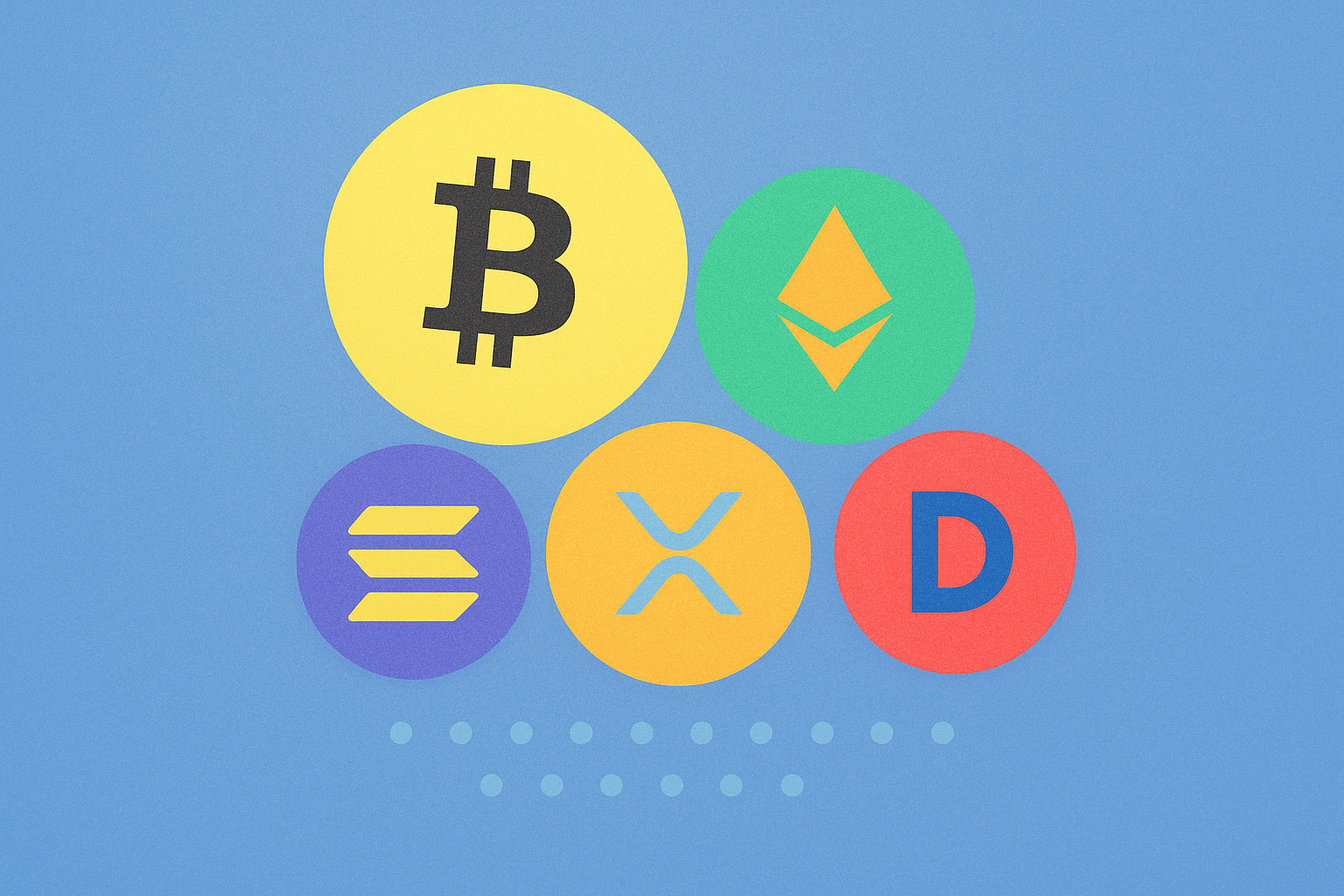
What is the current crypto market overview and which coins rank highest by market cap and trading volume?

What is crypto holding and fund flow: How do exchange inflows, staking rates, and institutional positions affect token value
What is the difference between competing cryptocurrencies: performance, market cap, and user adoption compared
Bull vs. Bear Markets in Crypto: Understanding Market Trends