How to Make Money on Bitcoin Fast

Understanding Bitcoin's Market Dynamics
Before implementing strategies to generate rapid profits through Bitcoin, it is essential to comprehend the fundamental dynamics governing this market. Bitcoin operates within a highly volatile ecosystem where price trends can shift dramatically within minutes or even seconds. This inherent volatility creates both significant opportunities for substantial gains and considerable risks that require careful management.
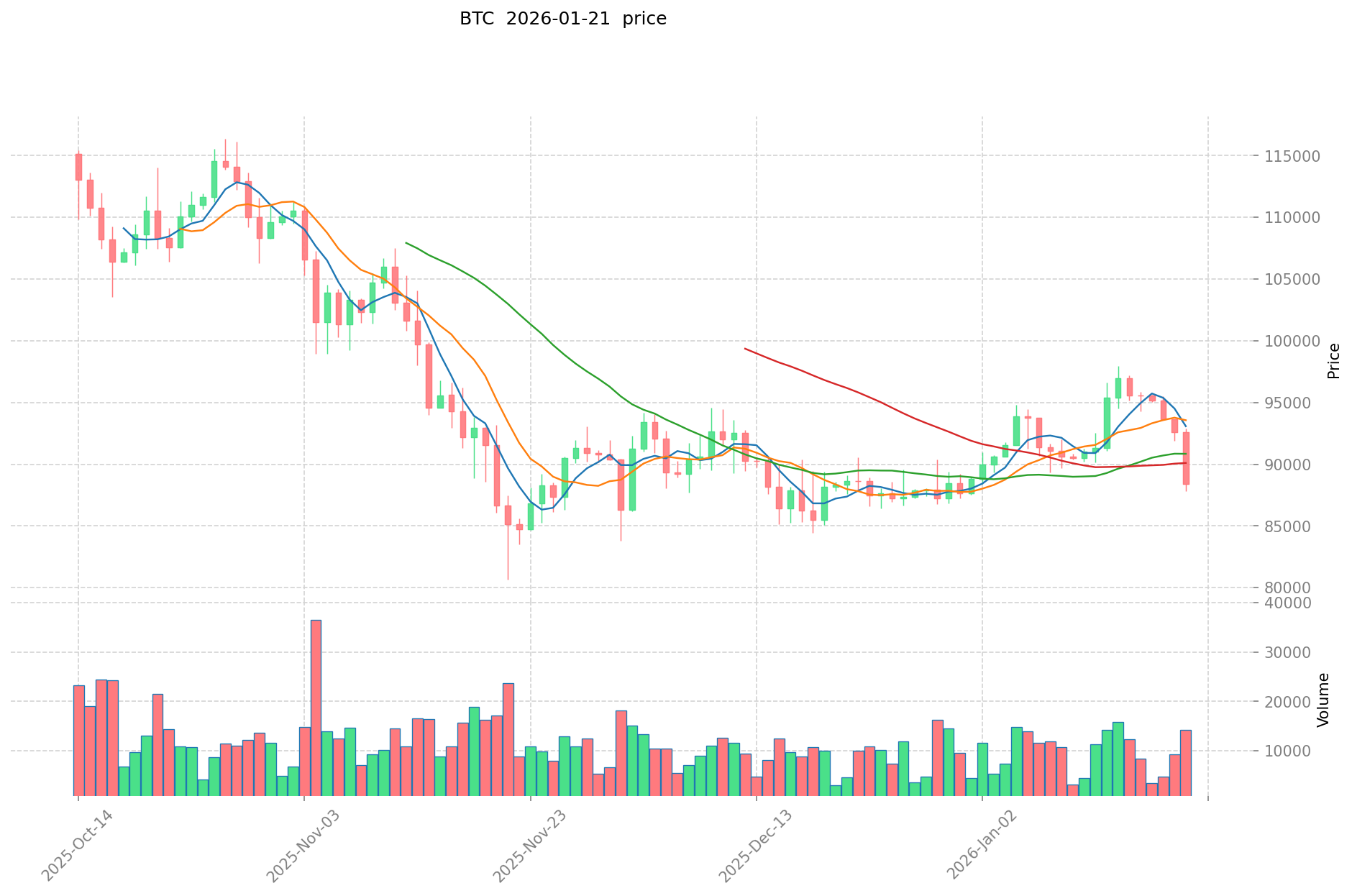
The Bitcoin market is influenced by multiple factors including supply and demand dynamics, regulatory developments across different jurisdictions, technological advancements in blockchain infrastructure, macroeconomic conditions, and institutional investment flows. Understanding these interconnected elements helps traders anticipate potential price movements and identify optimal entry and exit points.
Market cycles in Bitcoin typically follow patterns of accumulation, uptrend, distribution, and downtrend phases. Recognizing which phase the market is currently in can significantly improve your trading decisions. Additionally, liquidity considerations play a crucial role—trading during high-volume periods generally offers better price execution and reduced slippage.
Swift Earning Strategies
Day Trading
Day trading represents one of the most direct approaches to generating quick profits from Bitcoin. This strategy involves opening and closing positions within the same trading day, capitalizing on short-term price fluctuations. The volatile nature of Bitcoin creates numerous intraday opportunities that skilled traders can exploit.
Key Implementation Guidelines:
-
Research and Analyze: Mastering technical analysis is fundamental to successful day trading. Focus on learning chart patterns, trend indicators like Moving Averages (MA), Relative Strength Index (RSI), and MACD. Additionally, staying informed about breaking news events, regulatory announcements, and major market developments can help you predict short-term price movements.
-
Use Reliable Exchanges: Select well-established trading platforms with robust security measures, high liquidity, and competitive fee structures. Ensure the exchange provides advanced charting tools and fast order execution to capitalize on fleeting opportunities.
-
Set Stop-Loss Orders: Implementing stop-loss orders is crucial for risk management. These automated orders protect your capital by automatically closing positions when prices move against you beyond predetermined thresholds. This discipline prevents emotional decision-making during market volatility.
-
Develop a Trading Plan: Establish clear entry and exit criteria before each trading session. Define your risk-reward ratio (typically 1:2 or better), daily loss limits, and profit targets to maintain consistency.
Scalping
Scalping takes rapid trading to an even more intensive level. Unlike day trading, scalping involves executing dozens or even hundreds of small trades throughout the day, each targeting minimal price movements. The goal is to accumulate numerous small profits that compound into significant returns.
Essential Scalping Practices:
-
Watch the Spread: Pay close attention to the bid-ask spread, which represents the difference between buying and selling prices. Tighter spreads reduce transaction costs and increase profitability. Leverage any temporary disparities in pricing across different trading pairs or exchanges.
-
Utilize Proper Tools: Scalping demands sophisticated tools including real-time price feeds, advanced order types (like limit orders and market orders), and technical indicators optimized for short timeframes. Many successful scalpers use automated trading bots to execute strategies with precision.
-
Risk Management: Despite the small size of individual trades, scalping carries significant risk due to high transaction frequency. Managing your crypto assets with secure wallet solutions and maintaining strict position sizing rules can optimize returns while protecting capital. Never risk more than 1-2% of your total capital on any single trade.
-
Focus and Discipline: Scalping requires intense concentration and emotional control. The fast-paced nature can be mentally exhausting, so establish clear trading hours and take regular breaks to maintain peak performance.
Yield Farming and Staking
While not as immediately lucrative as active trading strategies, yield farming and staking provide alternative avenues for growing your Bitcoin holdings with reduced time commitment. These approaches involve locking your Bitcoin or equivalent digital assets in specialized platforms to earn passive rewards over time.
Implementation Strategy:
-
Select the Right Platform: Choosing appropriate decentralized finance (DeFi) platforms or staking services is critical. Evaluate platforms based on their security track record, annual percentage yields (APY), lock-up periods, and underlying smart contract audits. Reputable platforms typically offer transparent terms and have been vetted by the crypto community.
-
Monitor the Stake: Regularly review your staking performance to ensure optimal outcomes. Track reward distributions, platform health metrics, and any changes to terms of service. Some platforms allow flexible staking with no lock-up periods, while others offer higher returns for longer commitment periods.
-
Diversification: Consider distributing your staking across multiple platforms to mitigate platform-specific risks while maximizing overall yield potential.
Leverage Trading
Leverage trading enables traders to amplify their market exposure by borrowing funds to increase position sizes beyond their available capital. This powerful tool can magnify both profits and losses, making it a double-edged sword that requires sophisticated understanding.
Critical Considerations:
-
Exercise Caution: While leverage can accelerate gains, it introduces substantial risk. A 10x leveraged position means that a mere 10% adverse price movement could liquidate your entire position. Beginners should start with minimal leverage (2x-3x) and gradually increase as they gain experience and develop robust risk management systems.
-
Close Monitoring: Leveraged positions demand constant vigilance. Monitor your positions continuously to track liquidation prices, margin requirements, and market conditions. Set up price alerts and maintain sufficient margin buffers to avoid forced liquidations during volatile market swings.
-
Understand Funding Rates: In perpetual futures contracts, funding rates represent periodic payments between long and short position holders. These rates can significantly impact profitability, especially for positions held over extended periods.
Evaluating Opportunities with Timing
Timing represents perhaps the most critical factor in maximizing Bitcoin trading returns. The age-old principle of "buy low, sell high" sounds simple but requires sophisticated analysis and patience to execute effectively.
Studying historical price patterns and Bitcoin's typical market cycles provides valuable insights into potential entry and exit points. Bitcoin has historically followed four-year cycles correlated with its halving events, where mining rewards are reduced by 50%. These cycles typically feature prolonged accumulation phases, explosive bull runs, distribution periods, and bear market corrections.
Technical analysis tools like Fibonacci retracement levels, support and resistance zones, and volume analysis help identify optimal timing. Additionally, monitoring on-chain metrics such as exchange inflows/outflows, whale wallet movements, and miner behavior can provide early signals of potential trend changes.
Sentiment analysis also plays a crucial role—extreme fear often presents buying opportunities, while excessive greed may signal overheated conditions ripe for corrections.
Risk Assessment and Management
Key Considerations
Market Volatility: Bitcoin's price can experience dramatic swings, with double-digit percentage movements occurring within hours. Historical data shows that 20-30% corrections during bull markets are common, while bear markets can see 70-80% drawdowns from peak prices. Understanding and accepting this volatility is fundamental to successful Bitcoin investing.
Develop a personal risk tolerance profile that aligns with your financial situation, investment timeline, and psychological comfort with uncertainty. Never invest more than you can afford to lose, and maintain a diversified portfolio that extends beyond cryptocurrencies.
Regulatory Changes: The regulatory landscape for cryptocurrencies continues to evolve globally. Government policies, tax regulations, and legal frameworks can significantly impact market conditions and asset valuations. Stay informed about regulatory developments in major markets including the United States, European Union, and Asia.
Regulatory clarity often leads to increased institutional adoption and market stability, while uncertainty or restrictive policies can trigger sell-offs. Follow official announcements from financial regulatory bodies and adjust your strategies accordingly.
Getting Educated: Continuous learning is essential in the rapidly evolving cryptocurrency space. The market dynamics, technologies, and best practices constantly change. Dedicate time to studying market analysis techniques, blockchain technology fundamentals, and emerging trends.
Engage with reputable educational resources, participate in crypto communities, and learn from both successful trades and mistakes. Understanding concepts like blockchain consensus mechanisms, smart contracts, and tokenomics provides deeper insights into market behavior.
Implementing Strong Security
Secure Your Assets: Protecting your Bitcoin holdings is paramount. Utilize hardware wallets (cold storage) for long-term holdings and only keep actively traded amounts on exchange platforms. Hardware wallets like Ledger or Trezor provide offline storage that is immune to online hacking attempts.
Implement a multi-signature wallet setup for large holdings, requiring multiple approvals for transactions. Regularly backup your wallet recovery phrases and store them securely in multiple physical locations.
Enable Two-Factor Authentication: Strengthen your account security by implementing two-factor authentication (2FA) on all exchange and wallet accounts. Use authenticator apps rather than SMS-based 2FA, as the latter is vulnerable to SIM-swapping attacks. Consider using hardware security keys for maximum protection.
Regularly review account access logs, enable withdrawal whitelists, and set up email/SMS alerts for any account activities. Be vigilant against phishing attempts and never share your private keys or recovery phrases with anyone.
The Role of Psychological Discipline
Success in Bitcoin trading extends far beyond technical knowledge and market analysis—it fundamentally depends on psychological discipline and emotional control. The volatile nature of cryptocurrency markets can trigger powerful emotional responses that lead to impulsive, irrational decisions.
Fear and greed represent the two dominant emotions that sabotage trading success. Fear can cause premature exits from profitable positions or paralysis during optimal buying opportunities. Greed leads to overleveraging, holding positions too long, or abandoning risk management principles during euphoric market conditions.
Developing psychological resilience requires:
-
Adherence to Trading Plans: Execute your predetermined strategy regardless of emotional impulses. If your analysis suggests an action, follow through even when it feels uncomfortable.
-
Acceptance of Losses: Understand that losses are inevitable parts of trading. Successful traders focus on overall profitability across many trades rather than winning every single position.
-
Emotional Detachment: View trading as a business rather than gambling. Maintain emotional distance from individual trades and avoid letting wins or losses affect your self-worth.
-
Patience and Discipline: Resist the urge to overtrade or chase every market movement. Quality opportunities are worth waiting for, and preservation of capital is more important than forcing trades.
-
Journaling: Maintain a detailed trading journal documenting your decisions, emotional states, and outcomes. Regular review helps identify psychological patterns and areas for improvement.
Future Perspectives on Bitcoin
The trajectory of Bitcoin continues to evolve as institutional adoption accelerates and mainstream acceptance becomes increasingly pronounced. Major corporations have added Bitcoin to their treasury reserves, recognizing its potential as a store of value and hedge against inflation. Financial institutions that once dismissed cryptocurrencies now offer Bitcoin investment products and custody services to their clients.
Technological developments continue to enhance Bitcoin's utility and scalability. The Lightning Network enables near-instantaneous, low-cost transactions, addressing earlier criticisms about Bitcoin's transaction speed and fees. Layer-2 solutions and protocol upgrades promise further improvements in functionality and user experience.
Regulatory maturation in major economies is gradually providing clearer frameworks for Bitcoin trading and ownership. While regulatory uncertainty remains in some jurisdictions, the trend toward thoughtful regulation rather than outright bans suggests growing governmental acceptance of digital assets as legitimate financial instruments.
The integration of Bitcoin into traditional financial systems through exchange-traded funds (ETFs), futures markets, and banking services bridges the gap between conventional finance and the crypto ecosystem. This integration enhances liquidity, reduces volatility over time, and makes Bitcoin accessible to broader investor demographics.
Environmental concerns surrounding Bitcoin mining are driving innovation in renewable energy usage and more efficient mining technologies. The industry's shift toward sustainable practices addresses one of the primary criticisms and may facilitate further institutional adoption.
As the market matures, those equipped with comprehensive knowledge, disciplined strategies, and robust risk management systems are positioned to capitalize on Bitcoin's continued evolution. The landscape offers diverse opportunities ranging from short-term trading to long-term investment, each requiring different skill sets and approaches.
Explore various strategies, maintain vigilant market observation, execute well-considered decisions, and you can forge your path to profitability in the dynamic world of Bitcoin. Armed with these insights, secure your financial future confidently in the ever-evolving cryptocurrency arena.
FAQ
What are the fast ways to make money on Bitcoin? (Mining, trading, lending, etc.)
Bitcoin offers multiple earning methods: mining generates new coins through computational work; trading captures price fluctuations; lending earns interest on holdings; staking rewards participation; arbitrage exploits price differences across markets; and masternodes provide passive income through network validation.
What risks exist in making money through Bitcoin quickly and how should I avoid them?
Fast Bitcoin profits carry volatility and liquidation risks. Mitigate by using stop-loss orders, limiting leverage, diversifying positions, and only risking capital you can afford to lose. Start small, educate yourself on market dynamics, and avoid FOMO-driven decisions.
How can beginners safely start Bitcoin investment to earn returns?
Start with small amounts you can afford to lose. Learn blockchain basics and market fundamentals. Use secure wallets for storage. Dollar-cost average by investing regularly. Consider staking or lending platforms for passive income. Monitor market trends and diversify your portfolio gradually.
Which is easier for fast profits: Bitcoin trading or long-term holding?
Bitcoin trading offers faster profit potential through price volatility and frequent transaction amounts, while long-term holding requires patience. Active trading with strategic timing can generate quicker returns compared to passive holding strategies.
What is Bitcoin mining? Is it a viable method to make money quickly?
Bitcoin mining is the process of validating transactions and securing the network by solving complex mathematical problems. Miners earn Bitcoin rewards, but it requires significant hardware investment and electricity costs. While potentially profitable with proper setup, it's not a quick money-making method due to high initial investment and increasing competition.
Can Bitcoin leverage trading help me make money quickly? How much risk is involved?
Yes, leverage trading can amplify profits during bull markets, potentially multiplying returns rapidly. However, risks are substantial—leverage magnifies losses equally, liquidation can occur quickly, and volatility may trigger margin calls. Success requires strong risk management and market knowledge.

How Do Derivatives Market Signals Predict Crypto Price Movements?

Understanding the Mechanics of Perpetual Swaps

How Do Derivative Market Signals Indicate UNI's Potential Price Recovery in 2025?

Exploring Perpetual Contracts: The Next Step in Decentralized Finance

Understanding Perpetual Swaps in Crypto Trading

Optimizing Risk Management with Crypto Futures Strategies

Advantages and Disadvantages of the Martingale System in Trading

What Is the Otherside Metaverse?
What Cryptocurrency Does Elon Musk Own

Telegram Crypto Mining Bots List and Guide

What is M Pattern in Trading