LCP_hide_placeholder
fomox
MarketsPerpsSpotSwapMeme Referral
More
Smart Money Recruitment
Search Token/Wallet
/

How to Mine Ethereum: Key Things to Know About Ethereum Mining
2026-01-21 14:11:18
Crypto staking
Ethereum
Liquid Staking
Mining
PoW
Article Rating : 4
149 ratings
A Comprehensive Beginner’s Guide to Ethereum Mining. Learn why traditional ETH mining ended after The Merge, and explore alternative ways to earn—staking, cloud mining, DeFi, and mining other cryptocurrencies on Gate—with detailed step-by-step instructions.
How to Mine Ethereum: Key Things to Know About Ethereum Mining

What Is Ethereum Mining?

Ethereum mining used the computing power of dedicated hardware to verify and confirm transactions on the Ethereum network. Miners competed to solve complex cryptographic puzzles based on the Ethash algorithm. The first miner to solve a puzzle successfully could add a new block to the blockchain and earned a reward in newly minted ETH, plus the transaction fees included in that block.

Unlike Bitcoin mining, which eventually became dominated by specialized ASICs, Ethereum mining remained accessible to regular users with gaming GPUs. A typical mining rig consisted of multiple high-performance GPUs (usually 4 to 12), a motherboard with sufficient PCI-E slots, a robust power supply, dedicated mining software, and, most importantly, access to cheap electricity—since energy consumption was a primary operating expense.

Mining required equipment to operate 24/7, with consistent cooling and routine maintenance. Profitability depended on several factors: network difficulty, ETH price, electricity costs, and the efficiency of the hardware used.

Why Did Ethereum Mining End?

Ethereum permanently ended mining with a major upgrade called "The Merge"—a carefully planned shift from the Proof-of-Work consensus mechanism to Proof-of-Stake, successfully completed on September 15, 2022. This milestone capped years of development and was part of Ethereum’s original roadmap.

The key idea was to replace competition among miners using computing power with a system where the network selects validators based on the amount of ETH they have staked as collateral. This fundamentally changed Ethereum’s economic security model.

The transition delivered several major changes. Ethereum’s energy consumption dropped by 99.95%, making it one of the greenest major cryptocurrencies and removing a central criticism about blockchain’s environmental impact. New ETH issuance fell by roughly 90%, making Ethereum deflationary during periods of high network activity.

This shift also rendered tens of thousands of mining rigs worldwide instantly obsolete for ETH mining, forcing miners to seek other cryptocurrencies or entirely new earning strategies.

Can You Mine Ethereum Today?

The answer is definitive: no, traditional Ethereum mining is no longer possible. Anyone offering Ethereum mining via GPUs or ASICs is either uninformed or deliberately deceptive. The Ethereum protocol no longer supports Proof-of-Work mining at its core.

This is not a temporary change or an error—it is a permanent architectural transformation. The Ethereum blockchain you may have mined now only operates on staking. Any services offering "Ethereum cloud mining" or "ETH mining contracts" are either outdated or outright scams.

If you see ads or offers for Ethereum mining, treat them with suspicion. The legitimate ways to earn ETH now include staking, participating in DeFi protocols, providing liquidity, or mining other cryptocurrencies and converting the proceeds to ETH.

Alternatives for Earning ETH

Ethereum staking has fully replaced mining as the main way to earn rewards on the Ethereum network. Here’s how it works: participants lock up their ETH in a smart contract and become network validators. You need at least 32 ETH to run your own validator, a significant investment at current prices. Staking pools, however, have democratized the process, allowing participation with any amount—from fractions of ETH to several tokens. Annual yields range from 3% to 7% depending on the total ETH staked.

Cloud mining has pivoted to mining other Proof-of-Work cryptocurrencies and converting those earnings to ETH. Platforms offer hash rate rentals for mining Bitcoin, Litecoin, Ethereum Classic, and other altcoins. Always verify the credibility of such platforms, as the cloud mining sector is rife with scams.

Yield farming and DeFi mining are innovative ways to earn ETH rewards through decentralized finance protocols. By providing liquidity to pools on decentralized exchanges (e.g., Uniswap, Curve, Balancer), users earn trading fees and protocol governance tokens. Some protocols offer "liquidity mining" programs, with rewards in ETH or convertible tokens. Yields can be attractive—5% to 50%+ per year—but come with risks, including impermanent loss and smart contract vulnerabilities.

Ethereum Staking Guide

Solo staking setup: Solo staking is the most decentralized way to participate in Ethereum consensus, but it requires technical expertise and a sizeable investment. You’ll need at least 32 ETH to stake as collateral, and you must set up and run validator software on a dedicated device—typically using execution clients (Geth, Besu) with consensus clients (Prysm, Lighthouse, Teku). Validators earn rewards for proposing and attesting to blocks but must maintain over 99% uptime or face slashing penalties. Annual yields are about 4–6% in ETH. Stable internet, backup power, and regular software updates are essential.

Staking pool options: Staking pools are ideal for those who want to stake without technical complexity or don’t have the full 32 ETH. Leading platforms (Rocket Pool, Lido, StakeWise) offer collective staking, pooling user deposits to form validators and distributing rewards proportionally. Benefits include no technical requirements, low minimums, and professional validator management. Downsides: platform fees (usually 5–10% of rewards) and reliance on a third party.

Liquid staking: Liquid staking solves the major drawback of traditional staking—locked funds. With protocols like Lido or Rocket Pool, users receive liquid tokens (e.g., stETH, rETH) representing their staked ETH plus rewards. These tokens can be traded, used as DeFi collateral, or added to liquidity pools, generating additional income. This creates a "double yield" effect. Risks include minor price deviations (depegging), smart contract vulnerabilities, and protocol governance reliance.

Other Mining Options

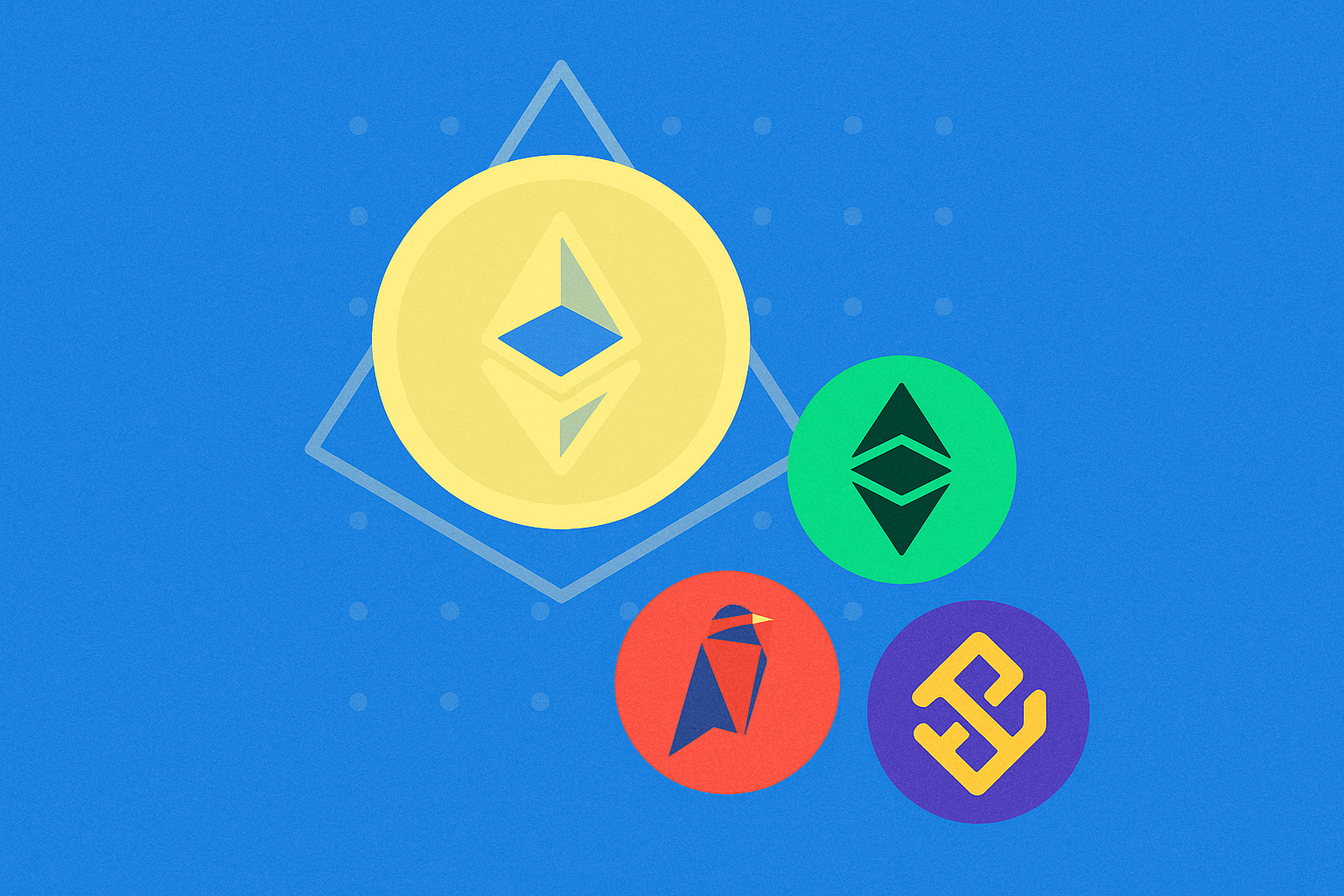
Ethereum Classic (ETC) is the closest analog to original Ethereum mining and a logical option for former ETH miners. After The Merge, much of Ethereum’s hash rate migrated to ETC. Your existing Ethereum mining hardware can mine ETC without modification, using the same Ethash algorithm. Ethereum Classic is the original chain that preserved the "code is law" ethos after the 2016 split. It supports smart contracts and has an active developer community. ETC mining profitability depends on the coin’s price and network difficulty, generally ranging from 50–70% of former ETH mining returns.

Ravencoin (RVN) provides an appealing mining alternative, purpose-built for GPUs and resilient against ASIC dominance. Its KawPow algorithm is periodically updated to deter specialized hardware. Ravencoin enables asset transfer and real-world tokenization, with a straightforward process for creating and managing tokens. The network’s active community and stable GPU mining profitability, plus major exchange listings, ensure good liquidity.

Conflux (CFX) is a newer blockchain project still rewarding GPU miners and bringing a unique technology stack. Its Tree-Graph consensus algorithm enables high throughput without sacrificing decentralization. The project has strong backing in Asia, especially in China, and is actively building a DeFi and NFT ecosystem. The Octopus mining algorithm is GPU-optimized and offers solid returns, but as a young project, Conflux carries greater long-term risk.

Key Takeaways

  • Ethereum mining ended permanently on September 15, 2022, with the transition to Proof-of-Stake via The Merge upgrade—a planned protocol evolution

  • Staking has fully replaced mining as the main consensus mechanism and way to earn ETH rewards, providing a greener, more energy-efficient alternative

  • Former GPU mining rigs can be redirected to mine Ethereum Classic, Ravencoin, Conflux, and other Proof-of-Work cryptocurrencies, though profitability varies

  • The Proof-of-Stake transition cut Ethereum’s energy use by 99.95%, eliminating a major environmental critique of blockchain technology

  • Any service or platform claiming you can mine ETH directly with traditional methods is either a scam or outdated—be vigilant and verify your sources

  • Legitimate ways to earn ETH today include solo staking (32 ETH minimum), staking pools (any amount), liquid staking (with liquidity), yield farming, and DeFi protocol participation

FAQ

What Is Ethereum Mining and How Does It Work?

Ethereum mining was the process of validating blockchain transactions using computing power. Miners solved complex puzzles and earned ETH rewards. After the move to Proof of Stake, Ethereum mining ended in 2022.

What Equipment Is Needed for Ethereum Mining?

Ethereum mining required a powerful GPU with at least 4 GB of memory, a motherboard, CPU, power supply, and cooling system. Popular graphics cards included NVIDIA and AMD models. Mining software and a stable internet connection were also essential.

How Much Could You Earn From Ethereum Mining in 2024?

In 2024, mining profitability depended on electricity costs, hardware, and ETH price. Under ideal conditions, miners could earn $100 to $500 per month with standard rigs. Returns varied by region and required careful cost analysis.

What Are the Power and Cooling Requirements for Ethereum Mining?

Ethereum mining required a stable power supply (at least 1000W per GPU) and strong cooling. Use quality power supplies and install fans for heat management. Optimal GPU temperature: 60–70°C. Expect high electricity bills—this is the main expense.

What Happened to Ethereum Mining After the Switch to Proof of Stake?

After Ethereum switched to Proof of Stake, mining stopped. Staking replaced mining—ETH holders lock coins to validate the blockchain and earn rewards. This cut network energy consumption by 99.95% and made the system more eco-friendly.

Which Ethereum Mining Pool Is Best for Beginners?

For beginners, the best pools featured low entry barriers and user-friendly interfaces: Ethermine, Mining Pool Hub, or Nanopool. Look for high reliability, low fees (1–3%), and strong support.

What Are the Costs Associated With Ethereum Mining?

The main costs were electricity (the largest), mining hardware (GPU or ASIC), cooling, internet, and maintenance. Profitability depended on local electricity rates and equipment prices.

Is Ethereum Mining Profitable Right Now?

Ethereum mining was profitable with the right hardware and cheap electricity. However, profitability depended on ETH price, network difficulty, and operating costs. In 2026, demand for computing power is rising, boosting mining profits for professional operators.
* The information is not intended to be and does not constitute financial advice or any other recommendation of any sort offered or endorsed by Gate.

Share

Content

What Is Ethereum Mining?

Why Did Ethereum Mining End?

Can You Mine Ethereum Today?

Alternatives for Earning ETH

Ethereum Staking Guide

Other Mining Options

Key Takeaways

FAQ

Related Articles
Ethereum Shanghai Update: Effects on Staking Returns
Ethereum Shanghai Update: Effects on Staking Returns

The article analyzes the Ethereum Shanghai Update and its impact on staking returns, focusing on the transition from Ethereum to Ethereum 2.0 and the integration of the Proof of Stake consensus mechanism. It examines the Shanghai upgrade's role in enabling ETH withdrawals, enhancing staking flexibility, and improving network security. Key transitions and future Ethereum upgrades are also discussed, providing insight into Ethereum's evolution and scalability potential. Suitable for investors and crypto enthusiasts, it clarifies Ethereum's technical changes and their implications on staking and the broader blockchain ecosystem.
2025-12-20 08:31:41
How to Mine Ethereum? What You Need to Know About Ethereum Mining
How to Mine Ethereum? What You Need to Know About Ethereum Mining
# Maximize Your Ethereum Mining Profits: A Comprehensive Guide ## Introduction Ethereum mining ended permanently on September 15, 2022, when the network transitioned from Proof-of-Work to Proof-of-Stake through "The Merge." This guide addresses critical questions for former miners and crypto enthusiasts seeking legitimate ETH earning opportunities. Discover why mining is no longer possible, explore proven staking alternatives that generate steady rewards, learn how to repurpose mining hardware on Ethereum Classic and other GPU-friendly blockchains, and evaluate profitability using real calculations. Whether you're pivoting from traditional mining or entering Ethereum's evolved ecosystem, this comprehensive resource reveals how to maximize returns through staking, DeFi protocols, and alternative mining strategies—all while avoiding fraudulent cloud mining schemes and understanding regulatory implications across jurisdictions.
2026-01-01 11:02:40
How to Mine Ethereum? What You Need to Know About Ethereum Mining

How to Mine Ethereum? What You Need to Know About Ethereum Mining

# Beginner's Guide to Ethereum Mining Explained - Article Introduction Ethereum mining has permanently ended following The Merge transition to Proof-of-Stake, but this guide reveals the legitimate earning alternatives now available. This comprehensive resource explains why traditional mining ceased, how Ethereum staking replaced it with 99.95% lower energy consumption, and which GPU-friendly cryptocurrencies like Ethereum Classic still support mining operations. Whether you're a former miner seeking alternatives, a beginner exploring passive income through staking on Gate, or someone evaluating cryptocurrency earning strategies, this article clarifies outdated mining methods versus current opportunities. Discover solo staking requirements, staking pool advantages, profitability calculations, and critical warnings about cloud mining scams. Master Ethereum's new era and make informed decisions about participating in network security and earning ETH rewards sustainably.
2026-01-07 00:26:45
Is ETH Mining Dead? Can You Still Mine Ethereum in Recent Years?
Is ETH Mining Dead? Can You Still Mine Ethereum in Recent Years?

This comprehensive guide explores Ethereum mining's evolution and current landscape. The article explains how cryptocurrency mining secures blockchain networks through Proof-of-Work consensus, details Ethereum's historical GPU-based mining process, and examines why miners were attracted to the network. Critically, it clarifies that Ethereum mining is no longer viable following the September 2022 transition to Proof-of-Stake through The Merge, which reduced energy consumption by 99.95%. Former miners pivoted to alternative PoW cryptocurrencies like Ethereum Classic and Ravencoin, facing increased difficulty and reduced profitability. The guide positions staking as the modern alternative for earning ETH while supporting network security. Additionally, it addresses legal considerations across jurisdictions and tax implications for cryptocurrency participants, providing essential context for anyone considering involvement in blockchain consensus mechanisms through Gate or other legitimate platforms.
2026-01-17 04:19:06
How to Mine Ethereum?

How to Mine Ethereum?

Ethereum mining is no longer possible following the September 2022 Merge, which transitioned the network from Proof of Work to Proof of Stake, reducing energy consumption by 99.95%. This guide explores why mining ended and presents viable alternatives for former miners. Former ETH miners can pivot to mining Ethereum Classic (ETC) or other PoW cryptocurrencies using existing GPU hardware. Alternatively, ETH holders can stake their coins on reputable cryptocurrency platforms like Gate for steady 3-5% APY rewards with minimal technical requirements and professional security protections. The article provides step-by-step instructions for mining alternatives and staking, detailed cost-benefit analysis, security best practices, and a comprehensive comparison of earning options to help you choose the most profitable path forward in the post-Merge era.
2026-01-17 12:12:12
Staking

Staking

A detailed beginner’s guide to crypto staking: understanding how Proof of Stake (PoS) works, generating passive income, reward mechanisms, staking platforms on Gate, and other leading alternatives. Start earning with your tokens today!
2026-01-10 08:38:33
Recommended for You
Jasmy Coin Future: A Deep Dive into Its Prospects

Jasmy Coin Future: A Deep Dive into Its Prospects

Jasmy Coin represents a blockchain-based solution transforming IoT data management through decentralization and user empowerment. Founded by Sony veterans, it addresses critical privacy gaps by enabling individuals to own, control, and monetize personal data across connected devices. The platform operates via smart contracts, cryptographic protocols, and a decentralized marketplace, ensuring transparent transactions while eliminating corporate data monopolies. Key advantages include enhanced privacy protection, user sovereignty, resilience against breaches, and legitimate economic opportunities for data owners. Investment potential remains strong as global IoT adoption accelerates, regulatory frameworks like GDPR tighten, and demand for privacy-preserving solutions increases. Jasmy Coin positions itself at the intersection of IoT expansion and blockchain maturation, offering meaningful real-world utility beyond cryptocurrency speculation while navigating competitive challenges and regulatory complexities acro
2026-01-21 16:13:11
Top 15 AI Cryptocurrencies to Know in the Digital Era
Top 15 AI Cryptocurrencies to Know in the Digital Era

This comprehensive guide explores the intersection of artificial intelligence and blockchain technology, examining leading AI cryptocurrency projects worth monitoring in 2024. As AI tokens experience significant market growth driven by technological innovation and investor confidence, the article analyzes 12 prominent projects including NEAR Protocol, Artificial Superintelligence Alliance, Arkham, Grass Network, and Render Network, detailing their unique applications from decentralized AI marketplaces to GPU computing. The integration of AI with blockchain delivers enhanced security, advanced data management, increased transparency, and cost reduction across industries. While AI tokens offer substantial growth potential, portfolio diversification, and decentralized governance benefits, investors must carefully evaluate market volatility, regulatory uncertainty, and technological risks. The guide provides essential frameworks for evaluating project fundamentals, team expertise, and long-term viability, helping
2026-01-21 16:10:20
Can I Trade Pi Coin: A Deep Dive into the Future of Cryptocurrency

Can I Trade Pi Coin: A Deep Dive into the Future of Cryptocurrency

This comprehensive guide explores Pi Coin trading on cryptocurrency exchanges, covering its innovative mobile-based mining ecosystem and current trading status. Pi Coin, developed by Stanford graduates, revolutionizes blockchain accessibility through a user-friendly smartphone application that eliminates traditional mining barriers. Currently in its development phase, Pi Coin is not yet listed on exchanges like Gate, but the guide details its groundbreaking features including environmental sustainability, robust decentralization, and community-driven engagement. Learn why Pi Coin maintains trading restrictions, understand upcoming milestones before mainnet launch, and discover the future trading prospects that position Pi as a transformative digital currency. Perfect for investors seeking to understand this emerging cryptocurrency before it becomes available on major trading platforms.
2026-01-21 15:30:44
What is XLM and XRP: A Comprehensive Comparison

What is XLM and XRP: A Comprehensive Comparison

This comprehensive guide compares XLM (Stellar Lumens) and XRP (Ripple), two leading cryptocurrencies designed for cross-border payments with distinct approaches. XLM prioritizes financial inclusion and individuals through its decentralized Stellar network with 3-5 second transaction times, while XRP targets institutional adoption through regulated financial partnerships and high throughput of 1,500 transactions per second. Key differences include network architecture, where XLM emphasizes decentralization and XRP maintains developer oversight for stability, plus divergent token economics and regulatory strategies. Both cryptocurrencies offer robust capabilities for international transfers on Gate exchange, but serve different market segments. Understanding these distinctions enables informed decisions based on use cases, decentralization preferences, and whether targeting retail or institutional applications.
2026-01-21 15:28:15
Can Jasmy Coin Reach $100?

Can Jasmy Coin Reach $100?

This comprehensive analysis examines whether Jasmy Coin can reach $100 by evaluating multiple critical factors. The article explores Jasmy's ecosystem as a decentralized data marketplace prioritizing privacy and user data ownership, analyzes historical market performance and current positioning, and evaluates economic drivers including supply-demand dynamics and adoption rates. It examines technological innovations, regulatory frameworks supporting data privacy, and expert perspectives on price potential. The analysis addresses substantial risks including market volatility, competitive threats, and execution challenges while providing balanced investment considerations. Ultimately, reaching $100 depends on convergent factors: ecosystem adoption, technological execution, regulatory support, and broader blockchain acceptance in solving data privacy problems.
2026-01-21 15:25:16
Comprehensive Guide to Free Crypto Trading Bots on Telegram

Comprehensive Guide to Free Crypto Trading Bots on Telegram

Learn how to leverage automated crypto trading bots on Telegram with our complete guide. Explore setup procedures, security measures, investment strategies, and essential best practices for Gate traders. Start automating your crypto trades today!
2026-01-21 15:22:30