How to Transfer Money from DeFi Wallet to Bank Account

Understanding the Essentials
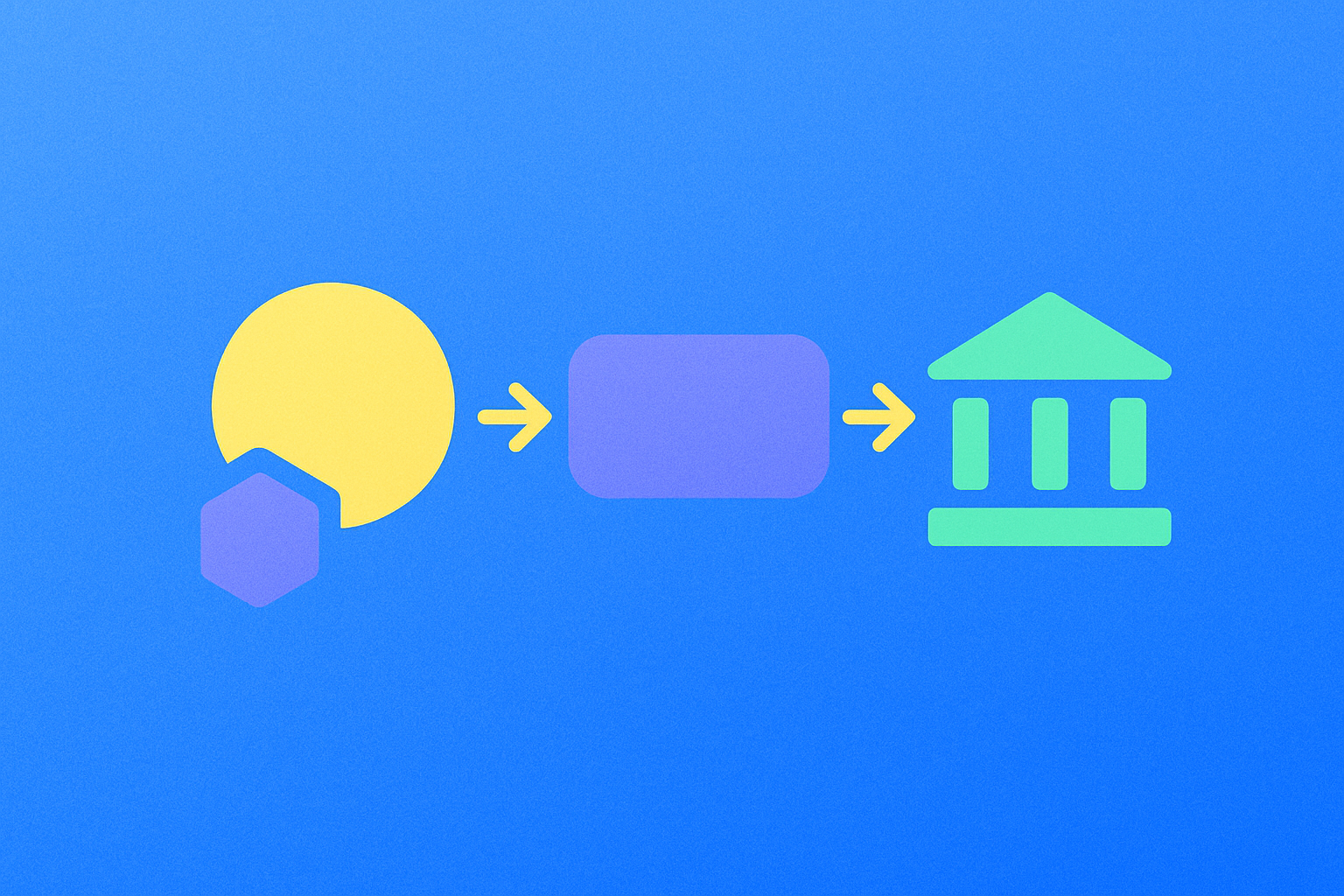
To successfully transfer funds from a DeFi wallet to a bank account, it's essential to understand the key components involved in this process. Each element plays a critical role in ensuring a smooth and secure transaction.
DeFi Wallet: A digital wallet that enables you to store, manage, and interact with your cryptocurrencies on a decentralized network. Popular examples include MetaMask, Trust Wallet, and Exodus. These wallets provide you with full control over your private keys, meaning you are the sole custodian of your funds. Unlike traditional banking systems, DeFi wallets operate without intermediaries, giving you direct access to decentralized financial services.
Cryptocurrency Exchange: A platform where you can convert your crypto assets into fiat currency. Reputable options include mainstream exchanges and leading platforms that support both crypto-to-crypto and crypto-to-fiat transactions. These exchanges act as the crucial bridge between the decentralized world and traditional banking systems. When selecting an exchange, consider factors such as security features, transaction fees, withdrawal limits, and regional availability.
Bank Account: Your traditional financial institution account where you want to deposit the converted fiat money. This is the final destination for your funds after completing the conversion process. Ensure your bank supports cryptocurrency-related transactions, as some financial institutions have restrictions or additional verification requirements for such transfers.
To seamlessly transfer funds, you need to utilize a cryptocurrency exchange that supports withdrawal to your bank account. The exchange serves as the intermediary that converts your digital assets into fiat currency and facilitates the transfer to your traditional banking system.
Step-by-Step Guide
Step 1: Connect to a Crypto Exchange
Establishing a connection between your DeFi wallet and a cryptocurrency exchange is the foundational step in transferring funds to your bank account. This process requires careful selection and proper setup to ensure security and efficiency.
Choose an Exchange: Select a cryptocurrency exchange that supports your DeFi wallet connection and offers reliable fiat withdrawal services. Leading exchanges and major platforms are widely trusted and provide seamless fiat-to-bank account transfers. When making your selection, research the exchange's reputation, security track record, and user reviews. Consider factors such as supported cryptocurrencies, withdrawal methods, processing times, and customer support quality.
Create an Account: If you haven't already, create your account on the chosen exchange platform. You'll need to complete the standard identity verification process, known as Know Your Customer (KYC). This typically involves submitting government-issued identification documents, proof of address, and sometimes a selfie for facial verification. While this process may seem intrusive, it's a regulatory requirement that helps prevent fraud and money laundering. The verification process can take anywhere from a few minutes to several days, depending on the exchange and the completeness of your submitted documents.
Link Your DeFi Wallet: Use secure methods provided by the exchange, such as a wallet connect feature or direct address linking, to connect your DeFi wallet to your exchange account. Many exchanges offer QR code scanning or WalletConnect protocol integration for seamless connection. Always verify you're connecting to the legitimate exchange platform by double-checking the URL and ensuring you're using official applications. Never share your private keys or seed phrases with anyone, as legitimate exchanges will never ask for this information.
Step 2: Transfer Cryptocurrency to Exchange
Once your wallet is properly linked and your exchange account is verified, you can proceed with transferring your cryptocurrency assets. This step requires attention to detail to avoid costly mistakes.
Initiate a Crypto Transfer: In your DeFi wallet, locate the send or transfer function and initiate a transfer to your exchange wallet. You'll need to enter the public deposit address provided by your exchange account. This address is typically found in the exchange's deposit section under the specific cryptocurrency you wish to transfer. Copy and paste the address carefully, and if possible, use the QR code scanning feature to minimize the risk of errors. Even a single character mistake in the address could result in irreversible loss of funds.
Choose the Right Network and Fee: Pay careful attention to network selection and fee structures. Depending on the cryptocurrency, you might use networks like Ethereum, Binance Smart Chain, Polygon, or others. Ensure the network you select in your DeFi wallet matches the network supported by your exchange for that particular token. Network fees (gas fees) can vary significantly based on network congestion. During peak times, fees may be substantially higher. Consider using network fee estimation tools to choose an appropriate fee level that balances speed and cost.
Confirm the Transaction: Review all transaction details carefully before approval. Verify the recipient address, transfer amount, network selection, and estimated fees. Once you're confident everything is correct, approve the transaction in your DeFi wallet. After confirmation, you'll receive a transaction hash (TXID) that you can use to track the transfer status on a blockchain explorer. Transfer times typically range from a few minutes to several hours, depending on network congestion and the number of confirmations required by the exchange. Most exchanges require multiple network confirmations before crediting the funds to your account.
Step 3: Convert to Fiat Currency
With your cryptocurrency successfully deposited on the exchange platform, you can now convert it to fiat currency. This conversion process is straightforward but requires understanding of trading mechanics.
Exchange to Fiat: Navigate to the trading section of your exchange account and locate the appropriate trading pair for your cryptocurrency. For example, if you hold Ethereum and want to convert to US dollars, you would look for the ETH/USD pair. Most major exchanges offer direct crypto-to-fiat trading pairs for popular cryptocurrencies, eliminating the need for multiple conversion steps.
Execute a Trade: Submit a 'Sell' order for your cryptocurrency using the exchange's trading interface. You have two primary order types to choose from:
-
Market Order: This executes immediately at the current market price. Market orders are ideal when you want to convert your cryptocurrency quickly and are willing to accept the prevailing market rate. The advantage is instant execution, but you may experience slight price slippage during volatile market conditions.
-
Limit Order: This allows you to specify the exact price at which you want to sell your cryptocurrency. Your order will only execute when the market reaches your specified price. Limit orders give you more control over the conversion rate but may take longer to execute or may not execute at all if the market doesn't reach your target price.
After your order executes, the fiat currency will be credited to your exchange account balance, ready for withdrawal to your bank account.
Step 4: Withdraw to Your Bank Account
The final step involves transferring your converted fiat money from the exchange to your traditional bank account. This process typically takes several business days and may involve additional verification steps.
Navigate to Withdrawals: On the exchange platform, locate the 'Withdraw' or 'Bank Transfer' option, usually found in the wallet or funds management section. Select the fiat currency you wish to withdraw, ensuring it matches your bank account's currency to avoid unnecessary conversion fees.
Add Bank Account Details: Input your bank account information if you haven't previously saved it. Required information typically includes your bank name, account holder name, account number, routing number (for US banks) or IBAN (for European banks), and SWIFT/BIC code for international transfers. Be extremely meticulous when entering these details, as errors can result in failed transfers, delays, or funds being sent to the wrong account. Many exchanges allow you to save multiple bank accounts for future convenience.
Confirm Withdrawal: Select the withdrawal amount, ensuring you account for any withdrawal fees charged by the exchange. Review all details carefully, including the bank account information, withdrawal amount, and estimated arrival time. Some exchanges implement additional security measures for fiat withdrawals, such as email confirmation, SMS verification, or two-factor authentication codes. After confirming the withdrawal, the exchange will process your request. Processing times vary by exchange and banking institution but typically range from 1-5 business days. Some exchanges offer expedited withdrawal options for an additional fee. You can usually track the withdrawal status in your exchange account's transaction history.
Security Considerations
Transferring money from a DeFi wallet to a bank account involves handling sensitive financial data and digital assets. Implementing robust security measures is crucial to protect your funds throughout the entire process.
Enable Two-Factor Authentication (2FA): Add an additional security layer to both your exchange account and bank account by enabling two-factor authentication. Preferably use authenticator apps like Google Authenticator or Authy rather than SMS-based 2FA, as SMS can be vulnerable to SIM swapping attacks. 2FA significantly reduces the risk of unauthorized access, even if someone obtains your password. Consider using different 2FA methods for different accounts to add another layer of security.
Stay Informed of Exchange Policies: Thoroughly familiarize yourself with your exchange's policies regarding transaction fees, withdrawal limits, processing times, and regional restrictions. Exchanges regularly update their fee structures and policies, so review them periodically. Understanding these policies helps you avoid unexpected charges and delays. Pay particular attention to minimum and maximum withdrawal amounts, daily withdrawal limits, and any special requirements for large transactions.
Beware of Phishing Scams: Exercise extreme caution when accessing your exchange account or DeFi wallet. Always double-check URLs before entering login credentials, and bookmark official exchange websites to avoid accidentally visiting phishing sites. Be skeptical of emails claiming to be from exchanges, especially those requesting immediate action or containing suspicious links. Legitimate exchanges will never ask for your password, private keys, or seed phrases via email or direct message. When in doubt, navigate directly to the exchange's official website rather than clicking links in emails. Consider using a hardware wallet for storing significant amounts of cryptocurrency, as they provide the highest level of security against online threats.
Use Secure Networks: Avoid conducting cryptocurrency transactions or accessing financial accounts on public Wi-Fi networks. Public networks are often unsecured and can be monitored by malicious actors. If you must use public Wi-Fi, employ a reputable VPN service to encrypt your internet connection.
Keep Software Updated: Regularly update your wallet applications, exchange apps, and operating systems to ensure you have the latest security patches. Outdated software may contain vulnerabilities that hackers can exploit.
Maintain Transaction Records: Keep detailed records of all transactions, including transaction hashes, dates, amounts, and exchange rates. These records are valuable for tax purposes and can help resolve any disputes or issues that may arise during the transfer process.
Future Developments in DeFi-Banking Integration
The intersection between DeFi and traditional banking is experiencing rapid evolution, driven by technological innovation and increasing mainstream adoption. Understanding these developments can help you anticipate future improvements in the transfer process.
Over recent years, the gap between decentralized finance and conventional banking systems has been gradually narrowing. Innovations in blockchain technology are facilitating this integration, making it progressively easier to move funds between these two financial ecosystems. Several emerging trends are shaping this landscape:
Direct Fiat On-Ramps: Decentralized exchanges are developing solutions to offer direct fiat withdrawals, reducing dependency on centralized exchanges. These innovations aim to maintain the privacy and autonomy principles of DeFi while providing convenient access to traditional banking services. Projects are exploring peer-to-peer fiat exchange mechanisms and integration with payment processors to enable seamless conversions.
Regulatory Clarity: As governments and regulatory bodies develop clearer frameworks for cryptocurrency and DeFi, the process of transferring funds between decentralized and traditional systems is becoming more standardized and secure. This regulatory evolution, while sometimes challenging for the industry, ultimately provides greater consumer protection and institutional confidence.
Banking Integration: Progressive financial institutions are beginning to offer cryptocurrency services directly, including custody solutions, trading platforms, and seamless integration with traditional accounts. This trend is making it easier for users to manage both crypto and fiat assets within a single banking relationship.
Stablecoin Adoption: The growing use of fiat-backed stablecoins is creating more efficient bridges between crypto and traditional finance. Stablecoins provide price stability while maintaining the benefits of blockchain technology, making them ideal for facilitating transfers between DeFi and banking systems.
Navigating the financial landscape with a firm understanding of both traditional and decentralized systems empowers you to leverage new opportunities without sacrificing the benefits of either ecosystem. While complexities remain in the transfer process, ongoing technological advancements continue to enhance the ease, speed, and security of such transactions. With this comprehensive guide, you're better equipped to bridge your DeFi endeavors with conventional finance, ensuring you stay informed and capable in this rapidly evolving digital financial era. As the integration between DeFi and traditional banking deepens, users can expect more streamlined processes, reduced fees, and enhanced security measures that will make transferring funds between these systems as simple as conducting any other financial transaction.
FAQ
What are the complete steps to transfer money from DeFi wallet to bank account?
Select withdrawal option, enter amount, choose target cryptocurrency, complete identity verification, then transfer crypto to exchange and convert to fiat currency before withdrawing to your bank account.
Which DeFi wallets support direct withdrawal to bank accounts?
Certain DeFi wallets like Eidoo support direct withdrawals to bank accounts through fiat conversion features. However, most DeFi wallets require using ramps or bridges to convert crypto to fiat before bank transfers. Check your wallet's specific features for current withdrawal options.
How long does it take to withdraw from a DeFi wallet to a bank account?
Withdrawal time typically ranges from 1 hour to several days, depending on your bank and payment method. Ensure account names match to avoid delays and expedite processing.
DeFi钱包提现到银行账户会产生哪些费用?
DeFi wallet withdrawals to bank accounts typically incur platform fees (0.1%-2%), network gas fees, and potential bank transfer charges. Exact costs vary by platform and withdrawal method.
What security issues should I pay attention to when withdrawing DeFi assets to a bank account?
Verify smart contract code for vulnerabilities, use trusted platforms, enable two-factor authentication, protect private keys, confirm withdrawal addresses, monitor transaction fees, and avoid public WiFi during transactions.
Does DeFi wallet withdrawal to bank account have amount limits?
Yes, DeFi wallet withdrawals to bank accounts typically have daily limits, usually up to $100,000 USD or equivalent per day. The limit resets daily at 00:00 UTC. Specific limits may vary depending on your verification level and payment provider.
How to choose a suitable platform for DeFi withdrawals?
Select based on security audits, supported assets, and withdrawal fees. Prioritize platforms with strong track records and low transaction costs. Compare liquidity, user experience, and regulatory compliance before deciding.
Does DeFi wallet withdrawal require KYC authentication?
DeFi wallets typically don't require KYC for withdrawals. Decentralized wallets are non-custodial, meaning you control your assets directly. However, KYC requirements depend on the withdrawal method—if you use peer-to-peer or direct on-chain transfers, no KYC is needed. Only centralized platforms may require KYC.

What is DeFi (Decentralized Finance) and How it Works

Easy Guide: How to Convert Telegram Stars to TON Cryptocurrency

Understanding Rewards from Providing Liquidity to Pools

Understanding DeFi: A Beginner's Guide to Decentralized Finance Users

What is a stablecoin? A complete beginner’s guide to stable cryptocurrencies

How to Select and Compare Cryptocurrency Credit Cards
How to Get Bitcoin Cash Wallet Address
How Many Crypto Billionaires Are There: The Digital Gold Rush
Understanding Gold: Element, Compound, or Mixture?
The State of Crypto: The Fortune 500 Moving Onchain
Is Crypto Address Case Sensitive?