How to use MACD, RSI, and KDJ indicators for crypto trading signals in 2026

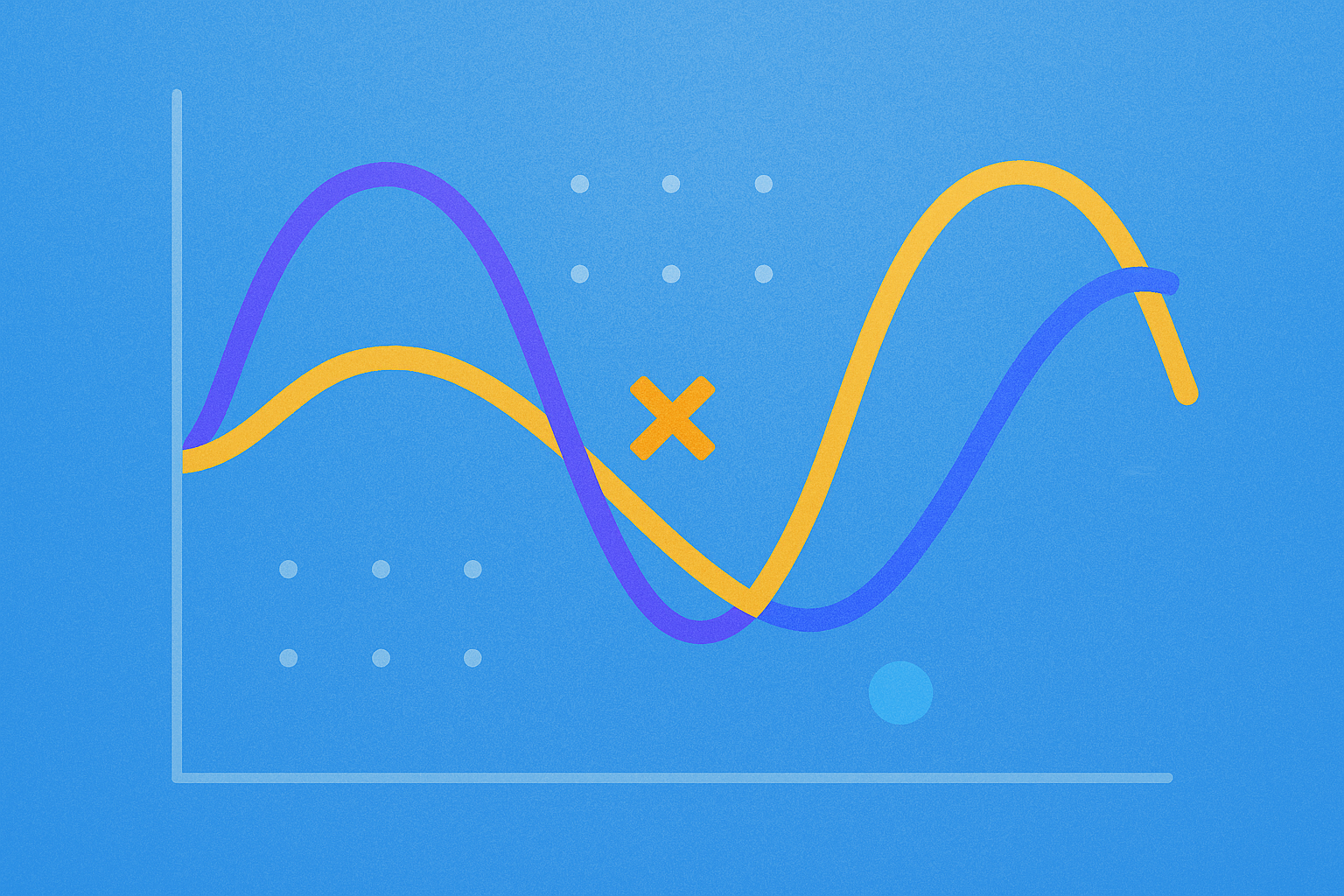
MACD, RSI, and KDJ indicators show the strongest crypto trading signals during high volatility periods in 2026
Volatile market conditions create the ideal environment for these technical tools to demonstrate their analytical strengths. During periods of heightened price swings in 2026, the MACD indicator excels at capturing trend shifts and momentum changes that characterize volatile crypto markets. Simultaneously, RSI proves invaluable for identifying overbought and oversold extremes that frequently emerge when volatility intensifies, allowing traders to anticipate potential reversals before they occur. The KDJ indicator complements both by providing sensitive short-term readings that react quickly to sudden price movements typical of volatile conditions.
What makes these tools particularly effective together is their capacity to filter noise during turbulent trading environments. While a single technical indicator might generate false signals amid volatile swings, combining MACD's trend-following capability with RSI's momentum oscillation and KDJ's responsive stochastic measurements creates a robust crypto trading signals framework. Historical data from previous volatile quarters demonstrates that traders employing multi-indicator confirmation strategies experience significantly fewer false entries. During 2026's anticipated volatility phases, this layered approach becomes essential for distinguishing genuine market moves from temporary whipsaws that catch unprepared traders.
Golden cross and death cross patterns in moving average systems provide reliable entry and exit points for cryptocurrency positions
When a short-term moving average, typically the 50-day MA, crosses above a long-term moving average like the 200-day MA, traders recognize this pattern as a golden cross. This bullish signal suggests an upward trend reversal and has become a cornerstone of cryptocurrency technical analysis. Conversely, when the short-term MA dips below the long-term MA, the resulting death cross indicates potential weakness and downside momentum.
These moving average crossovers serve dual purposes for position management. Upon formation, the long-term moving average transitions into either a support level for golden crosses or a resistance level for death crosses. Traders utilize these technical levels to establish entry points when bullish signals emerge or to exit positions when bearish patterns develop. The reliability of these patterns in cryptocurrency markets strengthens when analyzed across longer timeframes, making them particularly valuable for swing and position traders rather than intraday scalpers.
However, understanding their limitations is crucial for 2026 trading. Both patterns represent lagging indicators—they reflect price weakness or strength that has already materialized rather than forecasting future moves. Bitcoin's recent death cross formations, for instance, appeared only after substantial price corrections had already occurred. Successful traders combine golden cross and death cross signals with other indicators like MACD or RSI to confirm directional bias before committing capital to new cryptocurrency positions.
Volume-price divergence analysis reveals hidden market reversals before major price movements occur
Volume-price divergence operates as a powerful diagnostic tool in crypto trading, detecting shifts in market sentiment before major price movements materialize. When trading volume spikes while price action remains relatively flat—or conversely, when prices climb on diminishing volume—traders witness a critical signal that existing trends are losing conviction. This divergence frequently precedes significant market reversals, as institutional activity patterns become visible through volume analysis.
High trading volume typically signals strong participation from sophisticated market participants preparing for major moves. When volume-price divergence appears at key technical levels, it often indicates that smart money is accumulating or distributing positions ahead of trend reversals. For crypto traders using MACD, RSI, and KDJ indicators, volume-price divergence serves as an invaluable confirmation tool. When a breakout occurs alongside elevated trading volume, it strengthens the validity of the signal, making the potential price movement more reliable.
The practical application involves monitoring volume surges that precede price movements, particularly at resistance and support levels. A confirmed breakout above key resistance with continued high volume substantially increases the probability of sustained price momentum. Integrating volume-price divergence analysis with your existing technical indicators creates a more comprehensive trading signal system, helping identify reversals that other traders might miss, thereby revealing hidden opportunities within crypto markets before major price movements accelerate.
FAQ
What is the basic principle of the MACD indicator and how to use MACD to generate buy and sell signals in cryptocurrency trading?
MACD measures momentum by comparing 12-period and 26-period exponential moving averages. Buy signals occur when MACD crosses above the signal line; sell signals when it crosses below. Zero-line crossovers also indicate trend changes. Combine with other indicators for stronger signals.
How does the RSI Relative Strength Index determine overbought and oversold states in cryptocurrencies? What are the optimal RSI parameter settings?
RSI values above 70 indicate overbought conditions, while below 30 suggest oversold states. The default parameter is 14 periods, optimal for most crypto assets. Advanced traders adjust thresholds to 80/20 in strong trends and combine RSI with other indicators for confirmation signals.
What are the differences between KDJ indicator compared to MACD and RSI? How can these three indicators be used together to improve trading signal accuracy?
KDJ excels at short-term signals, MACD identifies trend direction, and RSI detects overbought/oversold levels. Combine them: use KDJ for entry timing, verify with RSI, confirm with MACD for trend support. When all three align, trading accuracy significantly increases.
How to avoid technical indicator pitfalls? What are the failure cases of MACD, RSI, and KDJ in cryptocurrency markets?
MACD, RSI, and KDJ often fail in crypto due to high volatility and lagging signals, causing false entries. Combine multiple analysis methods, confirm signals with volume and trend analysis, and use stop-losses to mitigate risks effectively.
How applicable are these technical indicators in the 2026 crypto market environment? Do parameters need adjustment?
MACD, RSI, and KDJ indicators remain effective in 2026, but parameters require adjustment based on market volatility. Modern approach combines on-chain data analysis. Consider shorter timeframes for increased volatility and integrate multiple indicators for signal confirmation.
Which technical indicator should beginners learn first: MACD, RSI, or KDJ?
RSI is the easiest for beginners to master. It measures overbought/oversold conditions with clear signals above 80 or below 20. RSI's straightforward interpretation makes it ideal for newcomers before advancing to MACD or KDJ.
What risks should be considered when trading with technical indicators, and how to combine other analysis methods for risk management?
Technical indicators carry risks like signal lag and false breakouts in volatile markets. Combine them with fundamental analysis, on-chain metrics, and sentiment analysis. Use stop-losses based on volatility indicators like ATR, diversify signals across MACD, RSI, and KDJ, and avoid over-reliance on single indicators for robust risk management.

How to Use Technical Indicators (MACD, RSI, KDJ) for Crypto Trading Signals?

How to Use MACD, RSI, and Bollinger Bands for Crypto Trading Signals in 2025

How to Use MACD, RSI, and Bollinger Bands Indicators for Crypto Trading in 2026?

# How to Use Technical Indicators (MACD, RSI, KDJ, Bollinger Bands) for Crypto Trading Analysis

How to Use MACD, RSI, and Bollinger Bands for Crypto Trading Signals in 2026

How to Use MACD, RSI, and Bollinger Bands for Crypto Trading Signals in 2026

What are the major security risks in cryptocurrency and blockchain networks in 2025?

Where Can I Buy Monero (XMR)? Your Complete Guide

What is on-chain data analysis: active addresses, transaction volume, whale distribution and fee trends explained

What drives YieldBasis (YB) community engagement and ecosystem growth in 2025: X followers surpass 500,000 and developer participation soars
What If XRP Wins Lawsuit: Crypto Market Impacts Explored