Is It Safe to Invest in Bitcoin Today
Current Market Trends and Institutional Insights
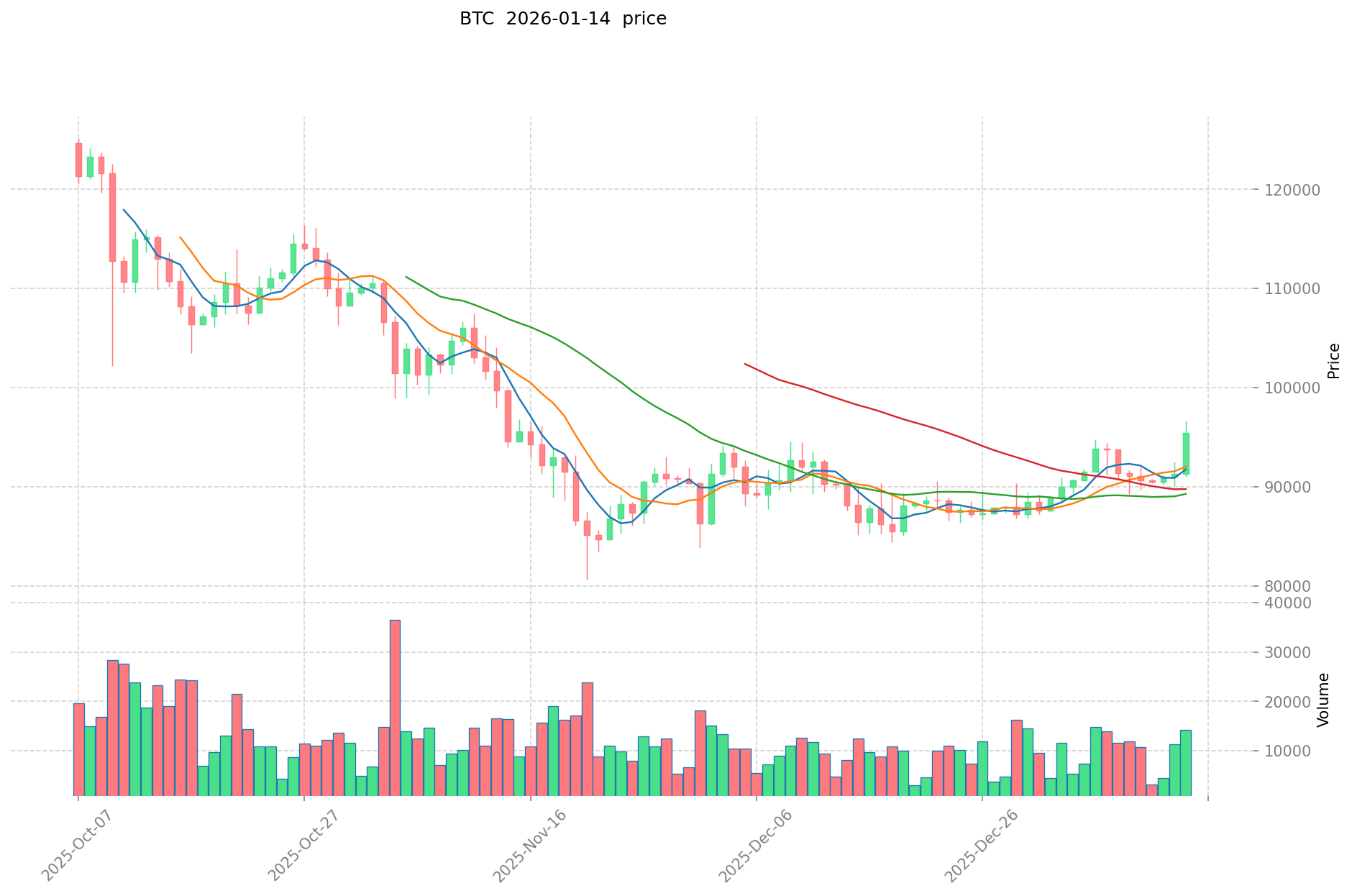
In recent years, Bitcoin has maintained its position as the largest cryptocurrency by market capitalization, with daily trading volumes frequently exceeding $20 billion. According to analysis by JPMorgan strategist Nikolaos Panigirtzoglou, Bitcoin appears significantly undervalued when compared to traditional assets like gold, particularly after adjusting for volatility differences. The research suggests that Bitcoin's price could potentially rise by 66% to reach a target of $170,000 if it were to match gold's level of private investment value.
This valuation perspective is supported by several fundamental market improvements:
- Reduced Market Leverage: Lower leverage ratios across the cryptocurrency market decrease the risk of cascading liquidations and sudden sell-offs, contributing to greater price stability.
- Decreased Speculative Trading Activity: The decline in purely speculative trading suggests a maturing market where investors are increasingly focused on long-term value rather than short-term gains.
- Growing Institutional Acceptance: Major financial institutions, pension funds, and asset managers have increasingly allocated portions of their portfolios to Bitcoin, viewing it as a legitimate asset class for diversification and inflation hedging.
These institutional developments have created a more robust market infrastructure, with improved liquidity and reduced volatility compared to earlier years. The presence of regulated investment vehicles and professional custody solutions has made Bitcoin more accessible to conservative investors who previously viewed the asset class as too risky. This evolution in market structure makes the question "is it safe to invest in Bitcoin today" particularly relevant for investors seeking exposure to digital assets within a more mature ecosystem.
Key Risks and Security Considerations
Despite positive market trends, Bitcoin investment continues to carry inherent risks that every investor must understand and manage. Volatility remains the most prominent characteristic, with price fluctuations that can exceed 10% within a single trading day. This volatility stems from various factors including regulatory announcements, macroeconomic conditions, and shifts in market sentiment.
Security represents another critical concern for Bitcoin investors. While the Bitcoin network itself has demonstrated remarkable resilience since its inception, with no successful attacks on its core protocol, individual investors face several security challenges:
- Exchange Vulnerabilities and Asset Theft: Historical incidents have resulted in the loss of billions of dollars worth of cryptocurrency from centralized platforms. Investors should carefully evaluate the security measures of any platform they use.
- Private Key Management: Loss or theft of private keys means permanent loss of access to Bitcoin holdings. Unlike traditional banking, there is no customer service department that can reset your password or recover your account.
- Phishing and Social Engineering: Sophisticated scams targeting cryptocurrency holders have become increasingly common, with fraudsters impersonating legitimate services or creating fake investment opportunities.
- Regulatory and Tax Compliance: Failure to properly report cryptocurrency holdings and transactions can result in legal complications and financial penalties.
To enhance investment safety, consider implementing these security best practices:
- Use hardware wallets for long-term storage of significant Bitcoin holdings
- Enable multi-factor authentication on all accounts
- Regularly update software and firmware on devices used for cryptocurrency transactions
- Verify all addresses and transaction details before confirming transfers
- Maintain secure backups of recovery phrases in multiple physical locations
- Stay informed about emerging security threats and best practices
Reputable trading platforms typically offer advanced security features including cold storage solutions, insurance coverage, and regular security audits. However, investors should remember that holding assets on any exchange carries counterparty risk, and the principle of "not your keys, not your coins" remains relevant for those seeking maximum security.
Market Maturity and Regulatory Developments
The Bitcoin investment landscape has undergone significant transformation in recent years, marked by increased institutional participation and evolving regulatory frameworks. This maturation process has created a more structured environment that addresses many concerns about market manipulation and investor protection.
Key indicators of market maturity include:
- Expanding User Base: The number of active Bitcoin wallets and on-chain transactions has grown substantially, indicating broader adoption beyond early adopters and technology enthusiasts.
- Regulated Investment Products: The launch of Bitcoin ETFs, futures contracts, and other structured products in major financial markets has provided traditional investors with familiar vehicles for gaining Bitcoin exposure.
- Enhanced Transparency Standards: Leading cryptocurrency platforms have implemented stricter compliance measures, including Know Your Customer (KYC) procedures, anti-money laundering (AML) protocols, and regular financial audits.
- Institutional Infrastructure: The development of professional-grade custody solutions, prime brokerage services, and institutional trading desks has made Bitcoin accessible to large-scale investors with stringent security and compliance requirements.
Regulatory developments vary significantly across jurisdictions, but several positive trends have emerged:
- Major economies have established clearer frameworks for cryptocurrency taxation and reporting
- Financial regulators have begun approving Bitcoin-related products for retail and institutional investors
- International cooperation on cryptocurrency regulation has improved, reducing regulatory arbitrage concerns
- Consumer protection measures have been strengthened, including requirements for transparent fee disclosure and risk warnings
These developments contribute to a safer investment environment by reducing uncertainty and establishing clear rules of engagement. However, the regulatory landscape continues to evolve, and investors should stay informed about changes that may affect their holdings. The increasing regulatory clarity, combined with improved market infrastructure, represents a significant step toward mainstream acceptance of Bitcoin as an investment asset.
It is important to note that regulatory approaches differ substantially between jurisdictions, and what is permitted in one country may be restricted or prohibited in another. Investors should ensure they understand and comply with the regulations applicable to their location and circumstances.
Common Misconceptions and Practical Tips
Many investors approach Bitcoin with misconceptions that can lead to poor decision-making. Some believe Bitcoin is either "too risky to touch" or "guaranteed to make you rich," but the reality is more nuanced. The answer to "is it safe to invest in Bitcoin today" depends fundamentally on your individual circumstances, including risk tolerance, investment horizon, time commitment to research, and overall financial situation.
Understanding Investment Suitability:
Bitcoin may be suitable for investors who:
- Have a long-term investment perspective (typically 3-5 years or longer)
- Can afford to lose their entire investment without affecting their financial security
- Understand blockchain technology and cryptocurrency fundamentals
- Have already established a diversified portfolio of traditional assets
- Are comfortable with high volatility and potential drawdowns of 50% or more
Conversely, Bitcoin may not be appropriate for those who:
- Need access to their invested capital in the short term
- Cannot tolerate significant portfolio volatility
- Are investing money needed for essential expenses or near-term goals
- Lack the time or interest to understand the technology and market dynamics
Practical Investment Guidelines:
-
Portfolio Allocation: Financial advisors typically recommend limiting cryptocurrency exposure to 1-5% of total portfolio value, ensuring that potential losses remain manageable.
-
Dollar-Cost Averaging: Rather than attempting to time the market, consider investing fixed amounts at regular intervals to reduce the impact of volatility.
-
Security Best Practices:
- Use hardware wallets for holdings you plan to keep long-term
- Never share private keys, recovery phrases, or wallet passwords
- Be skeptical of investment opportunities promising guaranteed returns
- Verify the authenticity of websites and applications before entering credentials
-
Continuous Education: The cryptocurrency space evolves rapidly. Stay informed through:
- Reputable financial news sources and analysis
- Official announcements from regulatory bodies
- Academic research on blockchain technology and digital assets
- Community discussions from established cryptocurrency forums
-
Tax Planning: Maintain detailed records of all cryptocurrency transactions, including dates, amounts, and purposes. Consult with tax professionals familiar with cryptocurrency taxation in your jurisdiction.
-
Risk Management: Never invest based solely on fear of missing out (FOMO) or social media hype. Conduct thorough research, understand what you're investing in, and make decisions aligned with your financial goals.
Avoiding Common Pitfalls:
- Don't invest money you cannot afford to lose
- Avoid making investment decisions based on short-term price movements
- Be wary of "get rich quick" schemes and investment advice from unverified sources
- Don't neglect security measures to save time or money
- Resist the urge to panic sell during market downturns
Remember that while expert analysis may point to potential upside based on fundamental factors, all investments carry risk, and past performance does not guarantee future results. The most successful Bitcoin investors typically combine thorough research, disciplined risk management, and a long-term perspective. Before making any investment decision, carefully assess your personal financial situation, investment objectives, and risk tolerance, and consider consulting with qualified financial advisors who understand both traditional finance and digital assets.
FAQ
What are the main risks of Bitcoin investment?
Bitcoin investment carries high volatility risk with significant price fluctuations. Regulatory uncertainties,security threats,and market sentiment shifts can impact value. Technical risks and liquidity concerns also exist for investors to consider carefully.
How to Safely Buy and Store Bitcoin?
Purchase Bitcoin from reputable platforms with strong security credentials. Store your Bitcoin in hardware wallets for maximum security and offline protection. Enable two-factor authentication, regularly back up your private keys, and avoid sharing sensitive information online.
How much should ordinary investors allocate to Bitcoin given its high price volatility?
Bitcoin investment requires no large capital. Start with as little as $50. Despite volatility risks, potential returns are substantial. Even modest investments can achieve significant appreciation if Bitcoin's value multiplies multiple times.
What conditions and thresholds are required to invest in Bitcoin?
Bitcoin investment requires minimal capital and a reliable digital wallet. Most platforms accept investments starting from small amounts. You need internet access, identity verification, and funds to purchase. No specific qualifications are required for entry.
What are the advantages and disadvantages of Bitcoin investment compared to traditional investment?
Bitcoin offers high volatility and potential high returns with 24/7 trading, but lacks traditional financial regulation. Traditional investments are more stable with lower returns and regulated markets.
How to identify and avoid Bitcoin investment scams?
Verify platform legitimacy through official channels, avoid guaranteed return promises, enable two-factor authentication, use secure payment methods, protect private keys, and stay updated on fraud trends. Never share sensitive information with unverified sources.
What are the prospects for investing in Bitcoin in 2024?
Bitcoin investment outlook remains positive. Market adoption continues growing globally, with institutional interest increasing. 2024 demonstrated Bitcoin's resilience as a major asset class. Expect continued growth trajectory and broader mainstream acceptance in coming years.
How should beginners start investing in Bitcoin?
Beginners should start with small amounts they can afford to lose. Research Bitcoin fundamentals, choose a reputable platform, and use secure wallets for storage. Learn market trends, stay informed, and invest gradually as confidence grows.

Top Secure Solutions for Storing Cryptocurrencies

Top Choices for Secure Crypto Storage Devices

Top Secure Hardware Wallets for Your Digital Assets

Top-Rated Secure Hardware Wallets for Crypto Storage
Secure Solutions for Storing Bitcoin in the UK

Creating Secure Cryptocurrency Storage with Paper Wallets

What Does On-Chain Data Analysis Reveal About BONK's 470K Active Addresses and Trading Patterns?

How Much XRP to Be in Top 10 Percent: Full Guide
How Does Federal Reserve Policy and Inflation Data Impact Cryptocurrency Prices in 2026?

Can Visa Gift Cards Be Used on Steam?

How does on-chain data analysis reveal AAVE's dominance in DeFi lending with over $120 billion TVL in 2026?