Leading Multi-chain Wallet Officially Integrates WalletConnect 2.0 Protocol

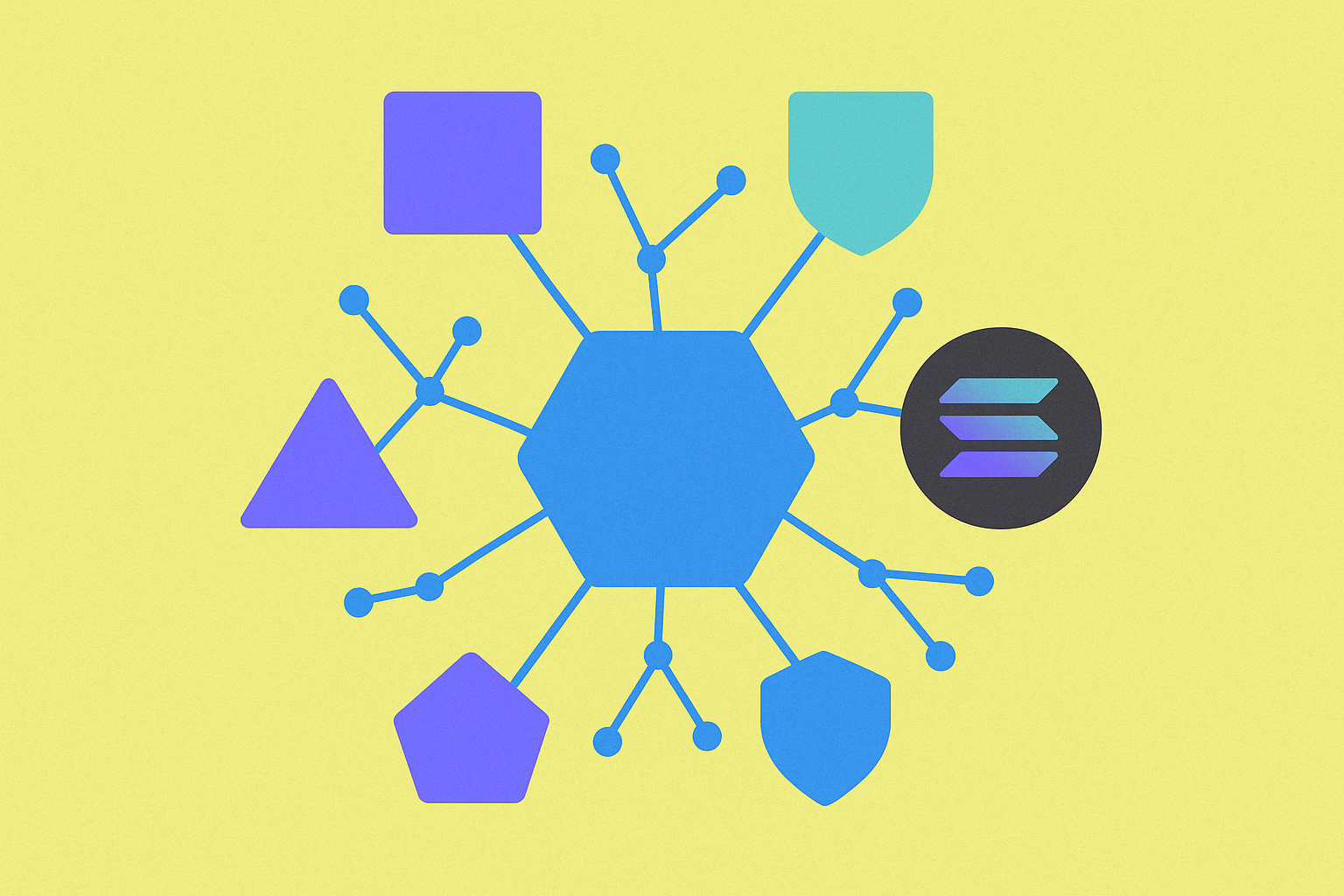
Enhanced Web 3.0 Connectivity Through Protocol Integration
The Web 3.0 communication protocol WalletConnect has successfully integrated with a prominent multi-chain wallet solution, marking a significant milestone in the "Wallet + DApp" ecosystem development. This integration enables users to seamlessly interact with the wallet platform through multiple connection methods, including QR code scanning on browsers or direct APP navigation via Deep Link functionality. The implementation ensures secure interaction with all integrated decentralized applications (DApps) while maintaining user privacy and asset security.
This connectivity enhancement represents a crucial step forward in bridging the gap between traditional web experiences and blockchain-based applications. Users can now enjoy a more streamlined workflow when accessing DApps, eliminating previous friction points that often deterred mainstream adoption. The protocol integration supports end-to-end encrypted communication, ensuring that sensitive wallet operations remain protected throughout the interaction process.
Comprehensive Multi-version Compatibility and Feature Implementation
The mobile terminal of this wallet solution has achieved full compatibility with both WalletConnect 1.0 and 2.0 versions, providing users with flexible connection options regardless of which protocol version a DApp utilizes. This backward compatibility ensures that users can access the entire ecosystem of existing applications while also benefiting from the enhanced features of the newer protocol version.
The implemented functionality encompasses several critical capabilities:
Multi-chain Ecosystem Support: The integration provides native support for multiple blockchain networks, including EVM-compatible chains and Solana. This multi-chain architecture allows users to manage diverse crypto assets and interact with DApps across different blockchain ecosystems without switching between multiple wallet applications. The seamless cross-chain experience eliminates the complexity traditionally associated with managing assets on various networks.
Simultaneous Multi-chain Connection Requests: DApps can now initiate connection requests across multiple blockchain networks simultaneously, significantly improving user experience for applications that operate across different chains. This feature is particularly valuable for cross-chain DeFi protocols, NFT marketplaces, and other multi-chain applications that require access to assets on various networks.
Automatic Reconnection Mechanism: The system includes an intelligent reconnection feature that automatically re-establishes connections when network disruptions occur. This ensures uninterrupted user experience and prevents transaction failures due to temporary connectivity issues, which is especially important for time-sensitive operations like trading or auction participation.
Upcoming Feature Expansion and Development Roadmap
Future versions of the integration will introduce additional capabilities to further enhance the wallet-DApp interaction experience. Planned features include Cosmos chain connections, expanding the multi-chain support to include the growing Cosmos ecosystem with its unique inter-blockchain communication protocol. Users will also gain the ability to switch between different EVM-compatible chains directly on the authorized link page, eliminating the need to return to the wallet interface for network changes.
Additional upcoming features include multi-session support, allowing users to maintain simultaneous connections with multiple DApps without conflicts, as well as integrated Chat and Push notification functionalities that will enable real-time communication between wallets and DApps for transaction updates, security alerts, and other important notifications.
Advanced Security Architecture and Privacy Protection
Security considerations have been paramount in the design and implementation of this integration. The connection mechanism between the wallet platform and WalletConnect significantly reduces the exposure risk of sensitive cryptographic materials, including mnemonic phrases and private keys. This security model operates similarly to a sandbox environment, where all sensitive cryptographic operations are confined within the mobile device's secure enclave.
The architecture ensures that mnemonic phrases and private keys never leave the user's mobile device and are never exposed to DApps or intermediary services. This isolation prevents potential attack vectors such as phishing attempts, man-in-the-middle attacks, or malicious DApp exploits from compromising user funds. Despite this strict security boundary, the system maintains full functionality for DApp connections and transaction signing, providing users with both security and convenience.
The protocol employs end-to-end encryption for all communication between the wallet and DApps, ensuring that even if network traffic is intercepted, the contents remain unintelligible to potential attackers. This encryption layer adds an additional security dimension beyond the device-level protections.
Shared Vision and Industry Infrastructure Development
Both WalletConnect and the wallet platform share a common origin, having been established in the same year and weathering multiple market cycles together. This shared history has fostered a deep understanding of the industry's infrastructure needs and user requirements. Both organizations are committed to building robust foundational infrastructure for the cryptocurrency industry, facilitating broader adoption by reducing technical barriers and improving user experience.
According to a developer from the wallet team, "WalletConnect represents an unbiased protocol that embodies the consensus of various stakeholders within the ecosystem. The protocol provides equal and open communication opportunities for all wallets and DApps through its end-to-end encrypted communication architecture at the foundational layer. This neutrality ensures that no single entity can dominate the wallet-DApp interaction space, promoting healthy competition and innovation."
The importance of solving internal communication challenges within Web 3.0 cannot be overstated. Insufficient convenience and interoperability have historically restricted ecosystem development, creating fragmentation that hinders user adoption and developer innovation. By integrating WalletConnect, the wallet platform has obtained an efficient solution that seamlessly combines web and mobile terminal interactions, significantly improving interoperability with DApps and strengthening the connection between users and the broader blockchain ecosystem.
WalletConnect 2.0 Protocol Optimizations and Wallet Compatibility
The WalletConnect 2.0 protocol introduces several optimization features that align perfectly with the wallet platform's multi-chain and user-centric design philosophy:
Multi-chain Support Enhancement
Multi-chain functionality has always been a core feature of this wallet solution, which supports over 70 mainstream public blockchains in recent development. As blockchain technology continues to evolve toward a multi-chain future, the demand for seamless cross-chain interaction has grown exponentially. WalletConnect 2.0 addresses this need by adding native support for additional blockchain ecosystems including Cosmos, Polkadot, Solana, and Near Protocol.
This expanded multi-chain support enables DApps to request connections across multiple blockchain networks simultaneously, a capability that is essential for the next generation of cross-chain applications. The wallet platform has implemented authorized connections for major networks including Ethereum, Polygon, and Solana, with Cosmos authorization scheduled for implementation in the subsequent version release. This progressive rollout ensures stability and thorough testing before expanding to additional networks.
Pairing and Session Separation Optimization
One of the most significant improvements in WalletConnect 2.0 addresses the frequent re-pairing requirement that plagued earlier versions. The new protocol architecture implements intelligent caching of previously paired wallets, storing this pairing information in a way that can be shared between applications within the same browser environment through iframe technology. This optimization eliminates the need for users to repeatedly scan QR codes for pairing when accessing different DApps through the same browser.
This enhancement proves particularly valuable for GameFi applications accessed through the wallet APP. Gaming DApps often require frequent interactions and multiple session connections, and the improved pairing mechanism significantly reduces friction in these use cases. Players can now enjoy a more seamless gaming experience without constant interruptions for re-authentication, leading to higher engagement and satisfaction.
Enhanced Security Risk Mitigation
The security architecture of the WalletConnect 2.0 integration builds upon the foundational security principles while introducing additional protective measures. The connection mechanism maintains the principle of never exposing mnemonic phrases or private keys to DApps, effectively creating a secure sandbox environment for all cryptographic operations.
This security model ensures that even if a malicious DApp attempts to request sensitive information, the protocol architecture prevents such data from ever leaving the secure environment of the mobile device. The new version maintains full functionality for DApp connections and transaction signatures while keeping all sensitive cryptographic operations isolated within the user's device. This balance between security and functionality represents a significant achievement in wallet-DApp interaction design.
Strategic Alliance for Web 3.0 Mainstream Adoption
The wallet platform's mission centers on designing products and services for the next billion Web 3.0 users, recognizing that mainstream adoption requires both technical excellence and user-friendly design. The strategic alliance with WalletConnect represents a commitment to deepening the connection between mobile and web terminals, as well as strengthening the relationship between wallets and DApps.
This partnership aims to attract more users to the Web 3.0 ecosystem by reducing technical barriers and improving the overall user experience. By providing seamless connectivity across different platforms and devices, the integration helps pave the way for mainstream Web 3.0 adoption in the coming years. The focus on interoperability, security, and user convenience addresses the primary obstacles that have historically prevented broader cryptocurrency and blockchain adoption.
As the Web 3.0 ecosystem continues to mature, such infrastructure-level collaborations become increasingly critical. The wallet-WalletConnect integration serves as a model for how different components of the blockchain ecosystem can work together to create a more cohesive and accessible environment for users, ultimately driving the industry toward its goal of providing decentralized financial services and applications to a global audience.
FAQ
What are the main improvements of WalletConnect 2.0 protocol compared to version 1.0?
WalletConnect 2.0 offers improved performance with faster connection speeds, enhanced security protocols, better cross-chain compatibility, reduced latency in transactions, and streamlined user experience with simplified pairing processes.
After the multi-chain wallet integrates WalletConnect 2.0 protocol, how do users connect and use it?
Users can easily connect by scanning the WalletConnect QR code with their multi-chain wallet app. Simply select WalletConnect 2.0 option, approve the connection request, and instantly access dApps across multiple blockchains with enhanced security and seamless cross-chain interaction capabilities.
WalletConnect 2.0连接钱包时的安全性如何保障?
WalletConnect 2.0采用端到端加密通信,支持会话密钥管理和签名验证。所有交互均在用户设备本地完成,私钥永不上链,确保资产安全。
Which blockchain networks can a multi-chain wallet supporting WalletConnect 2.0 connect to?
A multi-chain wallet with WalletConnect 2.0 support can connect to major blockchain networks including Ethereum, Polygon, Binance Smart Chain, Arbitrum, Optimism, Solana, and other EVM-compatible chains, enabling seamless cross-chain interactions.
Why do multi-chain wallets need to integrate WalletConnect protocol?
WalletConnect enables seamless cross-chain interaction, improves user experience with secure dApp connections, supports multiple blockchains simultaneously, and enhances interoperability across the Web3 ecosystem while maintaining private key security.
What are the differences between WalletConnect 2.0 and other wallet connection protocols?
WalletConnect 2.0 offers superior security with end-to-end encryption, supports multi-chain operations seamlessly, provides faster connection speeds, and enables better user experience with improved session management compared to earlier protocols.
Will connecting with WalletConnect 2.0 leak my private keys?
No. WalletConnect 2.0 uses end-to-end encryption and never exposes your private keys. Your keys remain secure in your wallet at all times. The protocol only enables message signing and transaction approval.
Which DApp applications have supported the WalletConnect 2.0 standard?
Major DApps including Uniswap, Aave, OpenSea, Lido, Curve Finance, and Compound have integrated WalletConnect 2.0. More protocols continue adopting the standard for enhanced cross-chain compatibility and improved user experience.

Ultimate Guide to Secure Crypto Storage with MPC Wallets

Best Avalanche Wallets Guide for 2023
Exploring the Shift from Web2 to Web3: Embracing Decentralized Internet

Revolutionizing Online Exploration with Decentralized Search Technology

How Did the Sei Ecosystem Wallet Security Breach Occur in 2025?
Optimizing Security with Advanced Wallet Technology: An Introduction to MPC Solutions

What is a tokenomics model and how do token distribution, inflation mechanisms, and governance rights affect crypto value
What is the difference between competing crypto projects in the same blockchain network
What Causes Crypto Price Volatility and How Does It Compare to Bitcoin and Ethereum?

What is the fundamental analysis of a crypto project: whitepaper logic, use cases, and team background explained

What is cryptocurrency regulatory compliance and how does SEC oversight affect crypto markets in 2026?