LCP_hide_placeholder
fomox
MarketsPerpsSpotSwap
Meme
Referral
More
Become a Smart Money on Tracker
Search Token/Wallet
/

Những Đồng Tiền Điện Tử Phổ Biến Nhất Hiện Nay

2025-11-14 07:11:48
Blockchain
DeFi
RWA
Stablecoin
Web 3.0
Article Rating : 3.4
0 ratings
Bài viết này làm sáng tỏ khái niệm token hóa tài sản thực (RWAs) trong thế giới blockchain, nhấn mạnh cách nó chuyển đổi việc sở hữu các tài sản truyền thống thành token kỹ thuật số. Nó phân tích lợi ích như tăng thanh khoản, nâng cao minh bạch, và giảm chi phí giao dịch. Ngoài ra, bài viết thảo luận về các thách thức pháp lý và an ninh, cùng vai trò của RWAs trong tài chính phi tập trung (DeFi). Các loại coin liên quan như stablecoin và security token cũng được giới thiệu. Nội dung này đặc biệt hữu ích cho các nhà đầu tư và các nhà quản lý tài chính.
Những Đồng Tiền Điện Tử Phổ Biến Nhất Hiện Nay

Token hóa Tài sản Thực: Cơ hội và Thách thức trong Thế giới Blockchain

Token hóa Tài sản Thực là gì?

Token hóa tài sản thực (RWAs) là quá trình chuyển đổi quyền sở hữu các tài sản truyền thống thành các token kỹ thuật số trên mạng blockchain. Các tài sản này có thể bao gồm tiền mặt, hàng hóa, bất động sản, cổ phiếu, trái phiếu, và nhiều loại tài sản khác. Quá trình này tạo ra một sự thay đổi đáng kể trong cách thức quản lý và giao dịch tài sản, mở ra nhiều cơ hội mới cho cả lĩnh vực tài chính truyền thống và các ứng dụng phi tài chính.

Tại sao Token hóa RWAs lại quan trọng?

Token hóa RWAs mang lại nhiều lợi ích quan trọng cho thị trường tài chính. Nó tăng cường thanh khoản bằng cách cho phép chia nhỏ quyền sở hữu tài sản, giúp nhiều nhà đầu tư có thể tiếp cận các tài sản có giá trị cao. Công nghệ blockchain đảm bảo tính minh bạch cao hơn trong giao dịch, tăng cường niềm tin của nhà đầu tư và giảm thiểu rủi ro gian lận. Hơn nữa, khả năng giao dịch liên tục 24/7 mở ra cơ hội đầu tư toàn cầu, không bị giới hạn bởi thời gian và địa lý.

Lợi ích của Token hóa Tài sản Thực

Token hóa tài sản thực mang lại nhiều lợi ích đáng kể:

  1. Thanh khoản Tốt hơn: RWAs token hóa có thể được mua bán dễ dàng hơn, cho phép đầu tư với số tiền nhỏ và giao dịch nhanh chóng. Điều này mở rộng cơ hội tiếp cận các tài sản giá trị cao cho nhiều nhà đầu tư hơn.

  2. Minh bạch Nâng cao: Công nghệ blockchain cung cấp một hệ thống ghi chép không thể thay đổi, giúp theo dõi lịch sử sở hữu một cách chính xác và giảm thiểu khả năng gian lận.

  3. Hiệu quả Chi phí: Việc loại bỏ các trung gian truyền thống giúp giảm phí giao dịch, rút ngắn thời gian thanh toán và giảm chi phí quản lý.

Thách thức trong Token hóa Tài sản Thực

Mặc dù có nhiều lợi ích, token hóa RWAs cũng đối mặt với một số thách thức đáng kể. Vấn đề quy định pháp lý là một trong những thách thức lớn nhất, khi các dự án token hóa phải tuân thủ luật pháp của nhiều quốc gia khác nhau. Bảo mật cũng là một mối quan tâm hàng đầu, đòi hỏi các giải pháp mạnh mẽ để bảo vệ tài sản khỏi các cuộc tấn công mạng và gian lận. Ngoài ra, việc đảm bảo tính thanh khoản ổn định cho các token RWAs cũng là một thách thức cần được giải quyết.

Vai trò của RWAs trong Tài chính Phi tập trung (DeFi)

RWAs đang trở thành một phần quan trọng trong hệ sinh thái DeFi. Chúng mở rộng phạm vi của các công cụ tài chính có sẵn trong không gian blockchain, cho phép tích hợp các tài sản truyền thống vào các ứng dụng DeFi. Điều này có thể dẫn đến sự phát triển của các sản phẩm tài chính mới, như cho vay có tài sản đảm bảo bằng RWAs hoặc các quỹ đầu tư được token hóa. Sự tích hợp này có thể góp phần vào việc thu hẹp khoảng cách giữa tài chính truyền thống và tài chính phi tập trung, thúc đẩy sự chấp nhận rộng rãi hơn của công nghệ blockchain trong lĩnh vực tài chính.

Tương lai của Token hóa Tài sản Thực

Tương lai của token hóa tài sản thực đang rất sáng sủa. Theo nghiên cứu gần đây, thị trường cho các tài sản thực được token hóa có thể đạt tới hàng chục nghìn tỷ USD trong tương lai gần. Các lĩnh vực như bất động sản, hàng hóa và vốn tư nhân đang cho thấy tiềm năng áp dụng sớm công nghệ này. Sự phát triển này có thể dẫn đến việc tạo ra các thị trường mới, cải thiện hiệu quả của các thị trường hiện có và mở ra cơ hội đầu tư cho một phạm vi rộng lớn hơn của nhà đầu tư.

Các loại coin trong Token hóa Tài sản Thực

Trong lĩnh vực token hóa tài sản thực, có nhiều loại coin khác nhau đang được phát triển và sử dụng:

  1. Stablecoins: Đây là loại coin được thiết kế để duy trì giá trị ổn định, thường được liên kết với một tài sản cụ thể như đồng USD. Ví dụ như USDT, USDC, DAI.

  2. Security Tokens: Đại diện cho quyền sở hữu trong các tài sản truyền thống như cổ phiếu, trái phiếu hoặc bất động sản.

  3. Utility Tokens: Được sử dụng trong các hệ sinh thái blockchain cụ thể, cung cấp quyền truy cập vào các dịch vụ hoặc sản phẩm.

  4. Governance Tokens: Cho phép người nắm giữ tham gia vào quá trình ra quyết định trong các dự án blockchain.

  5. Asset-backed Tokens: Đại diện trực tiếp cho quyền sở hữu các tài sản thực như vàng, dầu mỏ hoặc bất động sản.

Mỗi loại coin này đóng vai trò quan trọng trong việc mở rộng khả năng ứng dụng của token hóa tài sản thực, tạo ra nhiều cơ hội đầu tư và quản lý tài sản mới.

Kết luận

Token hóa tài sản thực đang mở ra một chương mới trong lĩnh vực đầu tư và quản lý tài sản. Nó không chỉ là một bước tiến về mặt công nghệ mà còn là một sự thay đổi căn bản trong cách chúng ta nhìn nhận và tương tác với các tài sản có giá trị. Bằng cách tăng cường thanh khoản, minh bạch và khả năng tiếp cận, token hóa RWAs có tiềm năng dân chủ hóa đầu tư, tạo ra thị trường công bằng và hiệu quả hơn. Tuy nhiên, để đạt được tiềm năng đầy đủ của nó, cần có sự hợp tác chặt chẽ giữa các nhà phát triển công nghệ, các nhà quản lý và các tổ chức tài chính truyền thống để giải quyết các thách thức về quy định và bảo mật. Khi những thách thức này được giải quyết, token hóa tài sản thực có thể trở thành một trong những đổi mới quan trọng nhất trong lĩnh vực tài chính kỹ thuật số, mở ra một kỷ nguyên mới của đầu tư và quản lý tài sản.

FAQ

Token hóa tài sản thực là gì?

Token hóa tài sản thực là quá trình chuyển đổi quyền sở hữu các tài sản truyền thống như tiền mặt, hàng hóa, bất động sản thành các token kỹ thuật số trên mạng blockchain, giúp tăng tính thanh khoản và minh bạch trong giao dịch.

Token hóa tài sản thực mang lại những lợi ích gì?

Token hóa tài sản thực mang lại nhiều lợi ích như tăng thanh khoản, nâng cao tính minh bạch, giảm chi phí giao dịch, mở rộng cơ hội đầu tư toàn cầu và tích hợp với các ứng dụng tài chính phi tập trung (DeFi).

Có những loại coin nào trong token hóa tài sản thực?

Các loại coin chính trong token hóa tài sản thực bao gồm stablecoins, security tokens, utility tokens, governance tokens và asset-backed tokens. Mỗi loại đóng vai trò khác nhau trong việc mở rộng khả năng ứng dụng của token hóa tài sản.

* The information is not intended to be and does not constitute financial advice or any other recommendation of any sort offered or endorsed by Gate.

Share

Content

Token hóa Tài sản Thực là gì?

Tại sao Token hóa RWAs lại quan trọng?

Lợi ích của Token hóa Tài sản Thực

Thách thức trong Token hóa Tài sản Thực

Vai trò của RWAs trong Tài chính Phi tập trung (DeFi)

Tương lai của Token hóa Tài sản Thực

Các loại coin trong Token hóa Tài sản Thực

Kết luận

FAQ

Related Articles
Exploring Reserve Protocol: A Guide to Real-World Stablecoin Integration

Exploring Reserve Protocol: A Guide to Real-World Stablecoin Integration

This article delves into Reserve Protocol, a cutting-edge decentralized platform for stablecoin creation and management. Readers will gain insights into its RToken system, governance through RSR token, and innovative features like permissionless creation and diversified collateral. The article addresses how Reserve Protocol can be used for regional stablecoins, yield-bearing assets, and institutional treasury management. Designed to enhance stablecoin resilience and flexibility, this guide provides a robust understanding of the mechanisms and potential applications within the evolving DeFi landscape.
2025-12-19 05:24:42
The Rise of Real-World Assets (RWA) in Cryptocurrency: Why Tokenized Assets Are the Next Big Wave

The Rise of Real-World Assets (RWA) in Cryptocurrency: Why Tokenized Assets Are the Next Big Wave

# Article Introduction: Exploring Tokenized Real-World Assets: The Future Wave in Blockchain Real-world assets (RWAs) represent the convergence of traditional finance and blockchain technology, converting physical assets—real estate, commodities, bonds, and equities—into tradable digital tokens. This comprehensive guide explores how RWA tokenization democratizes investment access through fractional ownership, unlocks previously illiquid assets, and addresses concrete financial challenges with blockchain's transparency and efficiency. Discover why institutional giants like BlackRock and JPMorgan are entering the tokenization space, examine leading RWA projects on Gate, and understand the regulatory landscape shaping this trillion-dollar opportunity. Whether you're an institutional investor, crypto enthusiast, or traditional finance participant, this article provides essential insights into how tokenized assets are transforming global finance through enhanced liquidity, reduced intermediaries, and programmable
2025-12-31 14:13:01
Blockchain Revolution: Bringing Real-World Assets On Chain
Blockchain Revolution: Bringing Real-World Assets On Chain

The article explores the revolutionary impact of tokenizing real-world assets (RWAs) on blockchain, highlighting its potential to diversify portfolios and enhance market liquidity. It addresses the process of converting tangible and intangible assets into digital tokens, facilitating seamless value transfer without intermediaries. Key applications include stablecoins, P2P lending, and decentralized identity solutions. The article evaluates the benefits, like increased accessibility, and challenges, such as smart contract vulnerabilities and regulatory uncertainties, in RWA tokenization. This insightful analysis is crucial for investors and institutions navigating the evolving digital asset landscape.
2025-12-19 04:03:58
Exploring the Future of Finance: Tokenized Money Market Funds on Avalanche
Exploring the Future of Finance: Tokenized Money Market Funds on Avalanche

# Article Overview: Tokenized Money Market Funds on Avalanche Franklin Templeton's launch of BENJI, a tokenized money market fund on Avalanche, marks a pivotal shift in institutional blockchain finance. This article explores how blockchain technology transforms traditional financial infrastructure through tokenization, sub-second settlement, and programmable finance capabilities. Designed for institutional investors and digital asset enthusiasts, it demonstrates why enterprise-grade platforms like Avalanche enable regulated financial products at scale. The piece examines BENJI's technical architecture, institutional adoption drivers, and dual-access implementation strategy, validating public blockchains as robust infrastructure for compliant asset management. Readers gain insight into how tokenized funds combine operational efficiency with regulatory credibility, establishing a template for institutional digital asset adoption in evolving on-chain finance ecosystems.
2025-12-27 03:07:45
Unlocking the Trillion-Dollar Private Debt Market with Blockchain Technology

Unlocking the Trillion-Dollar Private Debt Market with Blockchain Technology

Unlocking the Trillion-Dollar Private Debt Market with Blockchain Technology, this article introduces DEFYCA's groundbreaking platform in democratizing access to private debt markets via the Avalanche blockchain. DEFYCA enables traditional debt securities and loan portfolios to be tokenized and traded efficiently, opening institutional-grade opportunities to wider investor bases. The platform's integration with Avalanche ensures optimal transaction processing, fostering greater liquidity accessibility through multi-chain compatibility. By incorporating real-world assets in DeFi, DEFYCA transforms the financial landscape, promoting inclusivity and efficiency for all market participants.
2025-12-24 06:02:26
Innovating Tokenized Asset Settlement Solutions with Blockchain
Innovating Tokenized Asset Settlement Solutions with Blockchain

Explore how blockchain-powered solutions for tokenized asset settlement are revolutionizing finance. Find out how ANZ and Chainlink are working together to streamline interbank transactions, using cutting-edge Avalanche technology to provide greater efficiency, security, and speed in digital asset management.
2025-12-25 16:42:17
Recommended for You
How Long Does USDC Take to Transfer: A Comprehensive Guide
How Long Does USDC Take to Transfer: A Comprehensive Guide

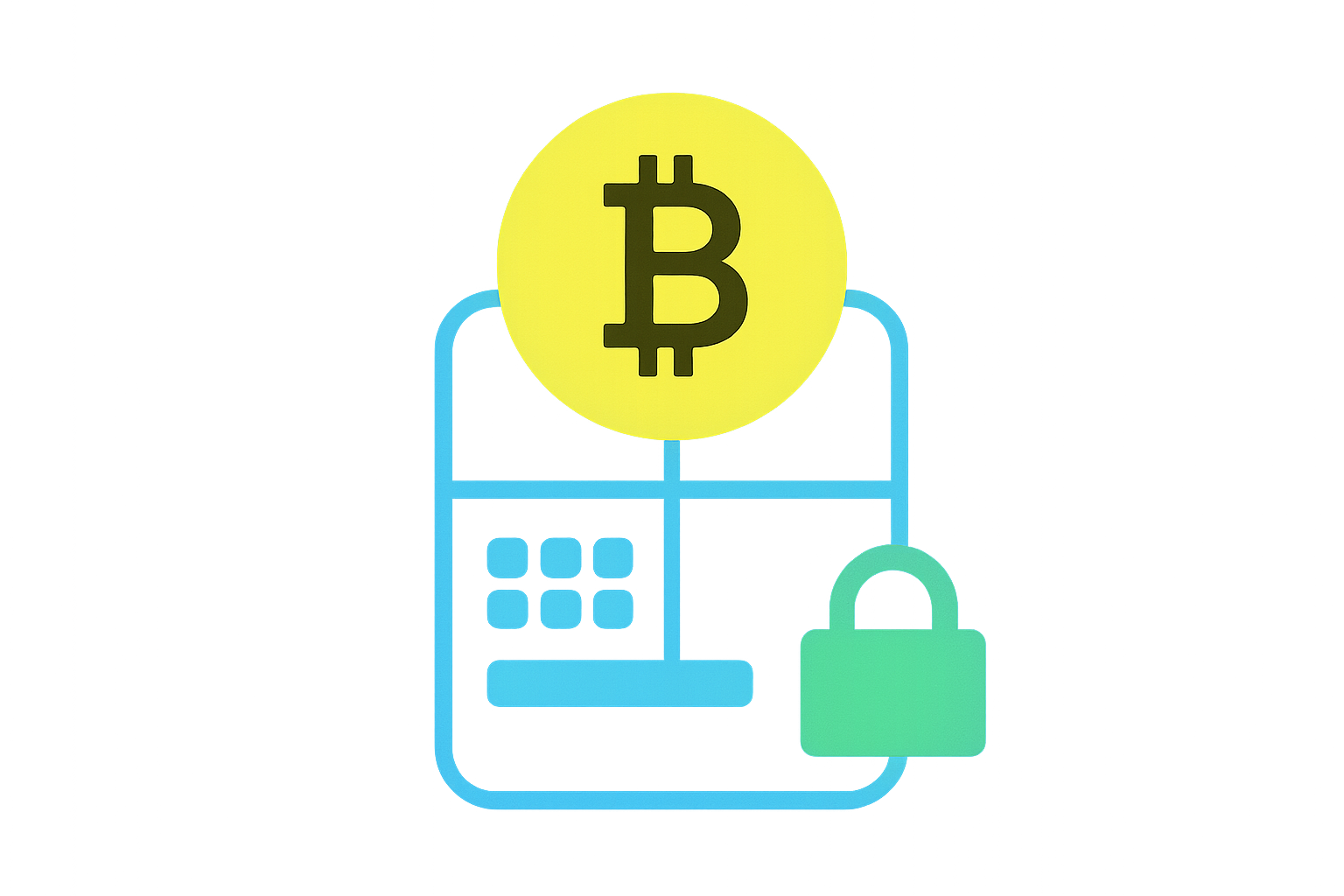
This comprehensive guide explains USDC transfer speeds and durations across major blockchain networks including Ethereum, Solana, Polygon, and Avalanche. USDC, a dollar-backed stablecoin, offers fast and reliable value transfers, but actual speed depends on network selection, gas fees, and congestion levels. Ethereum transfers typically take 1-5 minutes, while Solana completes in under 30 seconds. The article examines key factors influencing transfer duration: blockchain network choice, transaction fees, platform processing times, and security confirmations. It balances speed against cost, providing optimization strategies through network monitoring and appropriate fee selection. Real-world use cases from day trading to merchant payments demonstrate varying speed requirements. Whether prioritizing fast arbitrage execution or economical remittances, users learn to leverage network features effectively, ensuring efficient USDC transfers while maintaining security.
2026-01-14 08:20:53
How to Find Your Bitcoin Address on Cash App
How to Find Your Bitcoin Address on Cash App

This comprehensive guide walks users through locating their Bitcoin address on Cash App, a leading mobile payment platform bridging traditional finance and cryptocurrency. The article explains Bitcoin addresses as unique digital identifiers essential for peer-to-peer transactions, then provides step-by-step instructions for accessing your wallet on Cash App. It covers critical security best practices including address verification, two-factor authentication, and transaction monitoring to prevent irreversible losses. The guide highlights Cash App's user-friendly interface, instant transactions, and integrated financial ecosystem as key advantages. Additionally, it offers essential tips for cryptocurrency users, including enhanced security measures, market awareness, and diversification strategies. Perfect for beginners and experienced users navigating digital assets through Gate or similar platforms.
2026-01-14 08:16:15
When will the final Bitcoin be mined? Full timeline explained
When will the final Bitcoin be mined? Full timeline explained

Discover when the final Bitcoin will be mined—and why this is projected for 2140. Explore a detailed analysis of halving events, emission charts, mining end dates, and the cryptocurrency economy on Gate, tailored for investors and traders.
2026-01-14 08:13:55
What Will Shiba Inu Be Worth in 2030?
What Will Shiba Inu Be Worth in 2030?

This comprehensive article examines Shiba Inu's value potential through 2030 by analyzing five critical drivers: community strength and market demand, adoption rates across payment and DeFi systems, technological advancements including layer-2 solutions like Shibarium, regulatory frameworks across major economies, and overall cryptocurrency sentiment. The article emphasizes that while Shiba Inu's origins as a meme coin remain relevant, its evolution depends on real-world utility development, institutional adoption, and technological improvements. Investors will face both opportunities and risks, with outcomes ranging from substantial gains to significant losses depending on how these factors converge. Success requires sustained community engagement, successful ecosystem development, favorable regulatory conditions, and positive market cycles. The article provides essential context for evaluating Shiba Inu as an investment on Gate or other platforms, stressing the importance of risk assessment, portfolio diver
2026-01-14 08:11:27
How to Sell Crypto on Trust Wallet

How to Sell Crypto on Trust Wallet

This comprehensive guide explains how to securely sell Bitcoin and cryptocurrencies using Trust Wallet, a non-custodial multi-asset wallet supporting thousands of digital tokens. The article walks readers through essential steps including wallet setup, transferring crypto to reputable exchanges like Gate for fiat conversion, and executing sales orders. It covers preparation processes, step-by-step selling procedures, and critical security measures such as enabling two-factor authentication, protecting recovery phrases, and verifying transaction addresses. The guide also addresses common concerns through its FAQ section, helping both beginners and experienced traders confidently manage their digital assets while minimizing risk and maximizing control over their cryptocurrency transactions.
2026-01-14 08:09:07
Is Gold Cheaper in Mexico: Crypto Market Insights

Is Gold Cheaper in Mexico: Crypto Market Insights

This comprehensive article examines gold pricing differences between Mexico and the USA, analyzing how currency fluctuations, taxes, import duties, and local demand patterns influence costs. It explores key factors affecting Mexican gold prices and reveals why production proximity doesn't guarantee lower retail prices due to export-import cycles and distribution markups. The article compares traditional gold markets with blockchain-based alternatives, highlighting transparency advantages and real-time pricing efficiency on crypto exchanges like Gate. It addresses common misconceptions about cheaper Mexican gold while providing practical investment tips for cross-border diversification. The guide helps investors make informed decisions by comparing total costs, considering liquidity needs, and evaluating both physical and tokenized precious metals as complementary portfolio components.
2026-01-14 08:04:38