Pi Coin Launch Date in India: What to Expect

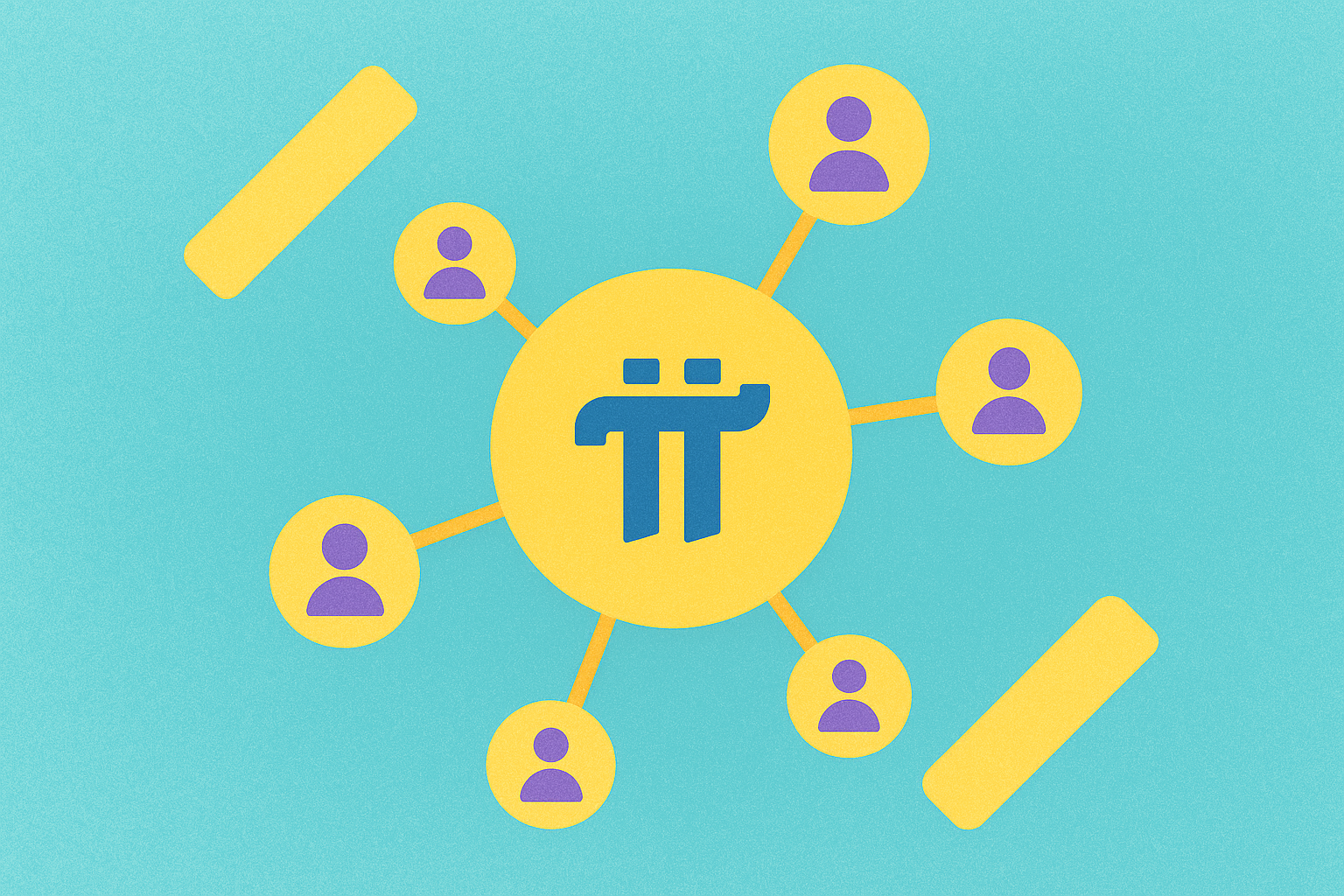
Concept Introduction
What is Pi Coin?
Pi Network represents a groundbreaking blockchain initiative designed to democratize cryptocurrency mining by making it accessible to everyone through a user-friendly mobile application. Unlike traditional cryptocurrency mining operations that demand specialized hardware, substantial electricity consumption, and technical expertise, Pi Network revolutionizes the process by enabling users to mine coins simply by logging into the app daily and pressing a button. This innovative approach not only removes financial and technical barriers but has also attracted a massive global following, including millions of enthusiastic users across India who are eager to participate in the cryptocurrency revolution without the traditional complexities.
The Growing Hype in India
India has emerged as one of the fastest-growing markets for cryptocurrencies, characterized by an expanding user base and increasing interest in blockchain technology across diverse demographics. The promise of Pi Coin—offering mobile-based mining without complex technical setups or significant financial investment—has resonated strongly with Indian users, attracting a considerable following across urban and rural areas alike. As Pi Coin progresses toward its highly anticipated mainnet launch, the Indian crypto community is particularly eager to learn about exact timelines, regulatory frameworks, potential trading opportunities, and how this innovative cryptocurrency might integrate into India's rapidly evolving digital economy.
Historical Background and Origin
Origins of Pi Network
Launched in 2019 by a team of Stanford University graduates—Dr. Nicolas Kokkalis, Dr. Chengdiao Fan, and Vincent McPhillip—Pi Network was conceived with a clear mission: to eliminate the technical and financial barriers that traditionally limit broader participation in the cryptocurrency economy. The founders recognized that existing cryptocurrencies, while revolutionary, remained inaccessible to average users due to complex mining requirements and high entry costs. Since its inception, the Pi Network app has experienced exponential growth, successfully onboarding millions of registered users known as "Pioneers" across more than 200 countries worldwide. Remarkably, India has emerged as one of the top contributing nations, with a vibrant and engaged community of miners actively participating in the network's development and growth.
Pre-Launch and Development Phases
Pi Network's strategic development roadmap has been carefully structured into three major phases, each designed to build upon the previous stage and ensure a robust, secure, and scalable ecosystem:
-
Beta and Invitation Phase: During this initial stage, users could join the network exclusively through invitation codes, begin mining coins on their mobile devices, and refer others to expand the community. This phase was crucial for creating network effects and establishing the foundational user community that would drive future growth.
-
Testnet Phase: In this critical development stage, the core Pi blockchain infrastructure and ecosystem features underwent rigorous testing in a secure environment. Select developers, node operators, and committee members participated in validating transactions, identifying potential vulnerabilities, and refining the consensus mechanism to ensure reliability and security.
-
Mainnet Launch: The final and most anticipated phase involves Pi's transition to a fully decentralized network, enabling real peer-to-peer transactions, asset exchanges, integration with third-party applications, and eventually open market trading on cryptocurrency exchanges.
The project has progressed through the late Testnet phase and is currently working toward the complete Mainnet transition, opening up its ecosystem for third-party development, formal trading capabilities, and full decentralization. This final launch milestone is what Indian Pi enthusiasts and the global community eagerly anticipate, as it will unlock the true utility and value of the Pi tokens they have been mining.
Working Mechanism and Technical Architecture
How Does Pi Network Function?
Pi Network's primary innovation lies in its revolutionary "mobile mining" approach, which fundamentally differs from traditional cryptocurrency mining methods. Instead of performing computation-intensive Proof of Work (PoW) algorithms like Bitcoin, which require expensive hardware and consume enormous amounts of electricity, Pi Network employs a Federated Byzantine Agreement (FBA) mechanism combined with Stellar Consensus Protocol (SCP) subsystems. This sophisticated yet efficient approach allows the network to validate transactions using social security circles created through user trust relationships, significantly reducing energy consumption while maintaining security and decentralization.
Main Mining Layers and User Roles
The Pi Network ecosystem is structured around four distinct user roles, each contributing to network security and growth in different ways:
-
Pioneers: Regular users who participate in daily mining by simply logging into the app and pressing the mining button, forming the foundation of the network.
-
Contributors: Users who enhance network security by vetting and vouching for trustworthy members within their security circles, helping to identify and prevent fraudulent accounts.
-
Ambassadors: Active community members who contribute to network growth by inviting new users and expanding the Pi Network ecosystem.
-
Node Operators: Advanced users who run Pi Node software on their computers, providing enhanced validation capabilities and contributing to the network's decentralization and security infrastructure.
The Mainnet Launch Transition
The Pi blockchain's Open Mainnet represents the culmination of years of development and testing. Once fully launched, it will facilitate genuine peer-to-peer transactions, enable integration with cryptocurrency exchanges for open market trading, and allow users to utilize their Pi tokens for real-world transactions and applications. However, in recent periods, most users have been operating within a "closed mainnet" environment, meaning real-asset withdrawal capabilities and external trading on major exchanges are not yet available. The complete transition to an open mainnet—with full functionality, external platform integration, and unrestricted trading—is the transformative launch event that the Indian crypto community and global users eagerly await.
Benefits and Advantages for Indian Users
Universal Accessibility and Financial Inclusion
Pi Coin's most compelling advantage is its universal accessibility, which is particularly significant in India's diverse socio-economic landscape. Anyone in India with a basic smartphone and internet connection can participate in the Pi Network ecosystem. Unlike traditional cryptocurrency mining that requires expensive specialized hardware (ASICs or high-end GPUs), substantial electricity costs, technical expertise, and significant upfront financial investment, Pi Network eliminates these barriers entirely. This democratized approach makes cryptocurrency accessible to students, homemakers, small business owners, and individuals from all economic backgrounds, potentially bringing millions of previously excluded Indians into the digital economy.
Community Building and Social Networks
With millions of Indians actively engaging in the Pi Network, building social circles, and participating in community initiatives, a vibrant grassroots movement has emerged across the country. User-driven initiatives, local meetups, educational workshops, and collaborative projects are springing up in cities and towns throughout India. This strong community foundation means that once the open mainnet launches and Pi Coin becomes tradable, it could quickly integrate into India's digital payments landscape, potentially becoming a preferred medium for peer-to-peer transactions, online commerce, and microtransactions within local communities.
Opportunity for Early Adoption and Potential Value
Since Pi Coins cannot be purchased outright on exchanges before the mainnet goes fully live, Indians who have been mining or are currently mining are essentially early adopters positioned at the ground floor of this cryptocurrency project. Once the coin becomes tradable on major exchanges and market liquidity develops, these pioneers might enjoy significant first-mover advantages. As demand increases and the ecosystem matures, early miners could potentially benefit from value appreciation, though it's important to note that cryptocurrency investments always carry inherent risks and uncertainties.
Education and Adoption Curve Benefits
The gradual, phased launch approach of Pi Coin serves an important educational purpose for the Indian market. As users mine daily, refer friends and family, build trust circles, and engage with the ecosystem, they inherently learn about fundamental cryptocurrency concepts, blockchain technology basics, digital transaction security, wallet management, and decentralized finance principles. This organic learning process is paving the way for broader national adoption of blockchain technology, creating a more informed and prepared user base that can confidently navigate the cryptocurrency landscape and contribute to India's growing role in the global digital economy.
Pi Coin Launch Date in India: Current Status and Expectations
The most pressing question among Indian crypto enthusiasts remains: When exactly will Pi Coin launch for trading in India?
According to communications from the Pi Network core team in recent years, the transition to a fully functional "Open Mainnet" has been progressing steadily but cautiously. The development team has consistently emphasized that several substantial milestones must be completed before the official launch, including comprehensive KYC (Know Your Customer) verification for users worldwide, final ecosystem app development and testing, security audits, and legal compliance measures in major regions including India.
At present, there is no universally fixed launch date announced specifically for India or globally. However, strategic statements from developers and official announcements indicate that the open mainnet transition—which will enable open trading, external exchange listings, and full functionality—could materialize in the near future. Indian users should closely monitor Pi Network's official communication channels, including the official app announcements, verified social media accounts, and the project's website, for the most accurate and timely information regarding the launch timeline.
Regulatory Considerations in India
India's regulatory approach to cryptocurrency has been evolving significantly, with ongoing developments in regulatory clarity, taxation policies, and technology sandbox frameworks. While the regulatory environment has historically been cautious, with concerns about consumer protection and financial stability, there is currently no explicit ban on participating in decentralized applications or blockchain networks like Pi Network. The Indian government has implemented a taxation framework for cryptocurrency transactions, requiring users to report and pay taxes on crypto income and gains.
The Pi Network development team has indicated they are taking proactive steps to ensure compliance with regulatory requirements in major markets, including India. This includes implementing robust KYC procedures, working with legal experts to understand local regulations, and designing the ecosystem to align with emerging regulatory frameworks. For Indian users, this means that when the mainnet launches, there should be clear guidelines on legal participation, tax obligations, and compliance requirements, facilitating a smooth onboarding experience for millions of Indian miners.
Anticipated Trading and Exchange Partnerships
Once Pi Coin's open mainnet becomes fully operational, Indian users will naturally be eager to convert their mined Pi tokens into fiat currency (Indian Rupees) or exchange them for other established cryptocurrencies like Bitcoin or Ethereum. This process will require Pi Coin to be listed on reliable and reputable cryptocurrency exchanges that serve the Indian market, supporting seamless transfers to trusted digital wallets.
For Indian users, trading Pi Coin on established exchanges will finally unlock real-world value for the tokens they have been accumulating through daily mining efforts. The ability to convert Pi to INR or other cryptocurrencies will depend on which exchanges choose to list Pi Coin and the liquidity that develops in the market. Indian users should prepare by familiarizing themselves with reputable cryptocurrency exchanges, understanding trading basics, and ensuring they have completed necessary KYC verification on platforms they plan to use.
For securely storing and transacting Pi Coins once blockchain asset transfers are enabled, utilizing a reliable Web3 wallet will be essential. These wallets provide enhanced security features, user control over private keys, and seamless integration with decentralized applications, ensuring that Indian users can safely manage their Pi holdings and participate in the broader Pi ecosystem with confidence.
What Indian Crypto Enthusiasts Should Do Now
Stay Prepared and Informed
Indian Pi Network participants should focus on several key preparation steps to maximize their readiness for the mainnet launch:
-
Complete KYC Verification: As soon as the KYC verification process becomes available through the official Pi Network app, users should complete it promptly. This verification is essential for accessing mainnet features and will likely be required for trading on exchanges.
-
Regularly Check Official Updates: Stay informed by monitoring Pi Network's official communication channels, including in-app announcements, the official website, and verified social media accounts. Avoid relying on unofficial sources or rumors.
-
Engage in Community Discussions: Participate in legitimate Pi Network community forums and local Indian Pi groups to share knowledge, stay ahead of potential scams, and learn from experienced community members.
-
Prepare Secure Wallet Solutions: Research and set up secure cryptocurrency wallets and familiarize yourself with reputable exchange platforms that may list Pi Coin, ensuring you're ready to safely store and trade your tokens when the time comes.
Avoid Misconceptions and Protect Against Scams
With heightened anticipation comes increased risk of misinformation and fraudulent schemes. Indian users must remain vigilant and informed:
-
No Pre-Launch Sales: There is no legitimate public sale or pre-sale of Pi Coin before the official mainnet launch. Any website, social media account, or individual claiming to sell Pi Coins before the official launch is attempting to defraud users.
-
Beware of Fake Exchanges: Scammers have created fake exchanges and trading platforms claiming to offer Pi Coin trading. Only use exchanges that are officially announced by the Pi Network team.
-
Protect Your Account: Never share your Pi Network password, security phrases, or personal information with anyone claiming to be from the Pi team. Official team members will never ask for this information.
-
Trust Official Channels Only: Rely exclusively on official Pi Network communication channels for updates and information. Verify all announcements through multiple official sources before taking action.
Build Knowledge and Maximize Engagement
Active, consistent engagement with the Pi Network ecosystem will help Indian users maximize their eventual rewards and understanding:
-
Mine Daily: Maintain your daily mining streak by logging in and activating mining at least once every 24 hours to maximize your mining rate and accumulated Pi.
-
Build Trustworthy Security Circles: Carefully select reliable individuals for your security circle, as this enhances your mining rate and contributes to network security.
-
Learn Blockchain Fundamentals: Use this pre-launch period to educate yourself about blockchain technology, cryptocurrency basics, wallet security, and trading principles. This knowledge will prove invaluable when Pi Coin becomes tradable.
-
Participate in Ecosystem Development: Explore Pi apps being developed within the ecosystem and consider how you might contribute to or benefit from the growing Pi economy.
The Indian crypto community's collaborative spirit, enthusiasm, and growing blockchain literacy will be crucial factors in driving widespread adoption and creating real utility for Pi Coin once the mainnet launches.
A Glimpse Into the Future: Pi Coin's Potential Impact on India
The anticipated launch of Pi Coin in India stands to be a landmark event in the country's cryptocurrency journey, with the potential to onboard millions of new users into the decentralized economy and democratize access to digital assets across diverse social and economic strata. India's massive smartphone user base, growing digital literacy, and increasing comfort with digital payments create an ideal environment for Pi Network's mobile-first approach to cryptocurrency.
As regulatory clarity continues to improve and blockchain awareness deepens throughout Indian society, the country is strategically positioned to become a key market for Pi Network's global ambitions. The combination of India's tech-savvy youth population, entrepreneurial spirit, and hunger for financial innovation suggests that Pi Coin could play a significant role in shaping how Indians interact with digital currencies and participate in the global cryptocurrency economy.
When Pi Coin finally opens for trading and full mainnet functionality is achieved, it could potentially rewrite the rules of cryptocurrency adoption in India, demonstrating that blockchain technology can be accessible, user-friendly, and valuable to everyday people rather than remaining the exclusive domain of technical experts and financial professionals. The coming months will be crucial as the Pi Network team works toward this transformative launch, and Indian users should stay informed, prepared, and engaged to make the most of this exciting opportunity in the evolving landscape of digital finance.
FAQ
What is the specific launch date of Pi Coin in India?
As of January 2026, Pi Network has not yet officially launched in India. While the project planned a 2025 launch, the specific date remains uncertain. Pi is currently in the mainnet transition phase with limited functionality.
What is the expected price of Pi coin in India after launch?
Pi coin's expected price range in India is 1,000 to 10,000 rupees per coin. With optimistic projections, prices could reach 50,000 to 100,000 rupees per coin, depending on global adoption rates and market conditions.
How can Indian users participate in Pi coin mining and trading?
Indian users can mine Pi coins through the Pi Network mobile app. However, Pi coin is not yet listed on major exchanges, so direct trading is currently unavailable. Trading opportunities may emerge after mainnet launch.
What preparations does Pi Coin need to complete before launching in India?
Before Pi Coin launches in India, download the Pi Network app, create a secure account with a strong passphrase, and participate in daily mining sessions. Ensure regulatory compliance with local frameworks and verify account security through identity authentication.
What are Pi Coin's advantages in the Indian market compared to other cryptocurrencies?
Pi Coin offers a massive user community and strong grassroots support in India. Its decentralized nature appeals to local users, while the free earning mechanism attracts widespread participation, making it accessible to India's growing crypto-interested population.
Has Pi Coin received regulatory approval from authorities in India?
Pi Coin is not officially recognized as legal tender in India, but trading it is legal under the country's evolving cryptocurrency regulations. The Reserve Bank of India and SEBI oversee compliance. Pi Network users must complete mandatory KYC procedures to participate in the ecosystem.

Discover the Pi Network Mining Process: A Beginner's Guide
Pi Network Launch 2024: Everything You Need to Know
Pi Network Launch and Future Price: Key Dates and How to Acquire PI
Pi Network Launch Insights: Availability, Price Forecast, and Purchasing Guide

Understanding Pi Network: A Comprehensive Guide to Pi Cryptocurrency
What is Pi Coin? Complete Guide to Pi Network Value, Price, and How to Sell Pi Coin
What Does BTC Mean in Text? Complete Guide to Bitcoin vs Slang
How to Sell Bitcoins on Cash App: A Step-By-Step Guide
Hamster Kombat Daily Combo Cards Guide – GameDev Heroes Edition
How Many Stock Trading Days in a Year: Essential Facts
When You Get Paid Biweekly Meme: A Financial Perspective