Retrodrop: Definition and Strategies for Earning

What Are Retrodrops?
Retrodrops (retroactive airdrop or retrodrop) are a method of distributing new tokens to users who have previously engaged actively with a specific blockchain project. Unlike traditional airdrops, which typically serve as marketing initiatives to attract new users before a project launches, retrodrops reward users retroactively for their past activity and contributions to the ecosystem.
The main philosophy behind retrodrops is to recognize the value and loyalty of early adopters. This approach also helps fairly allocate governance tokens within an active community, especially when a project transitions from centralized operations to decentralized governance through a DAO (Decentralized Autonomous Organization). This strategy builds an invested community that takes part in critical protocol decisions.
How Do Retrodrops Work?
Retrodrops follow a multi-step process requiring rigorous planning and data analysis. A standard retrodrop includes these stages:
1. Data Collection and Analysis — The project team thoroughly reviews blockchain transaction histories using specialized indexing tools. They identify users who meet pre-established eligibility criteria. These might include addresses that transacted before a specified date, interacted with specific smart contracts, or provided liquidity to pools.
2. Defining Distribution Criteria — Developers set out detailed token allocation rules, which may factor in:
- Total transaction volume
- Protocol usage frequency (unique active days)
- Duration of engagement (from first to last transaction)
- Value deposited in the protocol (for DeFi projects)
- Participation in feature testing
- Interaction with multiple ecosystem components
3. Blockchain Snapshot — The team captures the blockchain’s state at a specific moment to finalize the recipient list and determine reward amounts. Projects usually keep the snapshot date undisclosed to deter speculation and retrodrop farming.
4. Token Distribution — Tokens are distributed to eligible addresses based on the established formula. Typically, more active users receive proportionally larger allocations. Some projects implement vesting schedules, unlocking tokens gradually over time.
Examples of Successful Retrodrops
The crypto industry features many successful retrodrops that have delivered meaningful value to early users:
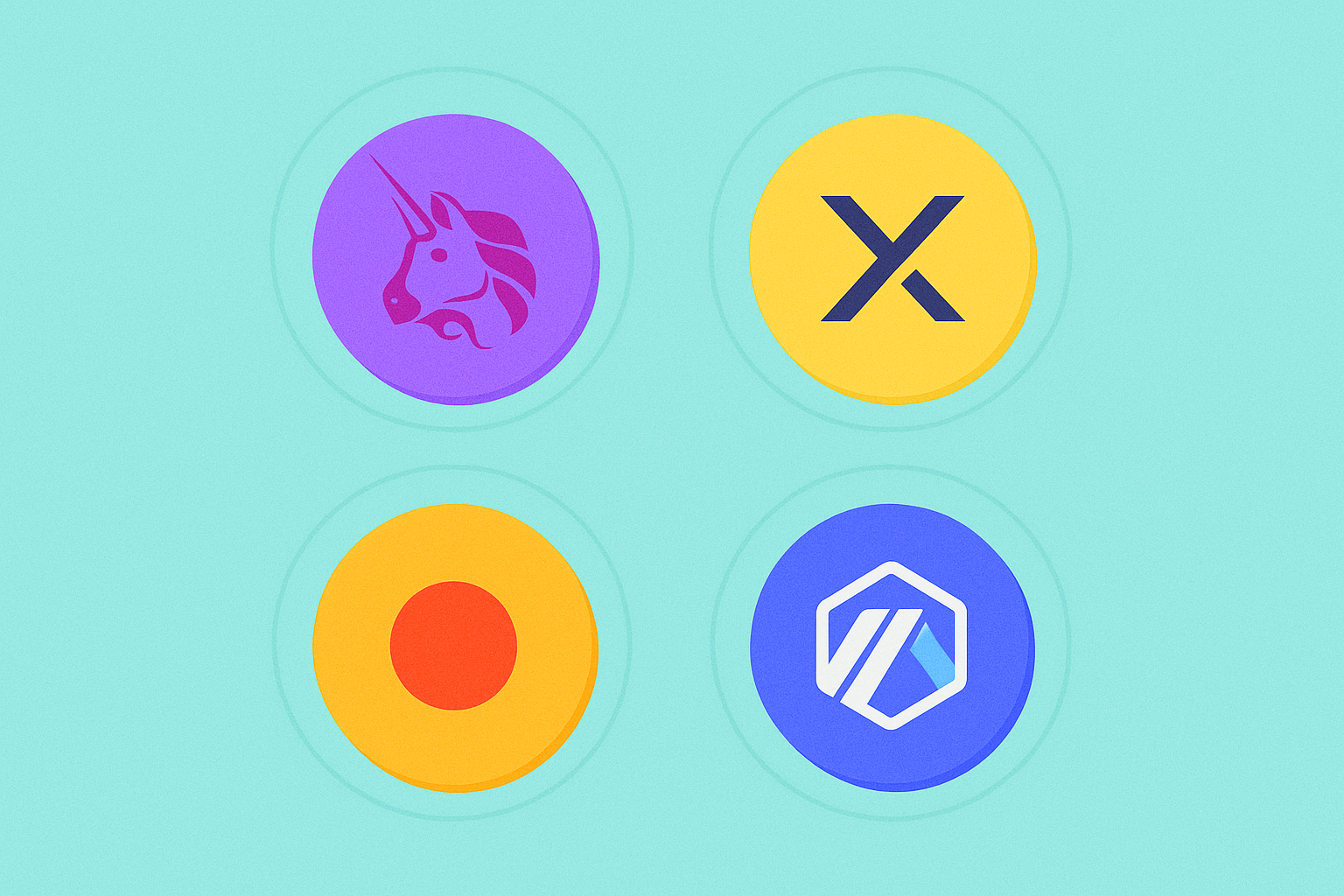
Uniswap (UNI) — In September 2020, Uniswap, a decentralized exchange, carried out one of the largest retrodrops in crypto history. Every address that had used the protocol before a set date received 400 UNI tokens. At distribution, those tokens were worth about $1,400, with peak valuations above $17,000. This retrodrop became a model for future projects and proved the effectiveness of retroactive governance token allocation.
dYdX (DYDX) — This decentralized derivatives trading platform rewarded users with tokens based on trading activity and volume. Criteria considered not just the number of trades, but also their size, use of different pairs, and length of engagement. Top traders received tokens valued at tens of thousands of dollars.
Optimism (OP) — This Layer 2 Ethereum scaling solution has conducted several retrodrop rounds for users who helped grow and support the network. Early testers, developers deploying contracts, and active governance participants were given special consideration.
Arbitrum (ARB) — Another prominent Layer 2 protocol, Arbitrum awarded substantial tokens to early users and developers. The retrodrop accounted for factors including transaction count, interactions with dApps, and total transferred value.
How Can You Receive Retrodrops?
To boost your chances for future retrodrops, follow these proven strategies and best practices:
1. Use Promising Projects Actively
The most critical criterion for retrodrop eligibility is consistent, meaningful platform activity. The more you authentically interact with a project and utilize its features, the greater your likelihood of receiving tokens in a retrodrop. Focus on genuine, purposeful usage that reflects real user behavior.
2. Diversify Your Activity
Engage with as many protocol features as possible. Many projects reward not only overall activity volume, but also the diversity of interactions. For DeFi projects, this may include:
- Providing liquidity to different pools
- Staking tokens for rewards
- Borrowing and lending assets
- Participating in DAO voting and proposals
- Using cross-chain bridges
- Interacting with partner protocols
3. Target Projects Without a Native Token
If a project is growing steadily, has an active community, and high usage but hasn’t issued a governance token, it’s a strong candidate for a future retrodrop. Such projects often focus on product development and product-market fit first, then release a token to decentralize governance and reward loyal users.
4. Monitor Ecosystem News
Projects often hint at retrodrops well before any official announcement. Development teams may drop indirect signals in their communication channels. Stay updated through official Twitter accounts, Discord servers, Medium blogs, and other social platforms. Community discussions can also reveal insider information about upcoming plans.
5. Be a Genuine User
Modern projects increasingly use sophisticated defenses against artificial retrodrop farming and Sybil attacks (multiple accounts). Algorithms analyze user behavior and may exclude suspicious addresses. Use the protocol authentically, not just for token rewards. Real usage improves your retrodrop chances and supports ecosystem growth.
How to Maximize Retrodrop Returns?
Getting tokens from a retrodrop is just the beginning. Smart asset management can significantly increase your overall profit:
1. Long-Term Holding
Tokens from retrodrops often have strong long-term growth potential, especially if the project continues to innovate and attract users. Many who held UNI, DYDX, or other major retrodrop tokens saw their returns multiply. Analyze project fundamentals and decide wisely on your holding period.
2. Stake Your Tokens
Many projects offer staking programs for governance token holders, providing additional yield. Staking generates passive income and signals long-term commitment. Some protocols also give stakers extra privileges, like increased voting power or early feature access.
3. Participate in Governance
Governance tokens grant voting rights on key project decisions through DAOs. Active governance participation may bring extra rewards and lets you help shape protocol development to benefit both your interests and the project’s future.
Risks and Warnings
Pursuing retrodrops involves notable risks that you should consider:
Gas Costs — Interacting on Ethereum and similar networks can be costly due to high transaction fees, especially during network congestion. Gas costs may exceed retrodrop rewards, particularly if you engage with many projects. Always calculate the economics of each transaction.
Uncertainty — There’s no guarantee a project will execute a retrodrop, even if it appears likely. Recipient criteria can be unpredictable, and you may not qualify despite your activity. Diversify your efforts across several promising projects.
Security — Using new or unaudited protocols can put your assets at risk. Smart contracts can have vulnerabilities. Always perform your own research (DYOR), stick to audited projects, and never risk more than you can afford to lose.
Tax Obligations — In most jurisdictions, tokens from retrodrops count as taxable income. You may owe taxes on their value at distribution, even if you don’t sell right away. Consult a tax expert familiar with crypto regulations in your country.
Risk Management — Always practice sound risk management. Don’t put all your funds into retrodrop hunting; spread participation across different projects and blockchains, use separate wallets for experimenting, and take profits when prudent.
Conclusion
Retrodrops offer a unique, fair earning opportunity in crypto, rewarding real user contributions to decentralized ecosystem growth. This token distribution model embodies key community values: recognizing early adopters and fair governance allocation.
While there is no guaranteed way to secure a retrodrop, genuine and systematic participation in promising projects greatly increases your chances. The keys to success are early adoption, consistent activity, diverse engagement, and long-term commitment to projects you believe in.
Remember, the most effective strategy is to use products and services that truly solve problems and deliver value, not just to farm rewards. This approach not only boosts your odds of receiving valuable retrodrops, but also helps sustain a healthy crypto ecosystem. In the end, retrodrops are a tool to build an engaged, invested community that shapes the future of decentralized technologies.
FAQ
What Are Retrodrops and How Do They Differ from Standard Airdrops?
Retrodrops allocate tokens to users based on prior activity. Unlike standard airdrops, retrodrops reward historical engagement, not future participation, recognizing the loyalty of early adopters.
How Can You Participate in Retrodrops and Earn Token Rewards?
Join the testnet, run validator nodes, or use the MetaSig wallet and dApp ecosystem. Active users earn XAN token rewards. See the project’s official guide for details.
What Are the Requirements to Participate in Retrodrops?
To qualify for retrodrops, be active in crypto projects, interact with smart contracts and wallets, and conduct on-chain operations. Every project sets its own criteria, including minimum transaction amounts and activity periods.
What Are Retrodrop Eligibility Criteria and How Can You Confirm Qualification?
Eligibility is typically based on historical transaction volume, holding period, and on-chain activity. Review the project’s official documentation for exact standards, and verify your wallet address using a blockchain explorer.
What Risks Come with Retrodrop Participation?
Main risks include token price volatility, distribution delays, eligibility requirements, and potential scams. Always review project terms and reputation before participating.
How Can You Identify Legitimate Retrodrop Projects and Avoid Scams?
Check the project’s reputation in official channels and the community. Review the whitepaper and team. Avoid projects lacking transparency. Only participate via verified channels and beware of guaranteed profit promises.
How Do You Withdraw and Trade Tokens Earned from Retrodrops? Are There Any Restrictions?
Retrodrop tokens are typically sent to your wallet after the vesting period. You can transfer and trade them freely, but some projects enforce lockup or holding periods. Always check the specific retrodrop terms on the official website.
Which Leading Retrodrop Projects Have Existed? What Were the Returns?
Major retrodrops include Uniswap, Optimism, and Arbitrum. Recipients earned substantial profits: Uniswap distributed tokens worth up to $15,000, Optimism up to $2,000, and Arbitrum up to $5,000. Average returns were 300–500% in the first few months after the drop.

Claim Your Optimism Tokens: A Step-by-Step Guide

Tìm Hiểu Về Tiềm Năng Của DRV Token Trong Không Gian Web3

Maximize Your Benefits: Comprehensive Guide to Upcoming LayerZero Airdrop

Comprehensive guide to airdrops with Monad technology
Navigating the Innovative Landscape of Decentralized Finance Strategies

Guide to Claim LayerZero Token Distribution

What is the difference between competing cryptocurrencies in the same market segment

Maxi Doge Presale Guide: What is $MAXI Token and How to Join the Presale?

How to Measure Crypto Community Health: Twitter Followers, Developer Activity, and DApp Ecosystem Growth
What is the current cryptocurrency market cap ranking and trading volume overview in 2026

Discover the Hottest Tokens on Solana